
Leading Outdoor & Ambient Air Quality Solutions
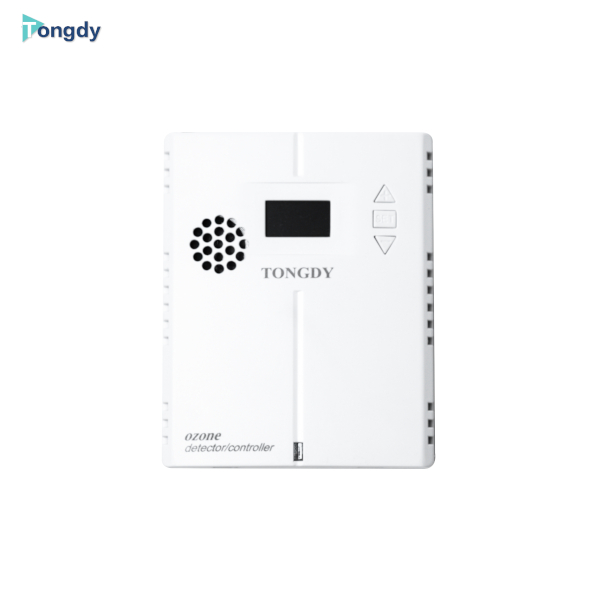
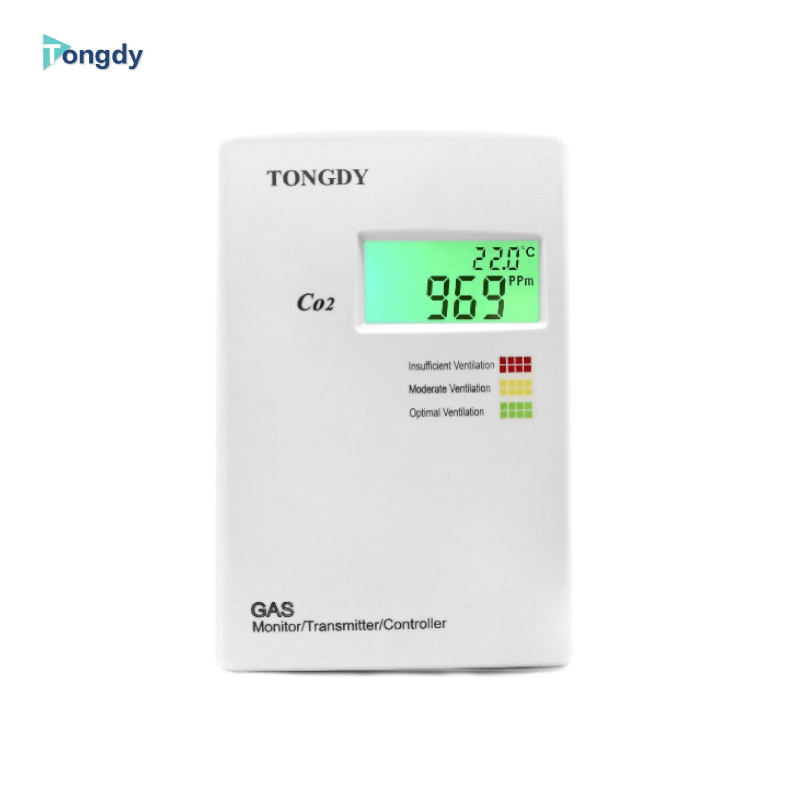
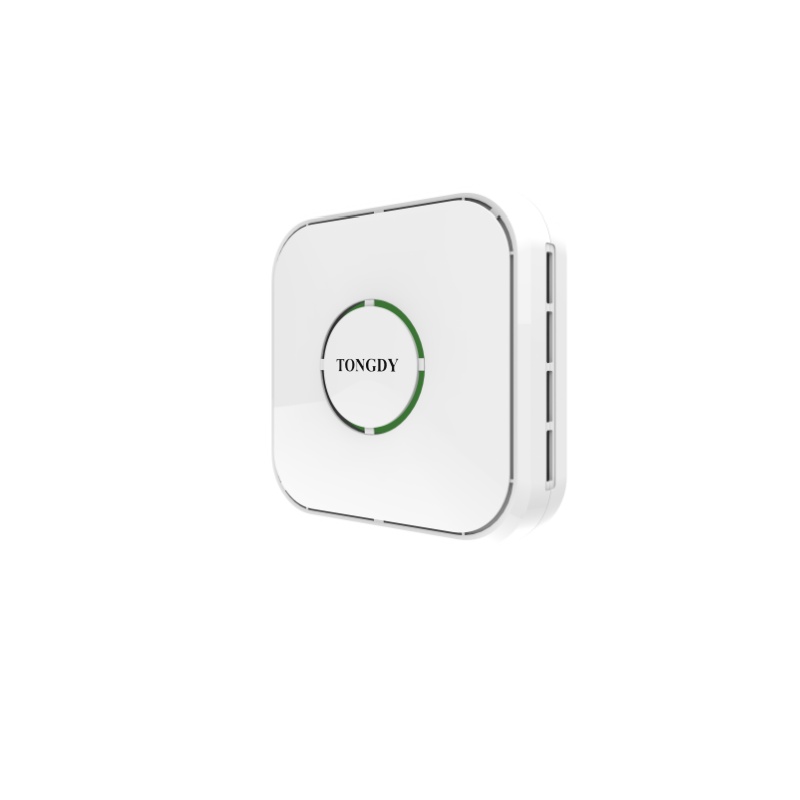
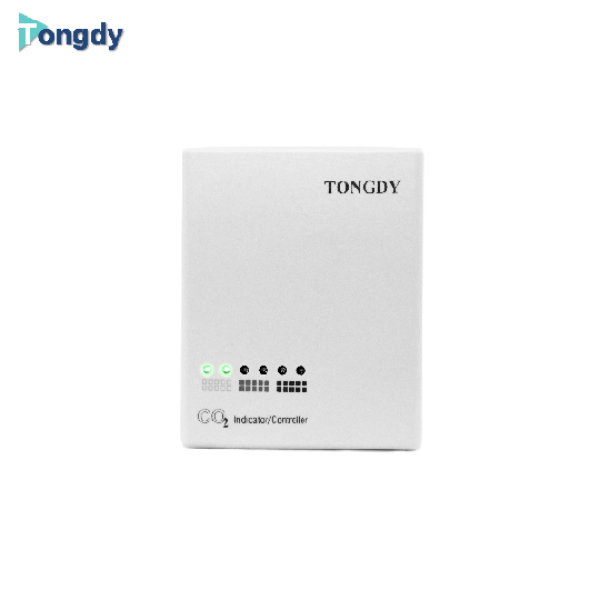
Explore our featured flagship transmitters and smart building monitors engineered for rigorous environmental tracking, HVAC synchronization, and real-time gas analytics.
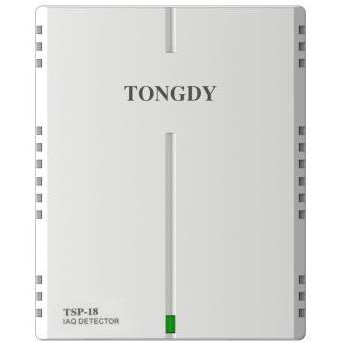
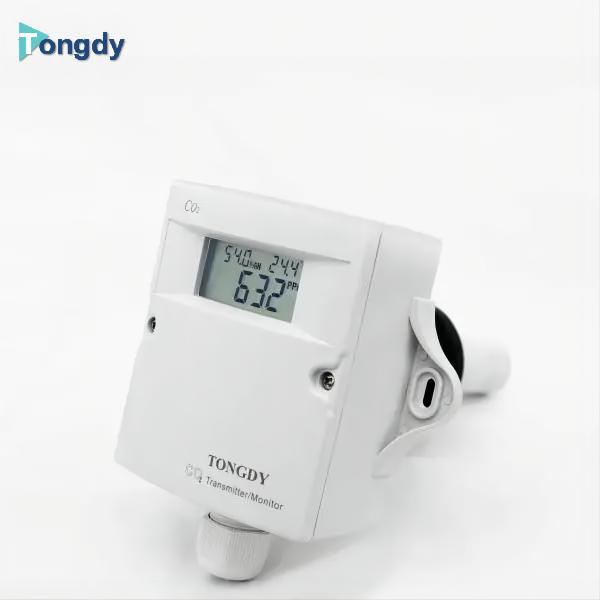
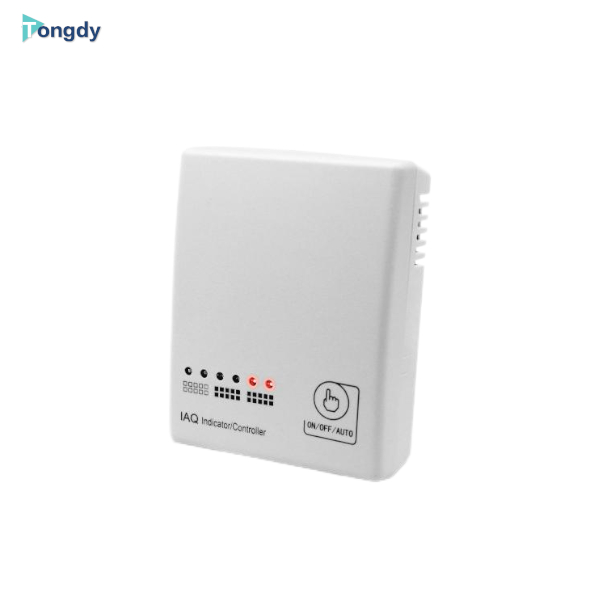
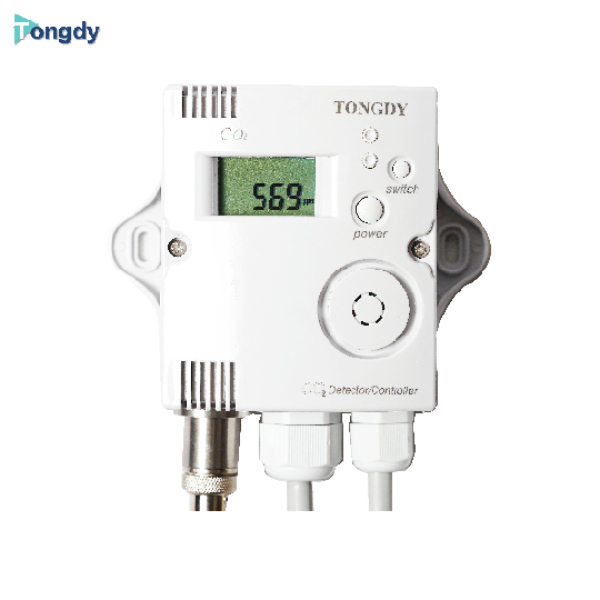
Outdoor Air Quality Monitoring Dynamics in Denmark
Denmark is recognized globally as a pioneer in sustainable urban planning, green architecture, and climate leadership. With the Danish government targeting a 70% reduction in greenhouse gas emissions by 2030 and aiming for complete climate neutrality, continuous ambient air monitoring has evolved from a regulatory requirement into a core strategic asset for municipal and industrial stakeholders.
In major Danish metropolitan areas such as Copenhagen, Aarhus, Odense, and Aalborg, ambient outdoor air monitoring plays a pivotal role in urban health management. The Danish Environmental Protection Agency (Miljøstyrelsen) alongside local municipal councils enforce stringent air cleanliness metrics to control particulate matter (PM2.5, PM10), nitrogen dioxide (NO2), ground-level ozone (O3), carbon dioxide (CO2), and volatile organic compounds (TVOCs). Deploying accurate outdoor air quality monitors allows Danish smart cities to make data-backed traffic management decisions, optimize building ventilation intakes, and maintain clean outdoor zones.
Industrial & Commercial Applications Across Denmark
From wind energy hubs and maritime ports to high-tech pharmaceutical cleanrooms, precision ambient gas sensing supports Denmark's industrial transition.
Smart Cities & Municipal Networks
Integrating outdoor air quality sensor arrays into Danish municipal IoT infrastructure provides real-time microclimate intelligence. City planners in Copenhagen and Aarhus utilize localized gas measurement data to map urban heat islands, evaluate zero-emission zones, and safeguard residential public health.
Maritime & Port Environmental Tracking
Denmark’s extensive coastline and major commercial ports, such as the Port of Copenhagen-Malmö and Esbjerg Port, require continuous monitoring of exhaust emissions. Industrial-grade outdoor gas monitors measure sulfur, ozone, and toxic gases to ensure compliance with Baltic and North Sea ECA (Emission Control Area) standards.
Greenhouse & Agricultural Control
Denmark’s advanced agricultural and horticultural sectors—particularly in Jutland—rely on precise carbon dioxide and environmental parameter regulation. Dedicated plug-and-play CO2 controllers streamline climate control, maximizing crop yields while minimizing energy consumption.
DGNB & Green Building Certification
The Green Building Council Denmark heavily emphasizes DGNB Denmark standards. Integrating accurate outdoor-to-indoor air monitoring units enables commercial properties, office parks, and educational campuses to achieve highest-tier DGNB, WELL, and LEED building certifications.
HVAC & BMS Integration
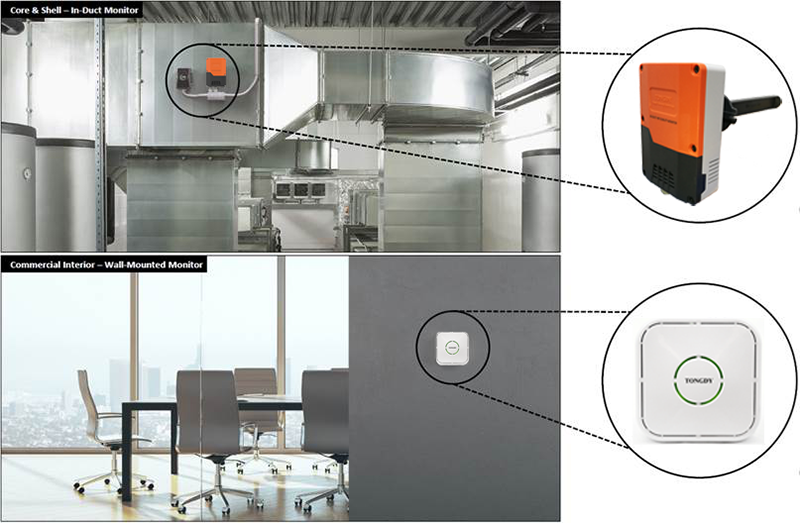
Seamless communication via Modbus, BACnet, and analog signals allows outdoor air monitors to directly interface with Building Management Systems (BMS). HVAC systems can dynamically adjust fresh air intake based on real-time outdoor pollution levels, preventing ambient contaminants from entering interiors.
Pharma & Biotech Cleanroom Perimeters
Denmark's world-renowned life sciences corridor (Medicon Valley) demands rigorous airborne contaminant isolation. Outdoor monitors deployed around perimeter air intake manifolds protect delicate pharmaceutical manufacturing environments from ambient gas spikes.
Key Technological Trends in Nordic Air Quality Monitoring
Operating outdoor environmental sensors in Denmark poses unique atmospheric challenges. The Scandinavian marine climate is characterized by high humidity, coastal salt mist, significant seasonal ambient temperature fluctuations, and variable wind profiles. Modern air quality hardware must combine rugged hardware engineering with sophisticated algorithmic compensation.
1. Multi-Sensor Modular Engineering
Traditional single-parameter gas sensors are increasingly replaced by multi-sensor modular platforms. Modern outdoor stations incorporate up to six interchangeable gas sensors—including NDIR (Non-Dispersive Infrared) for CO2, electrochemical sensors for O3, NO2, and CO, and photoionization detectors (PID) or MOS sensors for TVOCs—all housed in weatherproof, sealed cast aluminum enclosures.
2. Intelligent Dynamic Temperature & Humidity Compensation
Cold Nordic winters and humid coastal summers can distort raw sensor signals. Proprietary calibration algorithms automatically adjust output values based on real-time ambient temperature and humidity data, ensuring reliable cross-seasonal measurement stability without frequent manual field re-calibration.
3. Cloud Analytics & Cloud Platform Integration
Smart monitoring platforms allow facility managers across Denmark to visualize historical environmental trends, configure automated alert thresholds, and export compliance reports via web interfaces and mobile applications (such as the "MyTongdy" Cloud Platform).
4. Low Power Consumption & IoT Connectivity
With the proliferation of smart city IoT networks, modern outdoor air quality transmitters support low-power wireless communication protocols alongside standard industrial wired connections, allowing versatile deployment across remote infrastructure, solar-powered environmental stations, and municipal pole mounts.
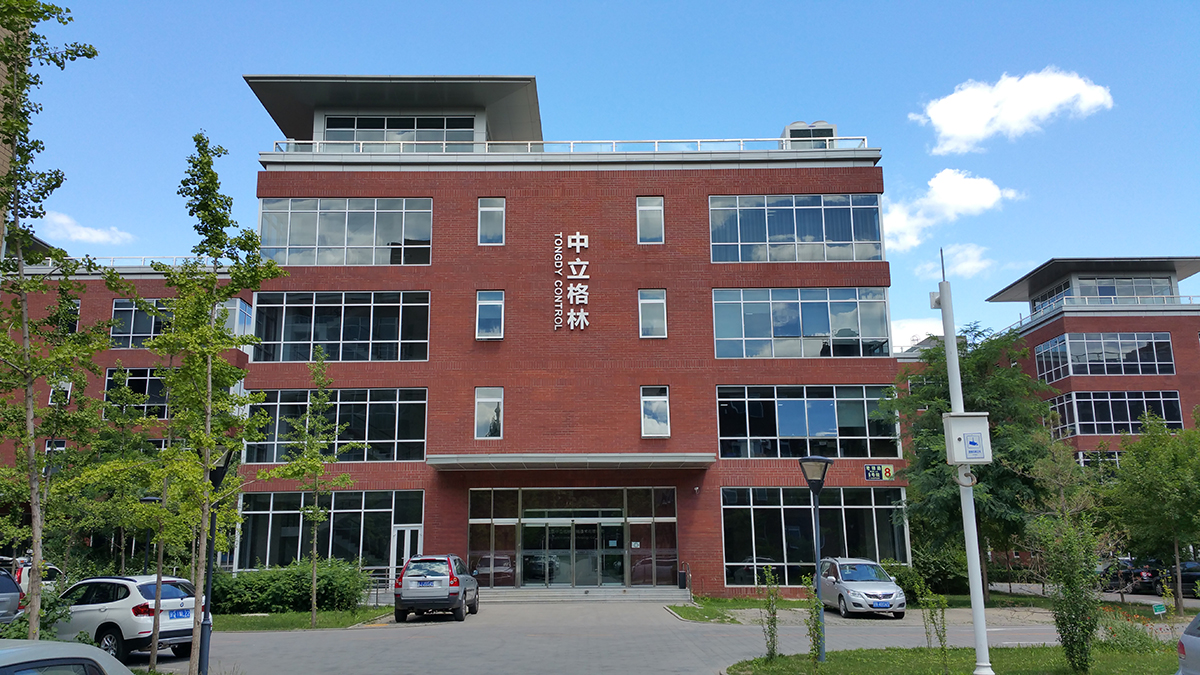
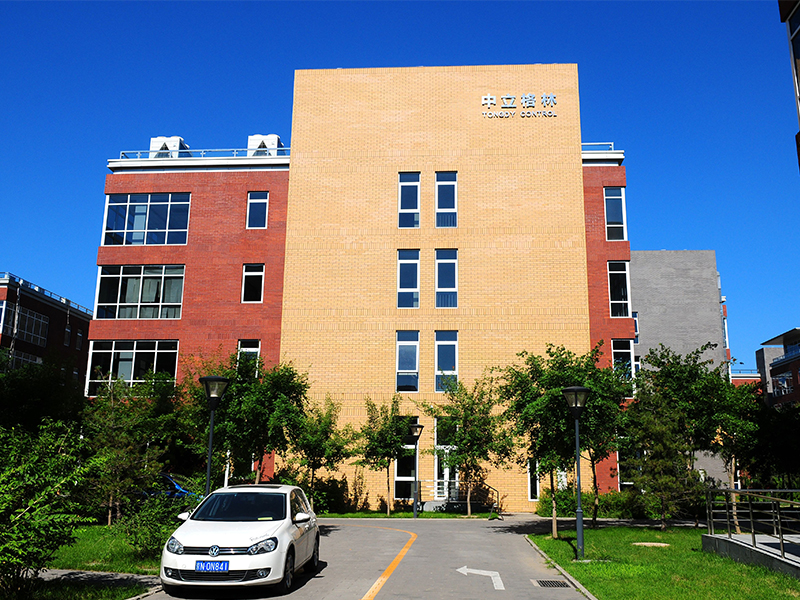
Tongdy Sensing Technology Corporation
Help You Build and Maintain a Healthy Environment
Our work makes a difference in helping you make healthy outdoor and indoor air quality. As one of the earliest companies engaged in air quality monitoring products, Tongdy has been always focusing on its strong technology development and design capabilities on environmental air quality monitors, transmitters, and controllers.
Focusing on air quality detection and control for over 15 years, Tongdy fosters research and development on obtaining accurate air quality data, helping engineers, building operators, and city managers well understand and improve the air quality through quantitative assessment and data analysis.

Our Core Purpose & Technical Values
For pursuing our ultimate purpose of creating healthy indoor and ambient air quality, we are committed to obtaining real and accurate data and cultivating the next generation of innovators in technology and engineering.
Exclusive Innovative Calibration Algorithm
Proprietary technology and effective calibration methods to support higher data accuracy across varying environmental conditions and thermal ranges.
Unique Professional Multi-Sensor Module
Special multi-sensor module featuring a sealed cast aluminum structure containing up to six high-precision sensors inside for versatile gas detection.
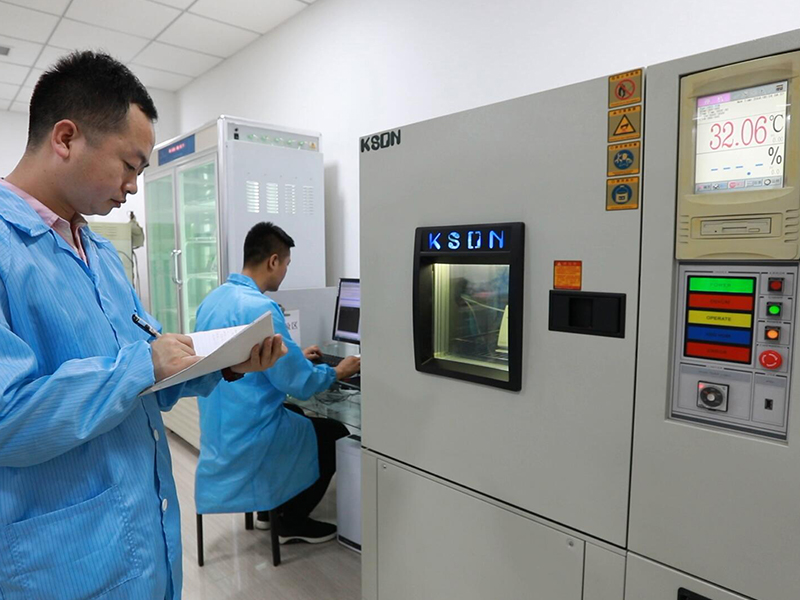
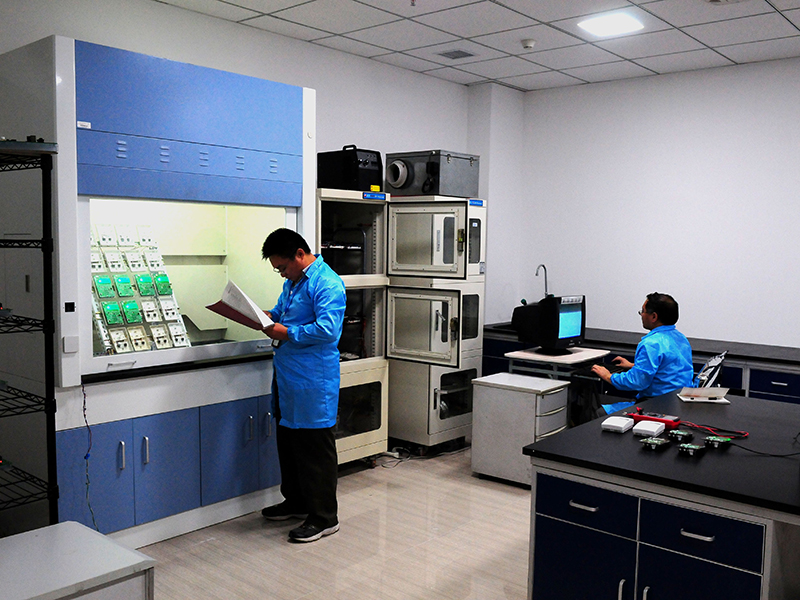
Continuous R&D Investment & Quality Control
Tongdy-owned facilities with substantial investment in research and engineering to guarantee long-term product reliability and continuous innovation.
Real-Time Data Monitoring & Analytics
"MyTongdy" platform assists facility managers in reading, analyzing, and reporting air quality trends on desktop browsers or mobile APPs seamlessly.
The Expert of Environmental Data
Over 15 years of deep industry expertise, providing commercial-grade accurate data to support health-centered indoor and outdoor environment decisions.
Social Responsibility & Global Partnerships
Tongdy actively develops air quality monitors and is devoted to healthy indoor and outdoor environments, striving to become an excellent enterprise model globally. As a responsible corporate citizen, Tongdy has contributed to public welfare undertakings by collaborating with public benefit organizations.
We actively cooperate with leading global health standards like WELL—the world's premier organization focused on deploying people-first places to advance a global culture of health. We continuously explore the impact of air quality parameters on human health and productivity based on The WELL Building Standard™ and green building benchmarks across Denmark and Europe.
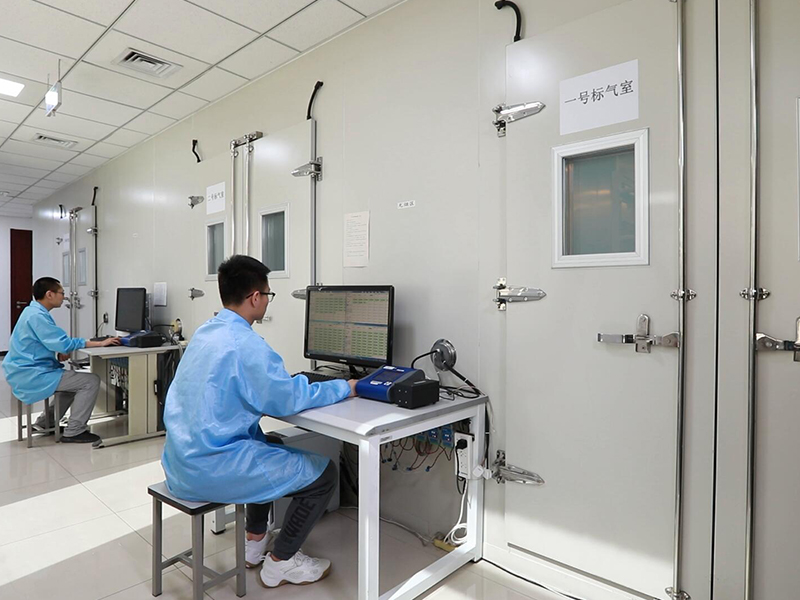
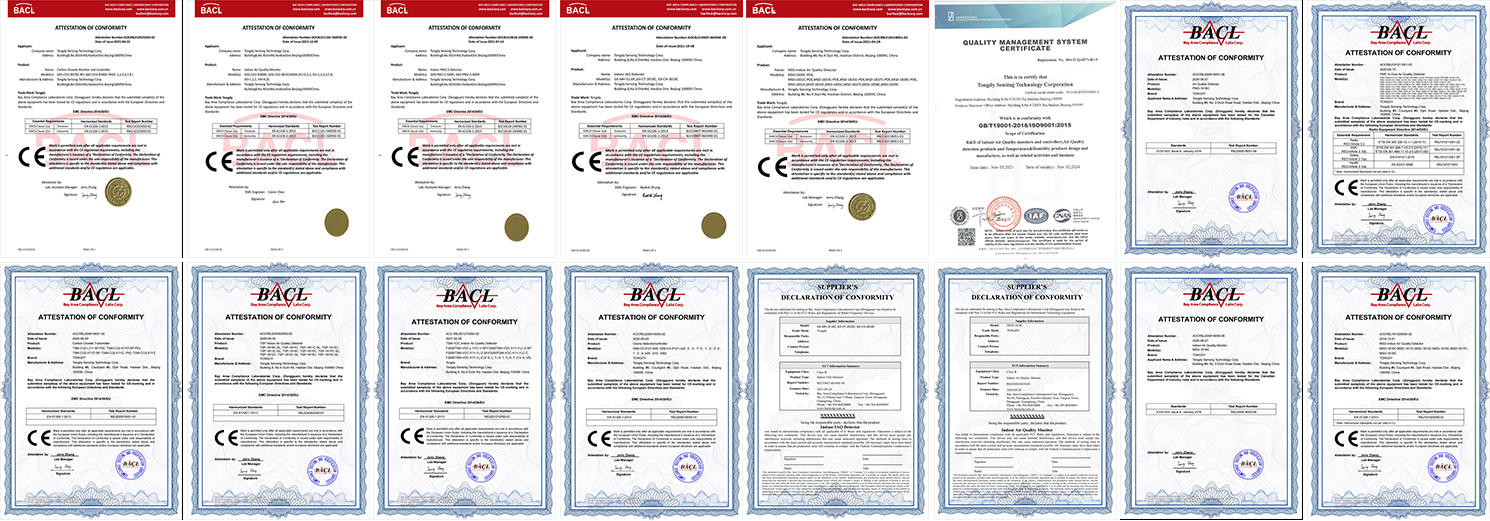
Certificates and International Honors
Our sensing platforms adhere to strict international quality standards, rigorous laboratory testing, and European compliance directives.
Why Tongdy is the Preferred Partner for Danish Projects
20+ Years of Expertise in IAQ & HVAC Solutions
Trusted globally by system integrators, HVAC engineers, and municipal developers for high-quality sensors and professional support, fully compliant with European Green Building standards.
100+ Monitoring & Control Products
Over 100 commercial-grade monitors and controllers, including CO2, single-gas, and multi-sensor units engineered for HVAC, BMS, smart city, and green building applications.
Reliable and Actionable Data
Providing smart building managers and city operators across Denmark with real-time, high-precision environmental data to make informed, data-driven decisions.
Tailored to Your Specific Regional Needs
Flexible modular hardware, deep technical expertise, and fast international delivery enable cost-effective, customized gas detection and control solutions tailored to Denmark's unique climate and industrial requirements.
Comprehensive Air Quality Monitors & Controllers
Browse our complete range of certified carbon dioxide monitors, duct transmitters, TVOC detectors, ozone meters, and multi-gas sensing solutions ideal for deployment across Denmark.