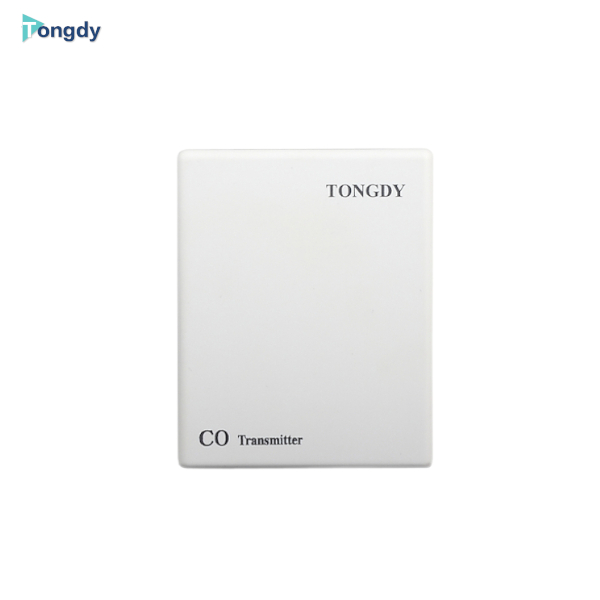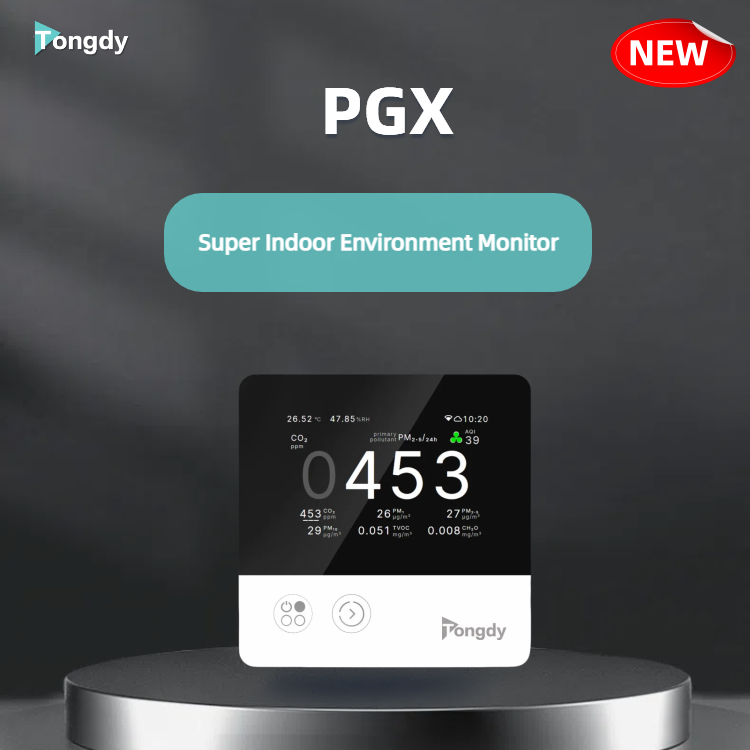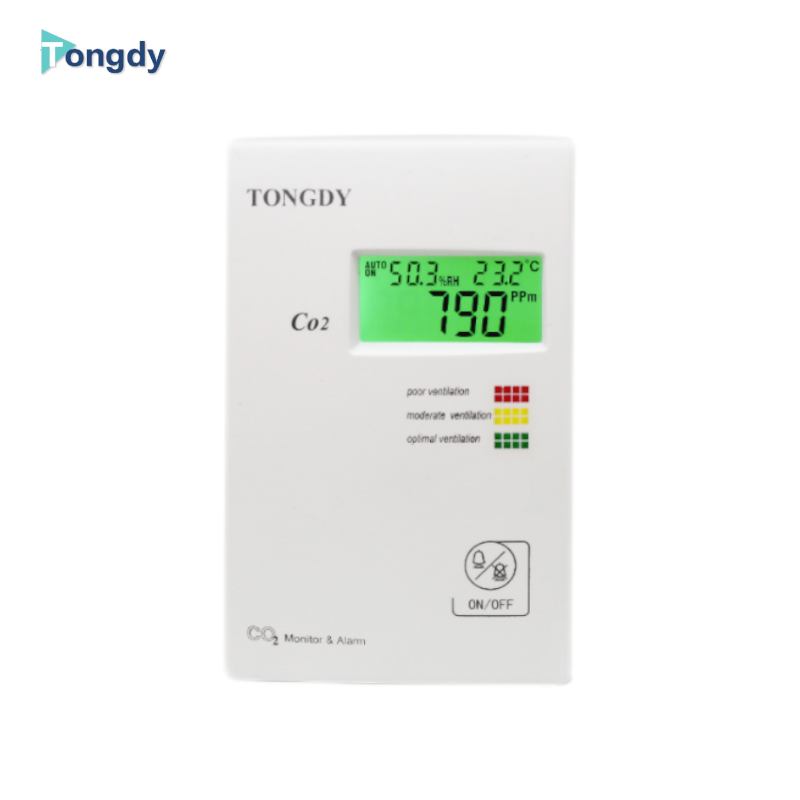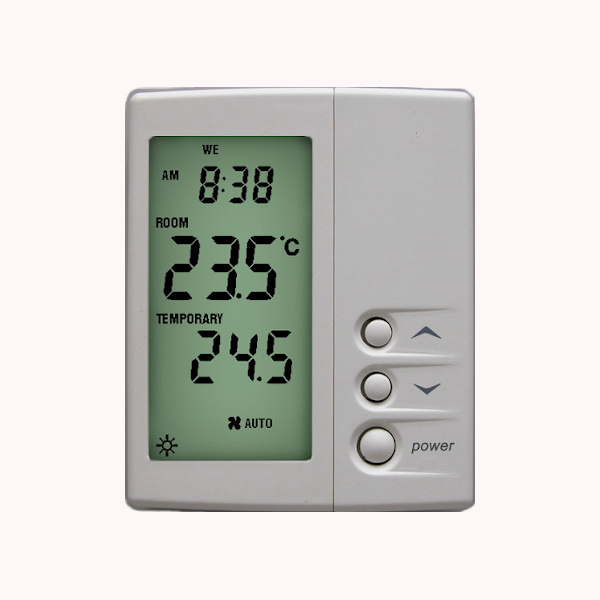

Featured Ventilation System Sensing Products
Explore our flagship temperature and humidity transmitters engineered specifically for duct measurement, air handling unit (AHU) automation, and continuous indoor environment optimization.
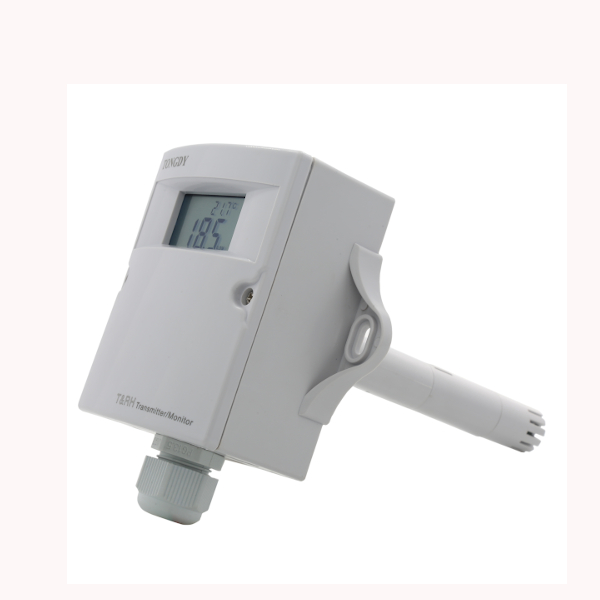
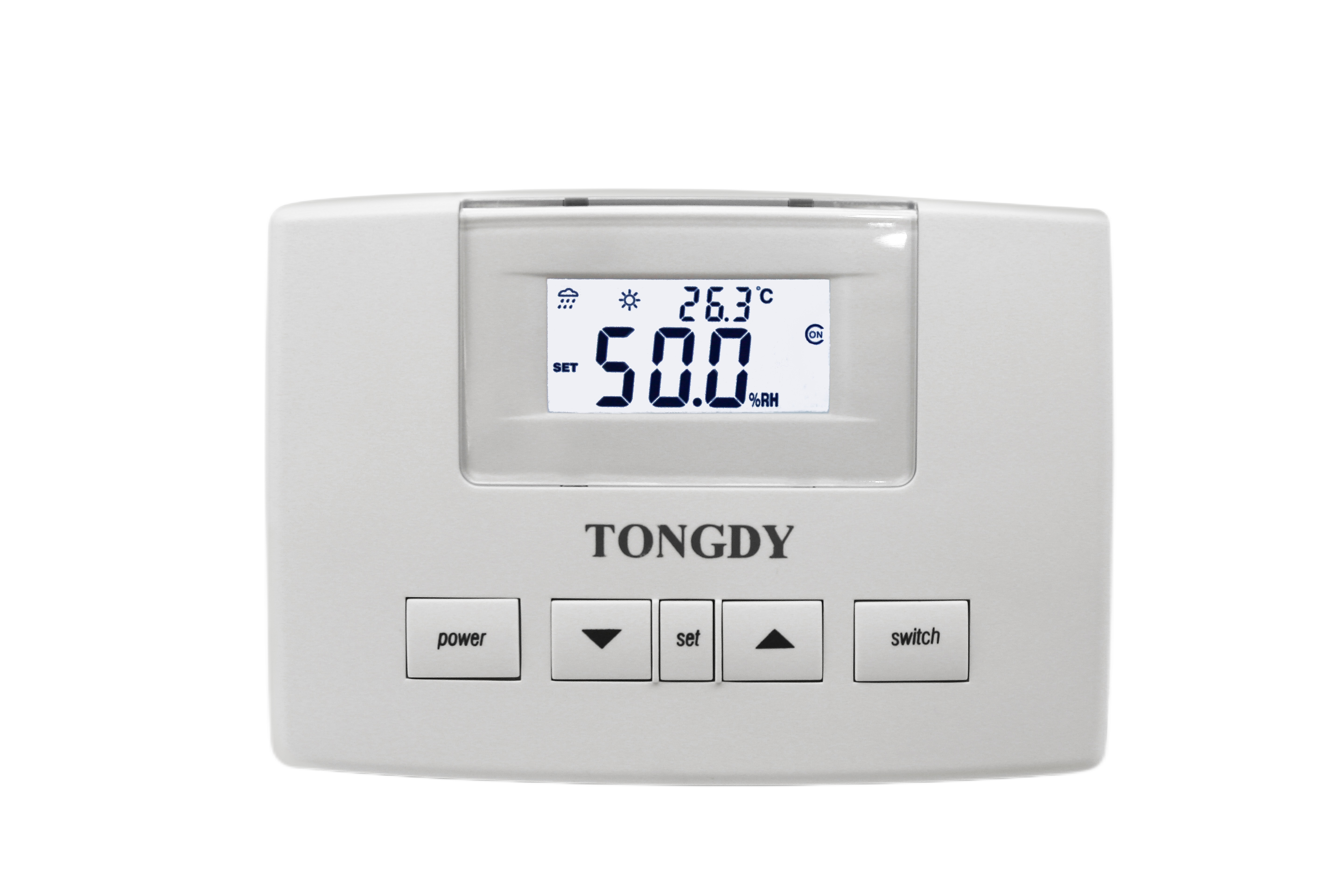
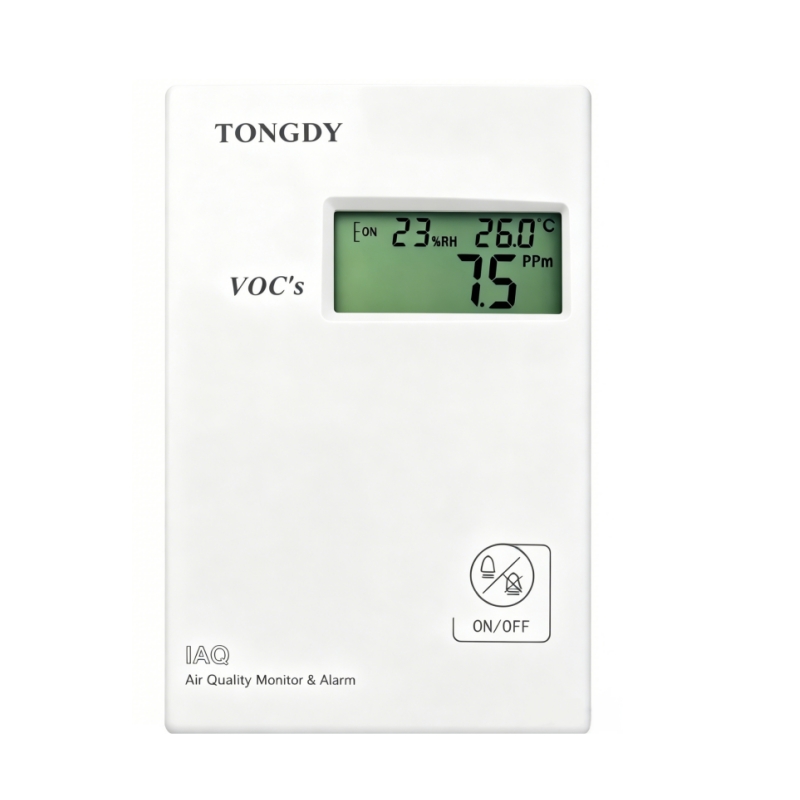
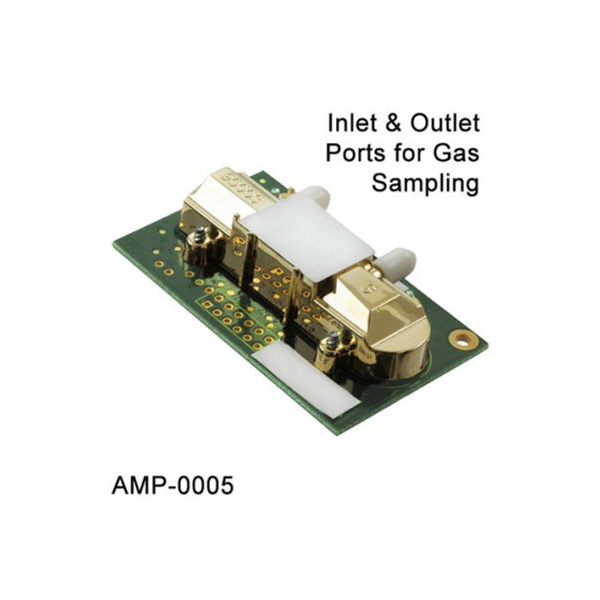
Precision Measurement in Modern Ventilation Architecture
In contemporary architectural design and modern facility management, ventilation systems have evolved from simple air movement loops into highly sophisticated environmental management systems. At the very core of these advanced HVAC (Heating, Ventilation, and Air Conditioning) setups is the Temperature Humidity Transmitter For Ventilation System Measurement. Accurate real-time tracking of thermal comfort and moisture dynamic levels inside ventilation ducts and supply air pathways directly determines occupant health, operational productivity, and enterprise energy compliance.
Key Takeaway for Facility Engineers & HVAC OEMs
Integrating high-precision duct-mounted and ambient temperature-humidity transmitters guarantees that Demand-Controlled Ventilation (DCV) networks respond dynamically to thermal variations, preventing structural moisture damage, mold growth, and unnecessary compressor overhead.
Energy Optimization
Dynamic ventilation adjustment based on precise psychrometric data drastically lowers HVAC electricity consumption.
Building Protection
Continuous relative humidity monitoring inhibits toxic mold cultivation, structural rot, and equipment corrosion.
WELL & LEED Alignment
Meets stringent international indoor thermal and environmental standards for green building certifications.
Commercial & Industrial Landscape of Ventilation Sensing
The commercial building sector is experiencing an unprecedented shift toward automated operational intelligence. Global decarbonization targets and strict energy codes (such as ASHRAE Standard 62.1 and 55) require commercial facilities—ranging from mega shopping centers to multi-story office towers—to minimize energy waste while maximizing fresh air supply.
Without robust temperature humidity transmitters for ventilation system measurement, Air Handling Units (AHUs) often operate on static runtime schedules. This leads to severe operational inefficiencies: over-cooling humid air, excessive dehumidification, or insufficient moisture management during seasonal transitions. In industrial settings such as pharmaceutical processing, semiconductor manufacturing, food packaging, and cold-chain logistics, minor fluctuations in duct humidity or temperature can result in entire batch losses and millions of dollars in downtime.
- Commercial Real Estate: Maintains human thermal comfort zones (20°C to 24°C, 40% to 60% RH) to boost tenant satisfaction and workplace cognitive performance.
- Healthcare & Hospitals: Prevents airborne pathogen survival rates through rigorous humidity band regulation in isolation wards and operating theaters.
- Industrial Cleanrooms: Eliminates static discharge risks and humidity-induced chemical instability during ultra-precise production workflows.
Technological Advances & Future Industry Trends
The ventilation measurement industry is undergoing a digital transformation. Traditional analog temperature probes are rapidly being superseded by smart, IoT-enabled multi-sensor transmitters featuring digital signal communication, automated drift compensation, and robust sensor casing designs.
1. Dynamic Calibration & Long-Term Stability
Historically, capacitive relative humidity sensors suffered from signal drift caused by persistent moisture exposure or chemical contaminants within air ducts. Modern high-grade transmitters incorporate digital CMOS-based capacitive humidity elements paired with proprietary mathematical calibration algorithms. This ensures extended sensor lifespan, operational accuracy (±2% RH / ±0.3°C), and drastically reduced routine maintenance cycles.
2. Smart Building Protocol Integration (BMS Native)
Modern ventilation architectures rely heavily on seamless protocol communication. Leading temperature humidity transmitters offer dual output flexibility—combining standard 4-20mA / 0-10V analog signals with digital RS485 interfaces running Modbus RTU or BACnet MS/TP protocols. This capability allows facility engineers to integrate sensor arrays straight into centralized Building Management Systems (BMS) for real-time telemetry analytics.
3. AI-Driven Predictive Maintenance in HVAC Control Loops
As artificial intelligence enters the building automation landscape, data collected by duct temperature humidity transmitters feeds predictive control algorithms. By analyzing historical thermal inertia and real-time ventilation dynamics, the AI can proactively adjust VAV (Variable Air Volume) dampers and chiller loads prior to peak occupant load spikes, achieving up to 30% total energy savings.
In-Depth Application Analysis for Ventilation Systems
Deploying a temperature humidity transmitter for ventilation system measurement requires strategic consideration of the physical deployment node, fluid dynamic velocity, and environmental exposure conditions within the ductwork network.
Return & Exhaust Air Ducts
Measuring the combined return air from multiple building zones provides a comprehensive average reading of internal thermal loads. Transmitters placed in return ducts enable the BMS system to dynamically balance re-circulated air against outdoor intake fresh air.
Fresh Air Supply Chambers
Positioned right at the outdoor air intake, these transmitters monitor incoming humidity and enthalpy levels. This allows pre-treatment heating/cooling coils to activate prior to duct distribution, protecting internal spaces from extreme weather shock.
Data Centers & High-Density Server Rooms
Data halls require absolute relative humidity control to prevent electrostatic discharge (ESD) caused by dry air or condensation risks caused by high humidity. Precise duct measurement prevents server rack corrosion and power supply failures.
Specialized Cleanrooms & Laboratories
Cleanroom HVAC systems maintain high air change rates per hour. Transmitters installed in these ducts feature IP65-rated probe enclosures and rapid response times to guarantee strict compliance with pharmaceutical standards.
About Us
Tongdy Sensing Technology Corporation
Help you build and maintain a healthy indoor environment
Our work makes a difference in helping you make the healthy indoor air quality. As one of the earliest companies in China engaged in air quality monitoring products, Tongdy has been always focusing on its strong technology development and design capabilities on the indoor air quality monitors.
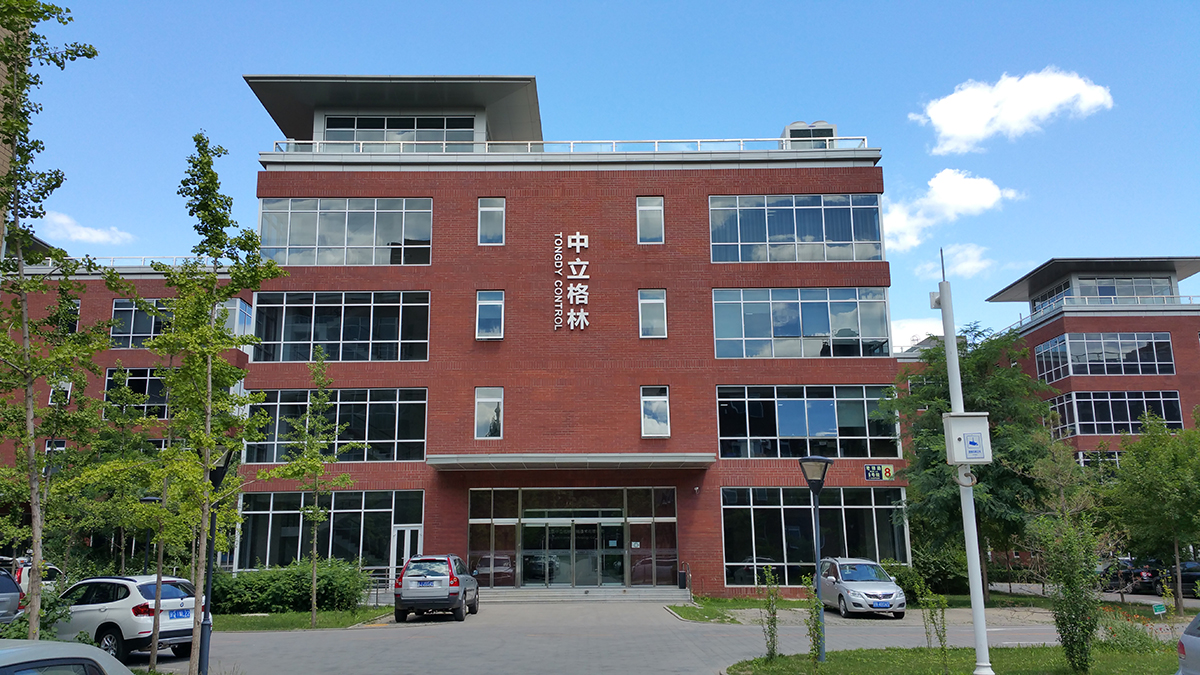
About Tongdy
Focus on air quality detection and control over 15 years
Our Purpose
We foster research and development on obtaining accurate air quality data, help you well understand and improve the air you breathe by quantitative assessment and data analysis.
For pursuing our ultimate purpose of creating healthy indoor air quality, we’re committed to obtain real and accurate data and cultivating the next generation of innovators in technology and engineering.
Social Responsibility
Tongdy actively develops air quality monitors and is devoted in healthy indoor air quality, and strive to become an excellent enterprise model.
As a corporate citizen, Tongdy has contributed to public welfare undertakings such as cooperate with public benefit corporation, like WELL- the world’s leading organization focused on deploying people first places to advance a global culture of health, especially exploring the impact of indoor air quality to people’s health based on The WELL Building Standard™.
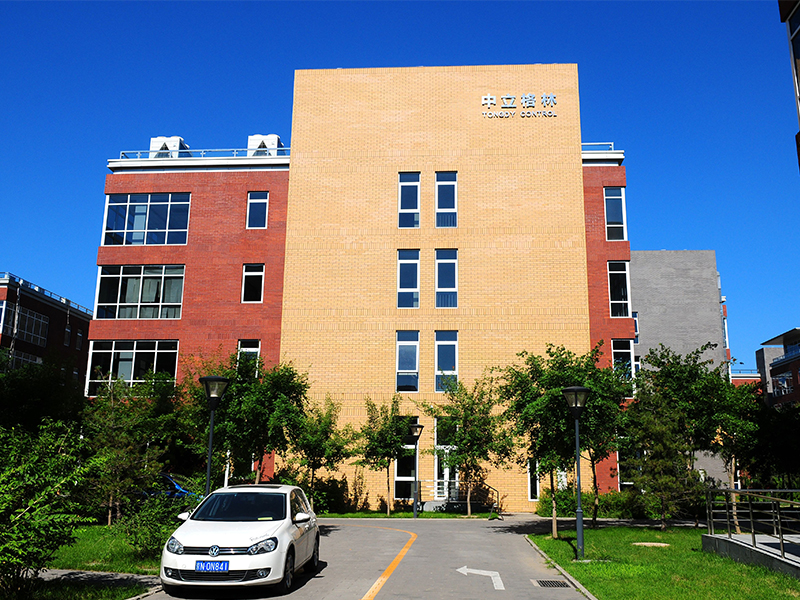
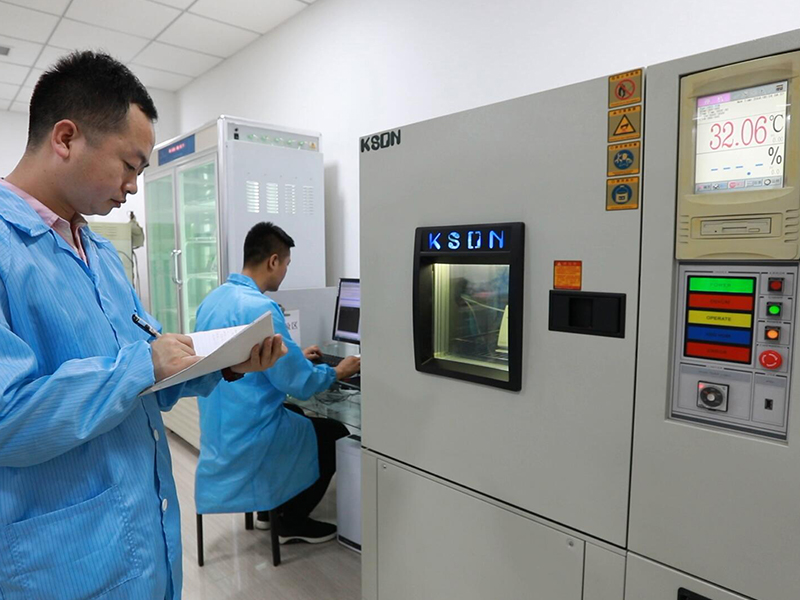
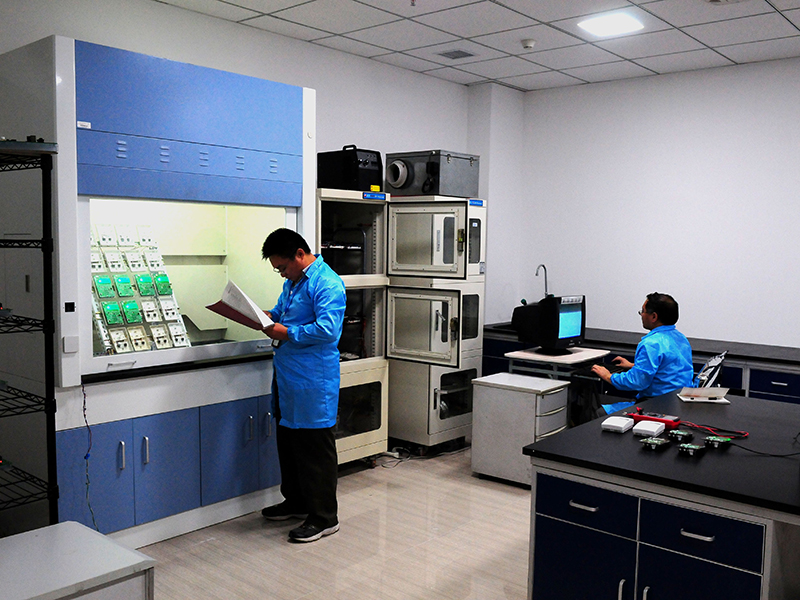
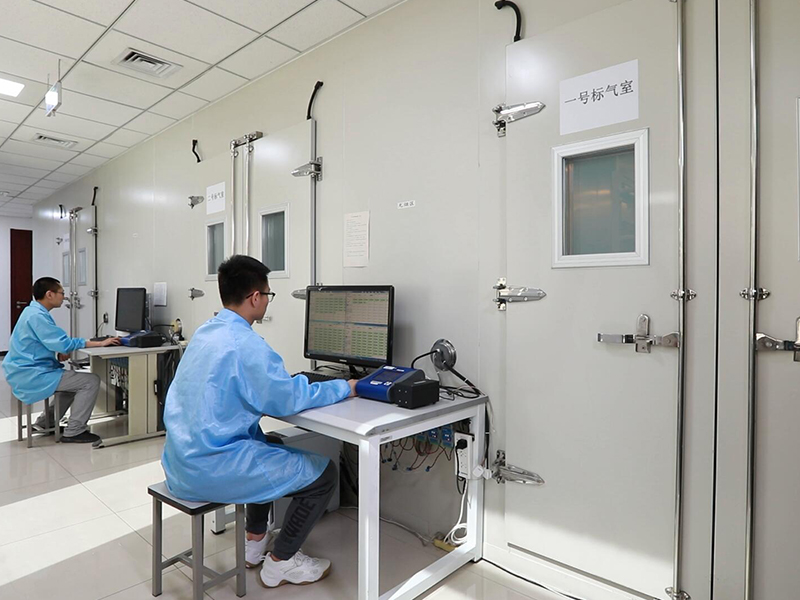

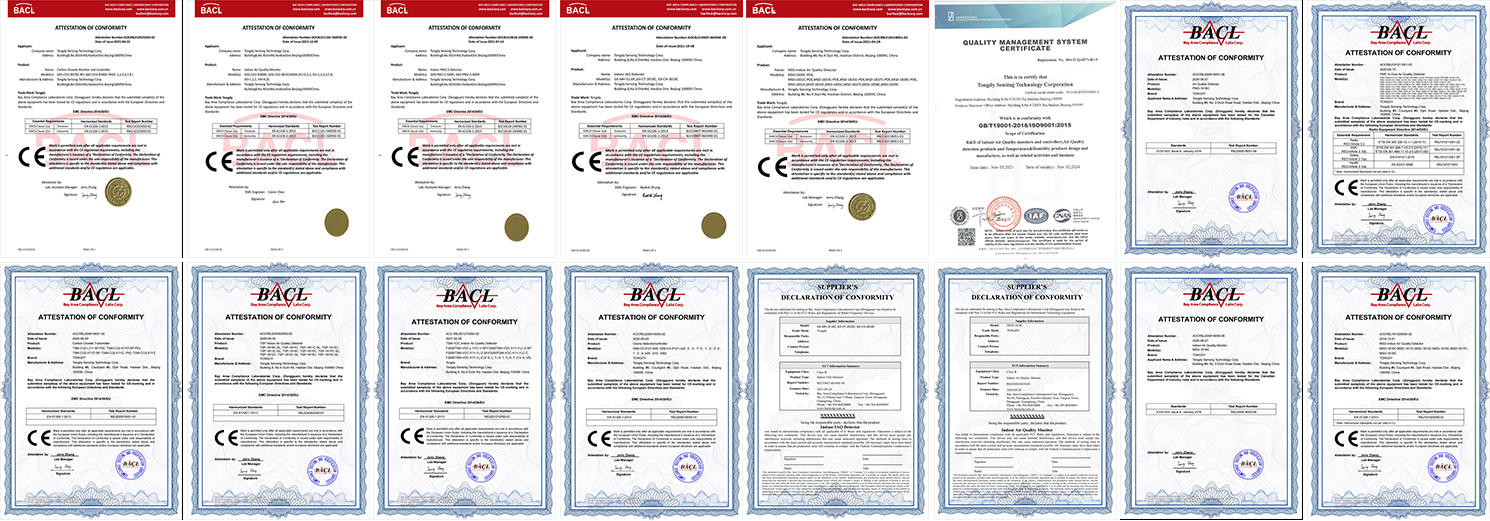
Certificates and Honor
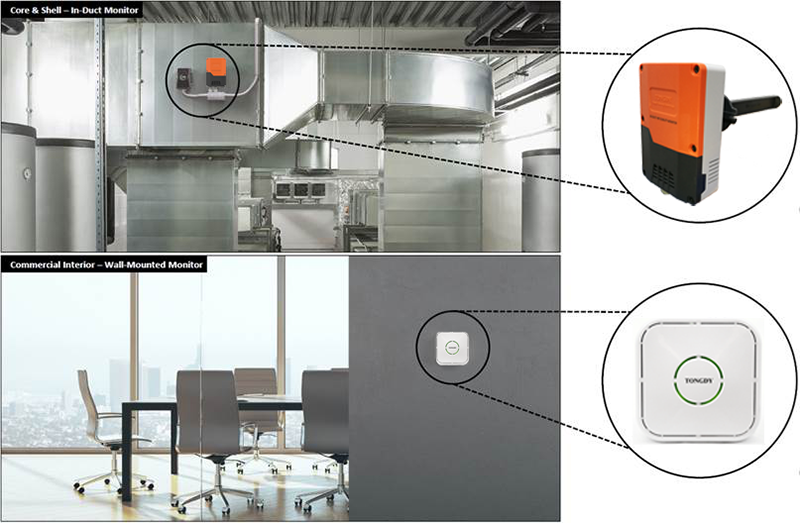
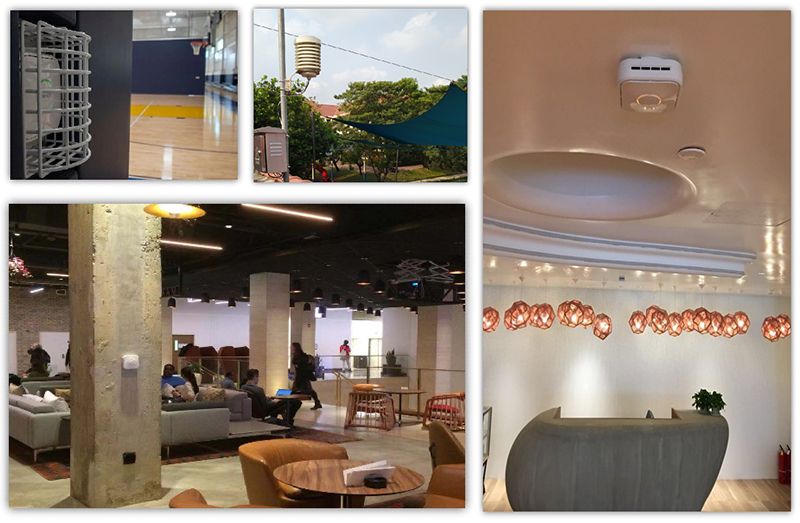
Our Values
Exclusive innovative calibration algorithm
Proprietary technology, the effective calibration method to support higher data accuracy in different environment.
Unique professional multi-sensor module
Special multi-sensor module with the sealed cast aluminum structure and up to six sensors inside.
Continuous R&D investment and quality control
Tongdy-owned, and huge investment in research and development to ensure the product reliability and innovation.
Real-time data monitoring & historical analysis
“MyTongdy” Platform will help you reading and analyzing data of your air quality on PC or mobile APP.
The expert of indoor air quality data
Over 15 years experience for indoor air quality, Tongdy provides commercial accurate data and help you to make data-driven decisions that foster health-centered indoor environments.
Why Tongdy
20+ Years of Expertise in IAQ & HVAC Solutions
Trusted by clients for high-quality products and professional service, fully compliant with Green Building standards.
100+ Monitoring and Control Products
Over 100 commercial-grade monitors and controllers, including CO2, single-gas, and multi-sensor solutions for HVAC, BMS, and green building applications.
Reliable and Accurate Data
Providing smart building managers with actionable, real-time data to make informed decisions.
Tailored to Your Specific Needs
Flexible hardware, professional expertise and fast delivery enable cost-effective, customized gas detection and control solutions.
Complete Environmental Sensing Product Line
Browse our complete range of certified sensors, monitors, and controllers designed for integrated ventilation system measurement and intelligent building automation.