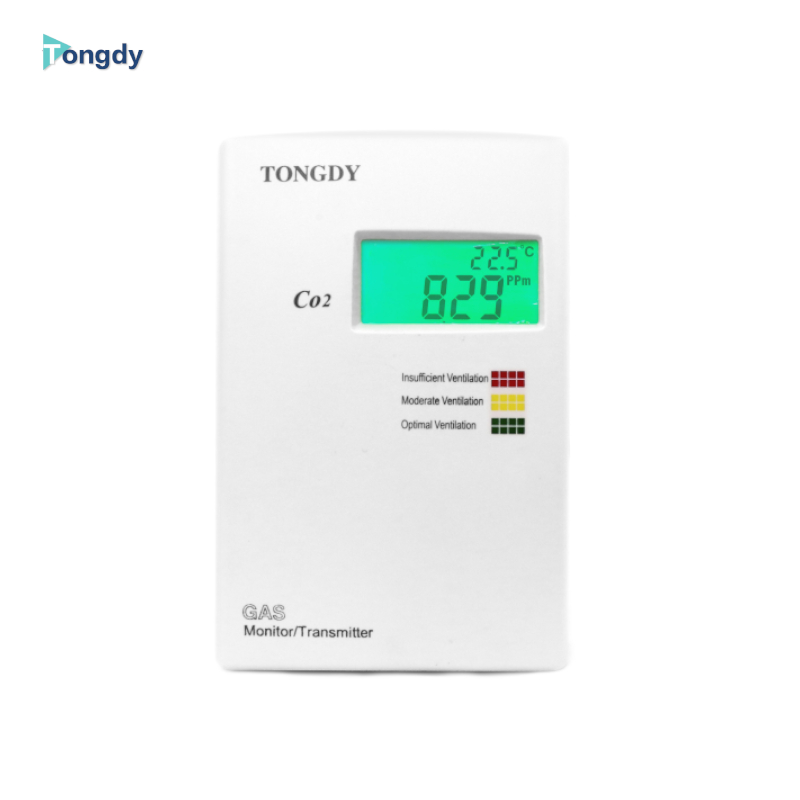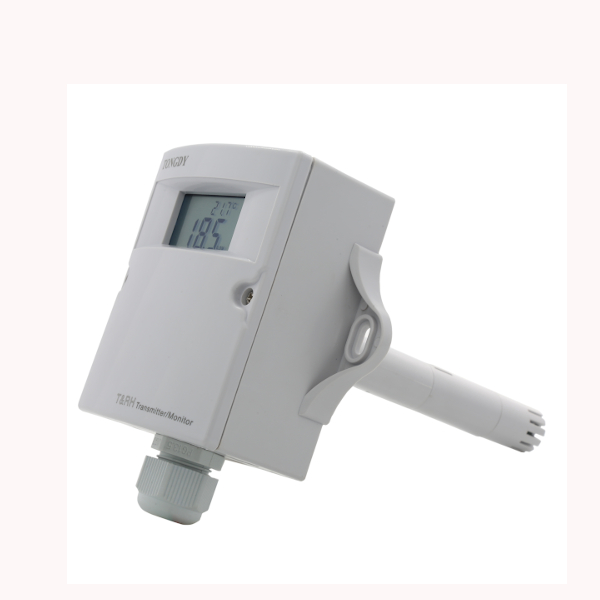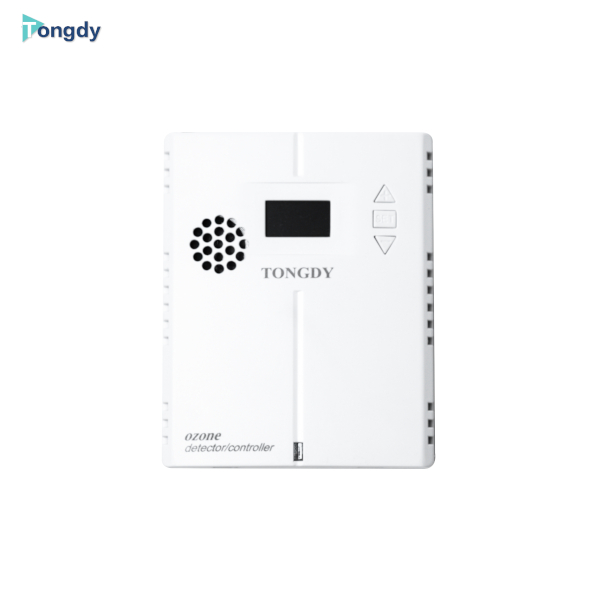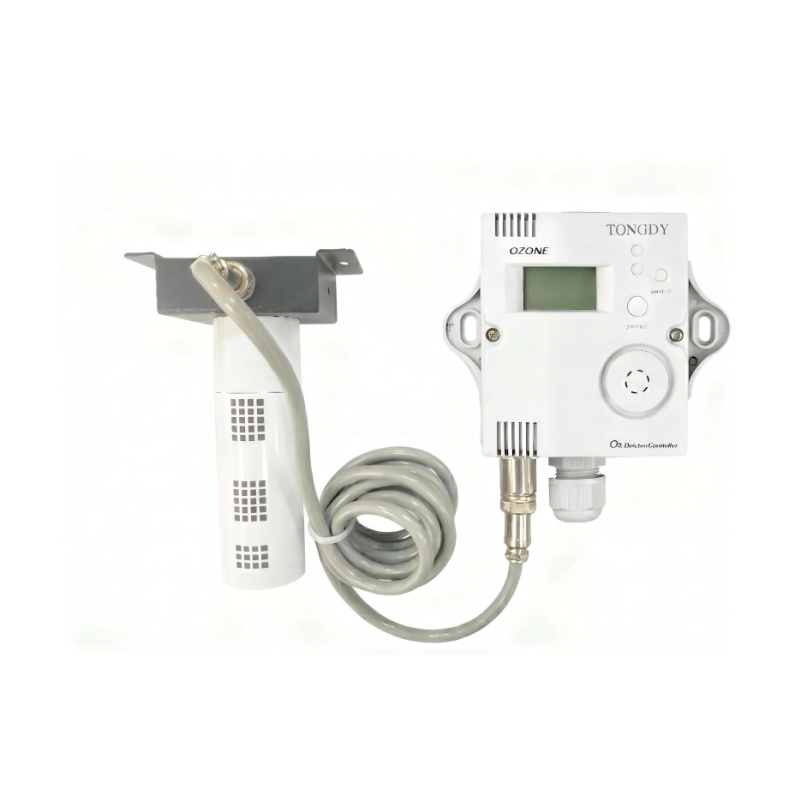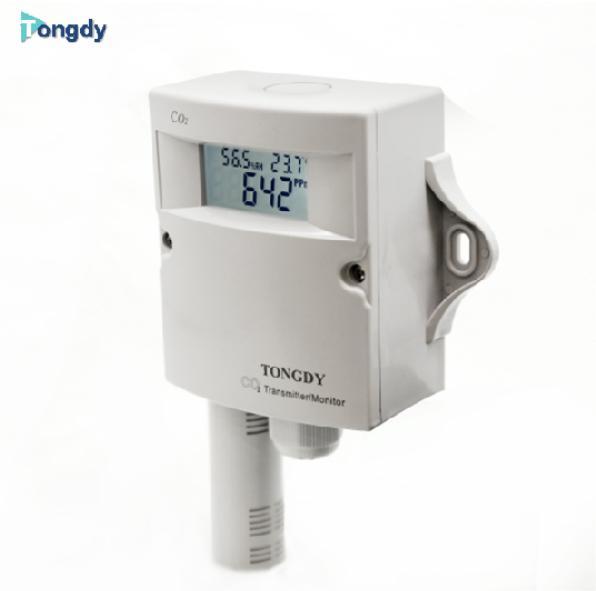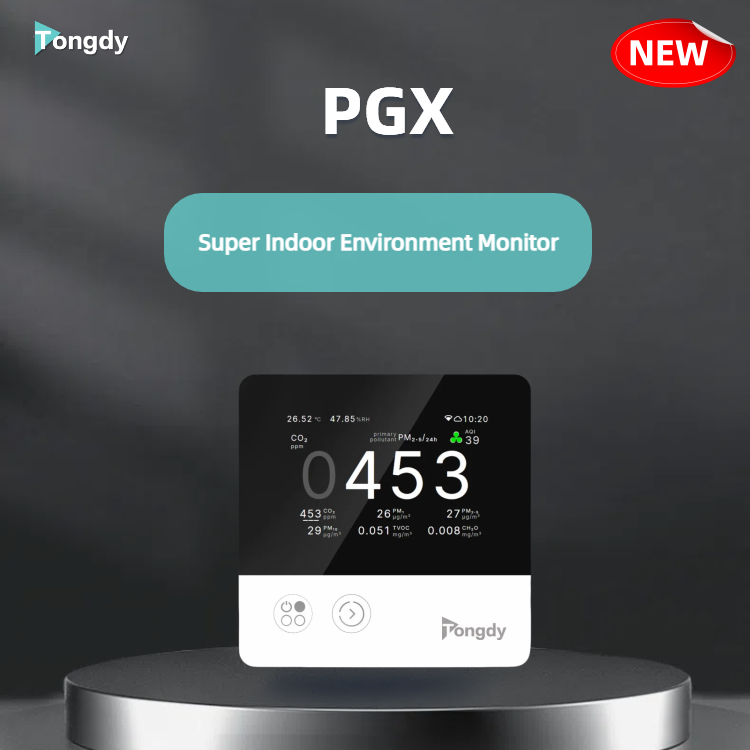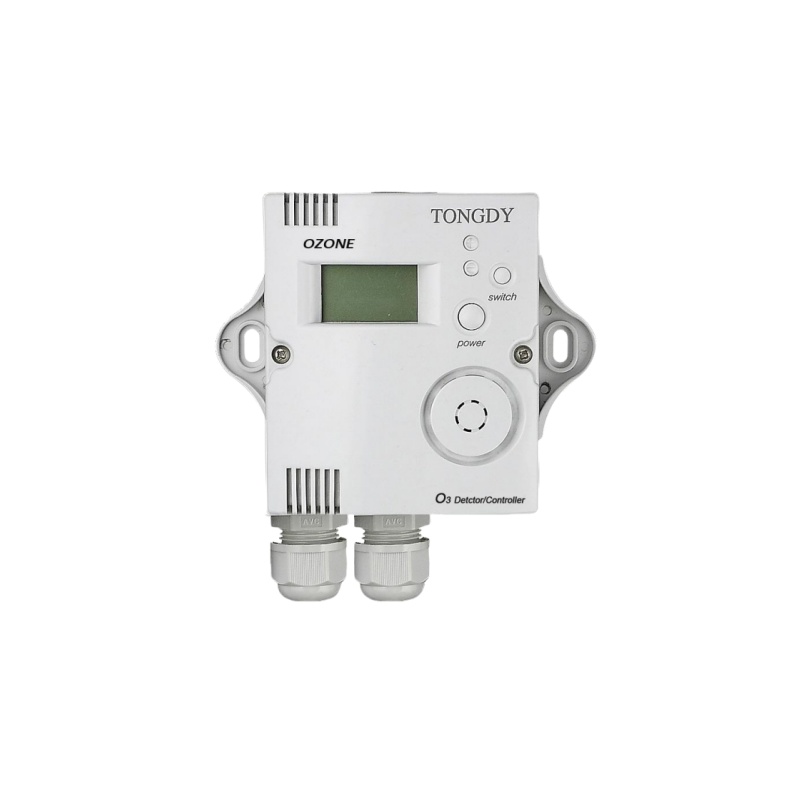

Core Pollutant & Climate Monitoring Controllers
Commercial-grade sensors and active controllers engineered for continuous indoor contaminant profiling, thermal management, and automated ventilation triggering.
The Interdependent Synergy: Temperature, Humidity, and Indoor Contaminants
Indoor air quality (IAQ) is never a static measurement of isolated airborne molecules. It is an interdependent thermodynamic system where ambient thermal energy and water vapor vapor pressure dynamically dictate pollutant release kinetics, chemical degradation, and suspension behaviors.
VOC & Formaldehyde Outgassing Kinetics
Elevated indoor temperatures dramatically accelerate the vapor pressure and desorption velocity of volatile organic compounds (VOCs) and formaldehyde (HCHO) from composite building materials, synthetic textiles, adhesives, and coatings. According to modified Arrhenius and mass-transfer models, every 5°C increase in ambient temperature can boost formaldehyde emission rates by upwards of 30% to 50%. A dedicated temperature and humidity controller anticipates these thermodynamic release spikes, preemptively engaging fresh air purge cycles before gas concentrations breach occupational safety thresholds.
Particulate Aerodynamics & Hygroscopic Growth
Relative humidity (RH) directly alters the aerodynamic equivalent diameter of airborne particulate matter (PM1.0, PM2.5, and PM10). In environments where relative humidity surges past 65-70%, hygroscopic salts and organic nuclei absorb moisture, rapidly enlarging in mass and altering their settling velocities and pulmonary penetrability. Conversely, extremely dry environments (<30% RH) foster particulate resuspension through electrostatic charges. Precision thermo-hygrometric control preserves particle density within predictable operational parameters, optimizing mechanical filtration and electrostatic precipitator efficiency.
Biological Aerosols, Spores & Pathogen Viability
The biological stability of pathogens and fungal proliferation is strictly bounded by the ambient psychrometric envelope. When relative humidity exceeds 60%, conditions become prime for Aspergillus, Stachybotrys, and mold spore reproduction inside air distribution ducts and envelope interstitial spaces. Conversely, at low humidity (<40% RH), respiratory droplet nuclei evaporate instantaneously, leaving desiccated viral cores (such as influenza and coronaviruses) hovering suspended for hours. Maintaining an optimal 40%-60% RH bandwidth drastically reduces biological toxicity.
Evolving from Static Thermostats to Unified IAQ Computing Hubs
For decades, commercial HVAC engineering managed thermal comfort and indoor air quality through completely separated, compartmentalized systems. Simple thermostats handled temperature based on raw thermal feedback, while dedicated gas sensors operated merely as standalone local alarms. This obsolete bifurcation generates immense operational inefficiencies, excessive energy waste via over-ventilation, and blind spots where dangerous pollutant accumulation goes entirely uncorrected due to unmonitored humidity microclimates.
In today's modern commercial real estate, corporate headquarters, semiconductor cleanrooms, and medical environments, international green building rating systems such as WELL v2 Standard™, LEED v4.1, and RESET Air enforce rigorous, empirical indoor environmental performance criteria. These frameworks stipulate continuous, verified tracking of temperature, relative humidity, carbon dioxide (CO2), total volatile organic compounds (TVOCs), particulate matter (PM2.5/PM10), carbon monoxide (CO), and ozone (O3).
Consequently, the temperature and humidity controller has evolved into an essential sensing and automation nexus. By consolidating thermal-hygrometric monitoring with multi-gas electrochemical and NDIR optical measurement channels, modern controllers execute Demand-Controlled Ventilation (DCV), modulated heat exchange, and targeted chemical air scrubbing based on real-time data science rather than static schedules.
Mission-Critical Deployment Environments
Analyzing how integrated temperature, humidity, and pollutant control architectures prevent catastrophic material contamination, safeguard human cognitive performance, and enforce hazardous gas safety.
1. High-Density Grade-A Smart Corporate Facilities
In dense commercial open-plan offices and corporate conference suites, metabolic carbon dioxide (CO2) accumulation occurs concurrently with occupant moisture release and skin-flake particulate emissions. When CO2 concentrations exceed 1,000 ppm combined with relative humidity over 60%, human cognitive decision-making scores plummet by over 15%, while feelings of lethargy and "Sick Building Syndrome" (SBS) surge. Integrated controllers regulate variable air volume (VAV) dampers based on compound CO2/Temp/RH indexing, ensuring optimal brain oxygenation and occupant thermal comfort while curtailing after-hours HVAC energy consumption by up to 35%.
2. Semiconductor Cleanrooms & Microelectronics Fabrication
Photolithography and microchip assembly require stringent sub-nanometer defect control. In these cleanroom settings, unintended relative humidity spikes trigger rapid airborne molecular contamination (AMC) outgassing, corrosive acidic salt deposition on silicon wafers, and electrostatic charge build-ups that attract ultrafine sub-micron particles. Precision duct and wall-mounted controllers maintain ultra-tight humidity thresholds (±1.5% RH) and continuous monitoring of ozone and organic contaminants to safeguard multi-million-dollar wafer yields.
3. Healthcare Facilities, Surgical Suites & Isolation Units
Hospital-acquired infections (HAIs) present severe clinical risks. In operating rooms and negative-pressure isolation wards, humidity levels must be rigidly stabilized between 45% and 55% to minimize pathogen longevity, optimize biological filter performance, and prevent surgical wound tissue dehydration. Controllers interfaced with anesthetic waste gas monitoring, ozone scrubbers, and particulate detectors ensure that high-efficiency particulate air (HEPA) recirculators and UVGI sterilization systems engage synchronously without destabilizing room pressurization.
4. Underground Garages, Tunnels & Confined Commercial Hubs
Enclosed transport logistics hubs and subterranean commercial parking complexes suffer from lethal combustion byproducts, specifically carbon monoxide (CO) and nitrogen dioxide (NO2), coupled with dense vehicular heat and trapped exhaust humidity. Dedicated multi-sensor controllers with split-type probes eliminate condensation blindness on electrochemical sensing surfaces, triggering multi-stage jet exhaust fans precisely when toxic gas thresholds or humidity levels breach safety margins, avoiding costly 24/7 continuous fan operation.
5. Cultural Heritage Archives, Museums & Rare Book Libraries
Cellulose-based manuscripts, oil paintings, and historic parchment are exceedingly vulnerable to microclimatic fluctuations and atmospheric pollutants. Slight shifts in relative humidity cause hygro-mechanical stress, swelling, and cracking, while trace levels of indoor ozone (O3), sulfur dioxide, and organic acids trigger irreversible photochemical oxidation. Dual-loop controllers cross-analyze microclimate stability alongside real-time gas monitoring to orchestrate active chemical filtration and desiccative dehumidification.
6. Controlled Environment Agriculture & Vertical Farming Facilities
In high-yield vertical farming, crop transpiration generates microclimates characterized by saturation-level humidity and elevated CO2 consumption. Without hyper-localized temperature and humidity controllers integrated with CO2 enrichment dosing valves, fungal pathogens such as Botrytis cinerea decimate crops, while stomatal conductance stalls. Smart controllers harmonize vapor pressure deficit (VPD) with accurate carbon replenishment to maximize photosynthesis and biosecurity.

Eliminating Cross-Sensitivity & Environmental Drift
The primary technical failure mode in standard commercial pollutant detection is environmental cross-sensitivity. Electrochemical gas sensors (measuring O3, CO, TVOC) and Non-Dispersive Infrared (NDIR) optical sensors (measuring CO2) are inherently sensitive to ambient thermodynamic shifts. A rapid 10°C ambient temperature rise or a 30% jump in humidity alters gas diffusion coefficients across sensor membranes, shifts electrochemical baseline zero-currents, and causes optical infrared absorption curve distortion.
To conquer this engineering barrier, next-generation controllers integrate proprietary digital compensation algorithms directly at the hardware edge. By housing temperature and humidity sensing elements immediately adjacent to the pollutant detection chambers—or within thermally isolated, cast-aluminum structural enclosures—the controller applies real-time polynomial matrix calibration to dynamically subtract temperature and humidity interference from raw gas measurements.
Coupled with multi-point automated baseline calibration (ABC) algorithms and industrial fieldbus communications (Modbus RS-485, BACnet MS/TP, and wireless IoT protocols), these intelligent transmitters ensure uncompromised data fidelity over years of continuous maintenance-free field operation.
Technological Trajectories Shaping Indoor Environmental Intelligence
As artificial intelligence, cloud computing, and green building directives converge, the functional mandate of environmental controllers is expanding rapidly into autonomous building optimization.
AI Predictive Pre-Cooling & Pre-Ventilation
Rather than responding reactively after pollutant levels breach thresholds, machine learning models running on BMS edge gateways synthesize historical indoor occupancy schedules, weather forecasts, and outdoor pollutant plumes. Controllers dynamically execute predictive pre-ventilation and enthalpy-based air flushing during off-peak electrical tariff windows, lowering carbon emissions while preserving pristine air quality.
Cloud-Synchronized Digital Twins & Fleets
Centralized cloud dashboards—such as the proprietary MyTongdy platform—enable facility managers to construct spatial digital twins of entire real estate portfolios. Enterprise platforms cross-reference thermohygrometric and pollutant trends across thousands of sensors simultaneously, isolating duct degradation, filter saturation, and zone damper mechanical failures instantaneously.
Autonomous In-Situ Self-Calibration
Manual field calibration of hundreds of distributed wall and duct sensors is economically prohibitive. Tomorrow's controllers incorporate advanced multi-source referencing and optical zero-drift self-verification. By leveraging ambient equilibrium periods (e.g., night-time zero-occupancy baseline conditions), sensors recalibrate themselves autonomously, ensuring continuous compliance with rigorous WELL Building audits.
About Tongdy Sensing Technology Corporation
Help you build and maintain a healthy indoor environment through quantitative environmental intelligence and dedicated sensing excellence.
Focus on Air Quality Detection and Control Over 15 Years
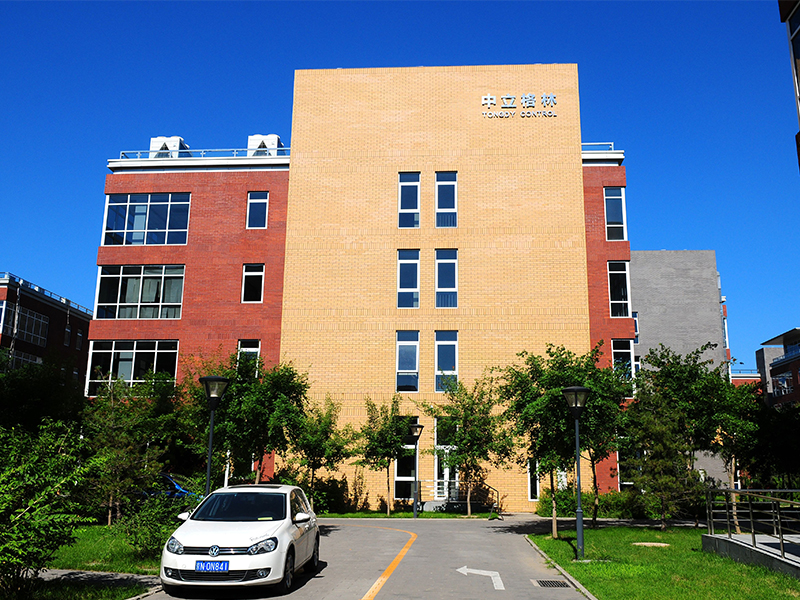
Our work makes a difference in helping you make the healthy indoor air quality. As one of the earliest companies in China engaged in air quality monitoring products, Tongdy has been always focusing on its strong technology development and design capabilities on the indoor air quality monitors.
Our Purpose: We foster research and development on obtaining accurate air quality data, help you well understand and improve the air you breathe by quantitative assessment and data analysis. For pursuing our ultimate purpose of creating healthy indoor air quality, we’re committed to obtain real and accurate data and cultivating the next generation of innovators in technology and engineering.
Social Responsibility: Tongdy actively develops air quality monitors and is devoted in healthy indoor air quality, and strive to become an excellent enterprise model. As a corporate citizen, Tongdy has contributed to public welfare undertakings such as cooperate with public benefit corporation, like WELL- the world’s leading organization focused on deploying people-first places to advance a global culture of health, especially exploring the impact of indoor air quality to people’s health based on The WELL Building Standard™.
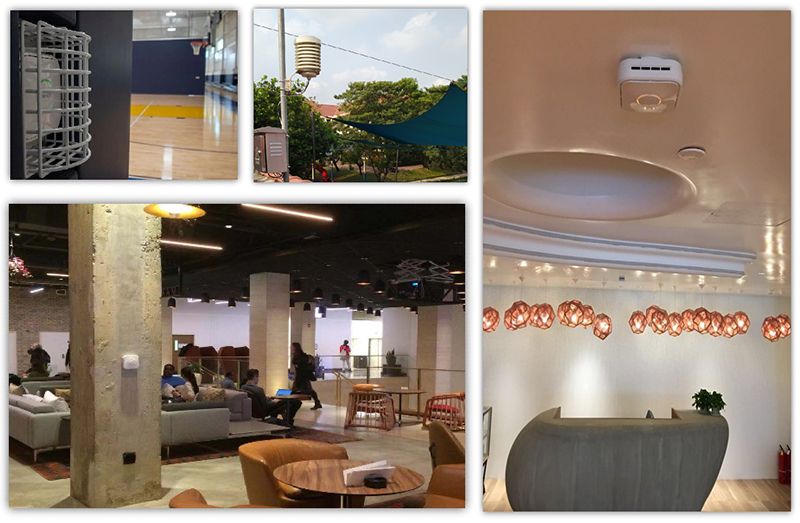
Our Core Values & Engineering Benchmarks
Delivering commercial-grade precision through proprietary calibration mathematics, sealed structural integrity, and holistic data analytics ecosystems.
Exclusive Innovative Calibration Algorithm
Proprietary technology, the effective calibration method to support higher data accuracy in different environment. Compensates dynamically for thermal variations, barometric fluctuations, and relative humidity gradients.
Unique Professional Multi-Sensor Module
Special multi-sensor module with the sealed cast aluminum structure and up to six sensors inside. Protects sensitive sensing surfaces from electrical noise, particulate ingress, and moisture deterioration.
Continuous R&D Investment & Quality Control
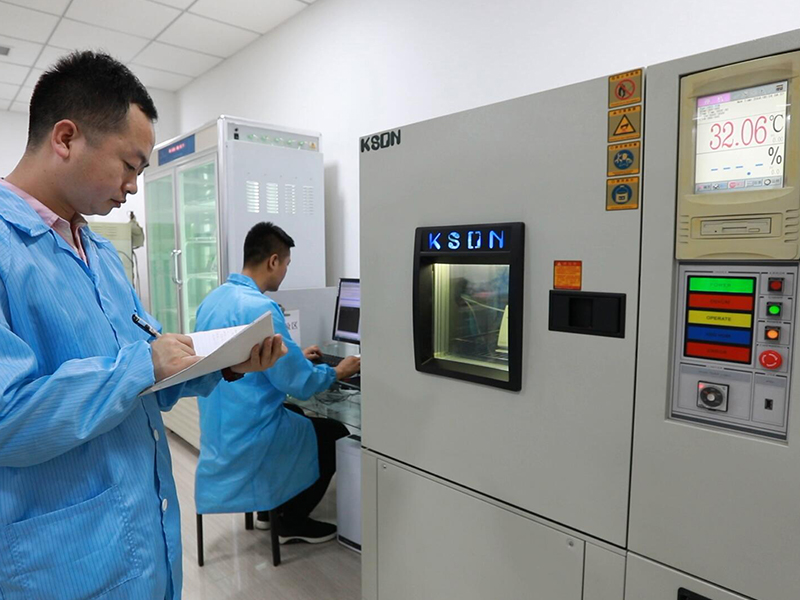
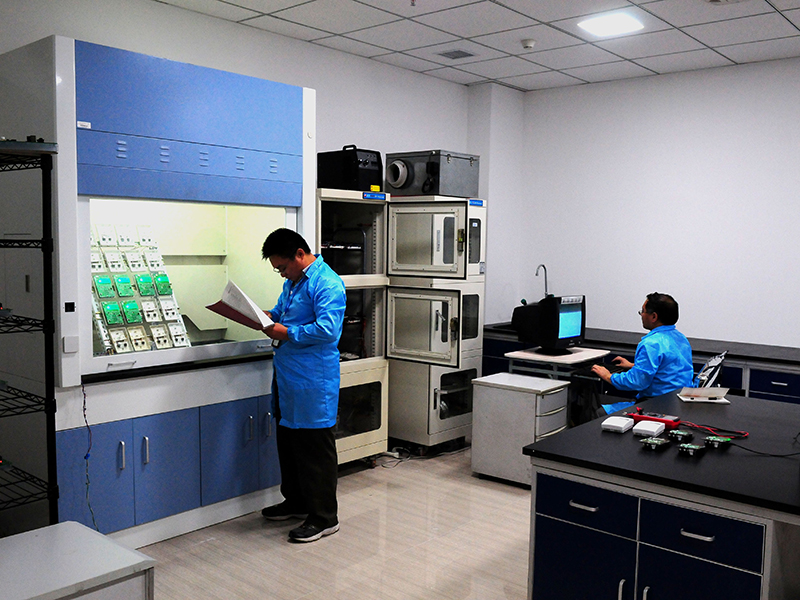
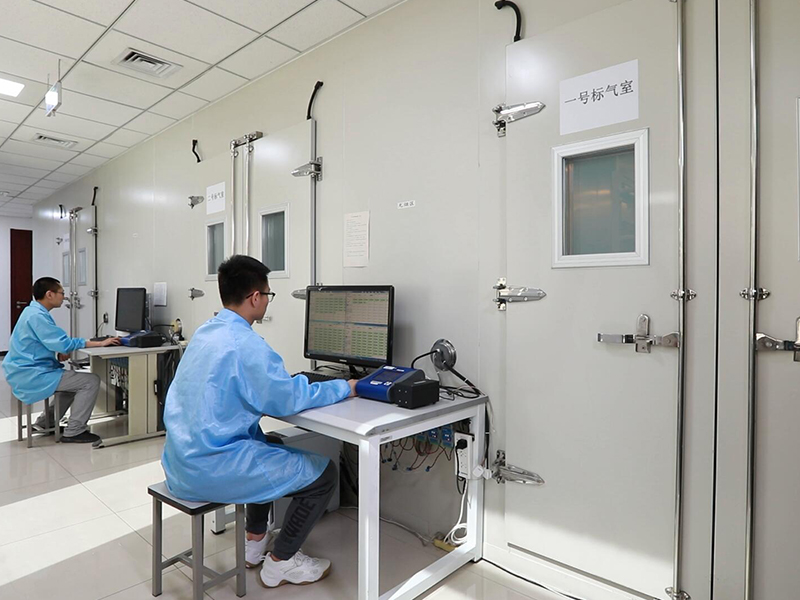
Tongdy-owned, and huge investment in research and development to ensure the product reliability and innovation. Every batch undergoes rigorous stability testing in customized environmental chambers.
Real-Time Monitoring & Historical Data Analytics
"MyTongdy" Platform will help you reading and analyzing data of your air quality on PC or mobile APP. Optimize HVAC operational cycles, generate regulatory compliance reports, and uncover microclimatic anomalies.
The Expert of Indoor Air Quality Data
Over 15 years experience for indoor air quality, Tongdy provides commercial accurate data and help you to make data-driven decisions that foster health-centered indoor environments.
Tailored Hardware & Flexible Customization
Flexible hardware, professional expertise and fast delivery enable cost-effective, customized gas detection and control solutions perfectly matched to unique project blueprints.
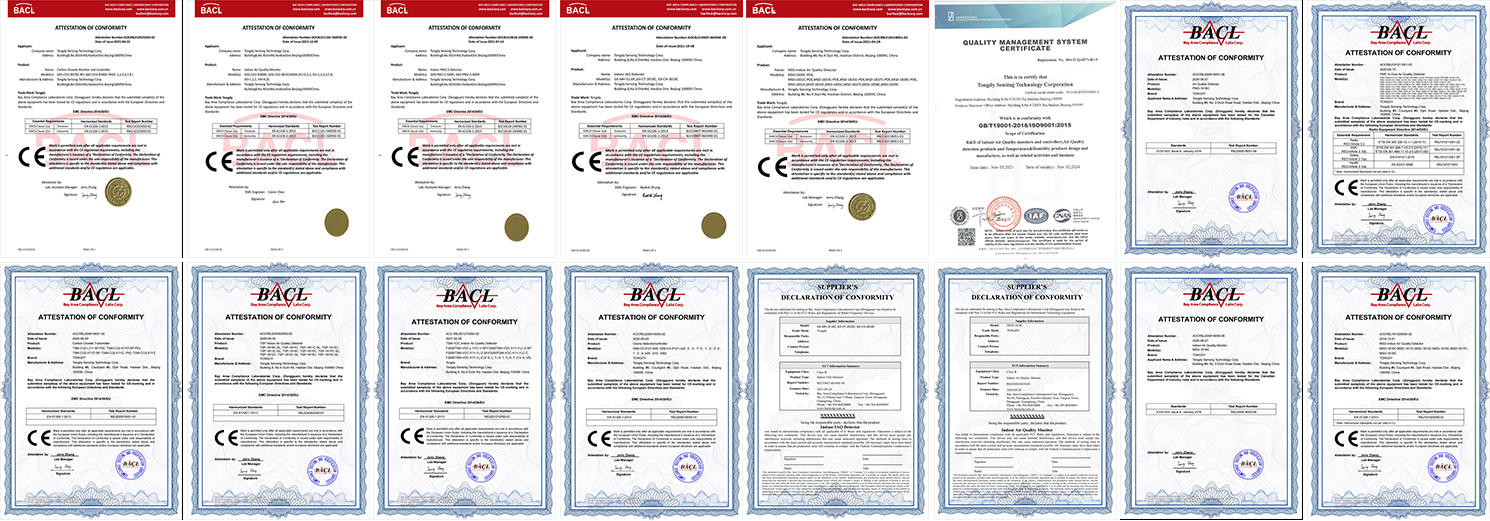
Certificates and Honor
Internationally recognized calibration certifications, CE/FCC approvals, and RoHS compliance verifying unmatched measurement repeatability and electrical robustness.
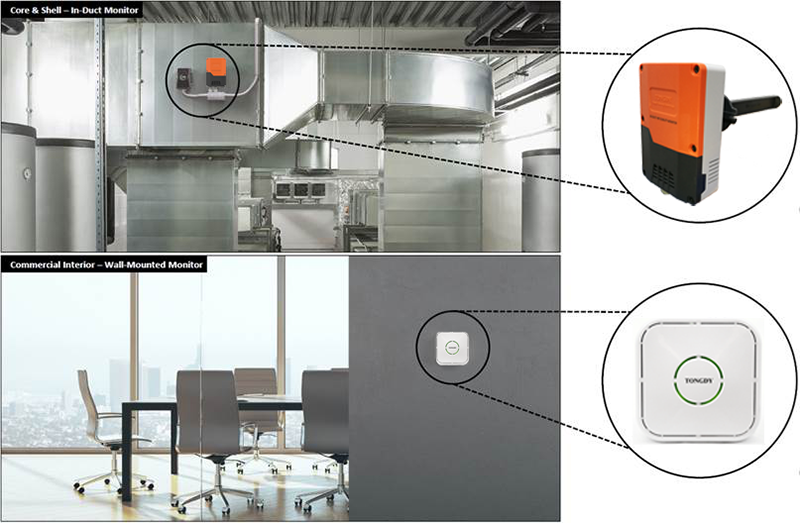
Complete Environmental Monitoring & Control Series
Explore our comprehensive line of commercial-grade monitors, multi-gas split controllers, and duct-mounted transmitters engineered for integration into HVAC, BMS, and smart green buildings.