

Featured Fresh-Air System Controllers
High-Precision Environmental Sensing Solutions for Advanced Ventilation Control
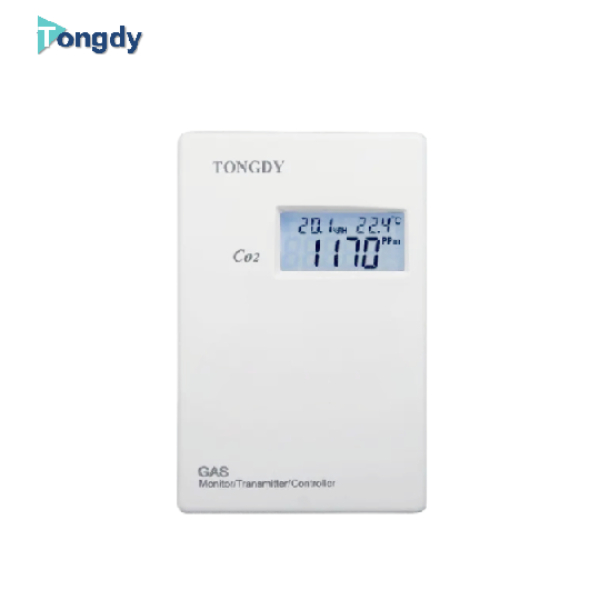 NDIR CO2 Sensor Transmitter with BACnet
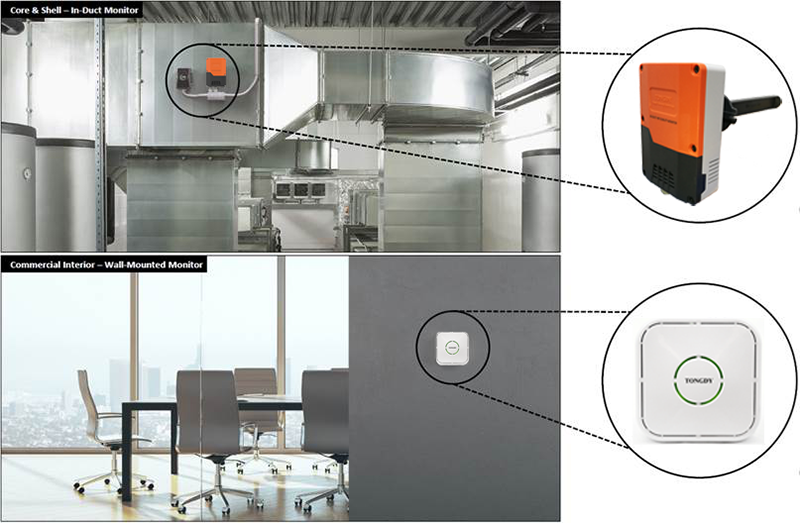
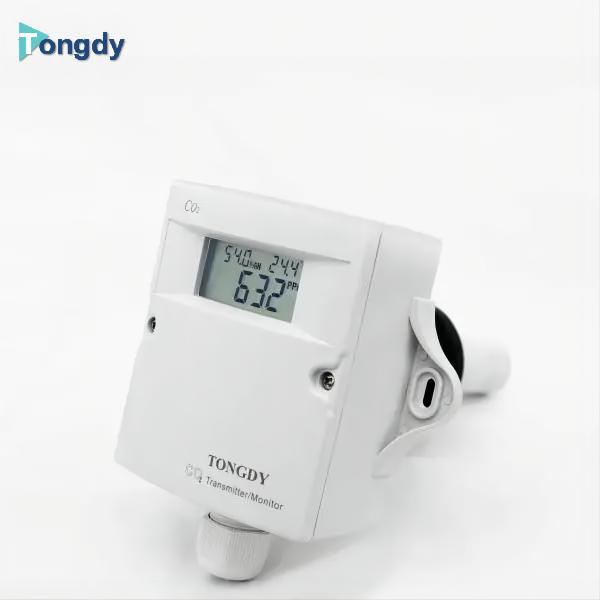 Duct CO2 Transmitter with Temp.&RH
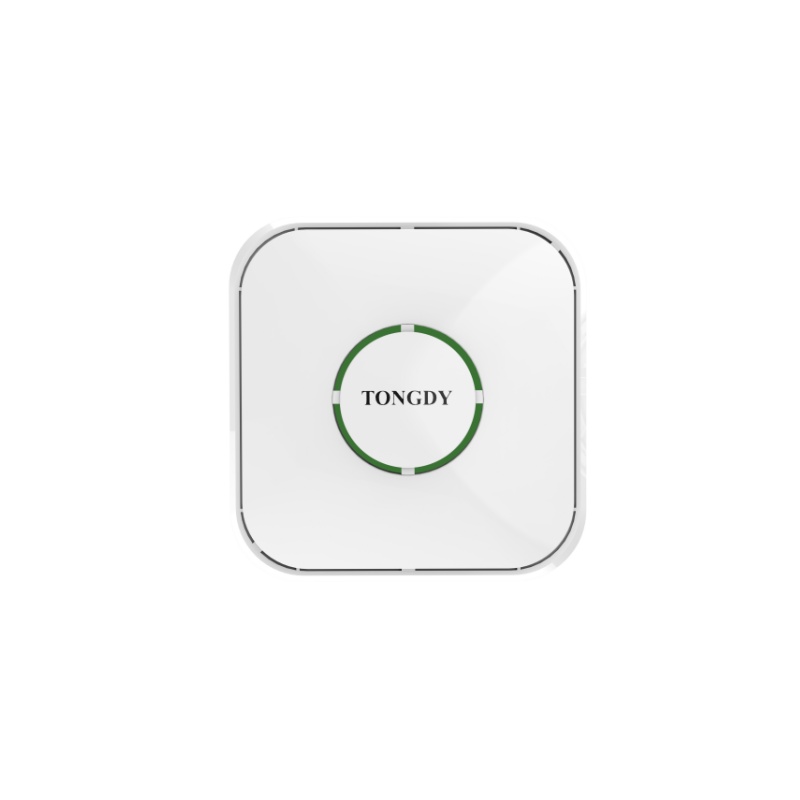 Indoor Air Quality Monitor in Commercial Grade
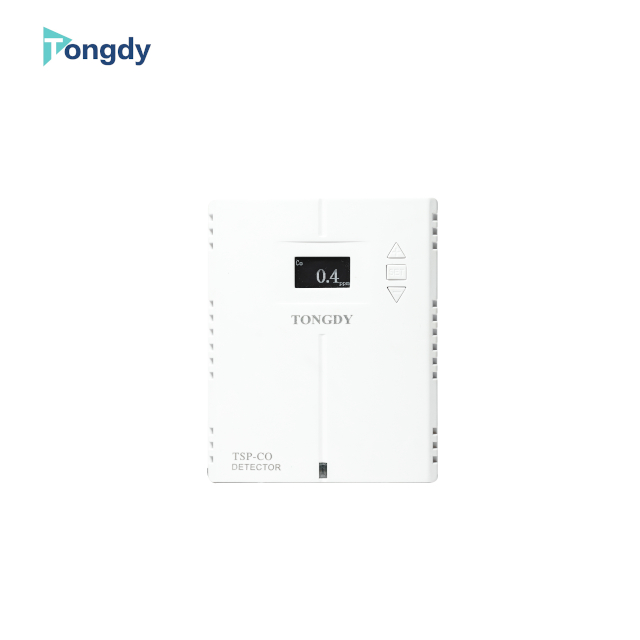 Carbon Monoxide Monitor
Commercial & Industrial Fresh-Air Control Landscape
Balancing Indoor Microclimate Comfort with Stringent Energy Efficiency Mandates
In modern architectural engineering and facility operations, the deployment of a dedicated Temperature And Humidity Controller For Fresh‑Air System Control has evolved from a basic mechanical regulation requirement into a cornerstone of intelligent Building Management Systems (BMS). Fresh-air handling units (FAHUs), dedicated outdoor air systems (DOAS), and heat/energy recovery ventilation (HRV/ERV) configurations require responsive sensing to optimize thermal conditions and humidity levels without imposing excessive chiller or heating coil loads.
Historically, ventilation systems operated on static schedules or primitive thermostat setpoints. However, the commercial and industrial landscape now demands dynamic, real-time demand-controlled ventilation (DCV). By synchronizing dry-bulb temperature, relative humidity (RH), dew point calculation, and enthalpy tracking with carbon dioxide (CO2) concentrations, building operators prevent over-ventilation during extreme outdoor thermal events while ensuring continuous occupant health and productivity in accordance with ASHRAE Standard 62.1 and European EN 16798-1 benchmarks.
Enthalpy-Based Economizer Logic
Dynamically switches between economizer free cooling and mechanical conditioning by continuously computing total enthalpy of fresh return vs. supply air streams.
Precision Moisture & RH Balance
Prevents mold propagation, structural condensation, and electrostatic discharge risks by modulating reheat coils, desiccant wheels, and humidification valves.
Smart Protocol Integration
Seamless communication via BACnet MS/TP, BACnet IP, Modbus RTU, and MQTT for integration into centralized cloud diagnostics and local PLC controllers.
Comprehensive Application Scenarios
Targeted Environmental Control Across Diverse Commercial, Cleanroom, and Public Infrastructure
1. Commercial High-Rises, LEED & WELL Certified Corporate Facilities
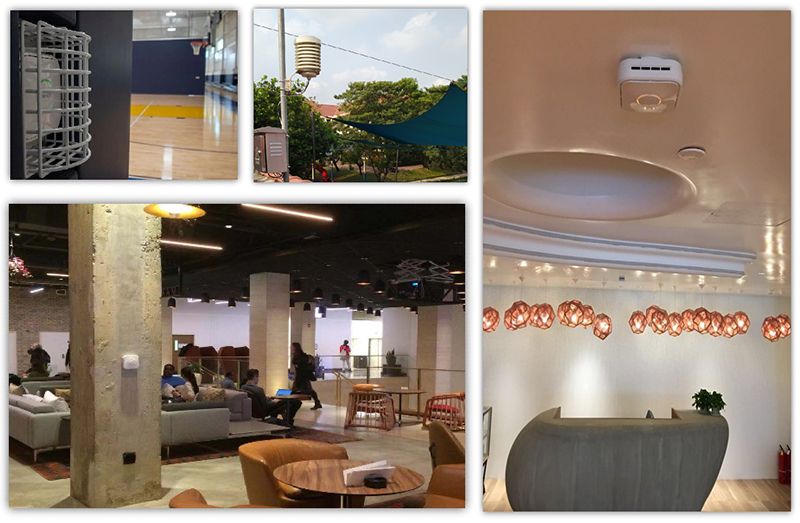
In premium office complexes, fresh-air systems handle high sensible and latent loads generated by dense occupant populations. An intelligent temperature and humidity controller continually fine-tunes variable air volume (VAV) boxes and fresh air intake dampers. By preserving a stable 21°C–24°C temperature window and maintaining RH strictly between 40% and 60%, the system curtails pathogen transmission, mitigates dry-eye fatigue, and directly supports WELL Building Standard v2 Air & Thermal Comfort features.
2. Precision Cleanrooms, Pharmaceuticals & Electronics Manufacturing
In semi-conductor fabrication bays and GMP-compliant pharmaceutical production, even micro-fluctuations in humidity induce wafer oxidation or compromise pill coating stability. Specialized duct-mounted and ambient controllers provide ±0.3°C and ±2% RH accuracy. These controllers orchestrate multi-stage makeup air units (MAU) equipped with ultrasonic humidifiers and direct expansion (DX) dehumidification systems to enforce rigorous baseline tolerances.
3. Commercial Agritech, Greenhouses & Controlled Environment Agriculture (CEA)
Vapor Pressure Deficit (VPD) control is vital for maximizing botanical transpiration and yield. Temperature and humidity fresh-air controllers interface directly with exhaust louvers, evaporative cooling pads, and supplemental CO2 injection valves, balancing microclimatic equilibrium without causing thermal shock or excessive moisture condensation on plant canopies.
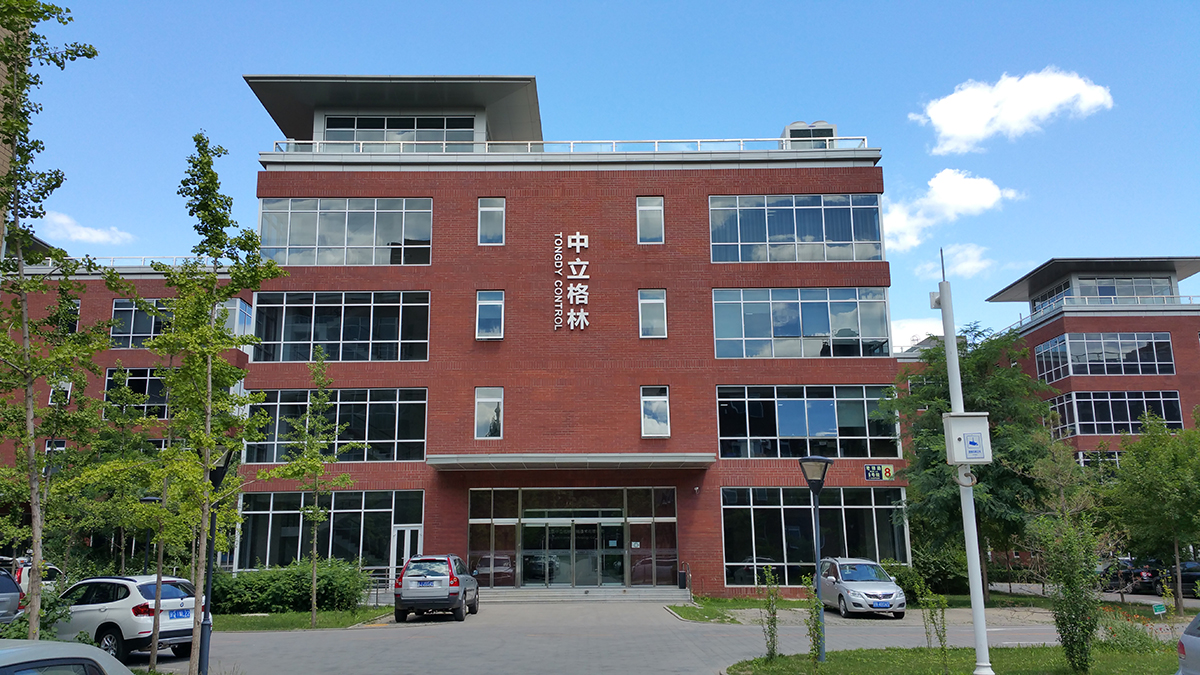
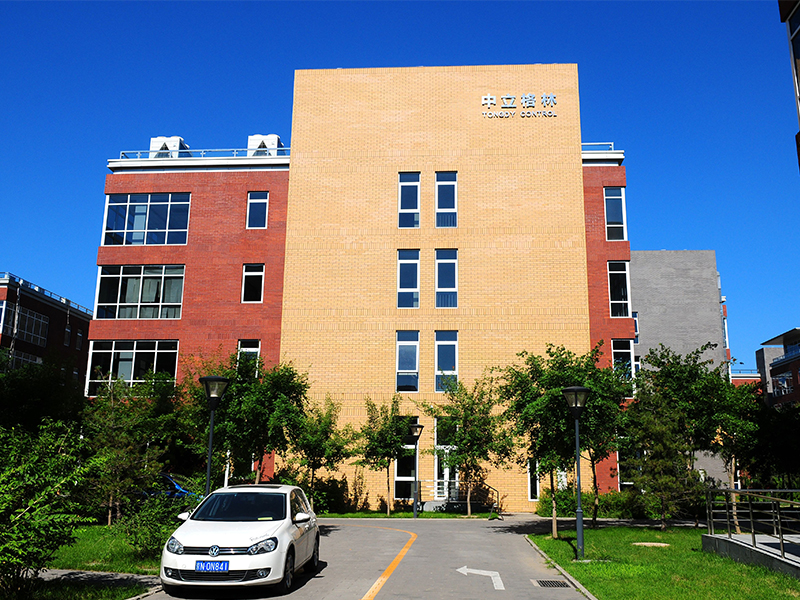
Tongdy Sensing Technology Corporation
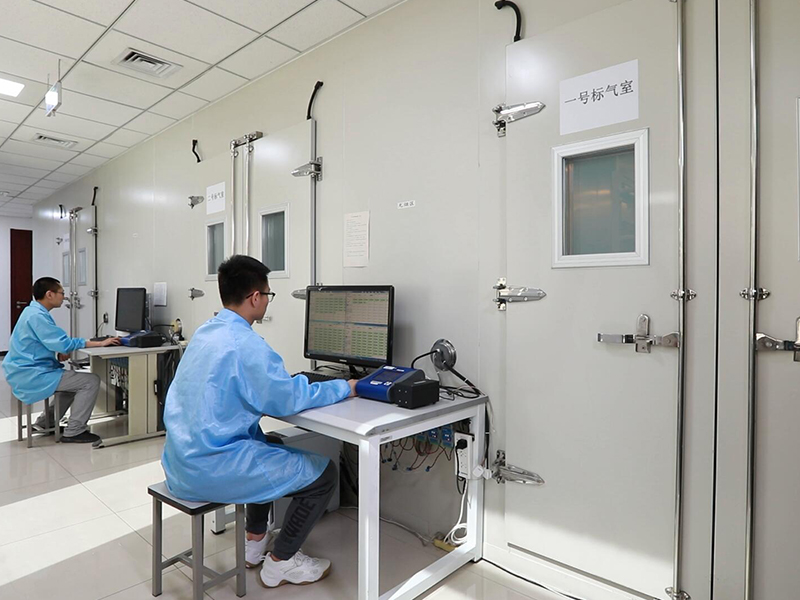
Help you build and maintain a healthy indoor environment. Our work makes a difference in helping you make the healthy indoor air quality. As one of the earliest companies in China engaged in air quality monitoring products, Tongdy has been always focusing on its strong technology development and design capabilities on the indoor air quality monitors.
Focus on air quality detection and control over 15 years. We foster research and development on obtaining accurate air quality data, help you well understand and improve the air you breathe by quantitative assessment and data analysis. For pursuing our ultimate purpose of creating healthy indoor air quality, we're committed to obtain real and accurate data and cultivating the next generation of innovators in technology and engineering.

Social Responsibility & Global Standards
Tongdy actively develops air quality monitors and is devoted in healthy indoor air quality, striving to become an excellent enterprise model.
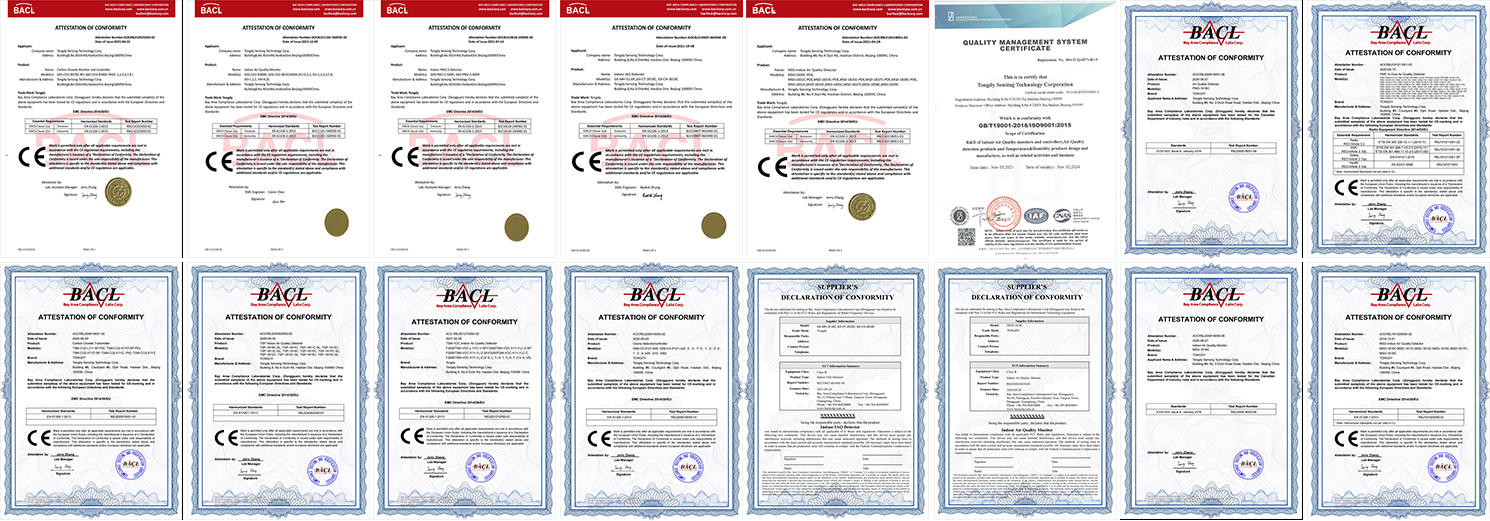
As a corporate citizen, Tongdy has contributed to public welfare undertakings such as cooperating with public benefit corporations like WELL—the world's leading organization focused on deploying people-first places to advance a global culture of health, especially exploring the impact of indoor air quality to people's health based on The WELL Building Standard™.
Our Core Values & Engineering Edge
Proprietary Calibration, Multi-Sensor Integration, and Data-Driven Architecture
Exclusive Calibration Algorithm
Proprietary technology and effective calibration methods ensure superior data accuracy across complex operating environments.
Unique Multi-Sensor Module
Specialized multi-sensor module featuring a sealed cast aluminum structure accommodating up to six high-precision sensors.
Continuous R&D Investment
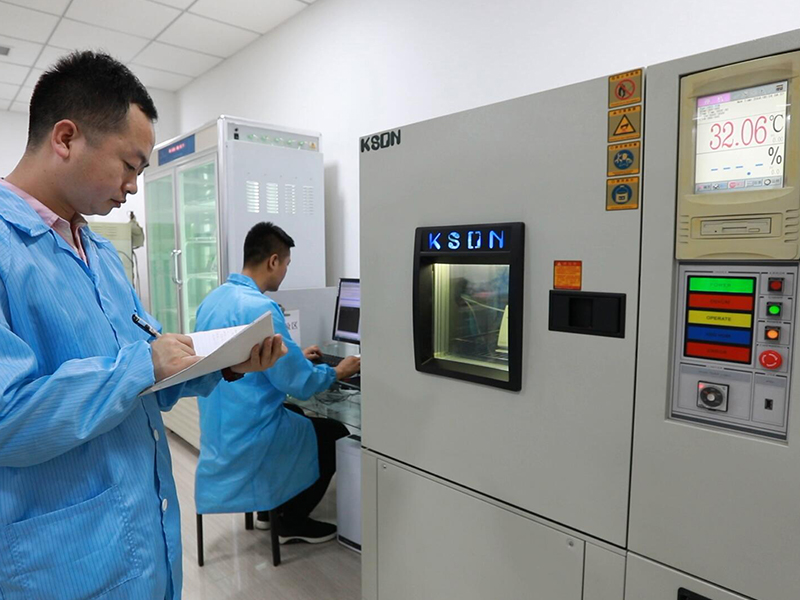
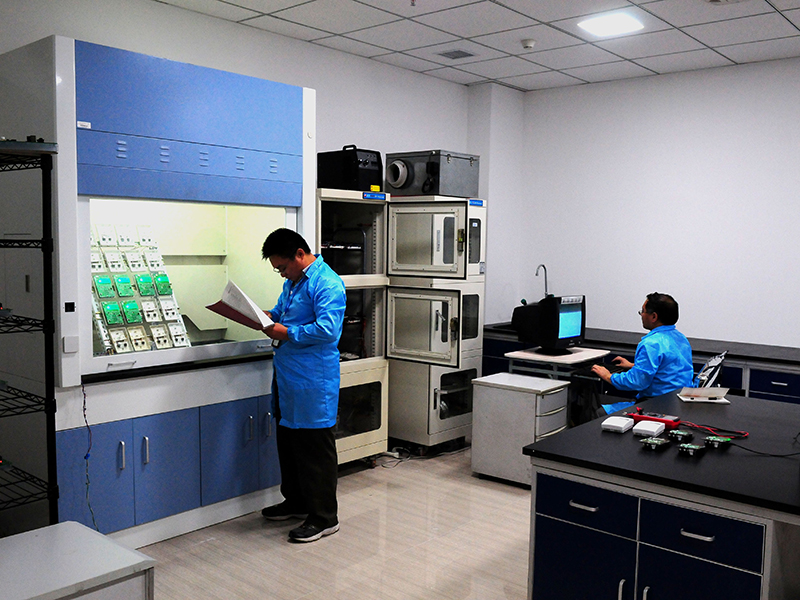
Tongdy-owned engineering facilities with substantial ongoing investment in product quality control, firmware innovation, and testing.
Real-Time & Historical Analytics
The "MyTongdy" platform enables comprehensive visualization, trend forecasting, and IAQ optimization via PC or mobile applications.
IAQ Data Authority
With over 15 years of industry experience, Tongdy provides commercial-grade data to support proactive, health-centered decision making.
Future Trends in Fresh-Air Control Technologies
Edge Computing, Predictive AI Maintenance, and Grid-Interactive Integration
The trajectory of temperature and humidity controllers in fresh-air ventilation is converging with broader industrial Internet of Things (IoT) and AI initiatives. Key emerging trends include:
1. Edge-Based Predictive Enthalpy Modeling: Next-generation controllers are shifting from purely reactive PID loops to predictive edge-AI algorithms. By correlating localized weather forecast APIs with historical indoor load profiles, controllers preemptively throttle fresh air intake before peak outdoor humidity or heatwaves occur, preventing thermal overshoot.
2. Multi-Gas Compound Correlation: HVAC systems increasingly couple dry-bulb and wet-bulb sensing with multi-parameter contaminant detection (CO2, TVOC, PM2.5, Carbon Monoxide, Ozone). When outdoor air quality deteriorates due to urban smog or wildfire smoke, the controller intelligently engages multi-stage bypass filtration or switches to internal purification mode.
3. Grid-Interactive Efficient Buildings (GEB): Ventilation systems represent substantial electrical energy sinks. Modern fresh-air controllers integrate with demand-response programs, dynamically pre-cooling or dehumidifying commercial zones during off-peak energy rates while ensuring thermal comfort during peak tariff periods.
Complete Fresh-Air & IAQ Controller Portfolio
Industrial, Commercial, and Agricultural Transmitters Engineered for Precision Integration
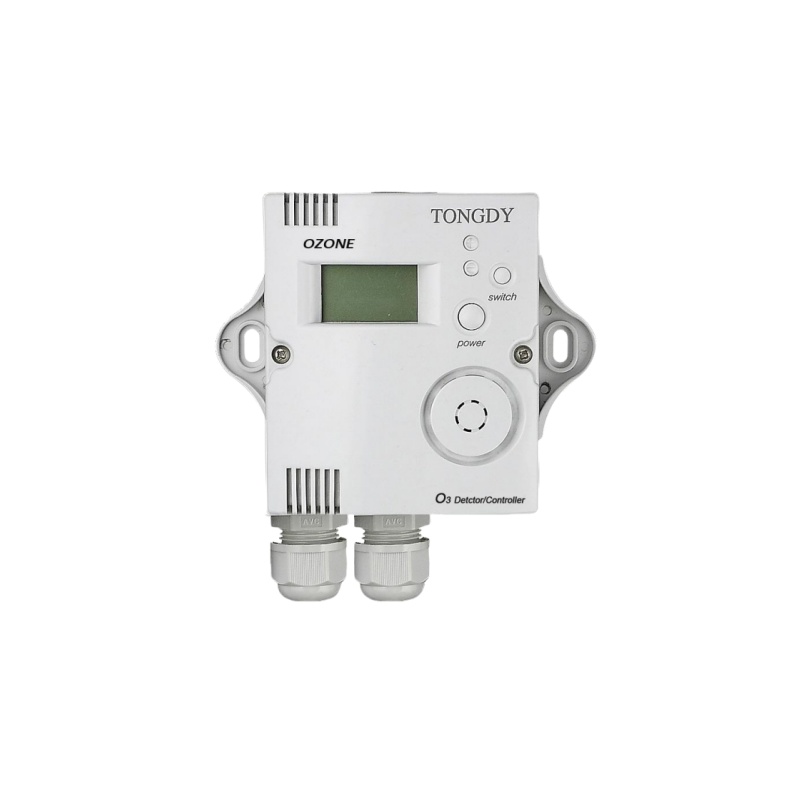 Ozone Split Type Controller
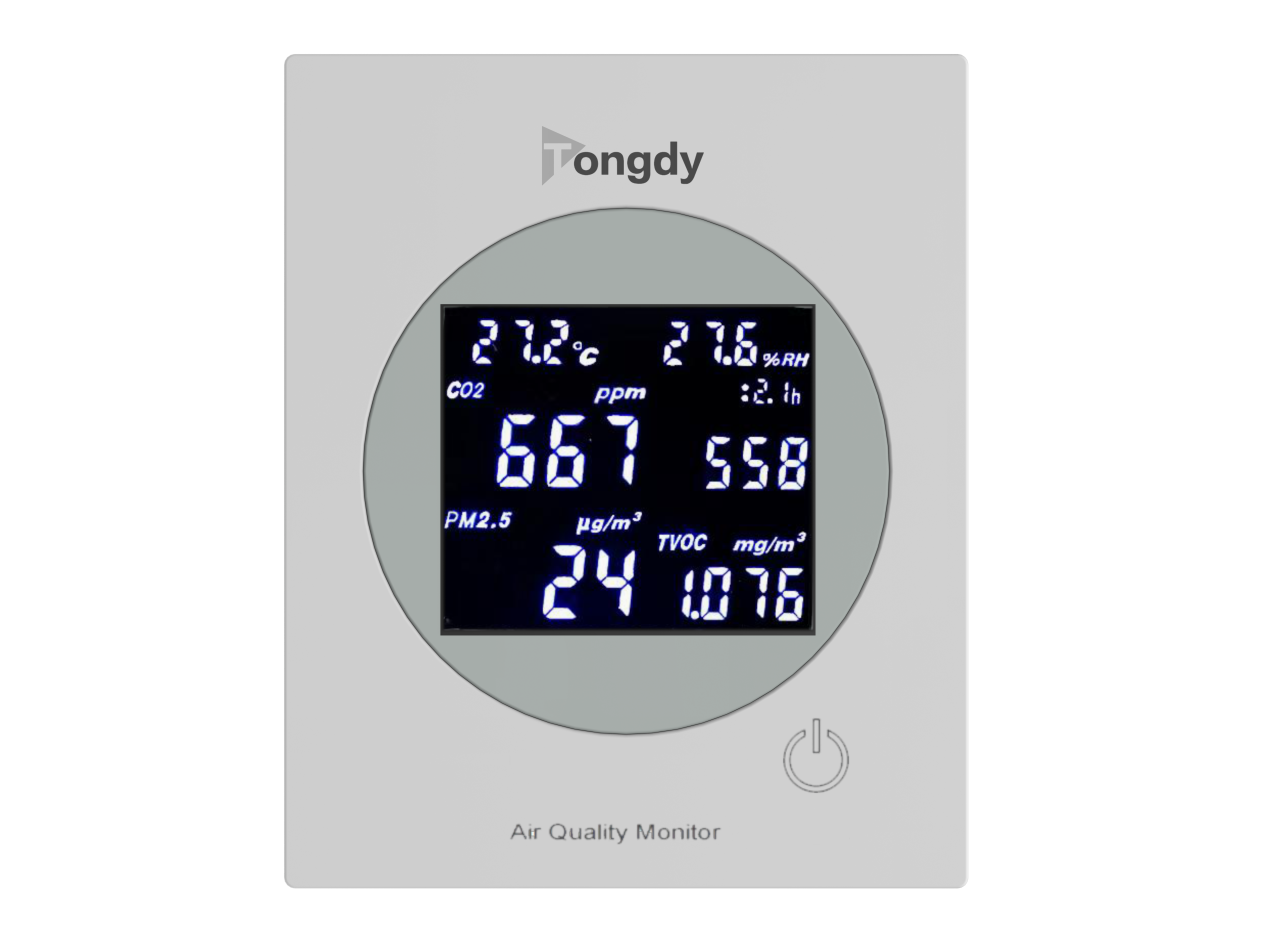 In-wall or On-wall Air Quality Monitor with Data Logger
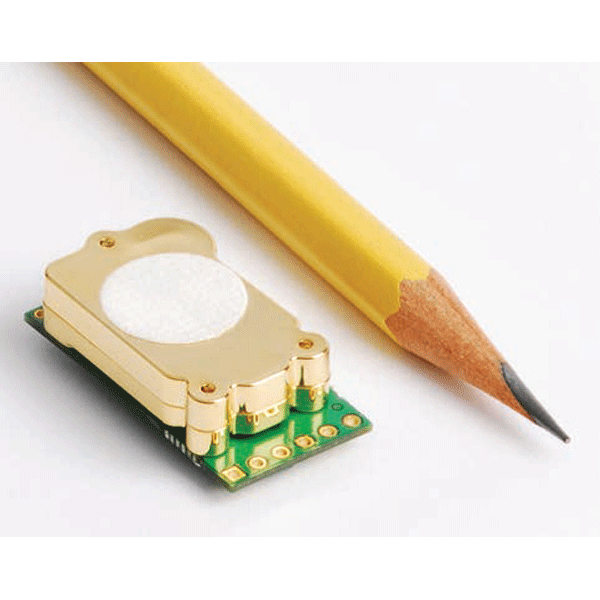 OEM small CO2 sensor module with more accuracy and stability
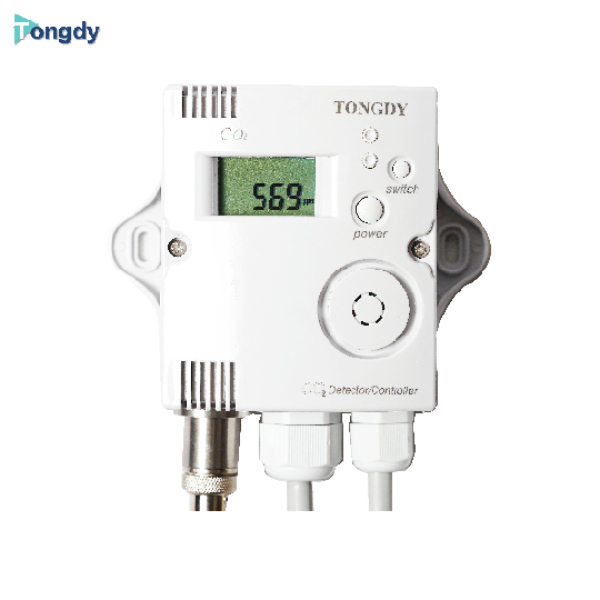 Greenhouse CO2 Controller Plug and Play