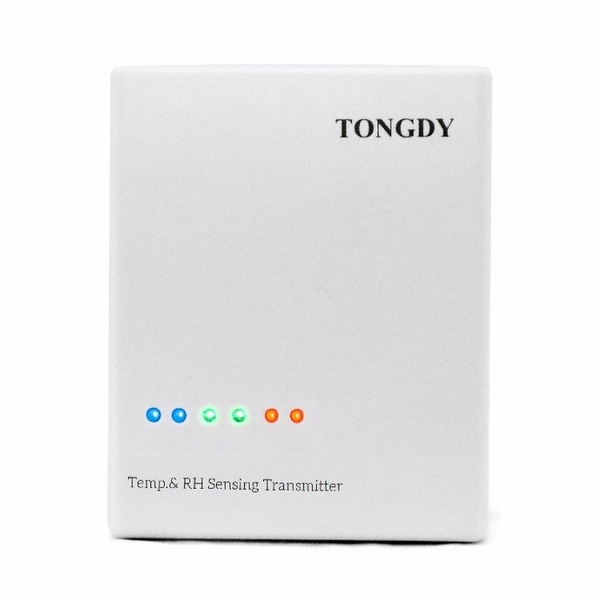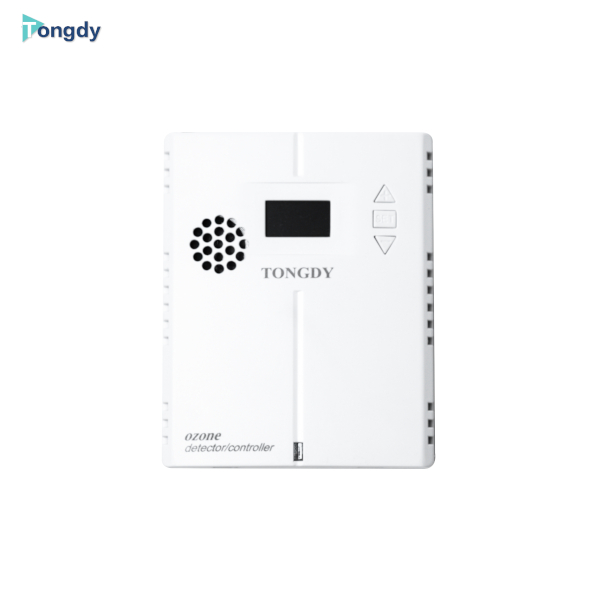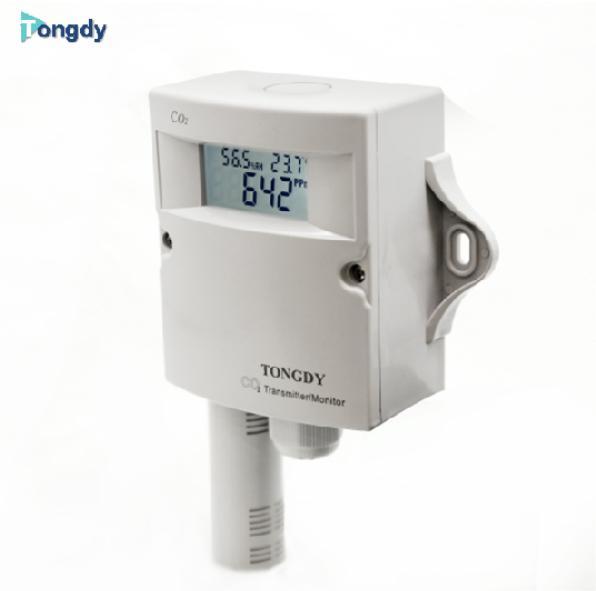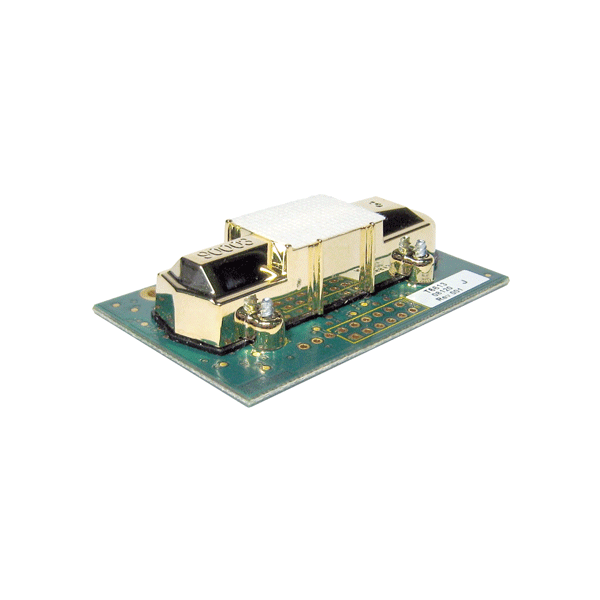

Commercial Air Quality Sensing Hardware
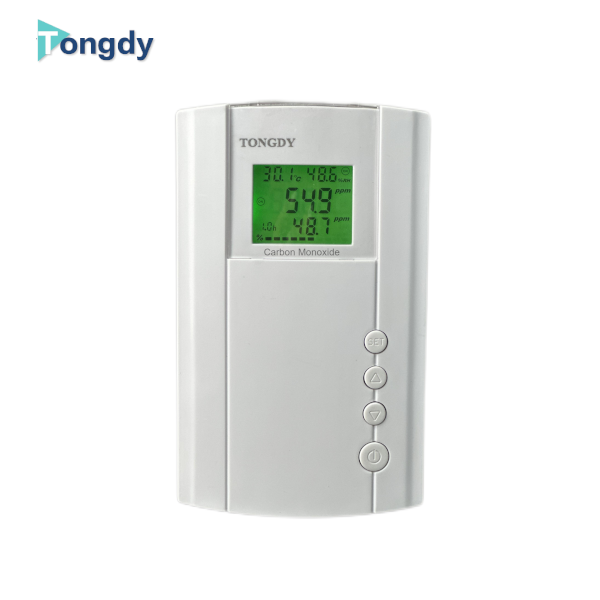
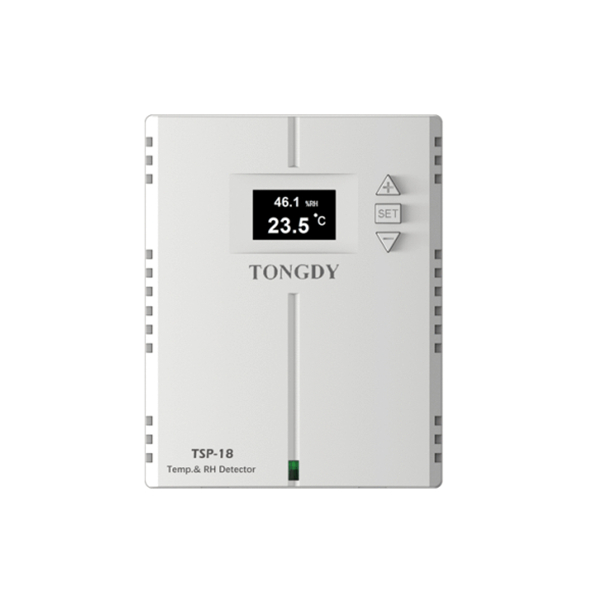
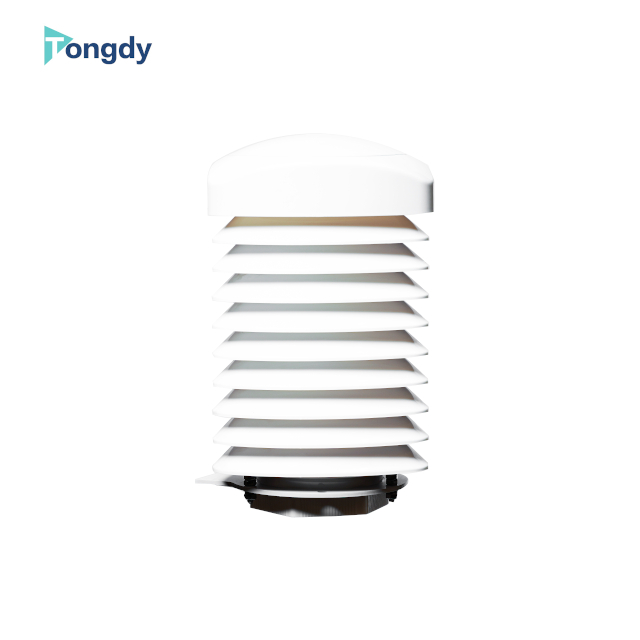
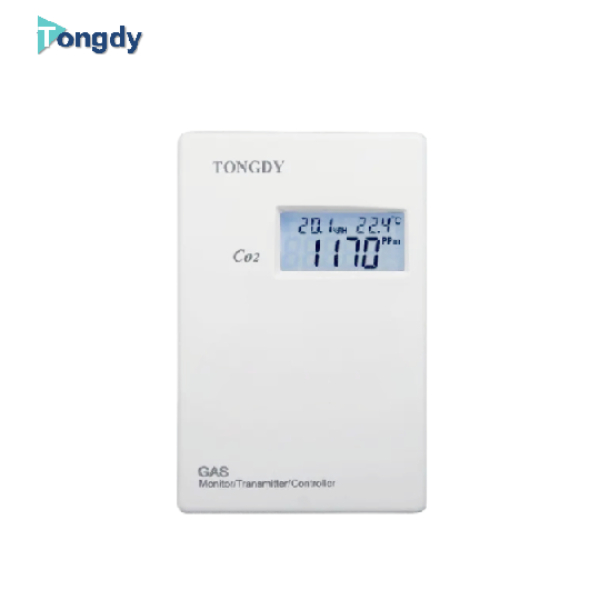
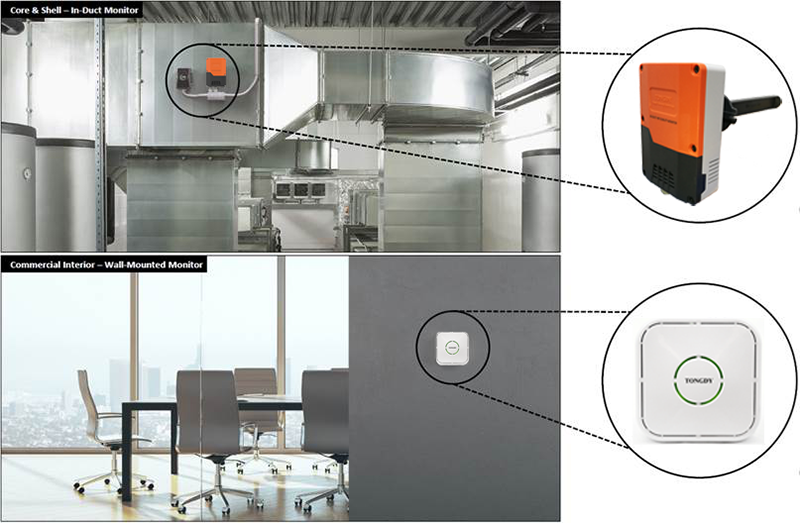
Explore our core industrial-grade sensor nodes designed for seamless integration with commercial HVAC automation and BMS network protocols.
The Crucial Role of Particulate Matter Sensors in Commercial Building Control
Modern commercial infrastructure demands continuous, real-time indoor air quality monitoring to guarantee occupant health, minimize energy consumption, and optimize HVAC filtration life.
In contemporary commercial architecture—ranging from AAA office towers, shopping centers, and educational campuses to high-tech manufacturing plants—indoor environmental quality (IEQ) has shifted from a basic comfort metric to a business-critical operational standard. Among all airborne pollutants, Particulate Matter (PM), specifically fine inhalable particles such as PM2.5 (particles with diameters 2.5 micrometers and smaller) and respirable particles like PM10, presents one of the most severe hazards to human health and facility operations.
Integrating a robust Particulate Matter Sensor For Commercial Building Control directly into a facility's Building Management System (BMS) allows automated fresh air dampers, variable air volume (VAV) units, and multi-stage filtration banks to respond dynamically to real-time pollution spikes. Rather than operating ventilation systems on static, power-hungry time schedules, smart building control leverages precision laser-scattering PM sensors to drive Demand-Controlled Ventilation (DCV). This real-time loop significantly curtails building carbon footprints while securing healthy indoor atmospheres.
Key Insight for Building Engineers & Facility Managers
Over 80% of a commercial facility's energy budget is consumed by HVAC systems. Utilizing high-precision particulate sensors prevents premature filter replacements and avoids unnecessary outdoor air intake during high ambient pollution events, reducing overall thermal conditioning costs by up to 25% annually.
1. Commercial Market Trends & Dynamic Adoption Factors
The global demand for enterprise-grade IAQ monitors is accelerating due to a confluence of updated building standards, post-pandemic health protocols, and environmental sustainability directives. Major drivers reshaping commercial building control include:
Green Building Certifications
Compliance with global frameworks such as LEED v4.1, WELL Building Standard v2, and RESET Air mandates continuous particulate data collection with verified sensor accuracy and public transparency.
IoT & Smart Building Protocols
Modern commercial PM sensors no longer operate as isolated meters. Native support for BACnet MS/TP, BACnet IP, Modbus RTU, and Wi-Fi ensures direct telemetry streaming into centralized cloud and edge automation nodes.
Predictive HVAC Maintenance
By measuring particle loading differential across filter banks, facilities engineers can predict HEPA and MERV filter saturation in real time, shifting from reactive replacement schedules to predictive maintenance workflows.
2. Deep Application Scenarios in Commercial Real Estate
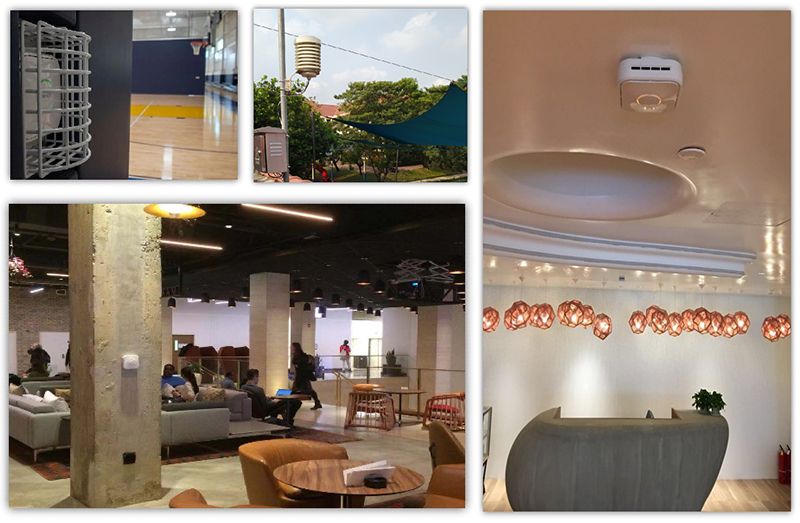
Commercial building controls require tailored particulate sensing strategies depending on the specific operational environment:
- High-Density Corporate Offices: Sub-micron particles suppress cognitive function and exacerbate fatigue. Integrating PM2.5 sensors into open-plan office zones enables localized air purification and fresh air boosting, safeguarding employee productivity.
- Healthcare & Life Science Facilities: Clinics, outpatient centers, and research laboratories mandate strict particle count thresholds to prevent cross-contamination and protect sensitive biological research. Precision sensors ensure emergency pressurization systems trigger automatically if particulate limits are breached.
- Commercial Shopping Malls & Transit Hubs: High foot traffic introduces heavy dust loads and resuspended ambient PM10. Automated variable fans dynamically adjust airflow based on human occupancy and localized particulate concentrations.
- Data Centers & Telecommunication Rooms: Airborne dust particles can accumulate on high-density server circuits, leading to thermal insulation, electrostatic discharge, or short circuits. Particle monitoring guards high-value computing assets against unexpected downtime.
Advanced Optical Laser Scattering & BMS Architecture
Understanding the technological foundation behind accurate particulate measurement and enterprise automation integration.
Optical Laser Scattering Mechanism
Industrial PM sensors utilize a semiconductor laser diode focused onto a sampling air channel. As airborne particles pass through the laser beam, light scatters at specific angles. A high-speed photo-detector captures the light intensity, converting it into electrical pulses. Internal microprocessor algorithms process these signals to calculate particle mass concentration (µg/m³) across PM1.0, PM2.5, and PM10 categories with microsecond precision.
Compensation & Self-Cleaning Algorithms
Dust accumulation inside traditional optical chambers often leads to zero-point drift and sensor degradation over time. Advanced commercial-grade particulate detectors incorporate internal miniature fan control with automated purge cycles, alongside dynamic temperature and humidity compensation algorithms. This ensures stable reading accuracy across varied HVAC humidity conditions (0-95% RH non-condensing).
Technical Comparison: Commercial IAQ Control Strategies
| Control Parameter | Traditional HVAC Control | BMS Integrated PM Sensor Control |
|---|---|---|
| Fan Operational Mode | Fixed schedule (100% continuous runtime) | Variable Speed Drive (VSD) regulated by PM mass levels |
| Outdoor Air Intake | Unmonitored static volume damper setting | Modulating damper; closes during outdoor smog events |
| Filter Maintenance | Arbitrary quarterly or bi-annual swaps | Condition-based replacement driven by particle load data |
| Building Health Standard | Basic thermal compliance only | Full WELL v2 / LEED v4.1 / RESET Air compliance |
About Tongdy Sensing Technology Corporation
Help you build and maintain a healthy indoor environment
Pioneering Indoor Air Quality Excellence
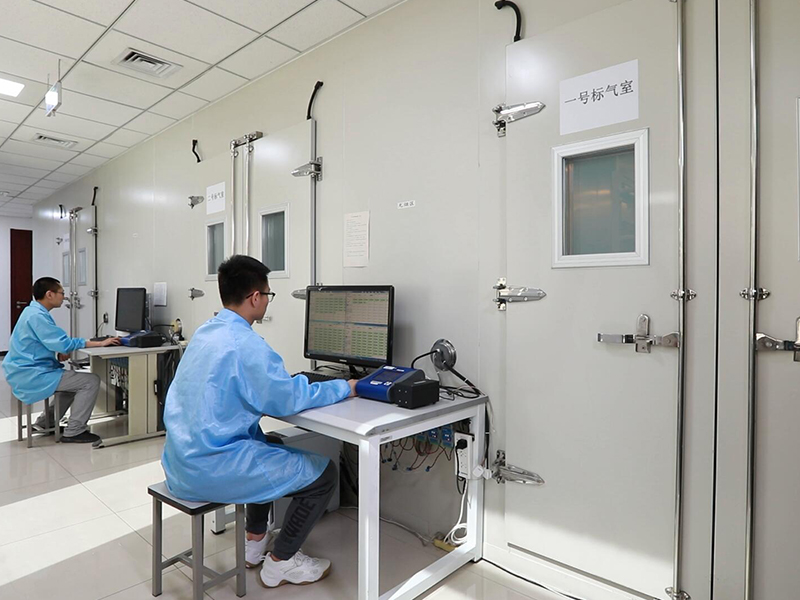
Our work makes a difference in helping you make the healthy indoor air quality. As one of the earliest companies in China engaged in air quality monitoring products, Tongdy has been always focusing on its strong technology development and design capabilities on the indoor air quality monitors.
For over 15 years, our dedicated research teams have perfected multi-parameter gas and particle detection hardware that integrates directly into commercial HVAC, smart building ecosystems, and enterprise environmental monitoring platforms.
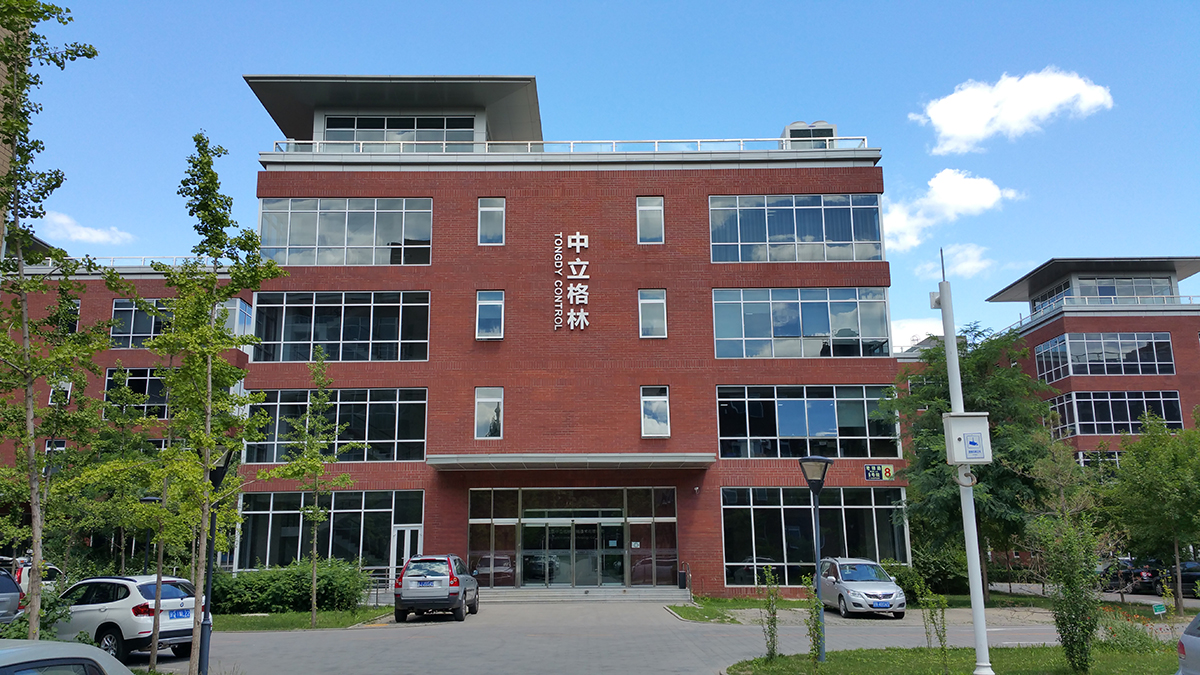

Focus on Air Quality Detection and Control over 15 Years
Our Purpose
We foster research and development on obtaining accurate air quality data, help you well understand and improve the air you breathe by quantitative assessment and data analysis.
For pursuing our ultimate purpose of creating healthy indoor air quality, we’re committed to obtain real and accurate data and cultivating the next generation of innovators in technology and engineering.
Social Responsibility
Tongdy actively develops air quality monitors and is devoted in healthy indoor air quality, and strive to become an excellent enterprise model. As a corporate citizen, Tongdy has contributed to public welfare undertakings such as cooperate with public benefit corporation, like WELL - the world’s leading organization focused on deploying people first places to advance a global culture of health, especially exploring the impact of indoor air quality to people’s health based on The WELL Building Standard™.
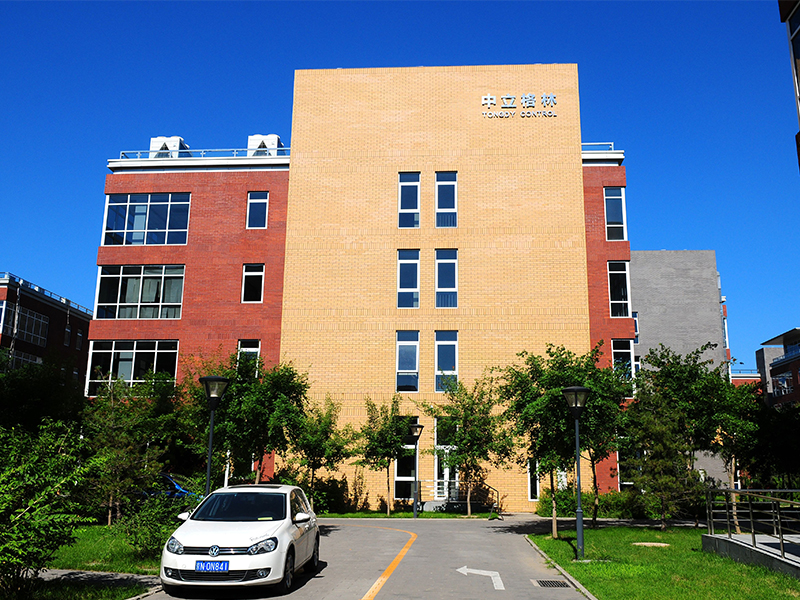
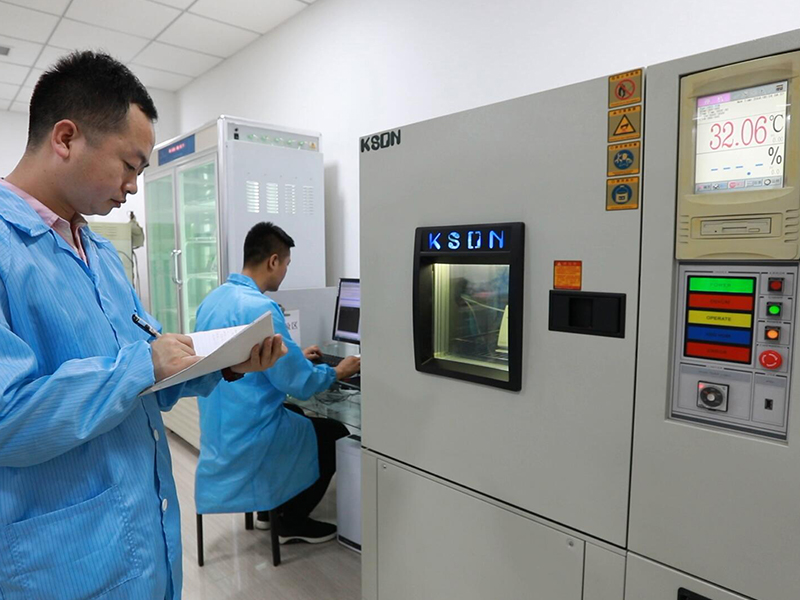
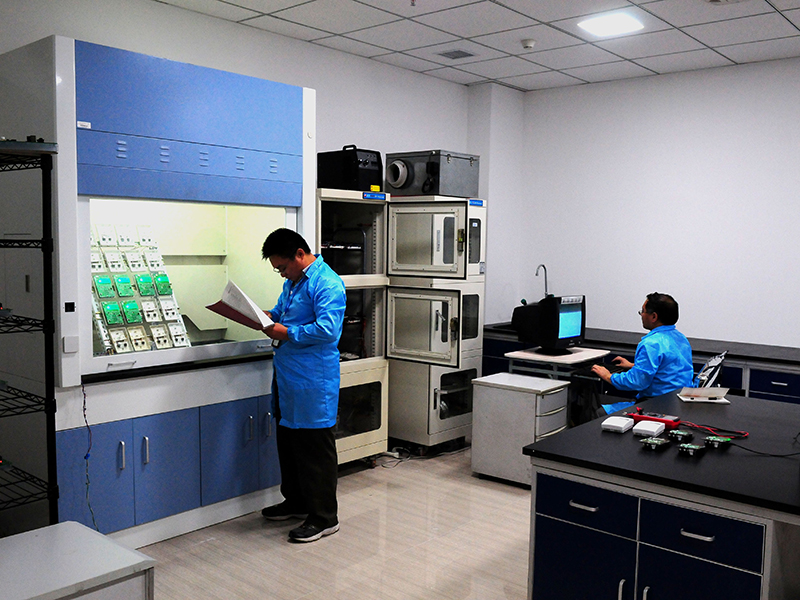
Our Values & Innovation Pillars
Exclusive Innovative Calibration Algorithm
Proprietary technology, the effective calibration method to support higher data accuracy in different environment.
Unique Professional Multi-Sensor Module
Special multi-sensor module with the sealed cast aluminum structure and up to six sensors inside.
Continuous R&D Investment & Quality Control
Tongdy-owned, and huge investment in research and development to ensure the product reliability and innovation.
Real-Time Monitoring & Data Analytics
“MyTongdy” Platform will help you reading and analyzing data of your air quality on PC or mobile APP.
The Expert of Indoor Air Quality Data
Over 15 years experience for indoor air quality, Tongdy provides commercial accurate data and help you to make data-driven decisions that foster health-centered indoor environments.
Green Building Compliance
Full compliance with international standards, helping building owners earn points toward LEED, WELL, and RESET certifications seamlessly.
Why Choose Tongdy?
20+ Years of Expertise in IAQ & HVAC Solutions
Trusted by clients for high-quality products and professional service, fully compliant with Green Building standards.
100+ Monitoring and Control Products
Over 100 commercial-grade monitors and controllers, including CO2, single-gas, and multi-sensor solutions for HVAC, BMS, and green building applications.
Reliable and Accurate Data
Providing smart building managers with actionable, real-time data to make informed decisions.
Tailored to Your Specific Needs
Flexible hardware, professional expertise and fast delivery enable cost-effective, customized gas detection and control solutions.
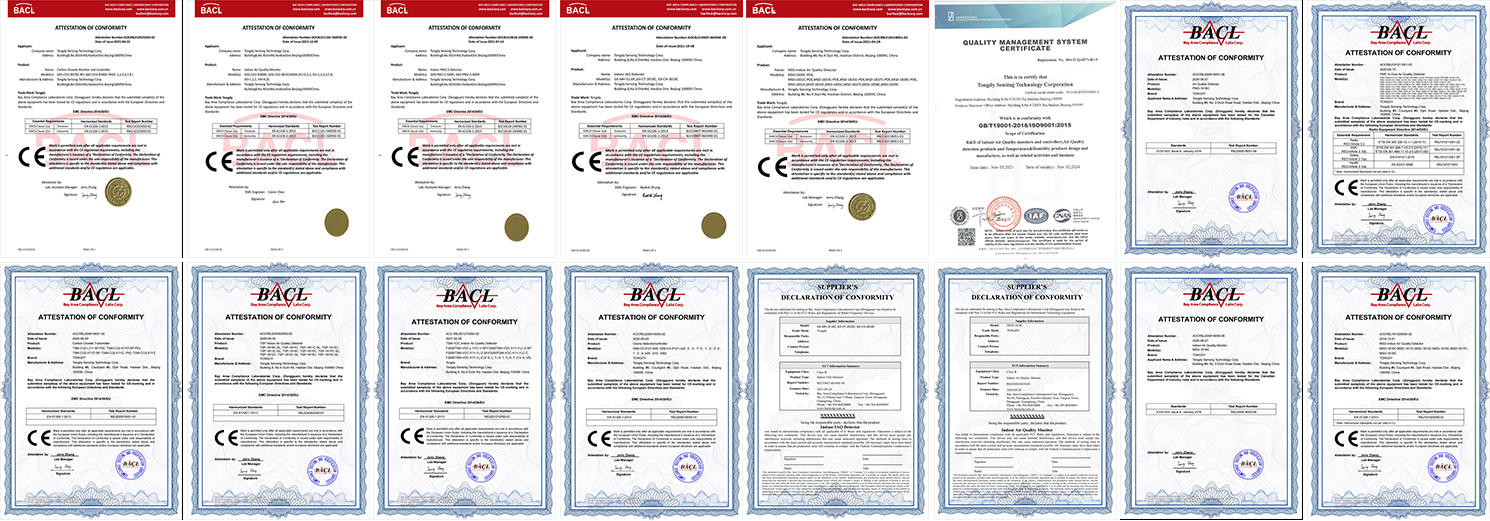
Certificates and Honor
Internationally recognized standards and patents validating our engineering excellence.
Complete Range of Commercial Air Quality & Gas Control Solutions
Explore our comprehensive portfolio of transmitters, monitors, modules, and multi-parameter detectors built for smart commercial environments.