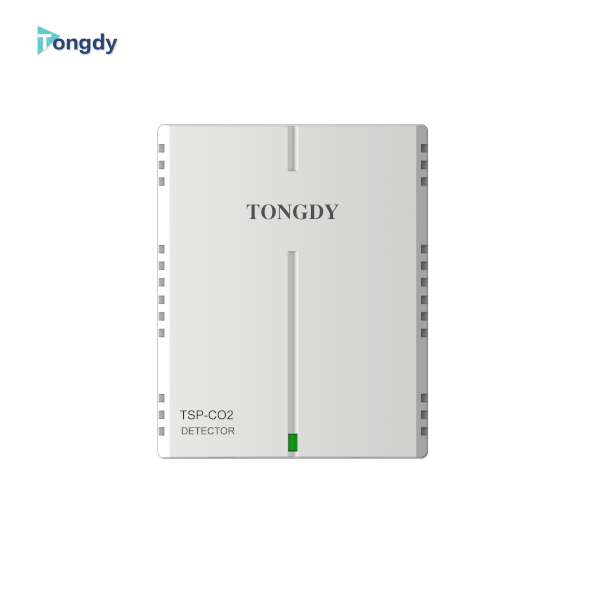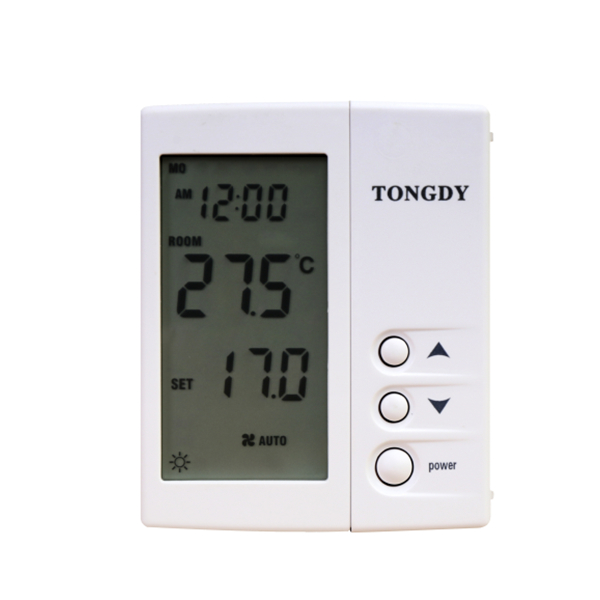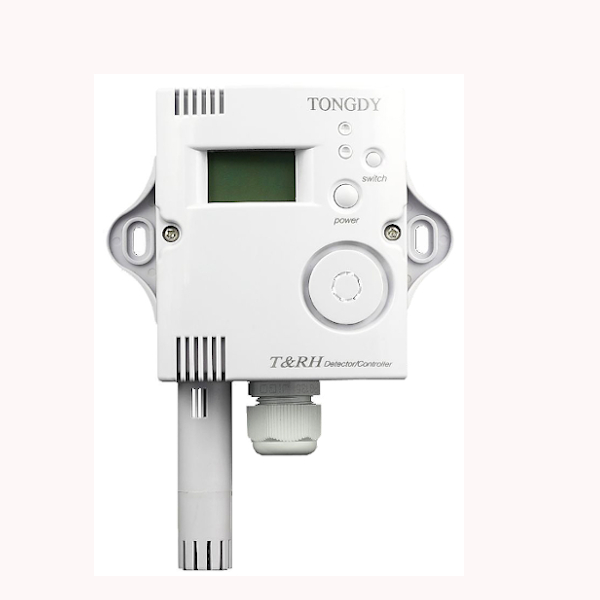

Featured Fresh-Air & Ozone Control Monitors
Explore our primary commercial-grade sensors designed for seamless integration into modern HVAC, Building Automation Systems (BAS), and Fresh-Air Ventilation units.
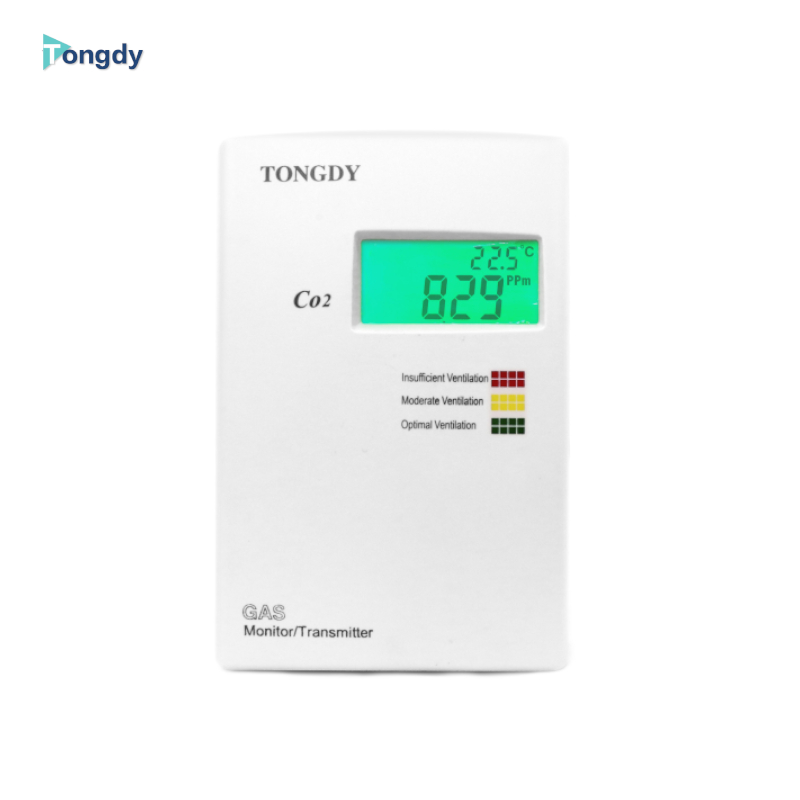
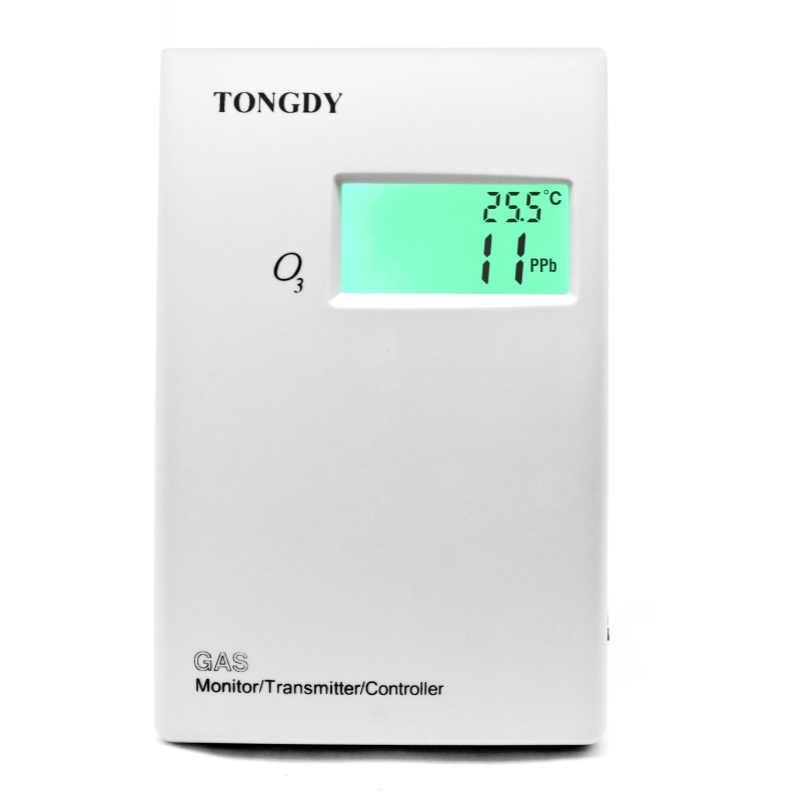
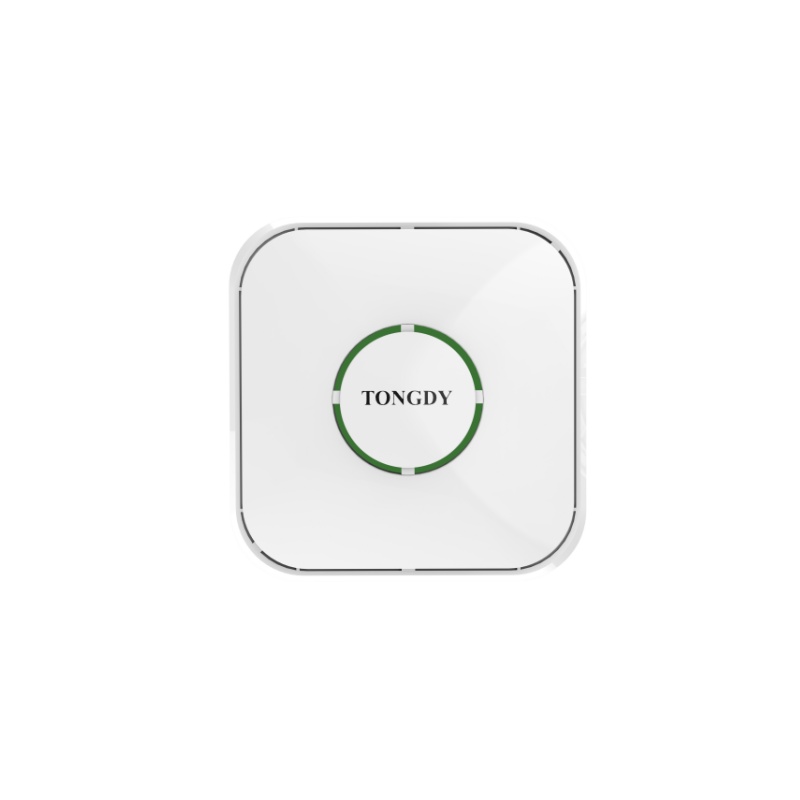
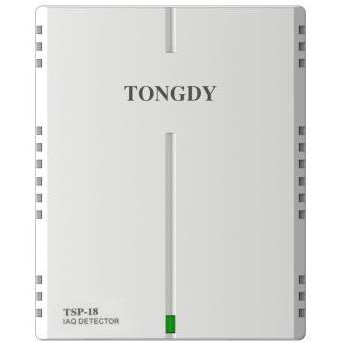
The Critical Role of Ozone Gas Detection in Fresh-Air Control
In modern architectural design and industrial facilities management, fresh-air handling systems (including Energy Recovery Ventilators - ERV, Air Handling Units - AHU, and Dedicated Outdoor Air Systems - DOAS) are responsible for maintaining safe, healthy indoor environments. While ozone (O3) is a powerful oxidizing agent widely used for air purification, sterilization, and odor control, excess concentrations present severe toxicological risks. Integrating dedicated Ozone Gas Detectors into Fresh-Air System Control ensures dynamic ventilation regulation, safeguarding human health while maximizing energy efficiency.
Ozone is a strong oxidant. Ground-level indoor ozone can cause respiratory tract irritation, pulmonary inflammation, and exacerbate asthma even at concentrations as low as 50 to 100 ppb (parts per billion). An intelligent fresh-air system controller acts as an automated defense mechanism, adjusting fresh air intake dampers, triggering alarm sirens, or modulating ozone generator output in real time based on quantitative data.
Real-Time Residual Safety Monitoring
Monitors ambient air downstream from ozone disinfection units or fresh-air intakes to ensure residual O3 levels strictly abide by OSHA, WHO, and WELL Building Standard thresholds (typically <0.05 ppm).
Demand-Controlled Ventilation (DCV)
Links real-time O3 data directly to fresh air damper actuators via Modbus RS485, BACnet, or 0-10V analog outputs, enabling instant automated ventilation scaling without human intervention.
Equipment Leak Protection
Serves as a critical safety interlock for commercial ozone generator rooms, industrial water treatment plants, and laundry facilities, preventing catastrophic gas leaks and safeguarding personnel.
Industrial & Commercial Market Status and Global Trends
The global smart HVAC and indoor air quality (IAQ) monitoring market is undergoing a rapid evolution. Driven by stringent sustainability mandates, ESG goals, and post-pandemic occupant wellness standards (such as WELL v2 and LEED certification), building operations are shifting from reactive ventilation to proactive, sensor-driven automation.
1. The Shift Toward Multi-Gas Integrated Controls
Historically, fresh-air systems relied solely on CO2 sensors for occupancy-based demand ventilation. However, modern commercial complexes, high-tech factories, and healthcare facilities now require comprehensive gas matrices. The integration of Ozone Gas Monitors alongside CO2, TVOC, Temperature, and Humidity allows HVAC controllers to evaluate air purity holistically, preventing outdoor smog or ozone pollution from entering indoor zones.
2. Adoption of Electrochemical & Digital Calibration
Traditional semiconductor sensors often suffered from cross-sensitivity and zero-drift. Market demand has pivoted toward advanced electrochemical sensor modules equipped with proprietary digital compensation algorithms. Tongdy Sensing's proprietary calibration technology provides sub-ppm accuracy, long operational lifespans, and resistance to environmental temperature and humidity fluctuations.
3. Smart Building Integration (BMS / IoT Cloud)
Commercial real estate operators no longer accept isolated hardware. Modern ozone detectors must seamlessly push telemetry to centralized Building Management Systems via BACnet MS/TP or IoT cloud platforms like MyTongdy. Real-time data logging, historical trend analysis, and predictive maintenance alerts have become standard specifications in top-tier commercial tenders.
4. Energy Efficiency & Net-Zero Carbon Goals
Running fresh-air blowers continuously at maximum load wastes vast amounts of energy in heating and cooling. By deploying precise ozone detectors in ductwork or ambient spaces, fresh-air dampers open only when necessary to flush out contaminants or purge residual disinfection ozone, cutting HVAC energy overhead by up to 30%.
In-Depth Application Scenarios: Ozone Control in Fresh-Air Infrastructure
Discover how dedicated ozone detection technology transforms fresh-air safety across specialized commercial and industrial sectors.
Commercial Buildings & Offices
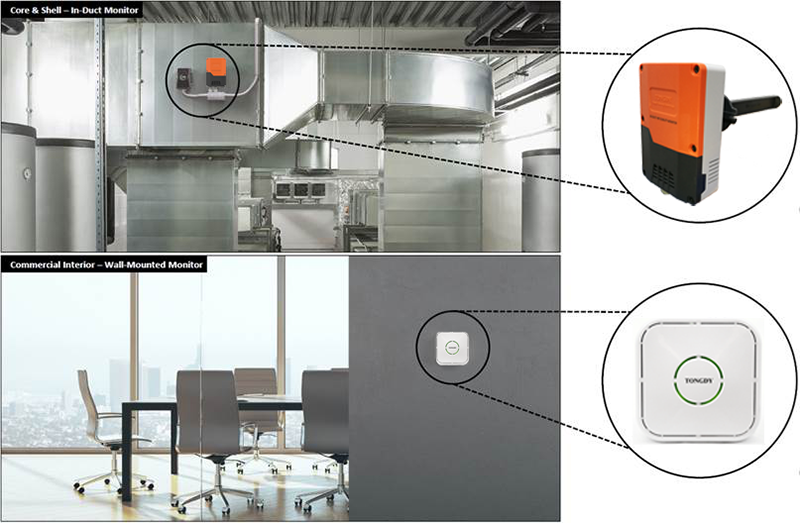
Many modern commercial air conditioning systems utilize electrostatic precipitators or upper-room UV light systems for air disinfection. These technologies produce trace amounts of ozone as a byproduct. Wall-mounted or duct-mounted O3 detectors dynamically control return-air and fresh-air dampers, ensuring indoor ambient ozone remains below safe target thresholds (<0.02 ppm).
Healthcare, Hospitals & Cleanrooms
Hospitals rely on scheduled ozone gas injection to achieve high-level terminal disinfection in operating rooms and isolation wards. An integrated O3 monitor acts as a automatic gatekeeper: during sterilization cycles, it confirms effective gas concentrations; prior to human re-entry, it activates the fresh-air exhaust purge cycle until O3 levels drop to safe levels.
Industrial Production & Food Storage
In cold storage, food processing plants, and electronics manufacturing, ozone gas is routinely used to inhibit mold growth and neutralize chemical vapors. Precision ozone gas monitors ensure uniform distribution while linked fresh-air units automatically vent excess gas to prevent worker exposure and equipment oxidative corrosion.
About Us
Tongdy Sensing Technology Corporation
Help you build and maintain a healthy indoor environment
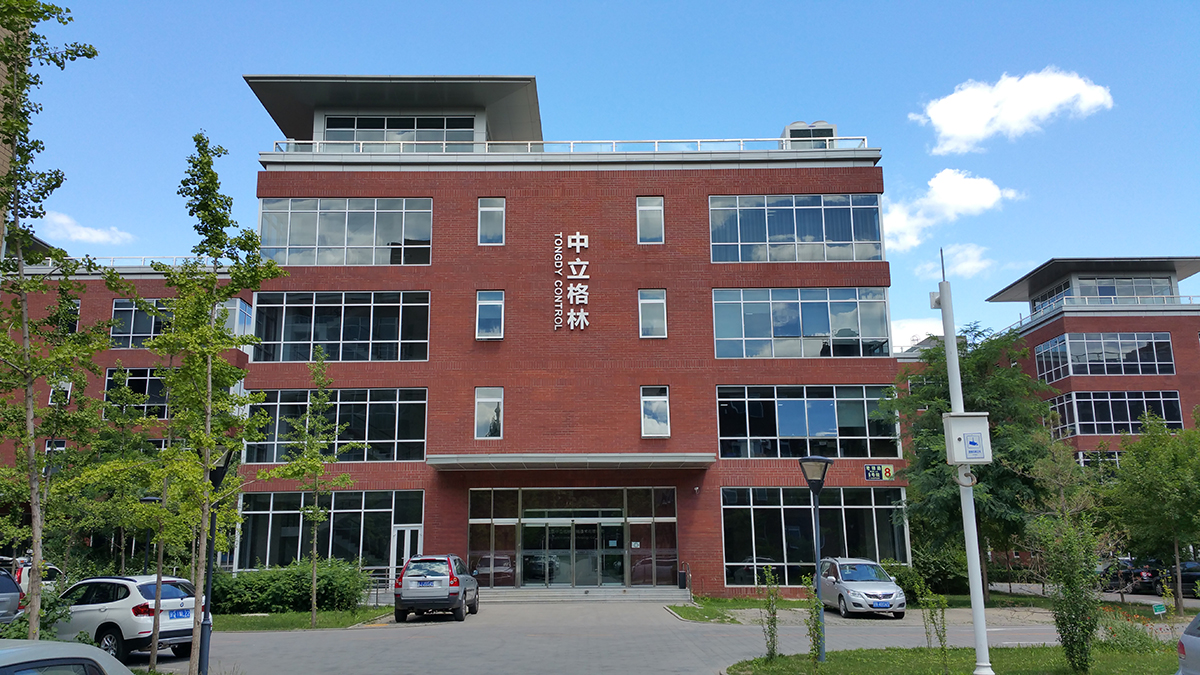
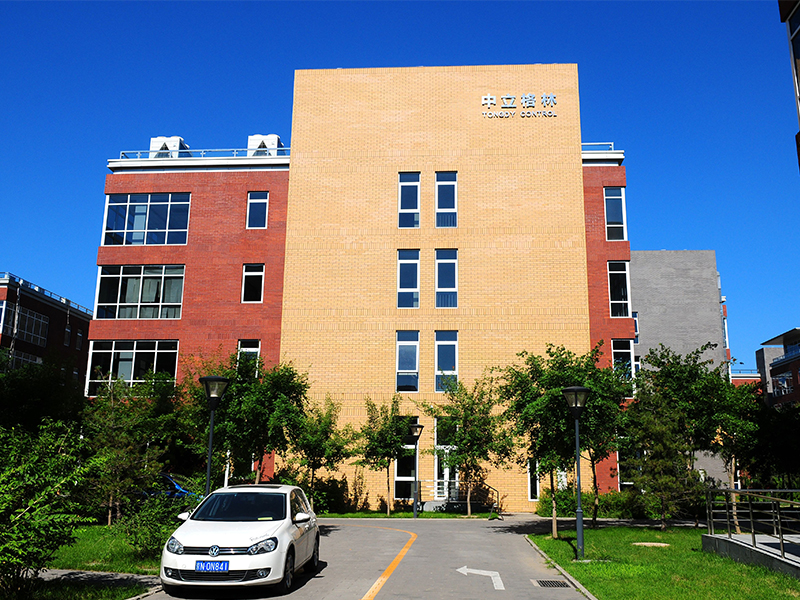
Our work makes a difference in helping you make the healthy indoor air quality. As one of the earliest companies in China engaged in air quality monitoring products, Tongdy has been always focusing on its strong technology development and design capabilities on the indoor air quality monitors.
About Tongdy
Focus on air quality detection and control over 15 years
Our Purpose
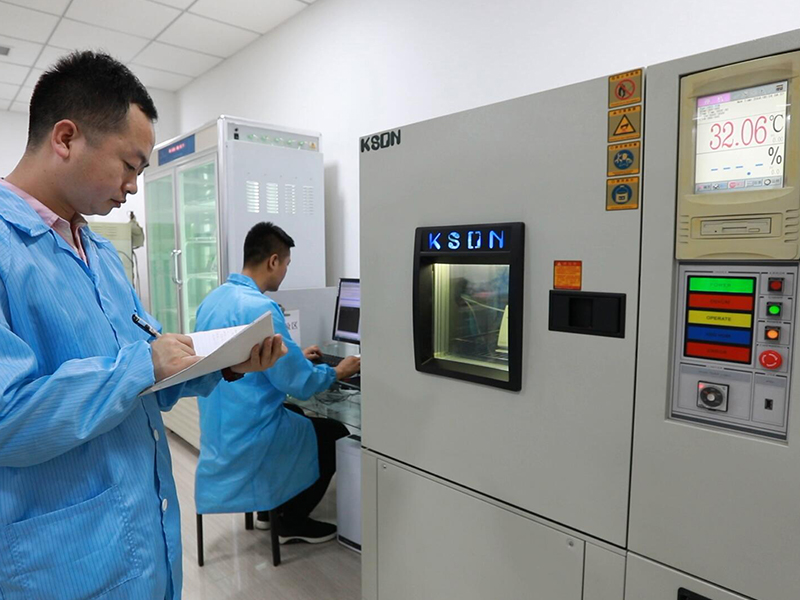
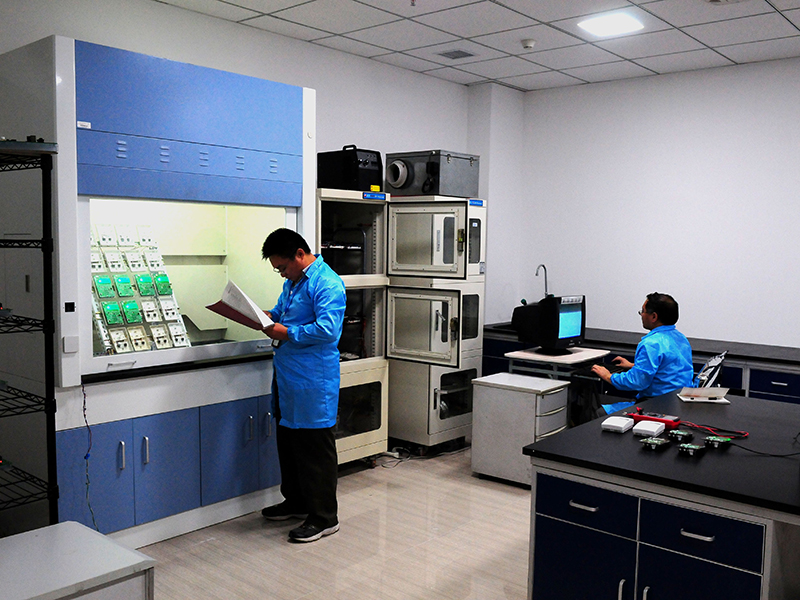
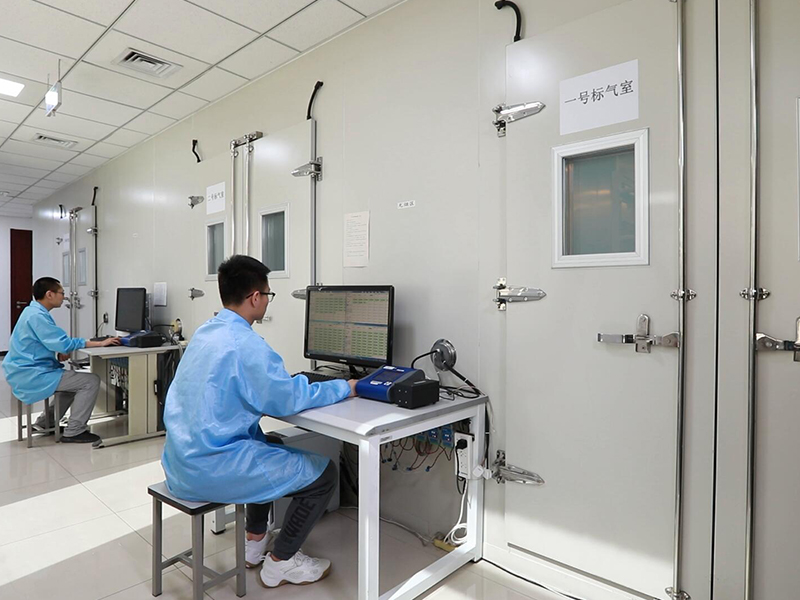
We foster research and development on obtaining accurate air quality data, help you well understand and improve the air you breathe by quantitative assessment and data analysis.
For pursuing our ultimate purpose of creating healthy indoor air quality, we’re committed to obtain real and accurate data and cultivating the next generation of innovators in technology and engineering.
Social Responsibility
Tongdy actively develops air quality monitors and is devoted in healthy indoor air quality, and strive to become an excellent enterprise model. As a corporate citizen, Tongdy has contributed to public welfare undertakings such as cooperate with public benefit corporation, like WELL- the world’s leading organization focused on deploying people first places to advance a global culture of health, especially exploring the impact of indoor air quality to people’s health based on The WELL Building Standard™ .

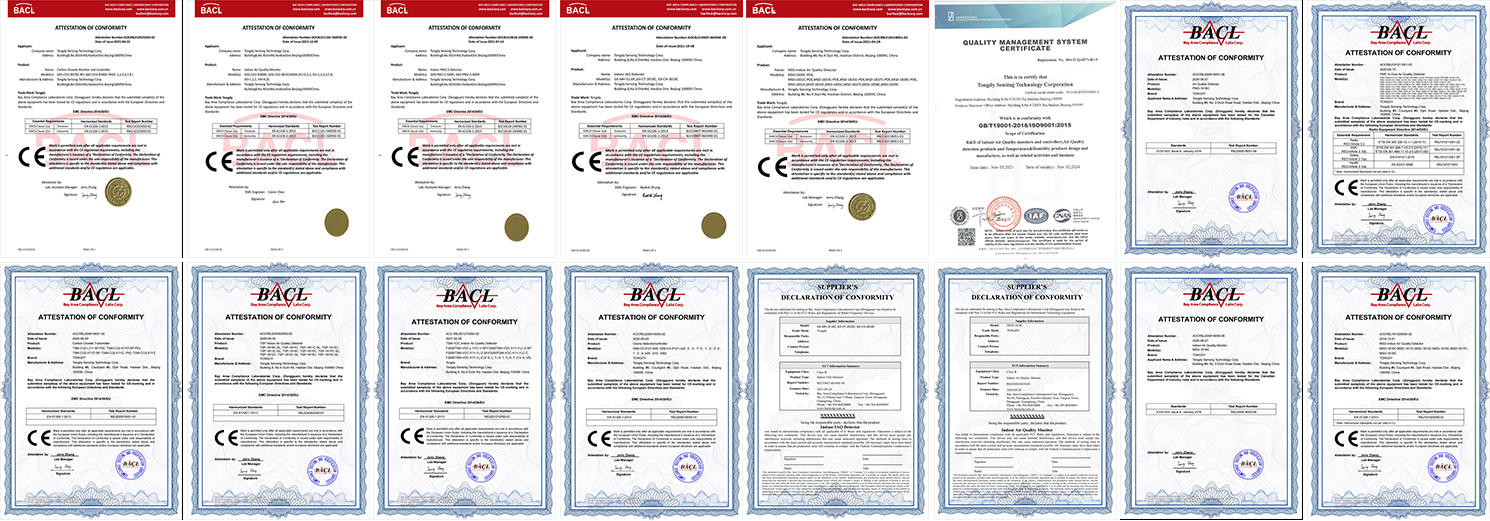
Certificates and Honor
Our Values
Why Tongdy
20+ Years of Expertise in IAQ & HVAC Solutions: Trusted by clients for high-quality products and professional service, fully compliant with Green Building standards.
100+ Monitoring and Control Products: Over 100 commercial-grade monitors and controllers, including CO2, single-gas, and multi-sensor solutions for HVAC, BMS, and green building applications.
Reliable and Accurate Data: Providing smart building managers with actionable, real-time data to make informed decisions.
Tailored to Your Specific Needs: Flexible hardware, professional expertise and fast delivery enable cost-effective, customized gas detection and control solutions.
Future Trends: Next-Gen AI & Smart Control Solutions
As smart architecture transitions toward autonomous building intelligence, the synergy between Ozone Gas Detectors and Fresh-Air System Controllers is experiencing significant innovations:
AI-Driven Predictive Ventilation
Integrating machine learning algorithms allows fresh-air systems to anticipate ozone concentration spikes based on external weather, solar UV radiation levels, and operational schedules, optimizing fan speeds proactively.
Seamless Cloud IoT Ecosystems
Modern sensors communicate wirelessly over MQTT, BACnet/IP, or LoRaWAN. Platforms like MyTongdy provide facility managers with remote visualization, automated compliance reporting, and instant push notifications on mobile devices.
Ultra-Low Concentration Sensitivity
Emerging sensor technology targets sub-ppb (parts per billion) measurement ranges. This level of extreme sensitivity guarantees complete compliance with the strictest international indoor environmental standard guidelines.
Complete Range of Air Quality & HVAC Control Products
Browse our complete portfolio of certified air quality monitors, ozone controllers, thermostats, and IoT data solutions.