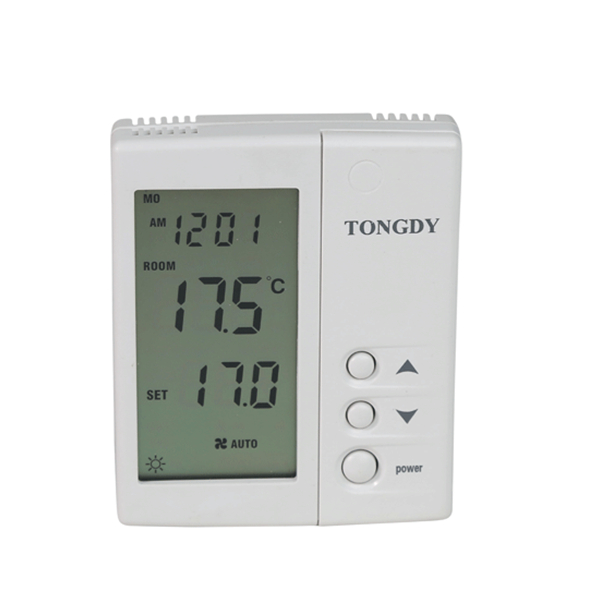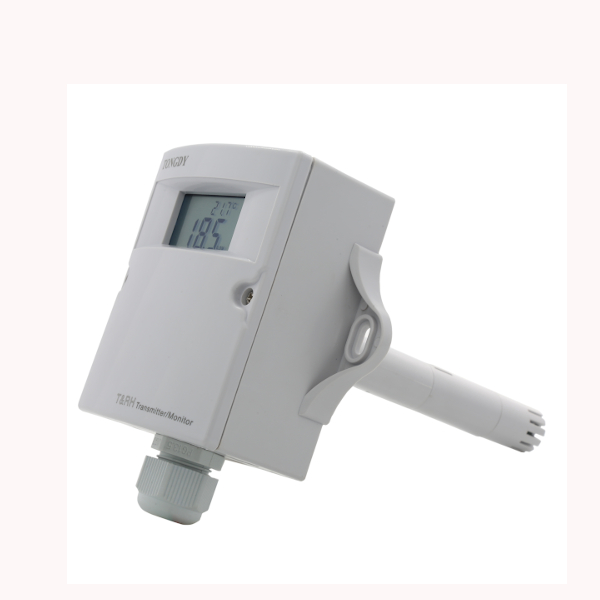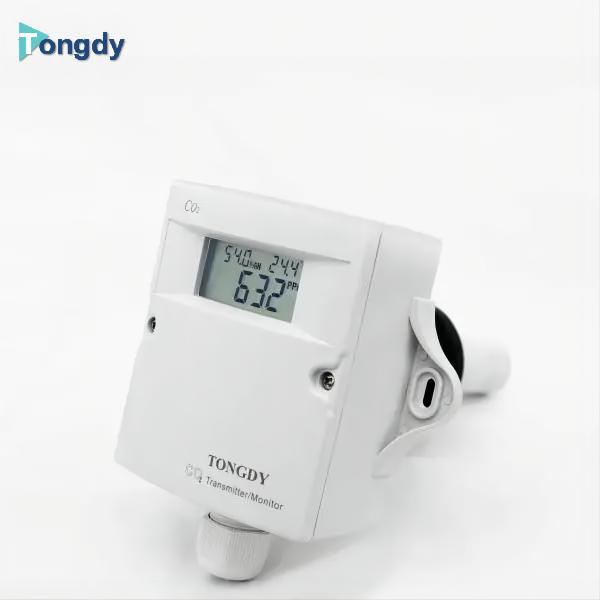

Key HVAC Ozone Controllers & IAQ Sensors
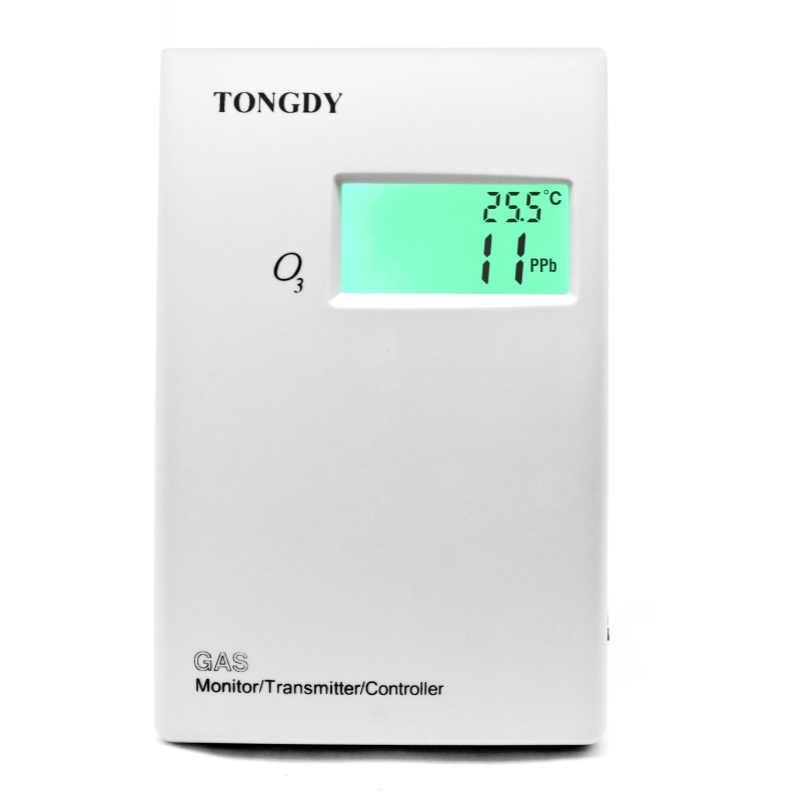
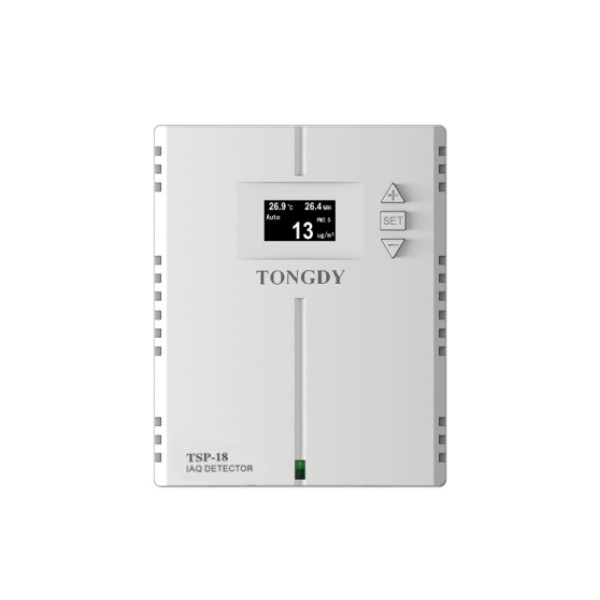
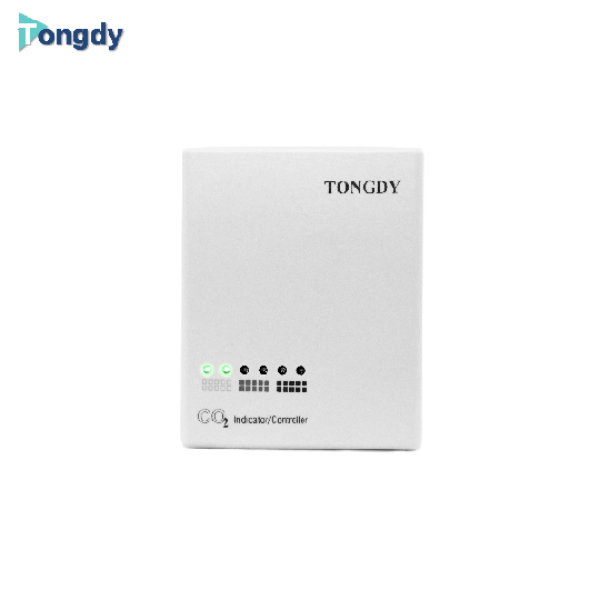
Explore specialized gas controllers equipped with dry-contact relay outputs engineered for seamless integration with Air Handling Units (AHUs), ventilation fans, and building automation controllers.
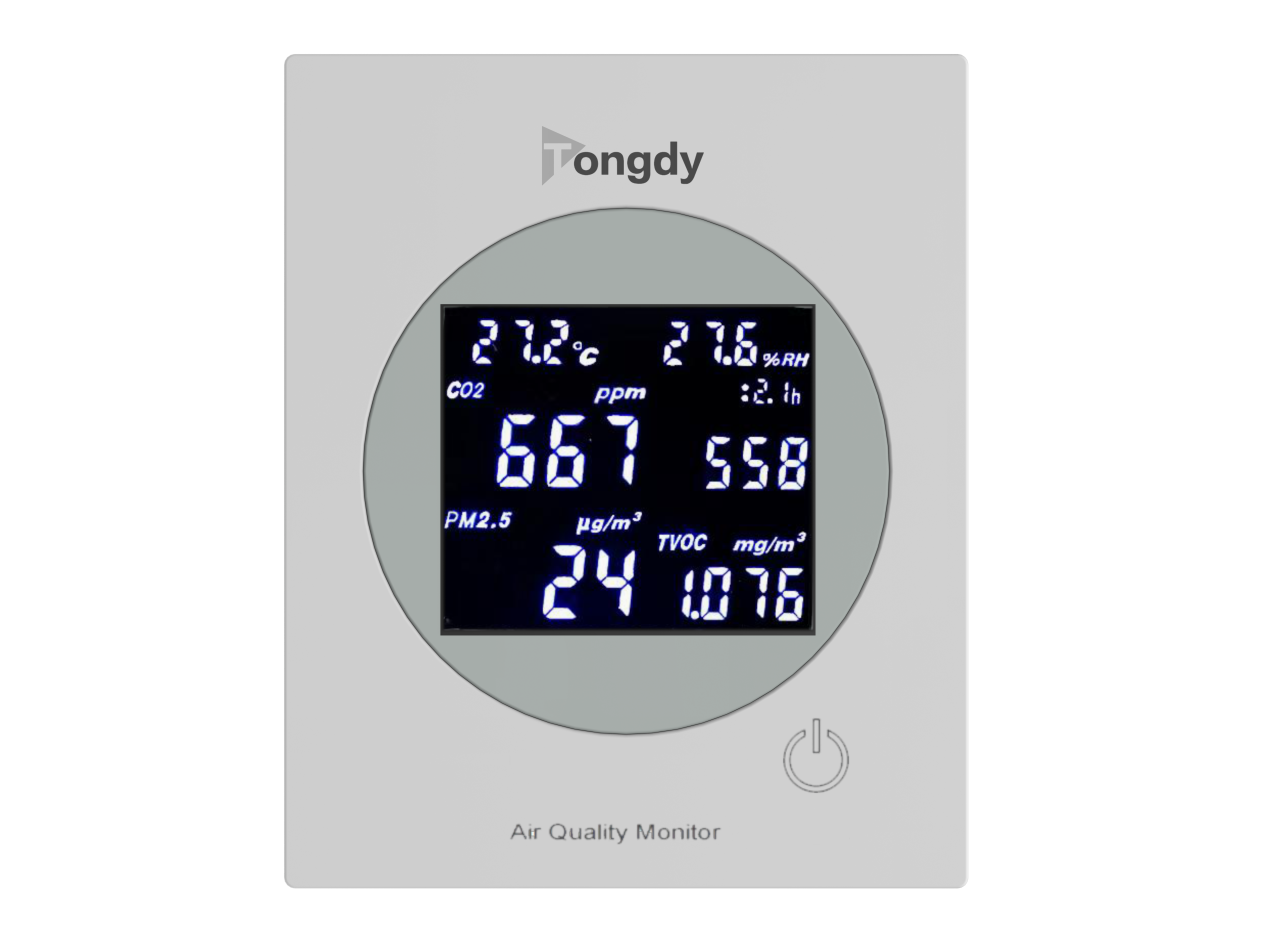
1. Commercial & Industrial Landscape of HVAC Ozone Control
In contemporary commercial architecture, industrial processing facilities, and high-occupancy public venues, Indoor Air Quality (IAQ) management has evolved far beyond basic thermal comfort and crude ventilation. Ozone (O3), a triatomic oxygen molecule featuring exceptional oxidative capability, serves a dual role in modern Heating, Ventilation, and Air Conditioning (HVAC) engineering. On one hand, controlled ozone dosage acts as an extraordinarily potent disinfectant, destroying airborne viruses, neutralizing bacteria, mold spores, and breaking down complex Volatile Organic Compounds (VOCs). On the other hand, ground-level ozone at elevated concentrations poses severe health risks to human occupants, including respiratory inflammation, throat irritation, and lung tissue damage.
This dual nature necessitates the implementation of highly precise, robust, and dependable Ozone Controllers with Relay Outputs for continuous HVAC air monitoring. Modern industrial standards set by organizations such as OSHA (Occupational Safety and Health Administration), ASHRAE, and the World Health Organization (WHO) dictate strict exposure limits—typically requiring indoor ambient ozone concentrations to remain strictly below 0.05 ppm to 0.1 ppm for continuous human occupancy.
Consequently, commercial facilities management can no longer rely on standalone passive monitors or manual ventilation controls. The modern smart building ecosystem demands real-time monitoring devices equipped with hardware-level relay outputs capable of initiating immediate, autonomous physical interventions—such as shutting down ozone generators, engaging fresh air damper actuators, or ramping up variable air volume (VAV) exhaust systems the instant concentration thresholds are breached.
Integrated dry-contact relays provide direct electrical interlocks to fans and dampers, ensuring immediate emergency action regardless of network connectivity.
Advanced electrochemical and optical ozone detection cells engineered to eliminate cross-sensitivity from humidity, VOCs, and temperature fluctuations.
Seamless communication options combining RS485 Modbus / BACnet outputs with physical relay switches for comprehensive smart facility control.
2. Technical Deep Dive: Mechanics of Relay Outputs in HVAC Integration
The key differentiator between a simple ambient gas transmitter and an active gas controller lies in the inclusion of high-current relay outputs. A relay output functions as an electromechanical or solid-state switch triggered directly by the controller's onboard micro-processor based on user-configurable threshold levels.
Dry Contact vs. Powered Relay Interfacing
In standard commercial HVAC installations, dry contact SPDT (Single Pole Double Throw) or SPST (Single Pole Single Throw) relays are preferred. Dry contact relays isolate the sensor's internal circuitry from external control voltages, allowing the ozone controller to command low-voltage 24VAC/VDC HVAC control loops or direct 120V/230V power contactors for ventilation equipment without risk of ground loops or voltage interference.
Dual-Stage Relay Control Architectures
Advanced ozone management strategies utilize multi-stage relay logic to handle complex operational sequences:
- Stage 1 Relay (Disinfection Cycle / Low Setpoint): Controls ozone dosing equipment during scheduled unoccupied hours (e.g., midnight sterilization cycles in hospitals or office towers). When ozone levels reach the optimal target for air purification (e.g., 0.2 ppm), Relay 1 opens to suspend generator operation, preventing excessive chemical buildup.
- Stage 2 Relay (Safety Override / High Threshold Alarm): Functions as a hardwired emergency cutoff. If ozone concentrations breach human safety thresholds (e.g., > 0.08 ppm during occupied hours or > 0.5 ppm during active treatment), Relay 2 immediately cuts power to the ozone generator, energizes high-speed purge exhaust fans, and opens fresh air intake dampers.
Hysteresis & Delay Settings for Equipment Protection
Rapid cycling of heavy industrial fans or ozone corona-discharge tubes can cause premature component failure. Dedicated HVAC ozone controllers incorporate configurable switching hysteresis (switching differentials) and activation delay timers. This guarantees that relays remain engaged for a stable operational window, minimizing mechanical wear on dampers and electronic stress on power supplies.
Remote Probe & Split-Type Architecture
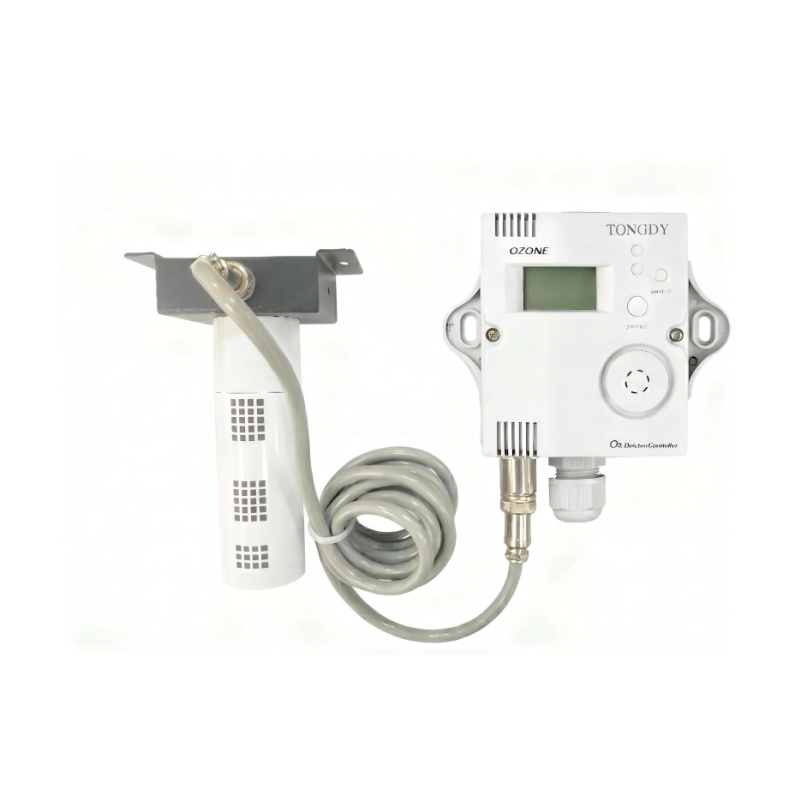
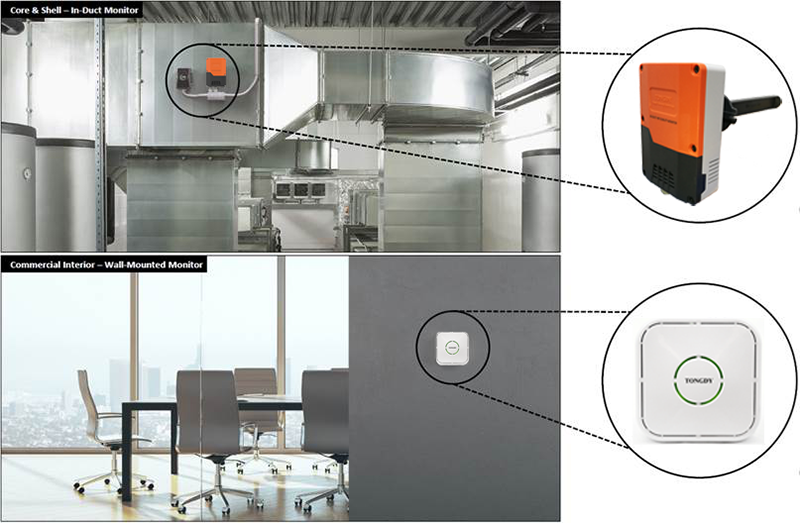
For duct-mounted HVAC monitoring or harsh industrial air environments, split-type ozone controllers provide significant operational benefits. Placing the sensitive detection probe directly within the supply/return air stream while hosting the controller display and relay terminals in an easily accessible wall enclosure ensures streamlined maintenance, safe manual calibration, and real-time visual inspection without entering high-risk mechanical rooms.
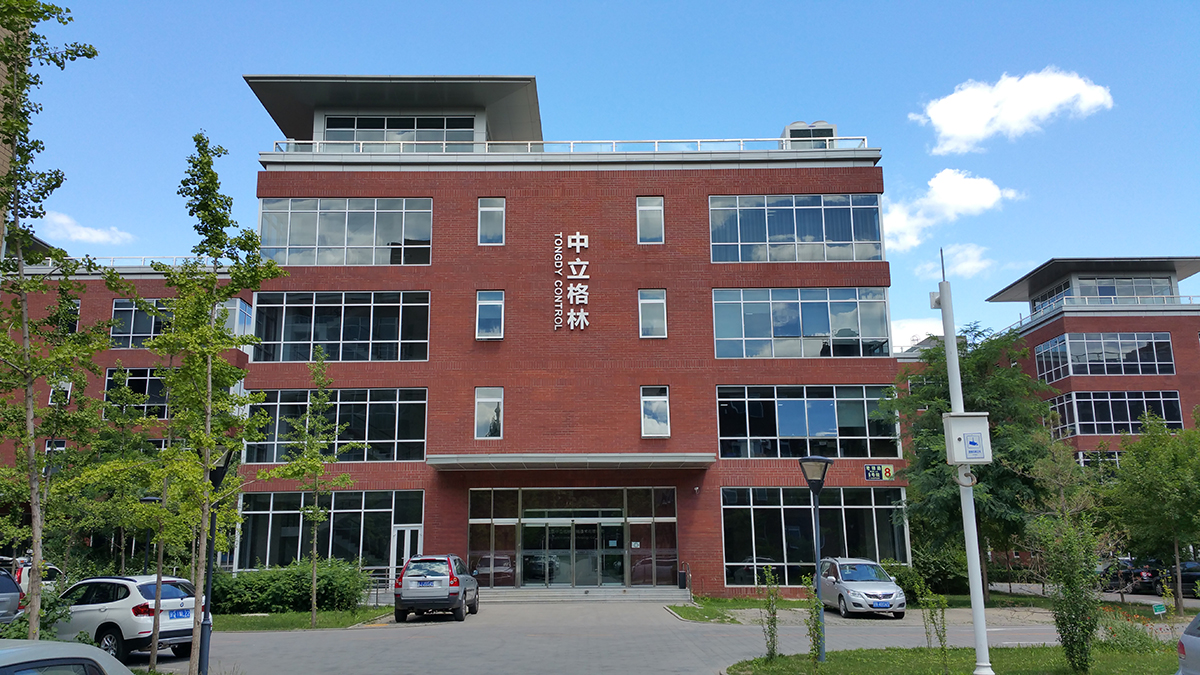
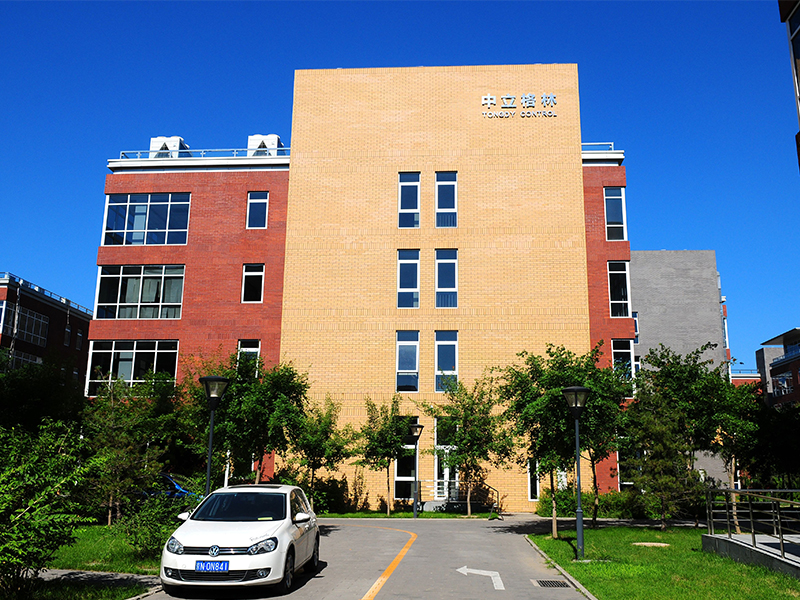
Tongdy Sensing Technology Corporation
Help you build and maintain a healthy indoor environment
Our work makes a difference in helping you make healthy indoor air quality. As one of the earliest companies in China engaged in air quality monitoring products, Tongdy has been always focusing on its strong technology development and design capabilities on indoor air quality monitors.
About Tongdy: Focus on air quality detection and control over 15 years
Our Purpose: We foster research and development on obtaining accurate air quality data, helping you well understand and improve the air you breathe by quantitative assessment and data analysis.
For pursuing our ultimate purpose of creating healthy indoor air quality, we're committed to obtaining real and accurate data and cultivating the next generation of innovators in technology and engineering.
3. Deep Application Scenarios: Commercial & Industrial Use Cases
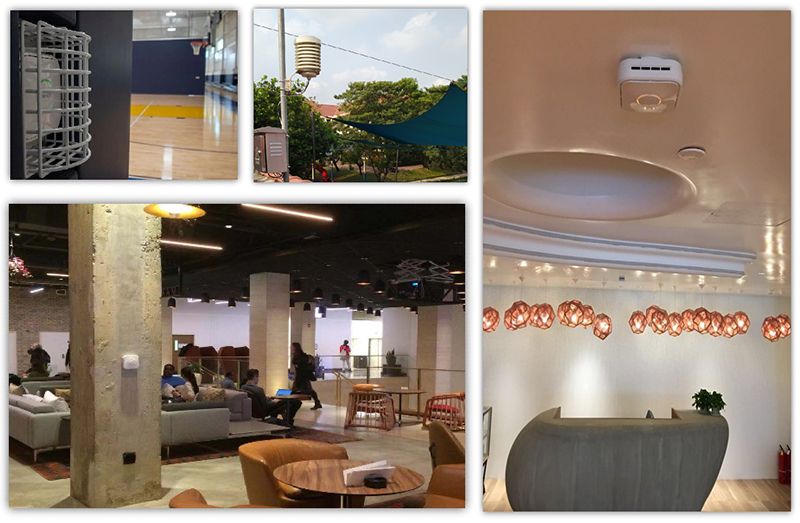
The integration of relay-output ozone monitoring systems spans across diverse economic sectors, each presenting unique airborne challenges, regulatory demands, and mechanical interlock workflows.
A. Commercial Office Complexes & Smart Buildings
In modern LEED and WELL-certified high-rises, central Air Handling Units (AHUs) often utilize low-concentration ozone dosing or photo-catalytic oxidation (PCO) systems inside supply ducts to destroy TVOCs and odors. Duct-mounted ozone controllers monitor downstream air. If ozone bypasses the destruction catalyst and breaches 0.05 ppm, the relay trips to shut off the PCO unit and commands the BMS to flush the air handler with 100% fresh outside air.
B. Cold Storage & Agricultural Food Logistics
Ozone is widely deployed in fruit and vegetable cold storage rooms to inhibit mold growth and destroy ethylene gas, thereby extending produce shelf life. However, high ozone levels can accelerate the oxidation of refrigeration copper coils and harm warehouse workers during loading routines. Wall-mounted ozone controllers with dual relay outputs control generator cycling during storage cycles and activate high-capacity exhaust fans prior to human shift entry.
C. Indoor Aquatics, Swimming Pools & Commercial Gymnasiums
Indoor swimming facilities generate volatile chloramines (trichloramine), creating pungent odors and corrosive indoor air. Advanced HVAC air washers utilize ozone to break down chloramines in recirculated air streams. Ozone monitoring controllers installed in exhaust ducts protect air distribution systems from excess ozone residual, utilizing relay triggers to modulate exhaust dampers when gas accumulation exceeds safe design parameters.
D. Industrial Wastewater Treatment & Odor Scrubbing Systems
Municipal sewage treatment plants and chemical manufacturing facilities operate massive wet scrubbers and ozone injection systems to neutralize hydrogen sulfide (H2S) and organic foul odors. High-concentration ambient ozone controllers monitored by safety-rated relays provide primary gas leakage alarm systems, triggering plant-wide isolation valves and siren lights upon detecting hazardous fugitive emissions.
Our Core Technical Values & Innovations
Engineering precision, data reliability, and continuous technological advancement
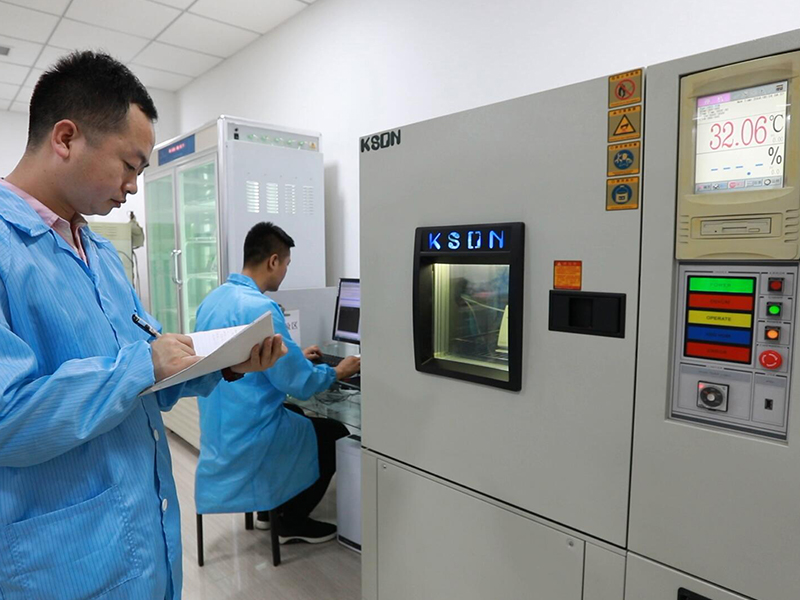
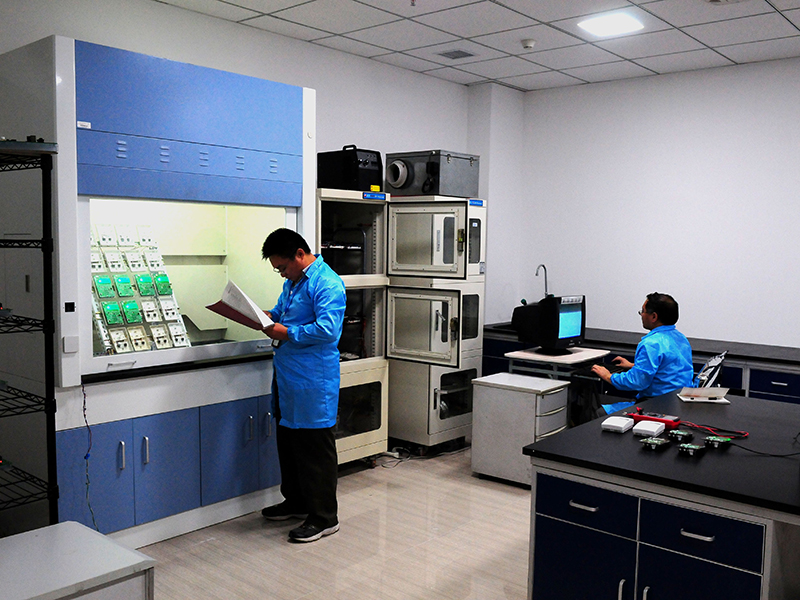
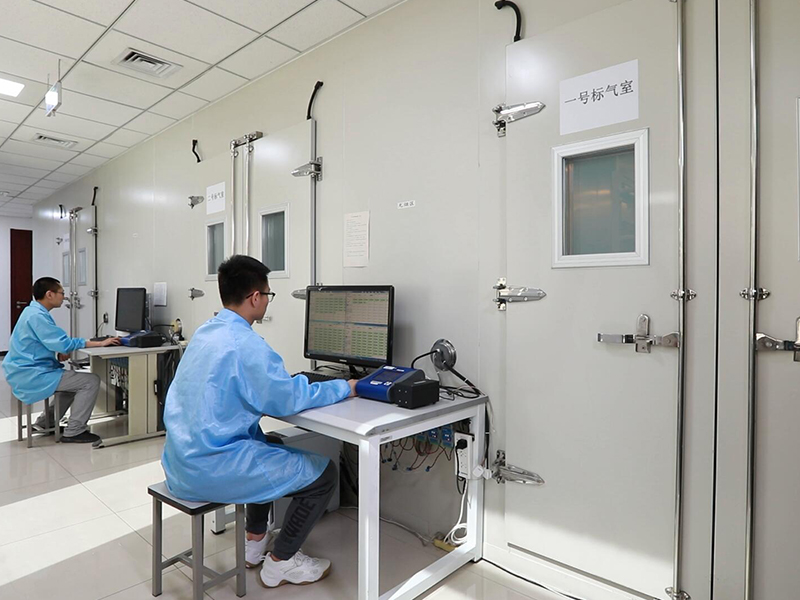
Proprietary technology, providing an effective calibration method to support higher data accuracy across varying humidity, temperature, and industrial environments.
Special multi-sensor module featuring a sealed cast aluminum structure capable of housing up to six specialized gas sensors inside a single compact frame.
Tongdy-owned manufacturing with substantial investments in ongoing research to ensure maximum product reliability, sensor longevity, and technical innovation.
Real-Time Monitoring & Data Analysis
"MyTongdy" Platform helps facility managers, HVAC engineers, and IAQ auditors read and analyze live and historical air quality data across desktop computers or mobile devices.
The Expert of Indoor Air Quality Data: With over 15 years of dedicated experience in IAQ engineering, Tongdy provides commercially accurate data, empowering stakeholders to make data-driven decisions that foster health-centered indoor environments.

Why Choose Tongdy Sensing Technology
- 20+ Years of Expertise in IAQ & HVAC Solutions: Trusted worldwide by building automation integrators for high-quality products fully compliant with RESET, WELL, and LEED standards.
- 100+ Monitoring and Control Products: Over 100 commercial-grade monitors and controllers including CO2, single-gas (O3, CO, TVOC, PM2.5), and multi-sensor units for BMS and green building applications.
- Reliable and Accurate Data: Providing smart building managers with actionable real-time data to optimize energy use and occupant health.
- Tailored to Your Specific Needs: Flexible hardware options, custom relay threshold setting, and fast global delivery enable cost-effective gas detection solutions.
Certificates, Honor & Social Responsibility
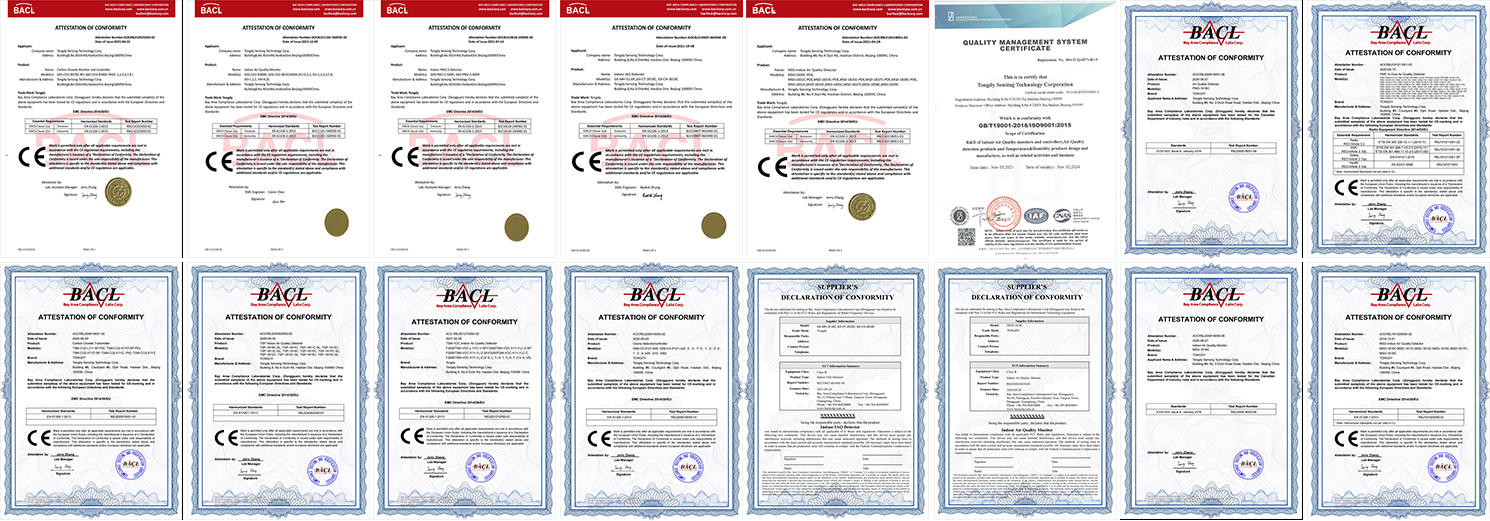
Tongdy actively develops air quality monitors and is devoted to healthy indoor air quality. As a responsible corporate citizen, Tongdy collaborates with leading international organizations such as WELL—the world's premier organization focused on deploying people-first places to advance a global culture of health.
4. Future Trends: IoT Integration & AI-Driven HVAC Optimization
As smart building technology transitions into Industry 4.0, ozone monitoring systems are evolving from isolated safety controls into fully integrated IoT nodes within smart micro-grids. The future of HVAC air quality management relies on hybrid control loops—combining local hardware relay protection with cloud-based predictive analytics.
AI-Optimized Dynamic Threshold Switching
Modern building management systems leverage machine learning algorithms to evaluate outdoor weather data, indoor occupancy schedules, and historical ozone decay rates. By feeding live gas sensor metrics into predictive control models, the BMS can automatically adjust ozone generator intensity before indoor air pollution spikes occur. However, the physical relay output on the local controller remains the ultimate non-negotiable safety guardrail—capable of cutting power instantly if software algorithms fail or network packets drop.
Green Building Standard Alignment (RESET, WELL v2, LEED v4.1)
International sustainable building standards now mandate continuous monitoring of indoor pollutants, including ozone and TVOCs, for high-performance building certification. Incorporating commercial controllers with validated calibration protocols ensures compliance with RESET Air Standard grade requirements and earns valuable credits under the WELL Building Standard's Air Feature requirements.
5. Engineering Best Practices for HVAC Ozone Controller Installation
Achieving reliable performance from an ozone controller with relay outputs requires strict adherence to installation guidelines:
- Probe Location in Ducts: Mount duct probes downstream of ozone generators or UV lamps at a distance equal to at least 8 to 10 duct diameters to allow complete gas mixing before measurement. Avoid placing probes immediately adjacent to sharp elbows or damper vanes where turbulent dead zones exist.
- Wall Mount Height: Ambient ozone gas is denser than air ($1.66 \text{ g/L}$ compared to air at $1.29 \text{ g/L}$). In ambient room monitoring, position wall controllers approximately 1.2 to 1.5 meters above the floor—directly in the occupant breathing zone—while avoiding stagnant corners or direct airflow from fresh air diffusers.
- Relay Load Safeguards: When using the internal controller relay to switch inductive loads (such as heavy mechanical relays, motor contactors, or solenoid valves), always install an external RC snubber or surge suppressor across the relay contacts to prevent electrical arc damage to the circuit board.
- Scheduled Sensor Module Swaps: Electrochemical ozone sensors experience natural electrolyte depletion over time. Utilize controllers designed with plug-and-play smart sensor modules to allow seamless field replacement and annual recalibration without rewiring the main HVAC relay housing.
Upgrade Your HVAC System with Intelligent Ozone Controllers
Ensure occupant safety, optimize air purification performance, and maintain strict environmental compliance with Tongdy's complete line of IAQ controllers and transmitters.
Explore Ozone ControllersComplete HVAC Monitoring & Control Portfolio
Browse our full range of commercial gas controllers, transmitters, and multi-parameter IAQ sensors engineered for HVAC applications.