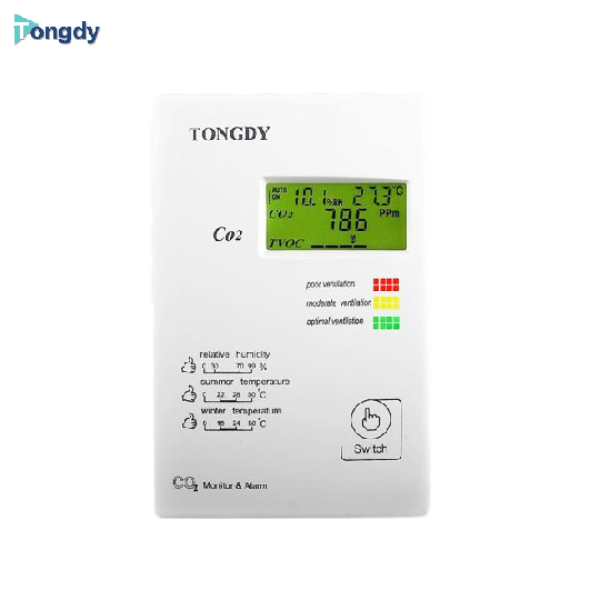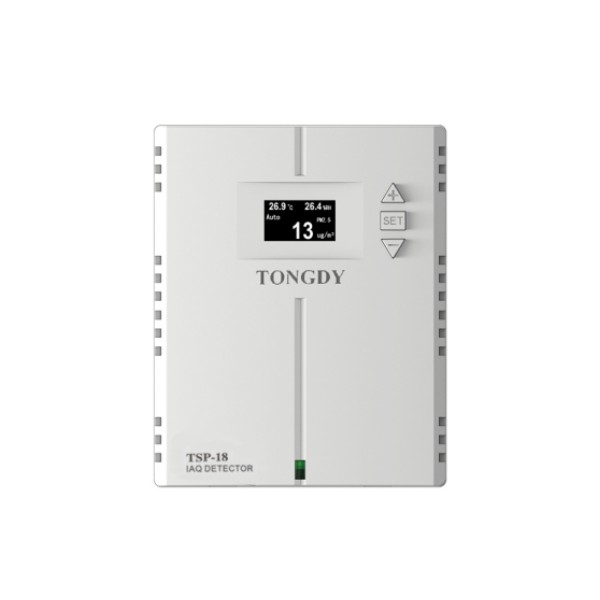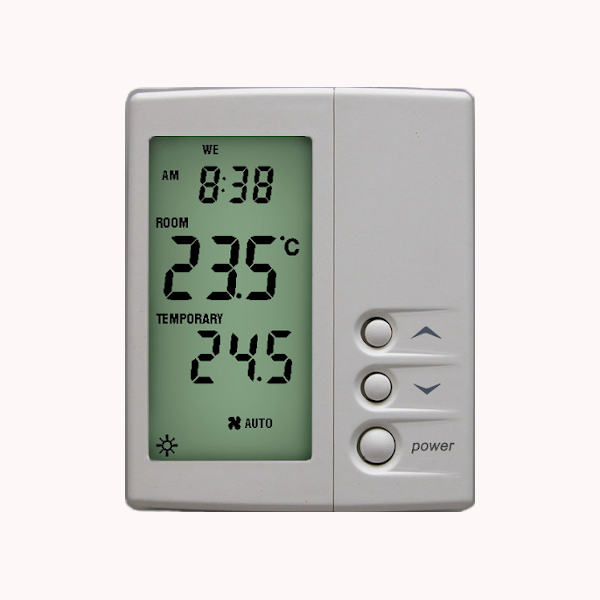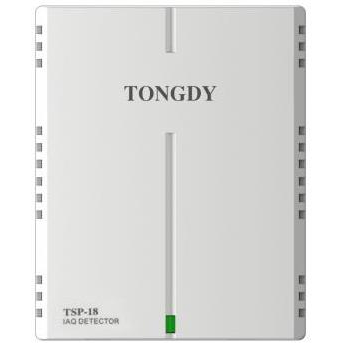

Featured Hotel IAQ Monitoring Solutions
Industrial-grade precision designed for guest room comfort, conference automation, and HVAC integration.
Commercial Landscape & Future Trajectory of Hotel IAQ
Strategic insights into luxury hospitality expectations, environmental compliance, and cognitive wellness.
1. Contemporary Market Landscape: The Imperative Shift in Hospitality
The global hospitality sector has arrived at a pivotal turning point where indoor environmental health is no longer an invisible utility, but a prominent driver of guest satisfaction, brand reputation, and corporate value. Modern hotel guests—ranging from wellness-focused leisure travelers to high-profile executive conference attendees—possess unprecedented awareness regarding airborne pathogens, particulate matter (PM2.5, PM10), carbon dioxide concentration, and chemical volatile organic compounds (TVOCs). In urban centers and destination resorts alike, sealing envelopes to maximize thermal efficiency has inadvertently caused the "Sick Building Syndrome" in modern accommodations, leading to stale air, higher CO2 accumulations, and moisture-induced allergen formation.
Consequently, hoteliers are transitioning away from passive, subjective management toward quantifiable, automated data acquisition. International green building frameworks such as WELL v2, LEED, and RESET have established concrete metrics for hospitality assets. Deploying commercial-grade instruments like the EM21 Indoor Air Quality Monitor within hotel air quality monitoring architectures allows operators to transform intangible clean air into a certified, market-differentiating amenity that reinforces guest loyalty while proactively mitigating regulatory and public health risks.
2. Technical & Industrial Evolution: AI-Driven Ventilation and Energy Optimization
Historically, hotel air conditioning and ventilation (HVAC) systems operated on fixed, time-scheduled parameters or rudimentary single-stage thermostats. This legacy approach resulted in astronomical energy overheads—often accounting for 40% to 60% of total commercial property utility consumption—while frequently failing to deliver optimal air exchange during sudden occupancy surges. The contemporary technological landscape integrates real-time multi-sensor matrices directly into building management systems (BMS) through open communication protocols such as Modbus RS-485, BACnet IP, and MQTT IoT connectivity.
The trajectory points decisively toward predictive Demand Controlled Ventilation (DCV). Modern monitors leverage embedded calibration algorithms and machine learning telemetry to predict ventilation requirements before CO2 concentrations breach cognitive-impairment thresholds (e.g., above 1,000 ppm). By dynamically matching outdoor fresh air intake directly with precise spatial occupancy metrics, smart properties achieve double-digit reductions in HVAC chillier and boiler loads, successfully aligning corporate ESG (Environmental, Social, and Governance) targets with supreme ambient luxury.
Smart HVAC Interlocking
Dynamic automated signaling enables instant communication with Fan Coil Units (FCU) and Variable Air Volume (VAV) mechanisms, eliminating wasted baseline power.
Multiparametric Analysis
Continuous surveillance of CO2, TVOC, particulate dust, temperature, and relative humidity guarantees complete holistic visibility across diverse spatial layouts.
Predictive ESG Reporting
Robust cloud integrations streamline automated data pipelines for effortless WELL, LEED, and municipal building health compliance documentation.
Architectural Application Scenarios in Hospitality Infrastructure
How precision monitoring safeguards air purity across diverse hotel micro-environments.
Suite & Executive Guestrooms: Cognitive Rest and Acoustic Harmony
Within high-end guest quarters, quietness and pure ambient air are fundamental prerequisites for restful sleep. Throughout overnight rest periods, closed doors and double-glazed acoustic windows cause localized carbon dioxide levels to climb sharply, frequently reaching 1,500 to 2,000 ppm by dawn. This carbon concentration degrades sleep architecture, induces morning headaches, and leaves travelers feeling fatigued. The EM21 multi-sensor series monitors these conditions continuously, silently triggering fresh air dampers without producing disruptive fan noise, while ensuring relative humidity remains calibrated between 40% and 60% to suppress viral suspension and allergen viability.
Ballrooms, Banquet Halls & Grand Conference Centers
Grand public spaces experience severe occupancy volatility. Within minutes, an empty 800-square-meter conference hall can fill with hundreds of attendees, driving immediate spikes in thermal energy, moisture, and exhaled CO2. Relying on manual maintenance intervention leads to poor air quality, stuffiness, and diminished mental alertness during important keynote sessions. Strategic multi-point sensor arrays provide low-latency feedback to air handling units (AHUs), initiating pre-cooling and purging routines in direct correlation to occupant densities.
Fitness Centers, Hydrotherapy Facilities & Spa Zones
Elevated metabolic rates in hotel fitness centers dramatically accelerate respiration and perspiration, requiring substantial fresh air circulation to avoid oxygen depletion and odor buildup. Simultaneously, indoor aquatic centers, heated swimming facilities, and thermal spas present high ambient humidity compounded by aerosolized chloramines and sanitization byproducts. The deployment of durable, dew-resistant sensors and specialized gas monitors prevents surface condensation, stops mold propagation, and eliminates respiratory irritants before they compromise wellness operations.
Back-of-House: Underground Garages, Commercial Kitchens & Laundries
Uncompromising guest satisfaction relies fundamentally on back-of-house operational excellence. Below-ground parking structures generate hazardous accumulations of toxic Carbon Monoxide (CO) and Nitrogen Dioxide (NO2), which can seep upward via elevator shafts and utility pathways into primary lobbies if negative pressure boundaries fail. In large banquet kitchens, combustion gases and high-temperature organic cooking fumes present constant occupational and fire hazards. Strategic continuous environmental instrumentation guarantees fail-safe exhaust triggering and uninterrupted compliance with international occupational safety regulations.
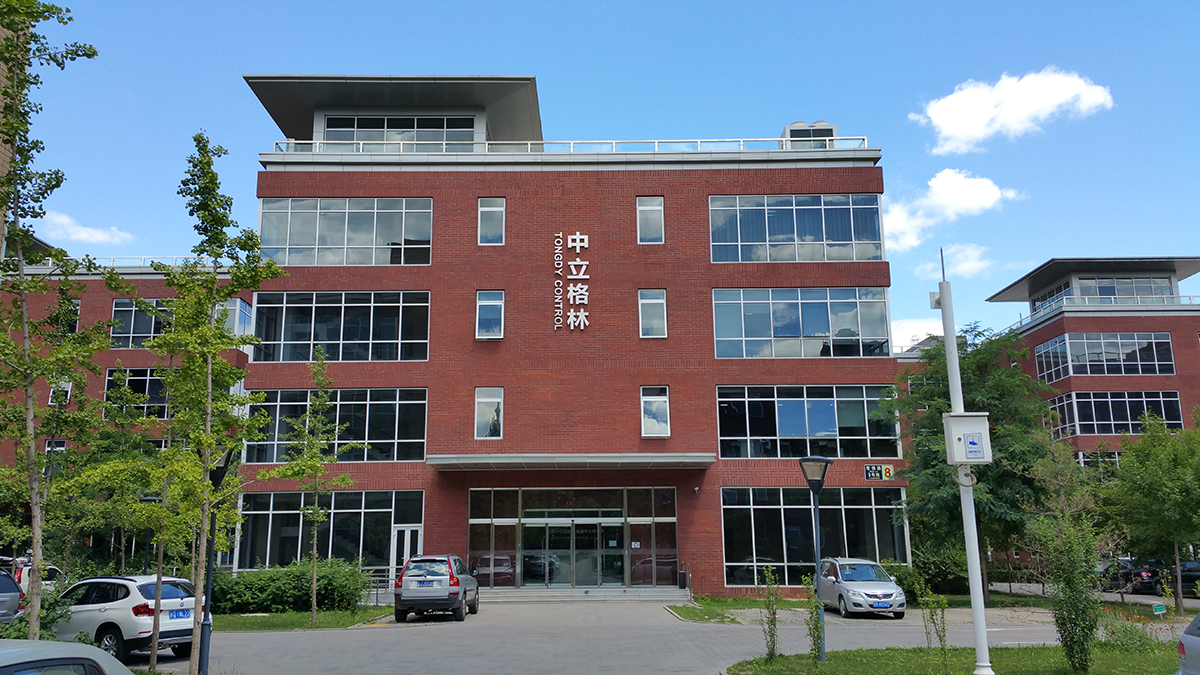
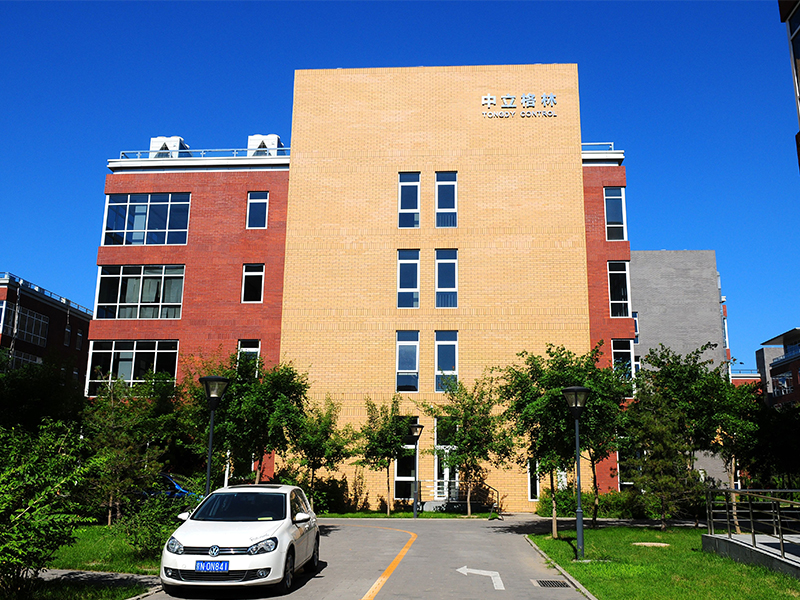
Tongdy Sensing Technology Corporation
Help you build and maintain a healthy indoor environment
Our work makes a difference in helping you make the healthy indoor air quality. As one of the earliest companies in China engaged in air quality monitoring products, Tongdy has been always focusing on its strong technology development and design capabilities on the indoor air quality monitors.
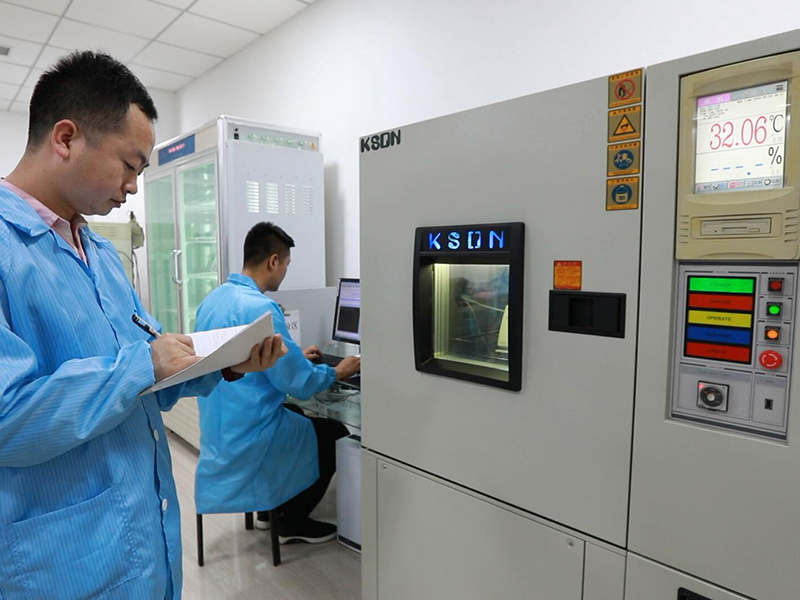
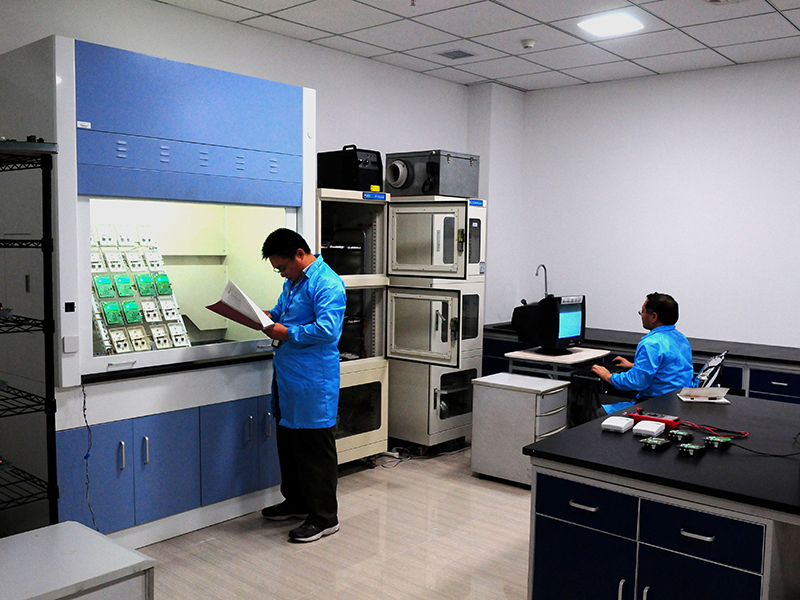
Focus on air quality detection and control over 15 years. We foster research and development on obtaining accurate air quality data, help you well understand and improve the air you breathe by quantitative assessment and data analysis. For pursuing our ultimate purpose of creating healthy indoor air quality, we’re committed to obtain real and accurate data and cultivating the next generation of innovators in technology and engineering.
Core Engineering Strengths & Value Architecture
Exclusive Calibration Algorithm
Proprietary technology delivers effective multi-point calibration to sustain superior data accuracy across fluctuating temperatures and high humidity environments.
Unique Multi-Sensor Modules
Engineered with sealed cast-aluminum structures housing up to six commercial sensing components inside, shielding against electromagnetic interference.
Continuous R&D & Stringent QC
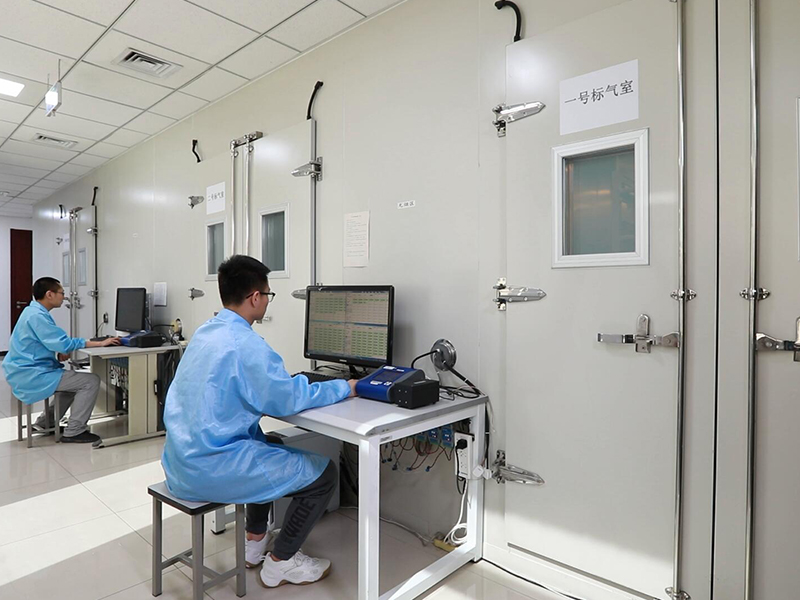
Substantial enterprise investment in proprietary laboratories guarantees rigorous long-term hardware reliability, structural innovation, and stability.
"MyTongdy" Cloud Platform
Enables real-time tracking, spatial visualization, threshold alarms, and automated operational historical analytics seamlessly via PC dashboards or mobile apps.
The IAQ Data Authority
Over 15 years of industry experience empowering clients with authoritative data to execute informed decisions that foster health-centered architecture.
Tailored Engineering Architecture
Flexible modular hardware, specialized design expertise, and rapid logistical deployment offer cost-effective, custom monitoring matrices.
Social Responsibility & Global Well-Being
Tongdy actively develops air quality monitors and is devoted in healthy indoor air quality, and strive to become an excellent enterprise model. As a corporate citizen, Tongdy has contributed to public welfare undertakings such as cooperate with public benefit corporation, like WELL- the world’s leading organization focused on deploying people first places to advance a global culture of health, especially exploring the impact of indoor air quality to people’s health based on The WELL Building Standard™.

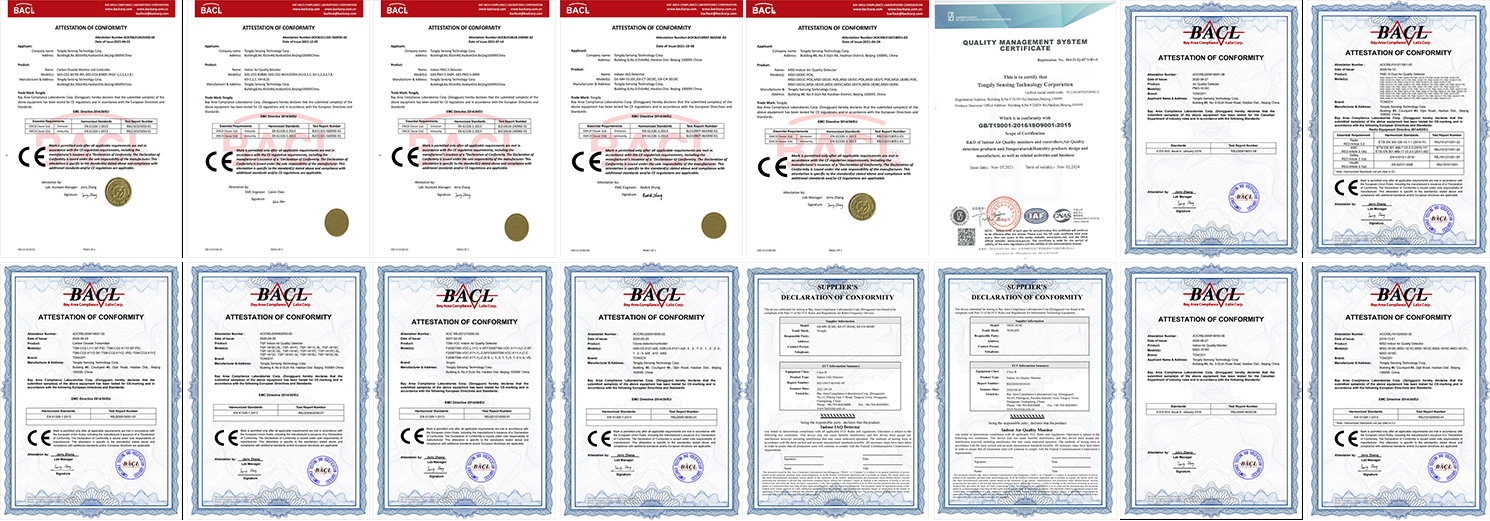
Certificates, Standards and Enterprise Honors
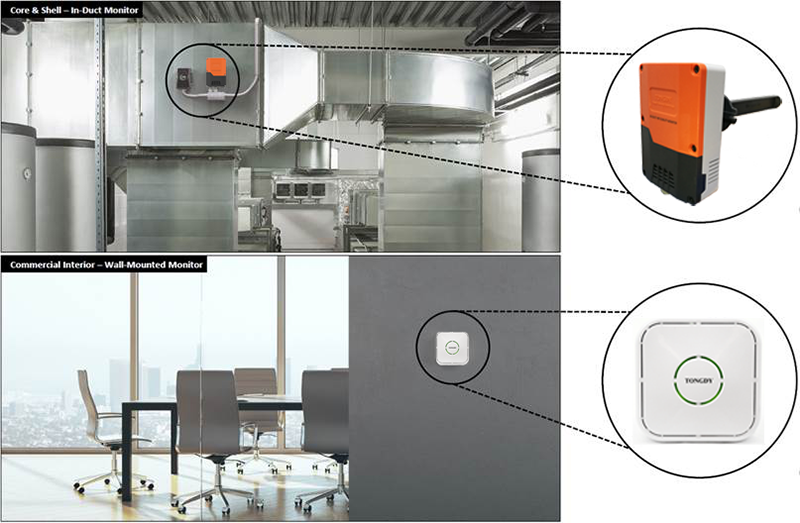
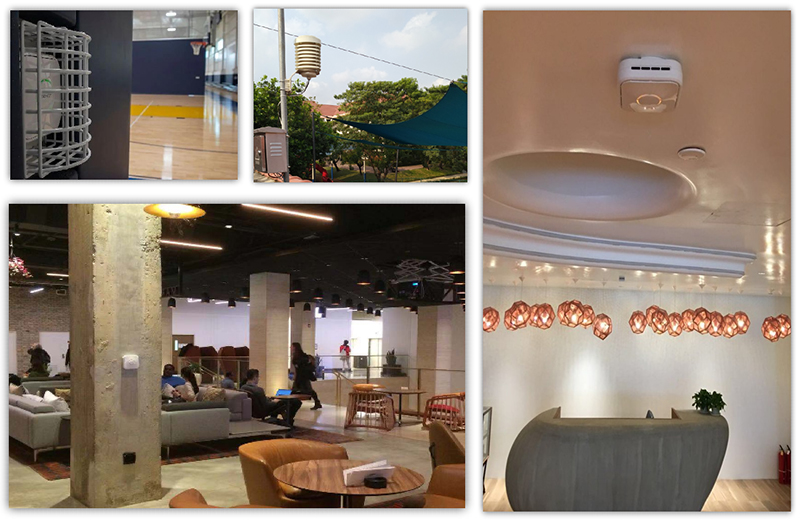
Comprehensive Commercial IAQ & HVAC Product Line
Explore our complete ecosystem of advanced environmental transmitters, network controllers, and sensing modules.