

Featured CO2 Sensor Modules for Ventilation Architecture
Engineered for seamless integration into fresh air systems, AHUs, VAV units, and intelligent building monitoring networks.
The Critical Role of CO2 Sensor Modules in Modern Ventilation Measurement
In modern structural engineering and building operations, indoor air quality (IAQ) management has transitioned from a basic comfort requirement into a mission-critical pillar of occupant health, productivity, and thermal efficiency. At the core of this transition lies the CO2 sensor module for ventilation system measurement. Carbon dioxide (CO2) serves as the primary operational proxy for human occupancy density and bio-effluent accumulation in enclosed spaces. As building envelopes become increasingly airtight to comply with stringent global energy-efficiency codes, real-time CO2 sensing provides the essential telemetry required to modulate fresh air intake dynamically.
Without precise, drift-resistant CO2 measurement within air handling units (AHUs), supply/return air ducts, and localized zones, mechanical ventilation systems operate on static time-based schedules or constant volume rates. This legacy approach leads to two major failure modes: severe energy waste through over-ventilating unoccupied spaces, or chronic under-ventilation resulting in "Sick Building Syndrome" (SBS), cognitive decline, and elevated pathogen transmission risk. Integrating high-performance CO2 sensor modules enables true Demand-Controlled Ventilation (DCV), aligning airflow precisely with actual indoor metabolic demand.
Core Sensing Mechanics: NDIR Technology Breakthroughs
Commercial and industrial ventilation systems demand sensor modules capable of operating in continuous, dusty, and variable humidity environments without losing baseline stability. Non-Dispersive Infrared (NDIR) spectroscopic absorption stands as the gold standard for carbon dioxide detection.
Single-Beam vs. Dual-Channel Optical Design
While standard single-beam NDIR sensors rely on Automatic Baseline Calibration (ABC) assuming weekly unoccupied periods at 400 ppm outdoor reference levels, commercial venues like 24/7 hospitals, factories, and continuous data centers require Dual-Channel NDIR optical technology. Dual-beam architecture utilizes a dedicated reference wavelength (typically 3.9 µm) alongside the CO2 absorption wavelength (4.26 µm) to compensate continuously for lamp aging, optical degradation, and mechanical shift without requiring software assumptions.
Signal Processing & Thermal Drift Mitigation
Modern CO2 sensor modules incorporate multi-point temperature and pressure compensation algorithms onboard. Because gas density fluctuates with atmospheric pressure and duct temperatures, internal thermistors and barometric calculation curves convert raw infrared absorption voltages into standardized parts-per-million (ppm) output, preventing false ventilation triggers caused by seasonal pressure drops or rapid temperature shifts.
Industrial & Commercial Landscape & Market Drivers
Understanding the global transition toward smart buildings, decarbonization, and standardized indoor environmental quality benchmarks.
1. Net-Zero & Energy Regulations
With real estate contributing nearly 40% of global carbon emissions, HVAC operation represents the largest electrical load in commercial buildings. Standardizing CO2 sensor modules within ventilation measurement loops allows Building Management Systems (BMS) to scale fresh air dampers dynamically, cutting fan power and conditioning costs by up to 45% annually.
2. Green Building Standards
Certifications such as LEED v4.1, WELL Building Standard v2, and RESET Air mandate continuous digital tracking of CO2 levels. To earn credits, sensor modules must maintain tight accuracy thresholds (±30 ppm +3% of reading) and offer seamless data exports via standardized protocols like BACnet MSTP, Modbus RTU, or analog 0-10V outputs.
3. Post-Pandemic Pathogen Mitigation
Public health guidelines from ASHRAE (Standard 62.1) and REHVA emphasize maintain indoor CO2 levels strictly below 800-1000 ppm to lower viral aerosol concentration. Sensor modules act as immediate safety telemetry, triggering purge cycles when CO2 thresholds are breached.
Deep-Dive Application Scenarios
A. Commercial Office Complexes & Smart Towers
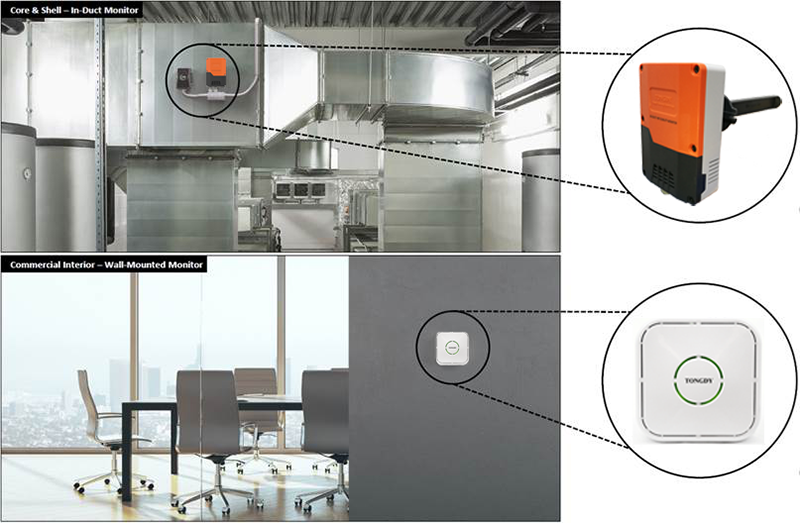
In multi-tenant office buildings, occupancy fluctuates dramatically between conference rooms, open plan desks, and executive suites. Wall-mounted and duct-integrated CO2 sensor modules report localized ppm spikes to Variable Air Volume (VAV) controllers. When a 20-person meeting room spikes to 1400 ppm, the system opens local VAV dampers without wasting conditioned air on surrounding empty zones.
- Dynamic damper modulation based on real-time occupant respiration rates.
- Integration with cloud-based digital twin monitoring tools via IoT gateways.
- Reduction of afternoon cognitive fatigue and office brain fog.
B. Educational Facilities & Auditoriums
Schools and university lecture halls present extreme load swings—empty one hour, crowded with hundreds of students the next. High-response CO2 sensor modules instantly sense sudden metabolic increases, allowing the ventilation system to ramp up fresh air exchange prior to indoor ambient temperatures rising, preventing drowsiness and supporting optimal learning environments.
- Rapid response times (t90 < 30 seconds) for volatile crowd dynamics.
- Low-noise mechanical damper actuation triggers.
- Multi-parameter integration (CO2 + Temperature + Relative Humidity).
C. Industrial Cleanrooms & Chemical Manufacturing
In industrial processing plants, laboratories, and pharmaceutical cleanrooms, ventilation measurement requires robust sensor construction. CO2 modules mounted in harsh exhaust ducts must withstand chemical off-gassing, static pressure swings, and particulate exposure while maintaining sealed structural integrity and explosion-proof electrical isolation.
- Sealed cast aluminum or IP65 enclosure options for tough environments.
- High-range measurement up to 5,000 ppm - 10,000 ppm for specialized manufacturing.
- Dual analog signal output (0-10V / 4-20mA) and RS485 communication.
D. Controlled Environment Agriculture (CEA) & Greenhouses
Unlike human comfort monitoring where high CO2 is undesirable, agricultural greenhouses actively inject CO2 up to 1000–1500 ppm to accelerate photosynthesis and crop yield. Here, the CO2 sensor module governs automated enrichment dosing paired with emergency exhaust ventilation to maintain strict biological thresholds.
- Plug-and-play relay control for direct solenoid valve actuation.
- High moisture tolerance optical design for high-humidity greenhouse air.
- Dual-zone ventilation override to protect agricultural workers from CO2 buildup.
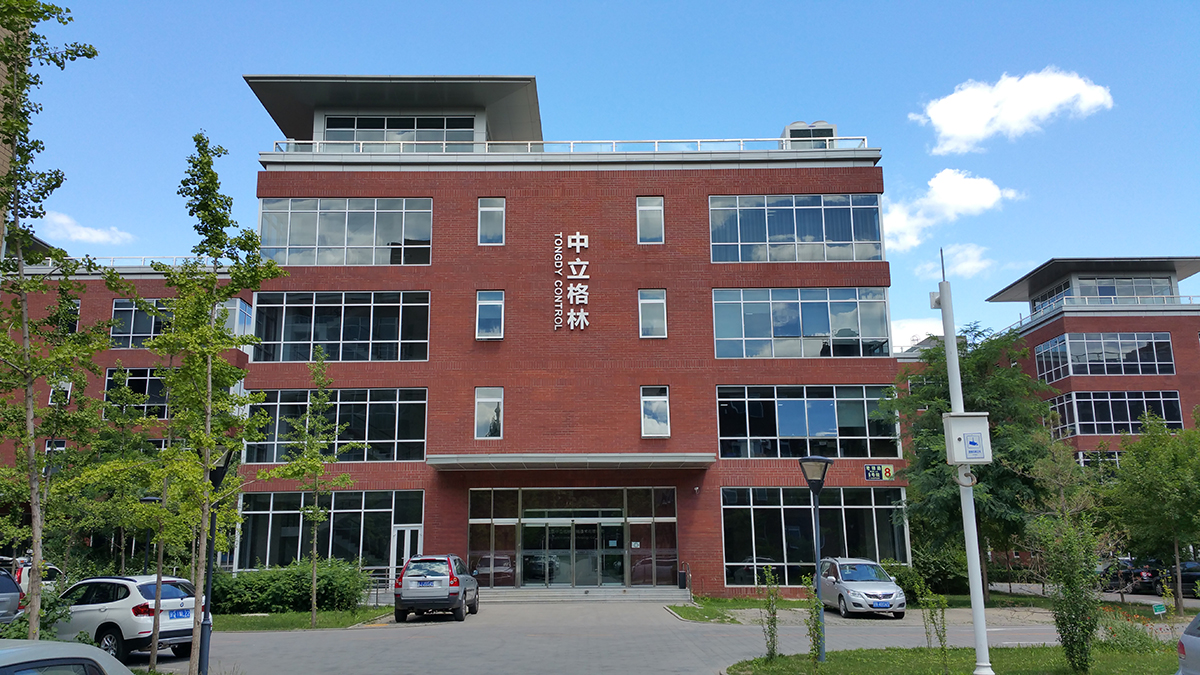
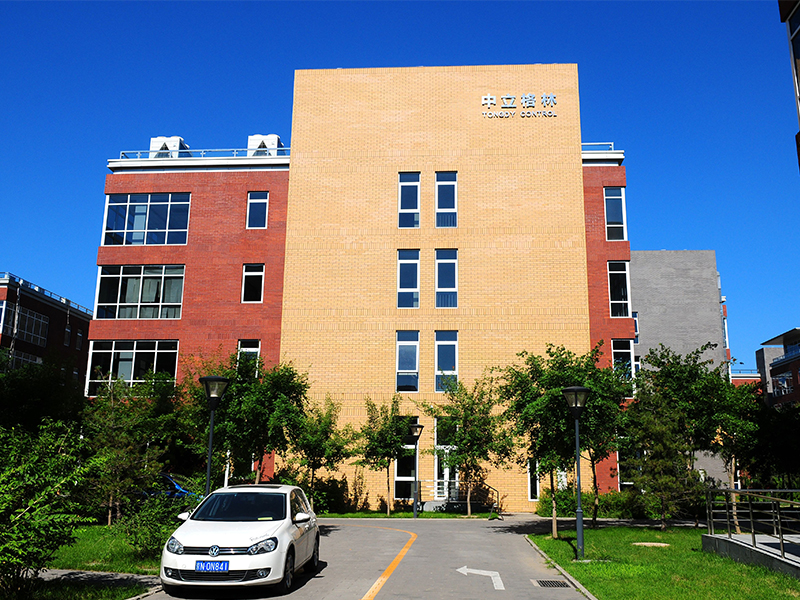
Tongdy Sensing Technology Corporation
Help you build and maintain a healthy indoor environment
Our work makes a difference in helping you make the healthy indoor air quality. As one of the earliest companies in China engaged in air quality monitoring products, Tongdy has been always focusing on its strong technology development and design capabilities on the indoor air quality monitors.
About Tongdy
Focus on air quality detection and control over 15 years
Tongdy Sensing Technology Corporation has consistently pioneered advances in commercial air sensing, environmental controllers, and multi-sensor integration modules for HVAC dynamic controls.
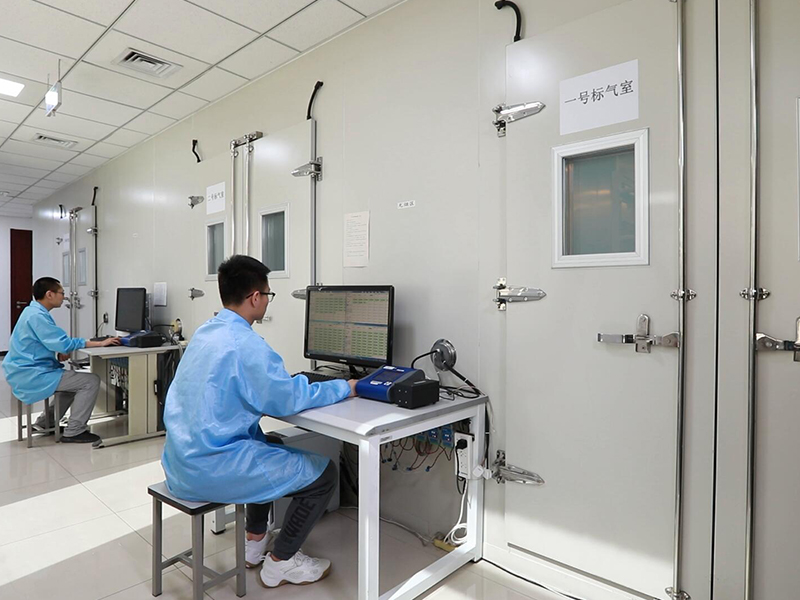
Our Purpose
We foster research and development on obtaining accurate air quality data, help you well understand and improve the air you breathe by quantitative assessment and data analysis.
For pursuing our ultimate purpose of creating healthy indoor air quality, we’re committed to obtain real and accurate data and cultivating the next generation of innovators in technology and engineering.

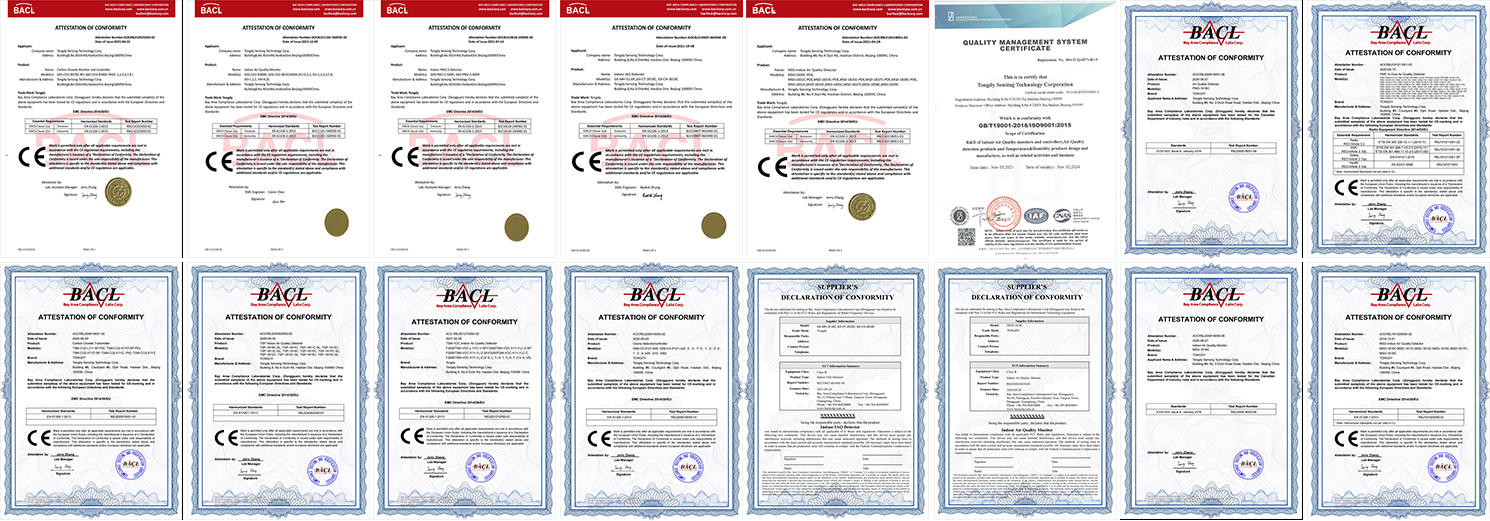
Certificates and Honor
Rigorous international compliance, ISO standards, CE markings, and RESET certified monitoring accuracy.
Our Core Values & Technology Edge
Exclusive innovative calibration algorithm
Proprietary technology, the effective calibration method to support higher data accuracy in different environment.
Unique professional multi-sensor module
Special multi-sensor module with the sealed cast aluminum structure and up to six sensors inside.
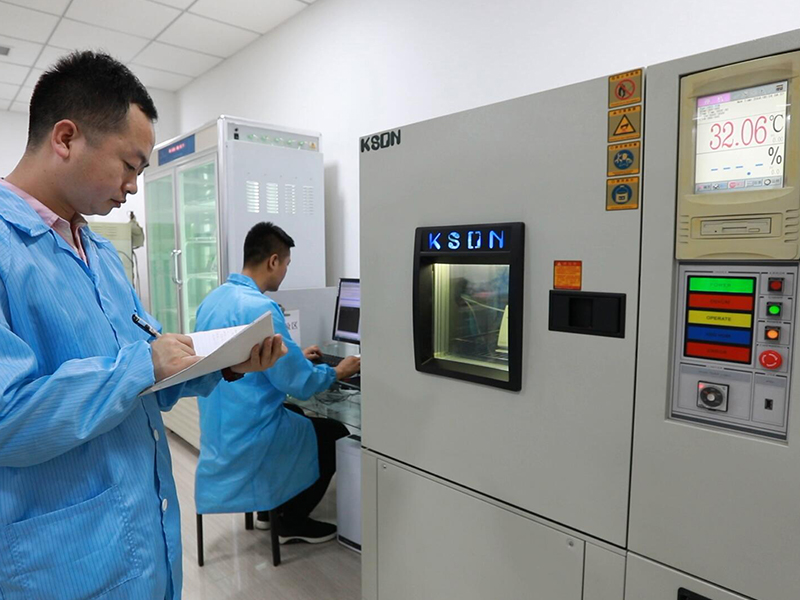
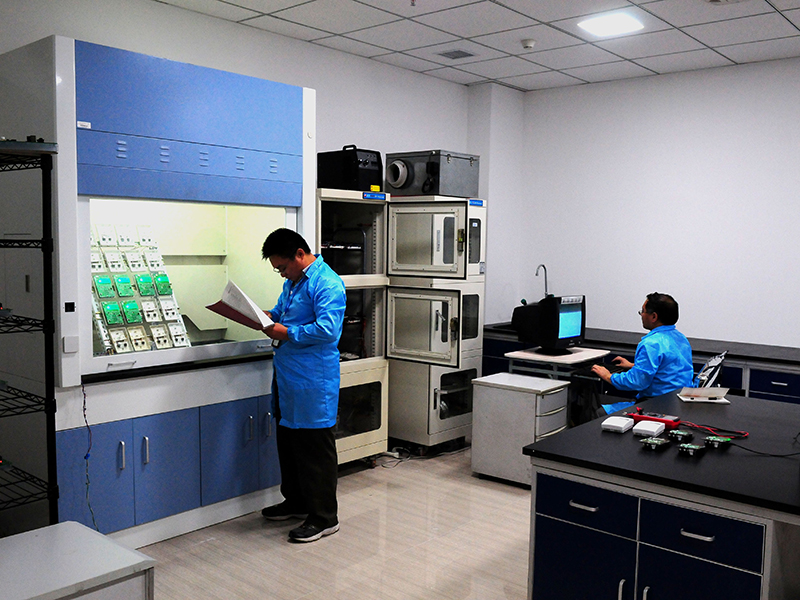
Continuous R&D investment and quality control
Tongdy-owned, and huge investment in research and development to ensure the product reliability and innovation.
Real-time monitoring & historical analytics
“MyTongdy” Platform will help you reading and analyzing data of your air quality on PC or mobile APP.
The expert of indoor air quality data
Over 15 years experience for indoor air quality, Tongdy provides commercial accurate data and help you to make data-driven decisions that foster health-centered indoor environments.
Why Tongdy Sensing Technology
20+ Years of Expertise in IAQ & HVAC Solutions
Trusted by clients for high-quality products and professional service, fully compliant with Green Building standards.
100+ Monitoring and Control Products
Over 100 commercial-grade monitors and controllers, including CO2, single-gas, and multi-sensor solutions for HVAC, BMS, and green building applications.
Reliable and Accurate Data
Providing smart building managers with actionable, real-time data to make informed decisions.
Tailored to Your Specific Needs
Flexible hardware, professional expertise and fast delivery enable cost-effective, customized gas detection and control solutions.
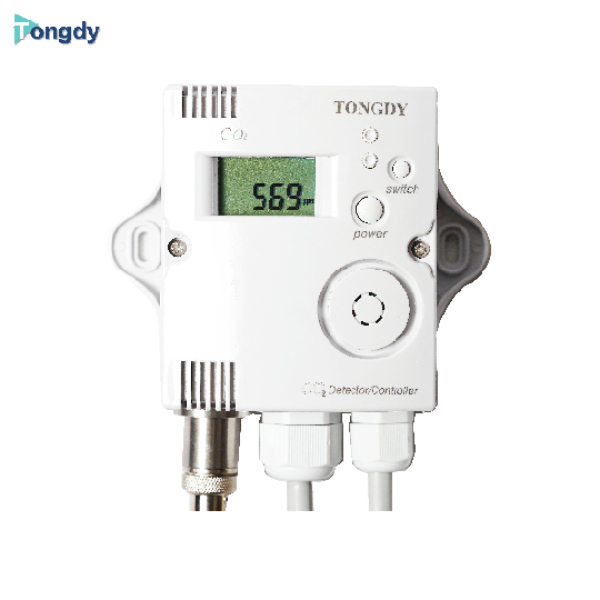
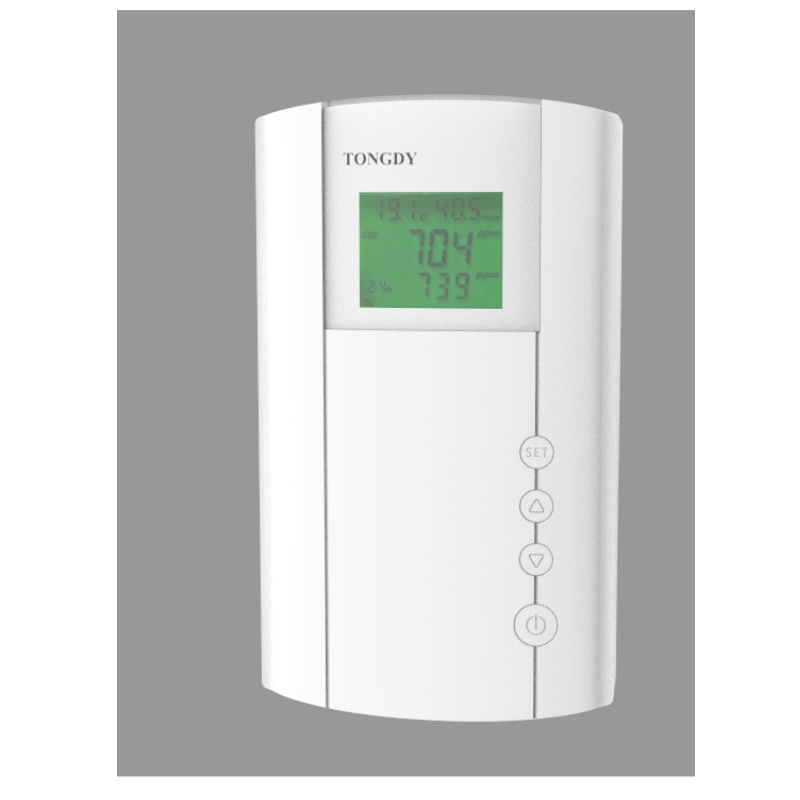
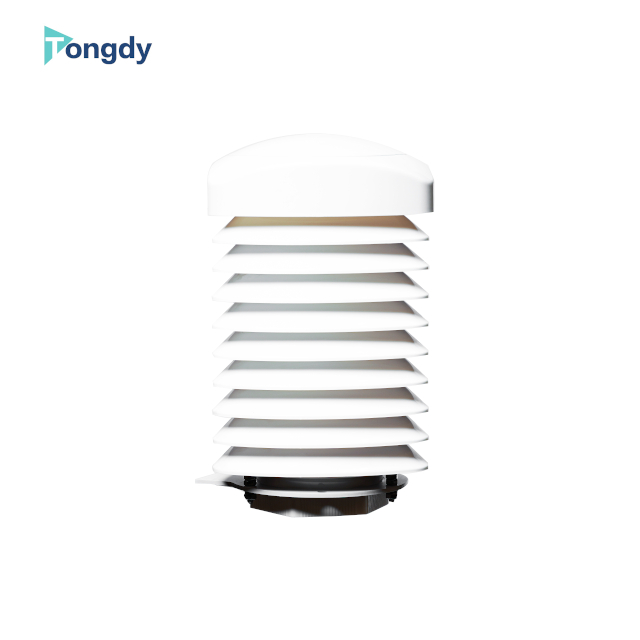
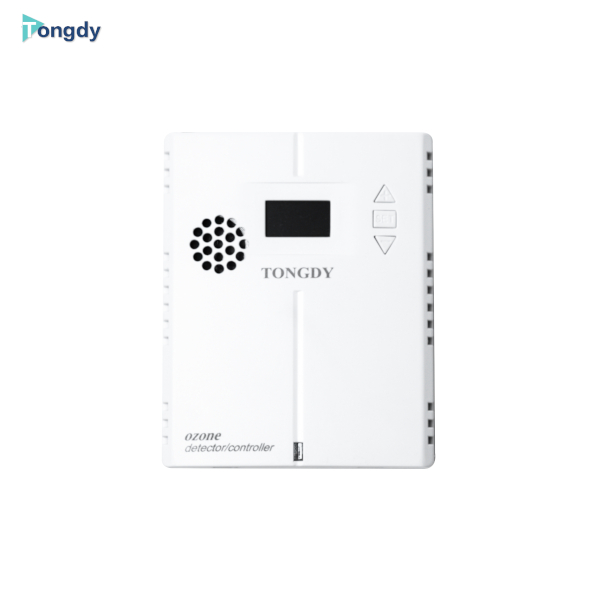
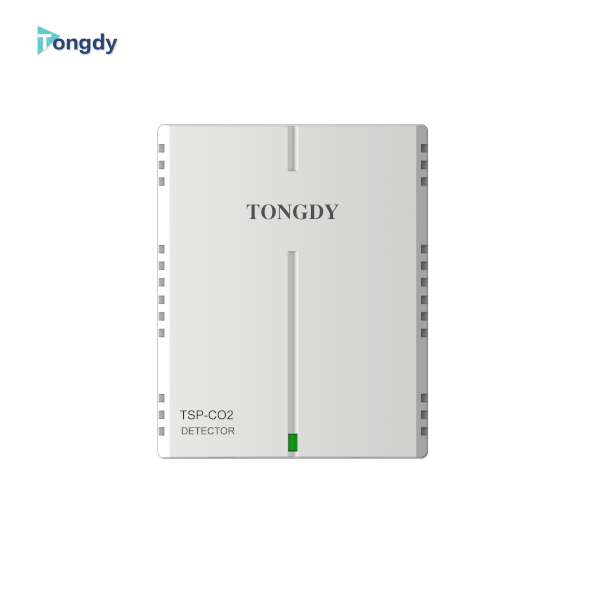
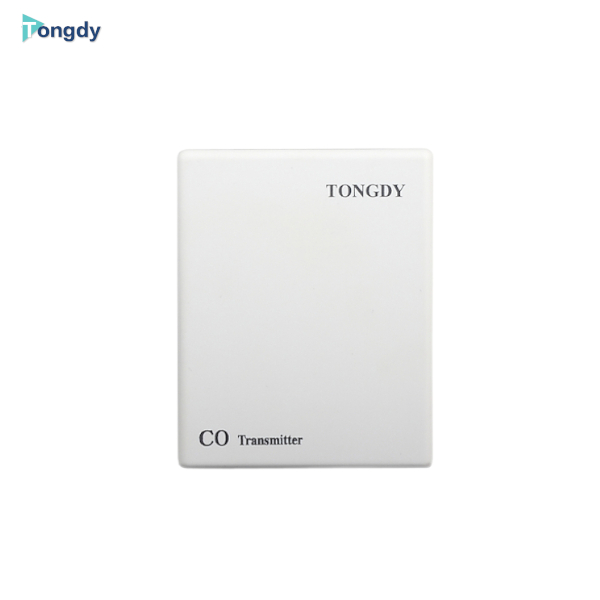
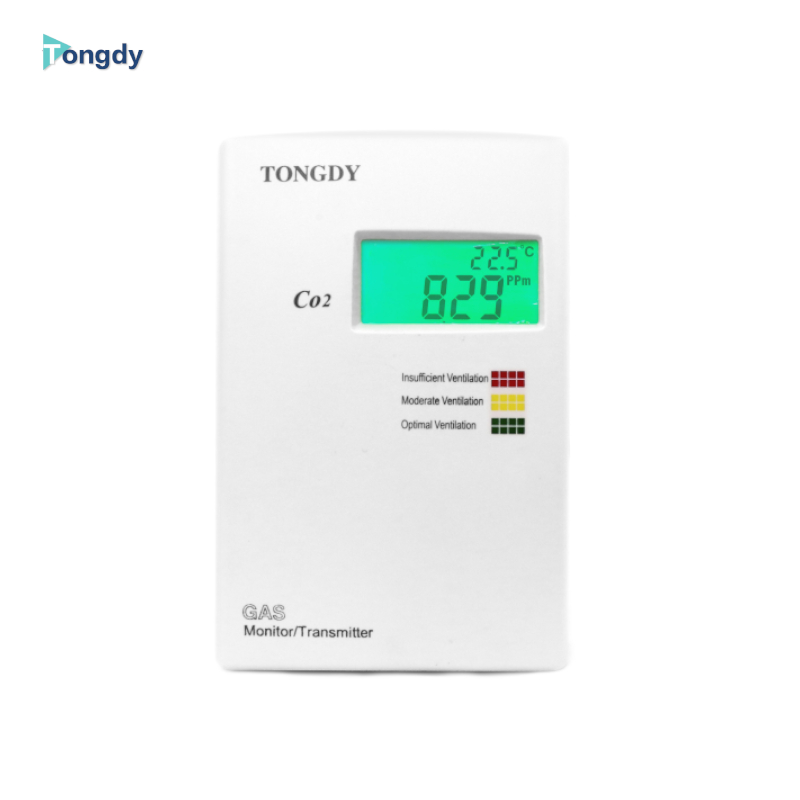
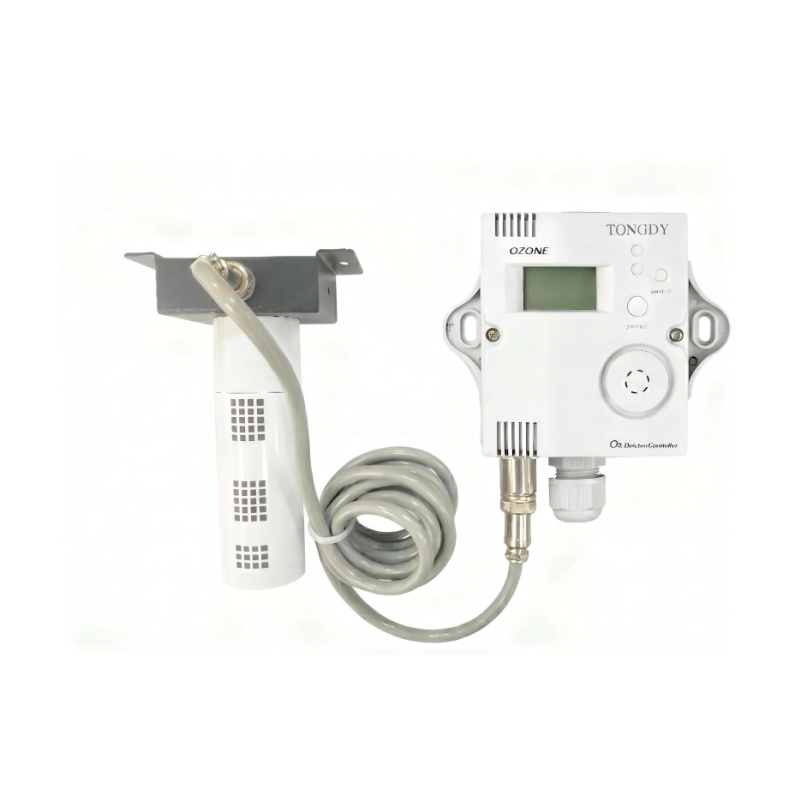
Complete Commercial Product Portfolio for Ventilation Measurement
Explore our complete range of specialized gas sensors, multi-parameter monitors, and automated ventilation controllers.
Social Responsibility
Tongdy actively develops air quality monitors and is devoted in healthy indoor air quality, and strive to become an excellent enterprise model. As a corporate citizen, Tongdy has contributed to public welfare undertakings such as cooperate with public benefit corporation, like WELL- the world’s leading organization focused on deploying people first places to advance a global culture of health, especially exploring the impact of indoor air quality to people’s health based on The WELL Building Standard™.