

Featured Monitors for Corporate HQ Air Quality
Precision-engineered CO2, PM2.5, PM10, and TVOC monitors designed specifically for corporate headquarters environments — combining real-time data, IoT connectivity, and enterprise-grade reliability.

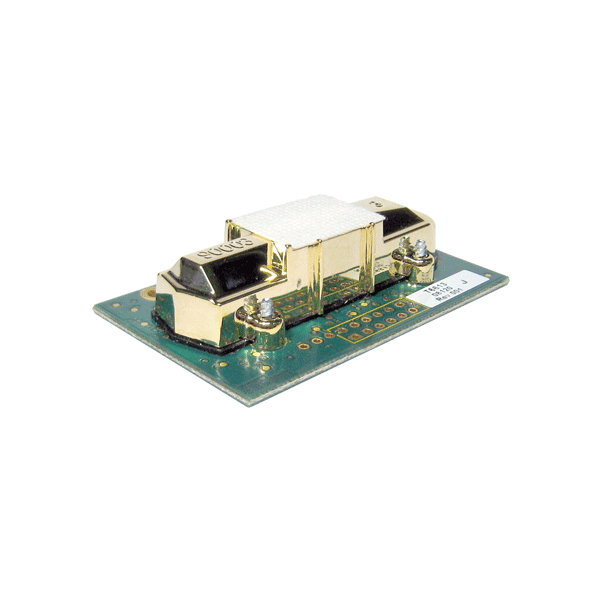
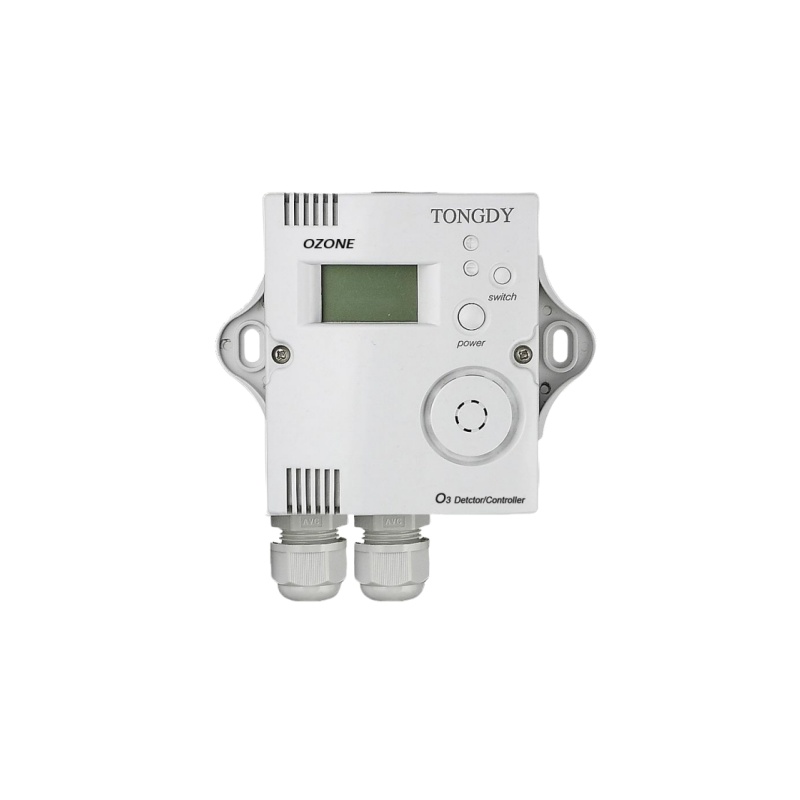
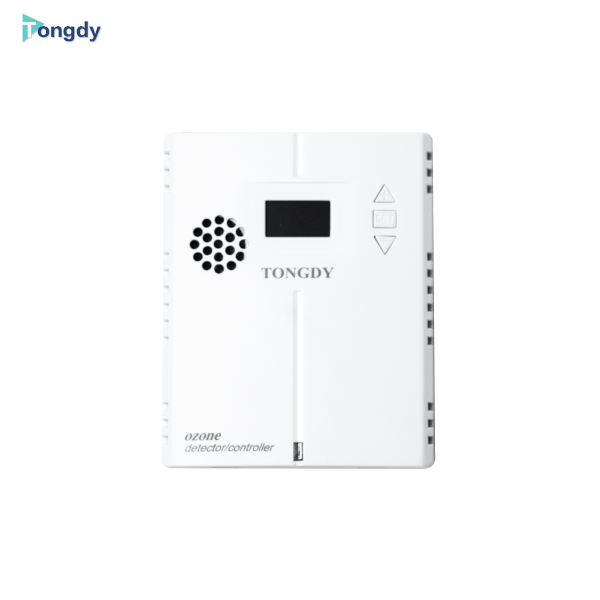
The Business Case for CO2, PM2.5, PM10 & TVOC Monitoring
Corporate headquarters are among the most demanding indoor environments for air quality management. Hundreds or thousands of occupants share enclosed spaces where CO2 levels, fine particulate matter, and volatile organic compounds can accumulate rapidly — directly impacting employee productivity, health outcomes, and operational costs.
Productivity Impact
Studies show elevated CO2 above 1000 ppm reduces cognitive performance by up to 15%. Real-time monitoring enables immediate ventilation adjustments to keep teams at peak performance.
Health & Wellness
PM2.5 and PM10 particulates penetrate deep into lungs. Continuous monitoring identifies pollution events and triggers filtration systems before staff are exposed to harmful levels.
TVOC Detection
Office furniture, cleaning products, and construction materials off-gas VOCs. Early TVOC detection protects employees and helps facilities meet WELL Building Standard requirements.
Energy Efficiency
Demand-controlled ventilation based on real CO2 data reduces HVAC energy consumption by 20–40% while maintaining superior air quality across all corporate floors.
Compliance & Certification
Many countries now mandate IAQ reporting for commercial buildings. Continuous monitoring supports LEED, WELL, BREEAM, and local regulatory compliance with audit-ready data logs.
Commercial & Industrial Landscape: IAQ Monitoring in Corporate Settings
The global indoor air quality monitoring market is experiencing unprecedented growth, driven by rising awareness of workplace health, post-pandemic building hygiene standards, and tightening environmental regulations across North America, Europe, and Asia-Pacific.
Market Overview & Growth Drivers
The global IAQ monitoring market was valued at over USD 4.5 billion in 2023 and is projected to reach USD 9.2 billion by 2030, growing at a CAGR of approximately 10.8%. Corporate headquarters represent the fastest-growing segment, as enterprises recognize that air quality directly correlates with employee wellbeing, absenteeism rates, and bottom-line profitability.
Major drivers include: the proliferation of smart building technologies, mandatory ESG (Environmental, Social, Governance) reporting requirements, post-COVID-19 heightened sensitivity to indoor air pathogens and ventilation adequacy, and the widespread adoption of Building Management Systems (BMS) that integrate real-time sensor data for automated environmental control.
Regulatory Landscape
Governments worldwide are establishing stricter indoor air quality standards for commercial buildings. The United States EPA, the European Union's EN 13779 ventilation standards, China's GB/T 18883 indoor air quality standard, and international WELL Building Standard v2 all require measurable limits on CO2, particulate matter, and TVOC concentrations. Corporate real estate managers increasingly deploy multi-parameter monitors as the foundation of their compliance infrastructure.
Technology Convergence
The convergence of IoT, AI analytics, and cloud-based data platforms is transforming how corporate HQ buildings manage air quality. Sensors are no longer standalone devices — they are networked nodes feeding data into centralized dashboards, enabling facilities managers to monitor air quality across dozens of floors and thousands of square meters from a single interface, with AI-driven alerts and predictive maintenance capabilities.
Key Development Trends in Corporate HQ IAQ Monitoring
Technology and regulatory forces are reshaping how enterprises approach CO2, PM2.5, PM10, and TVOC monitoring — moving from reactive measurement to proactive, AI-powered environmental intelligence.
AI-Driven Predictive Analytics
Machine learning algorithms analyze historical sensor data to predict air quality degradation events before they occur, enabling preemptive HVAC adjustments and reducing energy waste while maintaining optimal indoor environments.
Cloud-Integrated BMS Platforms
Modern CO2 and particulate monitors communicate via RJ45, Wi-Fi, RS485 Modbus, or BACnet protocols, integrating seamlessly with Siemens Desigo, Johnson Controls Metasys, and other enterprise BMS platforms for unified building management.
Mobile & Remote Monitoring
Corporate ESG and facilities teams demand real-time air quality data accessible from smartphones and tablets. Cloud-connected monitors with dedicated mobile apps enable 24/7 remote oversight of multi-site corporate campuses.
Green Building Integration
LEED v4.1 and WELL Building Standard v2 require continuous air quality monitoring as prerequisites for certification. IAQ monitors are now standard components of corporate sustainability strategies and ESG reporting frameworks.
Multi-Sensor Fusion
Next-generation corporate monitors combine CO2, PM2.5, PM10, TVOC, temperature, humidity, and even occupancy detection in single compact units, reducing installation complexity while delivering comprehensive environmental intelligence.
Demand-Controlled Ventilation
CO2-based DCV systems automatically adjust fresh air intake based on real occupancy data, achieving 25–40% HVAC energy savings in corporate offices while ensuring CO2 levels remain well below 1000 ppm at all times.
Deep-Dive Application Scenarios: CO2 PM2.5 PM10 TVOC in Corporate HQ
From executive boardrooms to open-plan floors, server rooms to building lobbies — multi-parameter air quality monitoring addresses unique challenges across every zone of a corporate headquarters building.
Open-Plan Office Floors
High-density workstations generate rapid CO2 buildup. PM2.5 from outdoor infiltration and printer toner particles require continuous monitoring. TVOC sensors detect off-gassing from new furniture and carpet adhesives.
Executive Conference Rooms
Meeting rooms with fluctuating occupancy are prime CO2 hotspots. Smart CO2 monitors trigger ventilation boosts during peak occupancy, ensuring executives maintain sharp decision-making capacity throughout long meetings.
Corporate Cafeterias & Kitchens
Cooking activities generate CO, CO2, and PM2.5. TVOC sensors detect gas leaks and cleaning chemical vapors. Real-time monitoring ensures safe air quality for catering staff and dining employees.
Data Centers & Server Rooms
Equipment cooling generates particulate contamination. CO2 and TVOC monitoring detects electrical fires in early stages. Temperature and humidity monitoring protects sensitive IT infrastructure from environmental damage.
Corporate Fitness & Wellness Areas
Exercise areas generate high CO2 from elevated breathing rates. PM monitoring ensures air handling units adequately filter particulates. TVOC detection identifies rubber flooring off-gassing in newly constructed gym facilities.
Underground Parking Garages
Vehicle exhaust produces dangerous CO and PM10 concentrations. CO monitors trigger ventilation fans automatically. PM10 sensors monitor brake dust accumulation for safe occupant passage to building entry points.
Corporate Hotel & Guest Suites
Premium corporate accommodations deploy TVOC and CO2 monitors to assure VIP guests and executives of optimal sleeping environment quality, meeting stringent international hospitality wellness standards.
R&D Labs & Cleanrooms
Research facilities require ultra-precise PM2.5, PM10, and TVOC monitoring to protect experiments and personnel. Continuous data feeds into quality management systems for ISO cleanroom compliance documentation.
Tongdy by the Numbers
About Tongdy Sensing Technology Corporation
Help You Build and Maintain a Healthy Indoor Environment
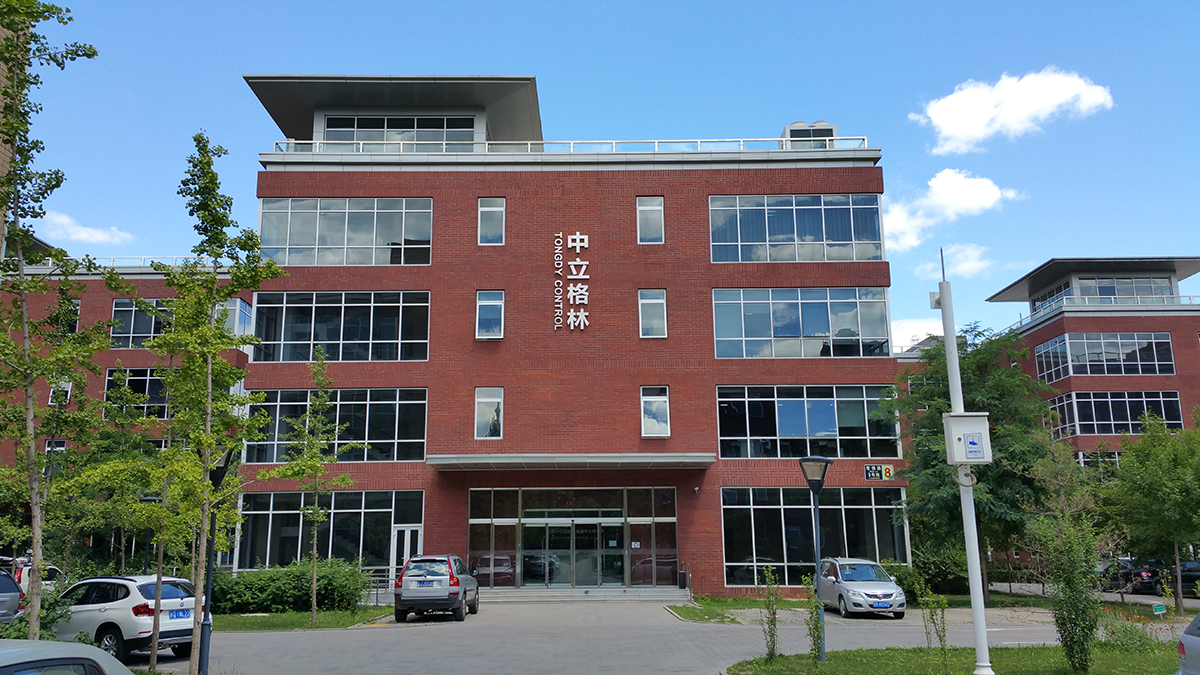
Our work makes a difference in helping you achieve healthy indoor air quality. As one of the earliest companies in China engaged in air quality monitoring products, Tongdy has been always focusing on its strong technology development and design capabilities on the indoor air quality monitors.
Focus on Air Quality Detection and Control Over 15 Years
We foster research and development on obtaining accurate air quality data, help you well understand and improve the air you breathe by quantitative assessment and data analysis.
For pursuing our ultimate purpose of creating healthy indoor air quality, we're committed to obtaining real and accurate data and cultivating the next generation of innovators in technology and engineering.
Our Values & Technical Advantages
Why industry leaders and facilities managers worldwide trust Tongdy for their CO2 PM2.5 PM10 TVOC corporate headquarters monitoring needs.
🔬 Exclusive Innovative Calibration Algorithm
Proprietary technology — the effective calibration method to support higher data accuracy in different environments.
🔧 Unique Professional Multi-Sensor Module
Special multi-sensor module with sealed cast aluminum structure and up to six sensors inside for comprehensive monitoring.
💡 Continuous R&D Investment
Tongdy-owned huge investment in research and development to ensure product reliability, accuracy, and innovation across all IAQ solutions.
📊 Real-Time & Historical Data Analytics
"MyTongdy" Platform helps you read and analyze air quality data on PC or mobile APP, improving and optimizing your indoor environment continuously.
🏆 Expert of Indoor Air Quality Data
Over 15 years of experience. Tongdy provides commercially accurate data to help you make data-driven decisions that foster health-centered indoor environments.
⚙️ Tailored to Your Specific Needs
Flexible hardware, professional expertise, and fast delivery enable cost-effective, customized gas detection and control solutions for any corporate campus.
Why Choose Tongdy for Corporate HQ Monitoring
20+ Years of Expertise in IAQ & HVAC Solutions
Trusted by clients for high-quality products and professional service, fully compliant with Green Building standards.
100+ Monitoring and Control Products
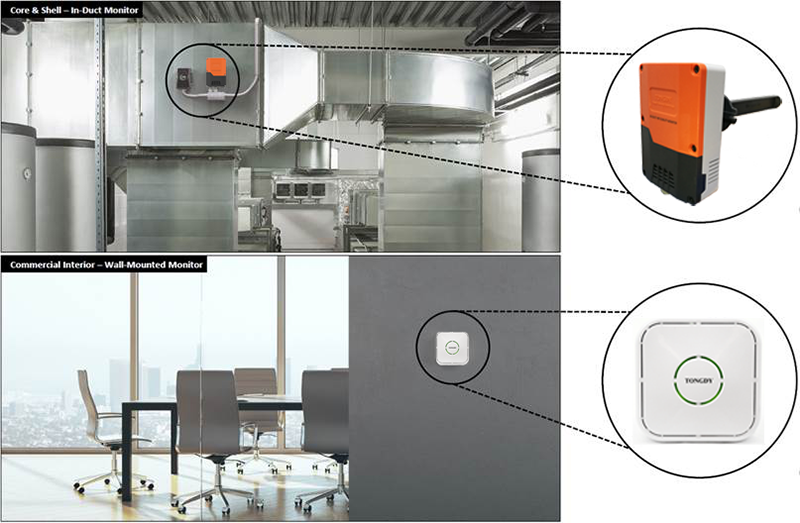
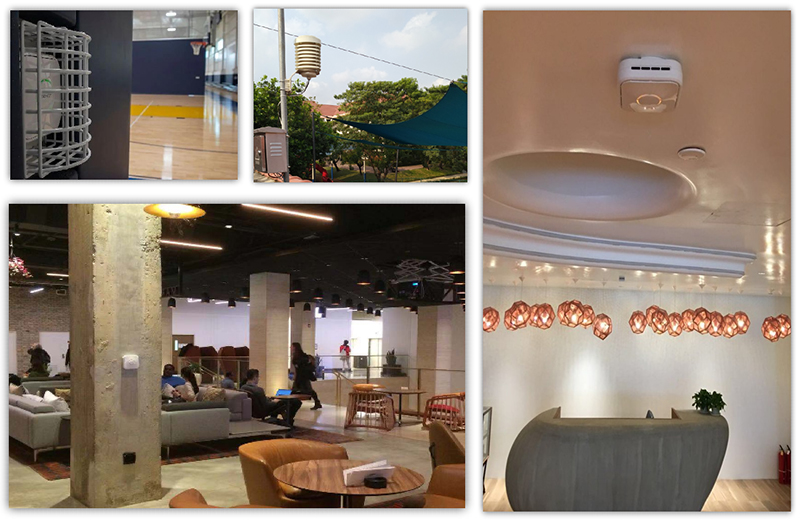
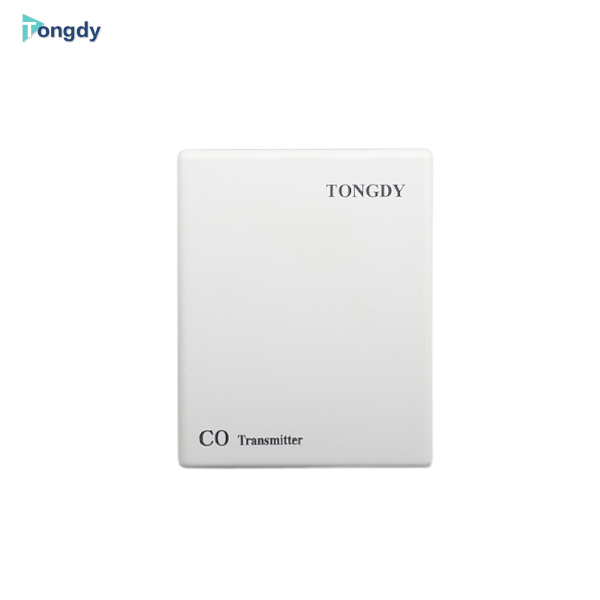
Over 100 commercial-grade monitors and controllers, including CO2, single-gas, and multi-sensor solutions for HVAC, BMS, and green building applications — from standalone wall-mount units to networked enterprise systems.
Reliable and Accurate Data
Providing smart building managers with actionable, real-time data to make informed decisions. Our sensors undergo rigorous multi-environment calibration to ensure consistent accuracy across corporate campuses with varied microclimates.
Tailored to Your Specific Needs
Flexible hardware configurations, professional engineering expertise, and fast delivery enable cost-effective, customized gas detection and control solutions that fit any corporate headquarters architecture — from single-floor offices to 50-story towers.

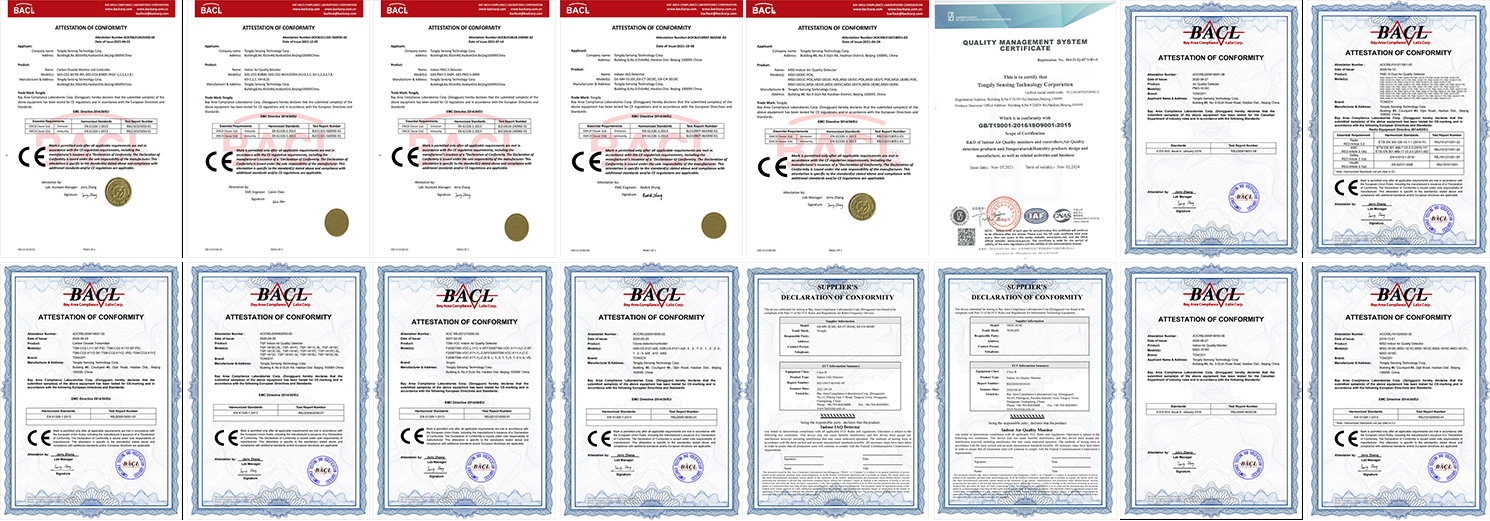
Certificates and Honor
Tongdy's commitment to quality and innovation is recognized through internationally acclaimed certifications and industry honors, validating our leadership in indoor air quality monitoring technology.
Complete Range: CO2 PM2.5 PM10 TVOC Solutions for Corporate HQ
Explore our comprehensive portfolio of commercial-grade air quality monitors and controllers — engineered for corporate headquarters, smart buildings, HVAC integration, and BMS connectivity.

Social Responsibility
Tongdy actively develops air quality monitors and is devoted to healthy indoor air quality, striving to become an excellent enterprise model. As a corporate citizen, Tongdy has contributed to public welfare undertakings such as cooperating with public benefit organizations, like WELL — the world's leading organization focused on deploying people-first places to advance a global culture of health, especially exploring the impact of indoor air quality on people's health based on The WELL Building Standard™.