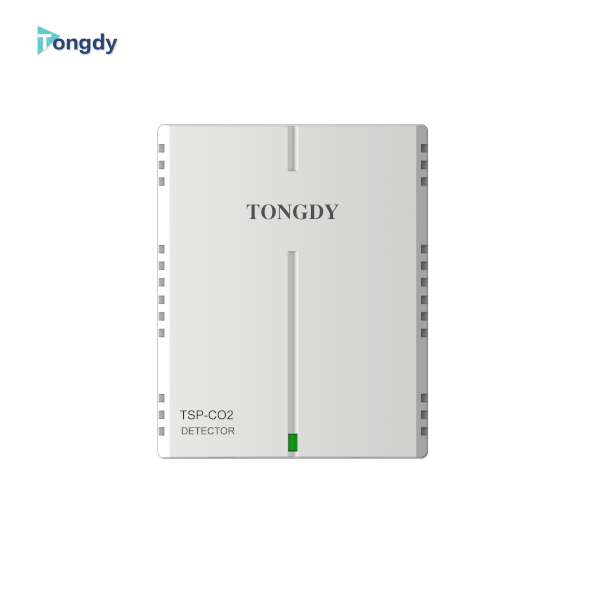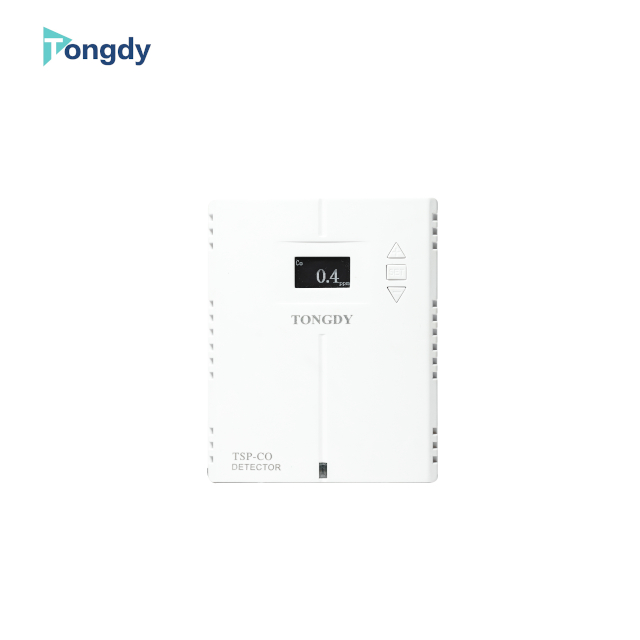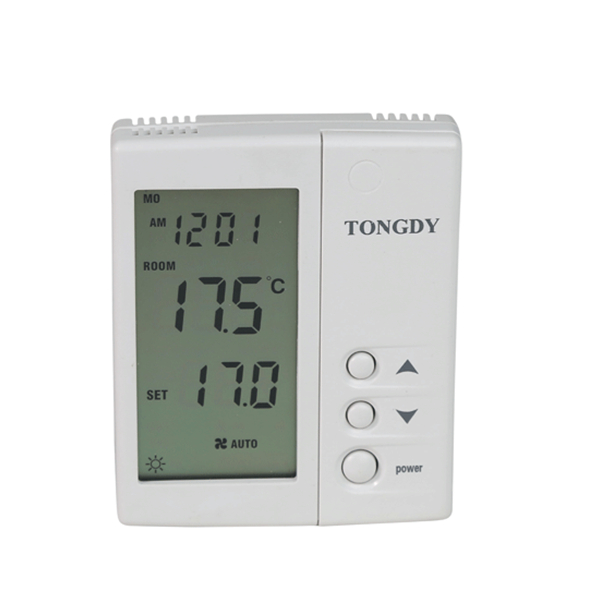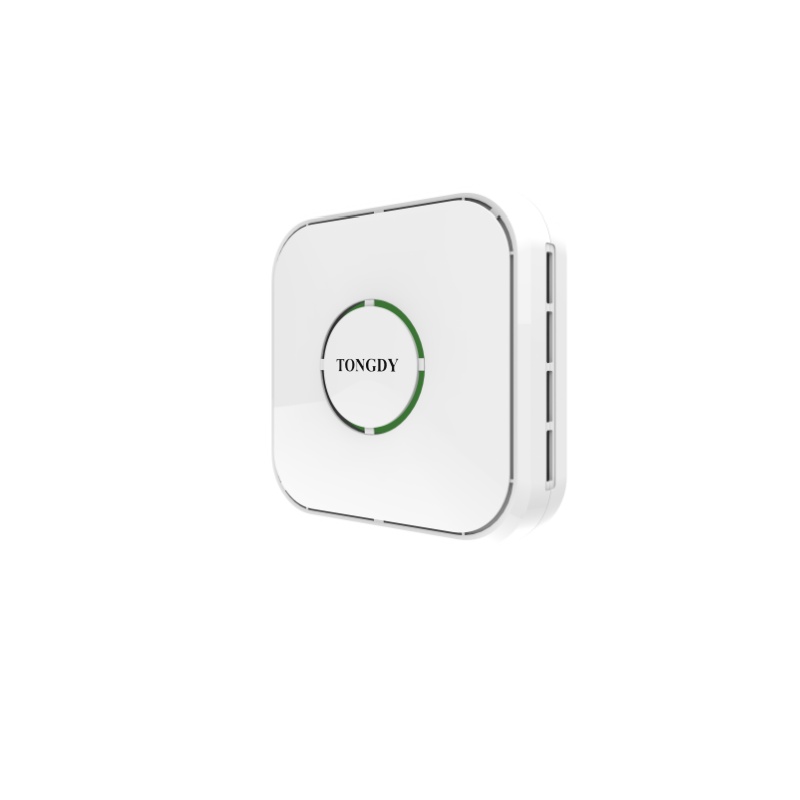

Featured Ventilation Measurement Transmitters
High-precision carbon dioxide and indoor air quality transmitters designed for seamless integration with modern HVAC and Building Management Systems (BMS).
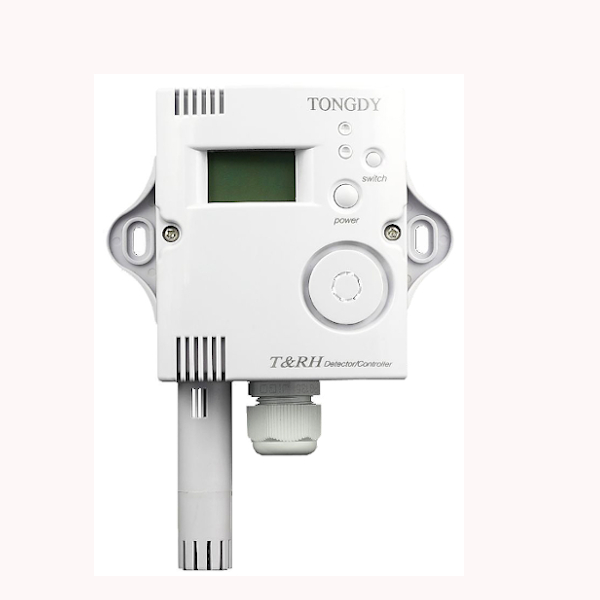
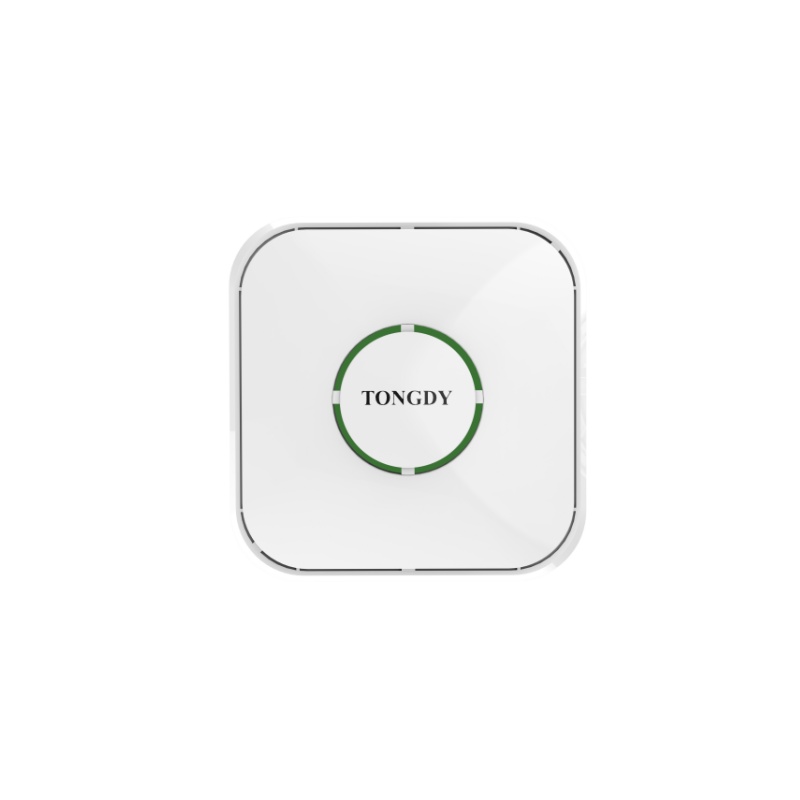
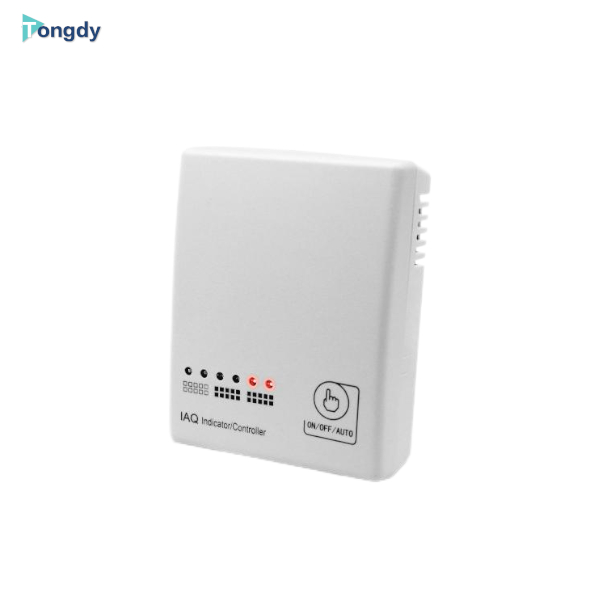
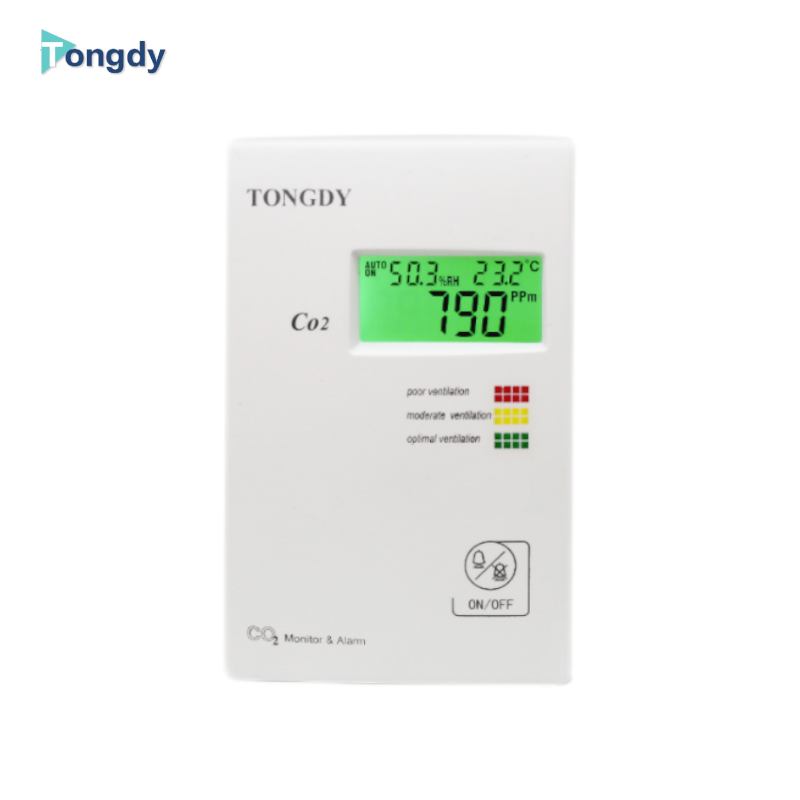
1 Executive Summary: The Vital Role of CO2 Transmitters in Ventilation
In modern architectural engineering and building automation, fresh air ventilation is paramount to occupant health, cognitive performance, and structural energy efficiency. A Carbon Dioxide Transmitter For Ventilation System Measurement acts as the central neurological sensor of contemporary Heating, Ventilation, and Air Conditioning (HVAC) setups. By continually quantifying carbon dioxide (CO2) concentrations in parts per million (ppm), these transmitters provide the real-time empirical data required to dynamically regulate fresh air intake.
As global energy standards become increasingly stringent—driven by decarbonization goals, green building accreditations like LEED and WELL, and elevated public health requirements post-pandemic—traditional fixed-rate ventilation systems are rapidly being phased out. Fixed ventilation either over-ventilates empty spaces, leading to staggering electrical and thermal energy waste, or under-ventilates crowded areas, causing acute cognitive fatigue, sick building syndrome (SBS), and elevated pathogen transmission risk. Implementing dedicated CO2 transmitters bridges this gap by enabling Demand-Controlled Ventilation (DCV), matching fresh air supply directly to real-time human occupancy.
2 Commercial & Industrial Landscape of CO2 Measurement
The global market for environmental sensors in HVAC applications has experienced exponential expansion. Commercial real estate developers, industrial facility managers, and institutional infrastructure administrators are shifting from reactive maintenance to intelligent, data-driven air quality monitoring.
Market Drivers Accelerating Adoption
- Strict Energy Regulations & Net-Zero Mandates: Governments worldwide are enforcing strict energy codes (such as California Title 24, European EPBD, and ASHRAE Standard 90.1). Heating and cooling outdoor intake air accounts for up to 40% of a commercial building's total energy consumption; optimizing this through accurate CO2 feedback directly aligns with ESG and carbon reduction mandates.
- Occupant Well-being and Productivity Metrics: Extensive scientific research, including studies by Harvard T.H. Chan School of Public Health, demonstrates that elevated indoor CO2 levels (exceeding 1,000 ppm to 1,500 ppm) significantly impair human cognitive functions, crisis response, and strategic decision-making. High-performance organizations use CO2 transmitters to ensure air freshness remains at pristine levels (400-800 ppm).
- Green Building Standards (RESET, WELL, LEED): Modern commercial certification standards heavily weight real-time indoor air quality (IAQ) monitoring. Continuous CO2 data streams are now mandatory for maintaining WELL Building Standard v2 certification and obtaining RESET Air accreditation.
3 Technological Breakthroughs: NDIR Sensing & Self-Calibration
Not all carbon dioxide measurement devices are created equal. In ventilation ductwork and ambient room environments, sensor drift, temperature fluctuations, and humidity variations pose massive challenges to data integrity. Advanced Carbon Dioxide Transmitters utilize Non-Dispersive Infrared (NDIR) optical technology to ensure long-term stability and unmatched measurement accuracy.
Dual-Beam Optical NDIR
Utilizes specific infrared light absorption spectrum (4.26 µm) to detect CO2 molecules selectively without interference from other gases or humidity spikes.
Automatic Baseline Calibration
Proprietary self-calibration algorithms evaluate ambient minimums over multi-day cycles to compensate for optical component aging without manual intervention.
Multi-Protocol Output
Seamless connection via Modbus RTU RS485, BACnet MS/TP, 0-10V/4-20mA analog signals, or linear PID relays directly controlling VAV dampers and fans.
4 Deep Application Scenarios in Modern Infrastructure
Commercial Office Towers & Smart Campuses
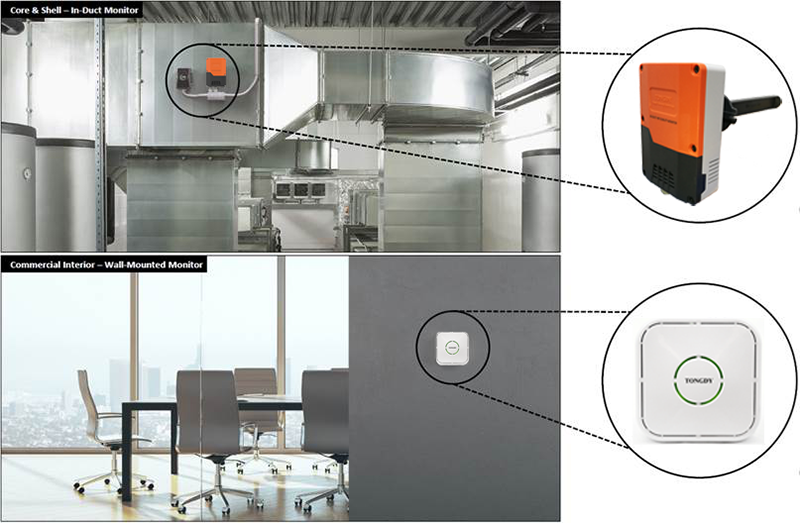
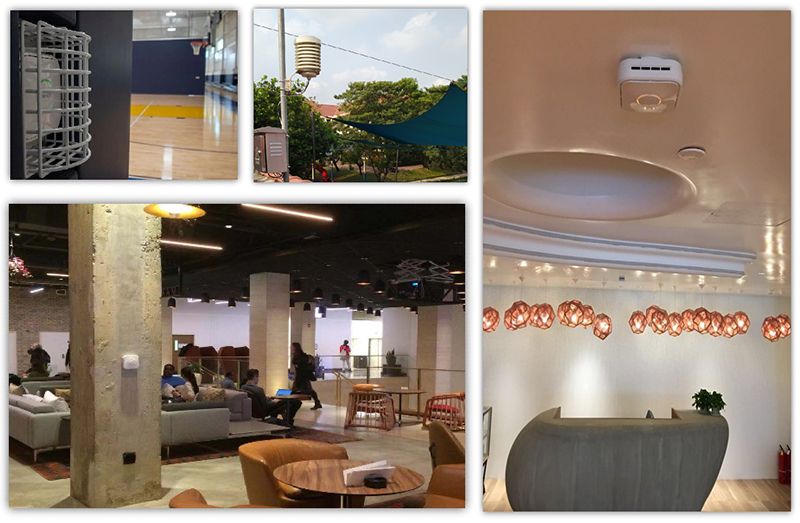
In high-density office environments, conference rooms, and open-plan workspaces, human density fluctuates dramatically throughout the business day. Wall-mounted and duct-mounted CO2 transmitters continuously feed data into Variable Air Volume (VAV) controllers. When a meeting room fills up, rising CO2 triggers immediate motorized damper opening, delivering fresh air exactly where and when required while preventing over-ventilation in unoccupied zones.
Educational Institutions & Universities
Classrooms are prone to rapid air quality degradation. Unmonitored classrooms often reach alarmingly high CO2 levels exceeding 2,500 ppm by midday, leading to drowsiness and reduced learning capacity. Dedicated CO2 indicators and controllers visual display current air health while simultaneously modulating fresh air recovery ventilators (ERV/HRV).

Healthcare Facilities & Isolation Wards
Hospitals require strict isolation pressure differentials and clean air exchanges. CO2 transmitters work in tandem with multi-gas IAQ monitors (measuring TVOC, PM2.5, relative humidity, and temperature) to ensure clean ventilation airflow patterns, reducing airborne pathogen concentration and supporting patient recovery.
Industrial Production & Controlled Greenhouses
Beyond human comfort, commercial agricultural greenhouses and industrial bioprocessing environments demand precise CO2 dosing. Carbon dioxide transmitters maintain optimal ambient PPM for accelerated plant photosynthesis or industrial process control, delivering high chemical immunity and rugged IP-rated protection.
Economic Impact: Quantifying ROI on Demand-Controlled Ventilation
Operating an Air Handling Unit (AHU) to cool or heat 100% outdoor air continuously is extremely costly. Implementing a robust CO2 transmitter network for Demand-Controlled Ventilation typically yields a full return on investment (ROI) within 12 to 18 months. By reducing unnecessary fresh air intake during low-occupancy periods, facilities cut annual chiller and boiler electrical loads by up to 35%, drastically lowering utility operational expenditure (OpEx).
5 Tongdy Sensing Technology Corporation
Helping You Build and Maintain a Healthy Indoor Environment
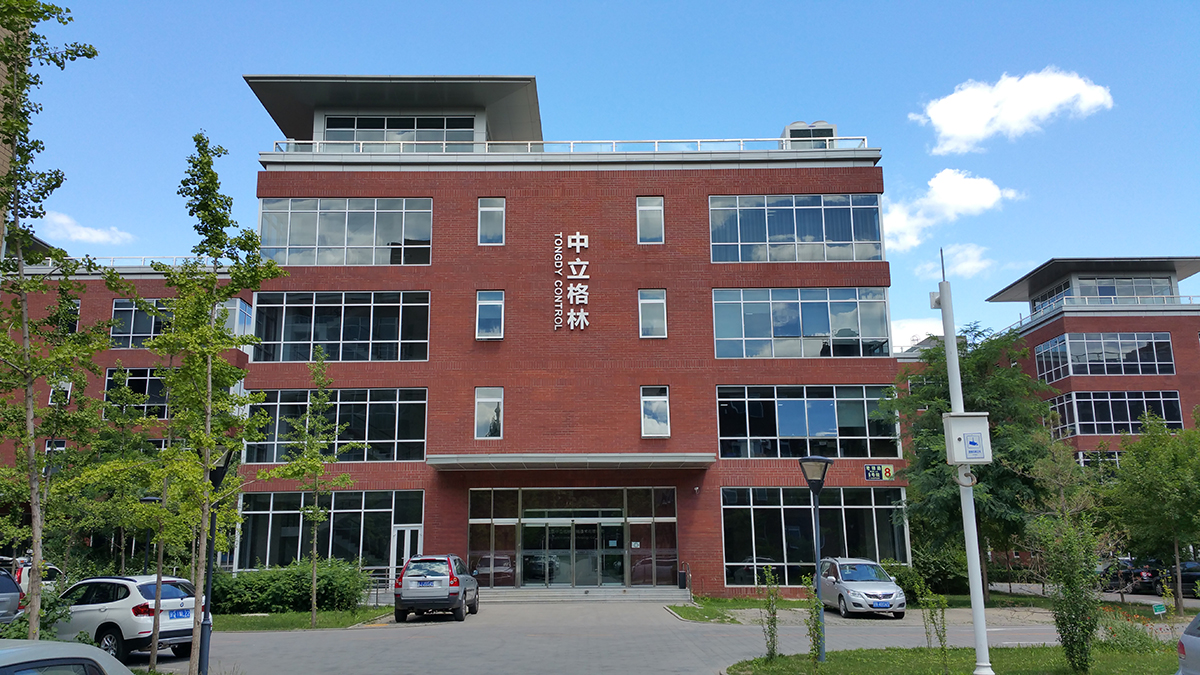
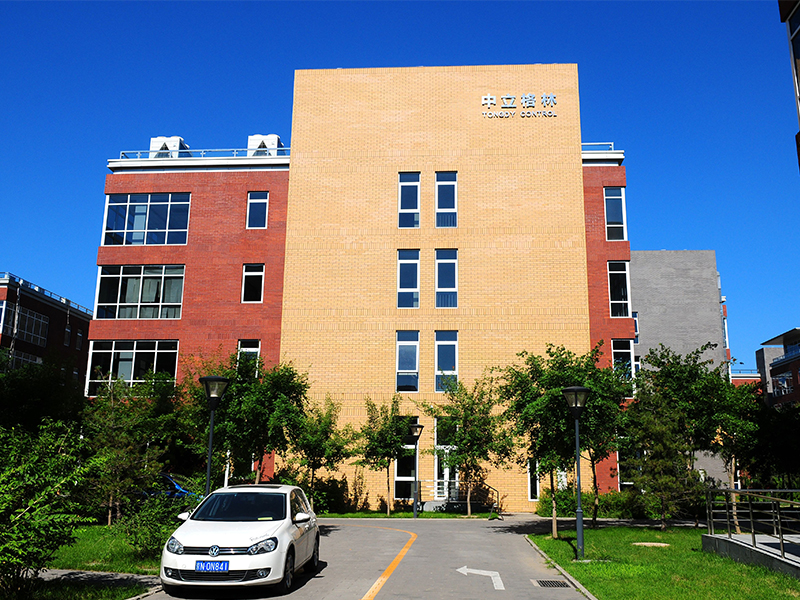
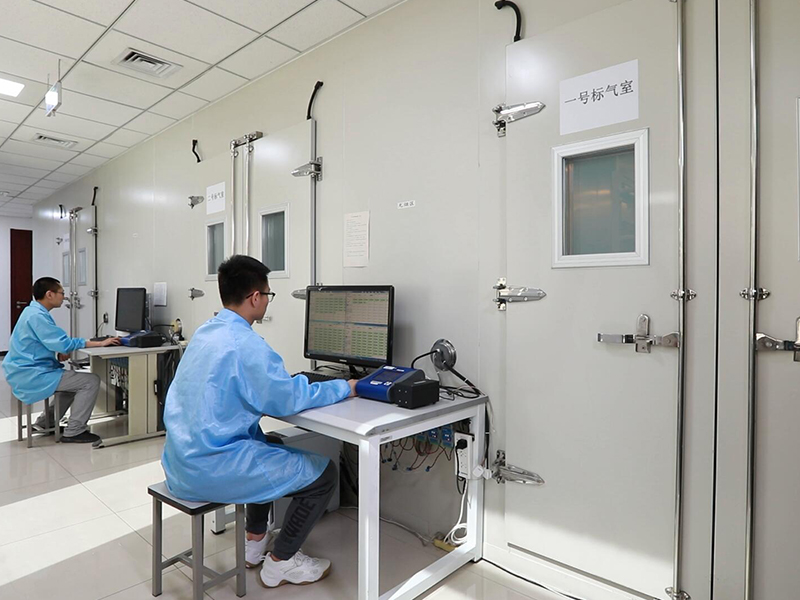
Our work makes a profound difference in helping you create and sustain optimal indoor air quality. As one of the pioneer enterprises in China dedicated to air quality monitoring technology, Tongdy Sensing Technology Corporation has consistently focused its strong R&D engineering and industrial design capabilities on state-of-the-art indoor air quality monitors and controllers.
Focus on Air Quality Detection and Control over 15 Years
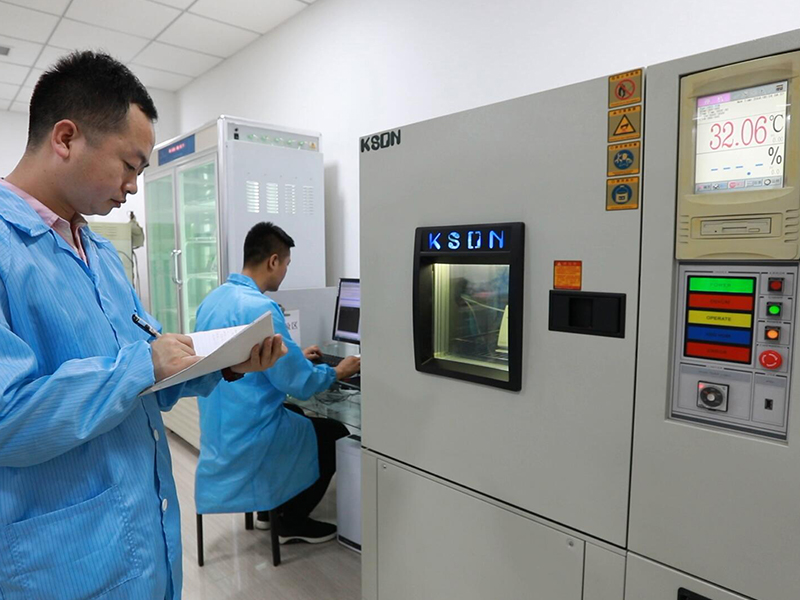
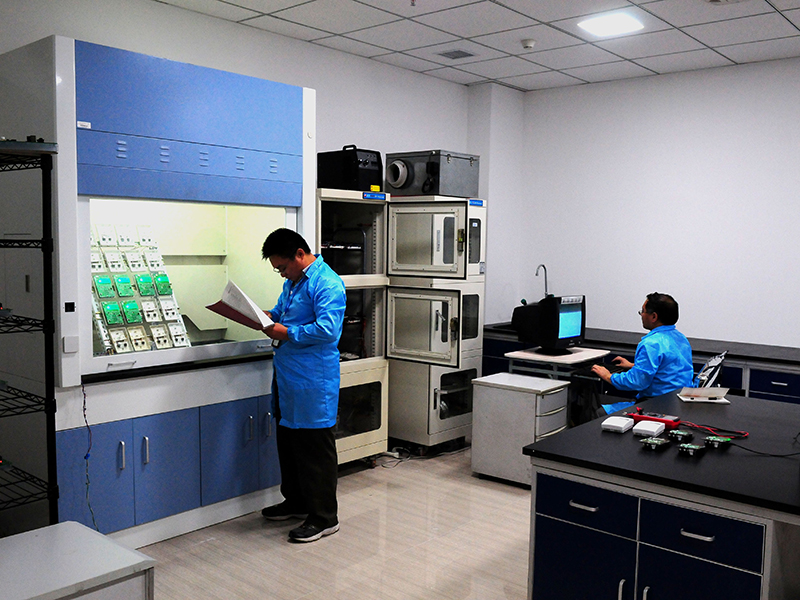
For over 15 years, Tongdy has cultivated deep expertise in gas sensing micro-electronics, embedded firmware design, and HVAC protocol integration. Our core purpose is driven by research and development to obtain accurate air quality data, empowering building managers, HVAC system integrators, and engineers to understand and improve indoor air through quantitative assessment and data analysis.
To pursue our ultimate goal of healthier indoor environments, we are committed to providing verified, accurate data and cultivating the next generation of technological innovation in air quality engineering.
Social Responsibility & Standard Compliance
Tongdy actively advances air quality monitor innovation and strives to serve as an exemplary corporate citizen. We collaborate closely with international public benefit institutions, such as the International WELL Building Institute (IWBI), supporting The WELL Building Standard™ to explore the direct impact of indoor air parameters on human longevity, health, and cognitive wellness.
Certificates and Honors
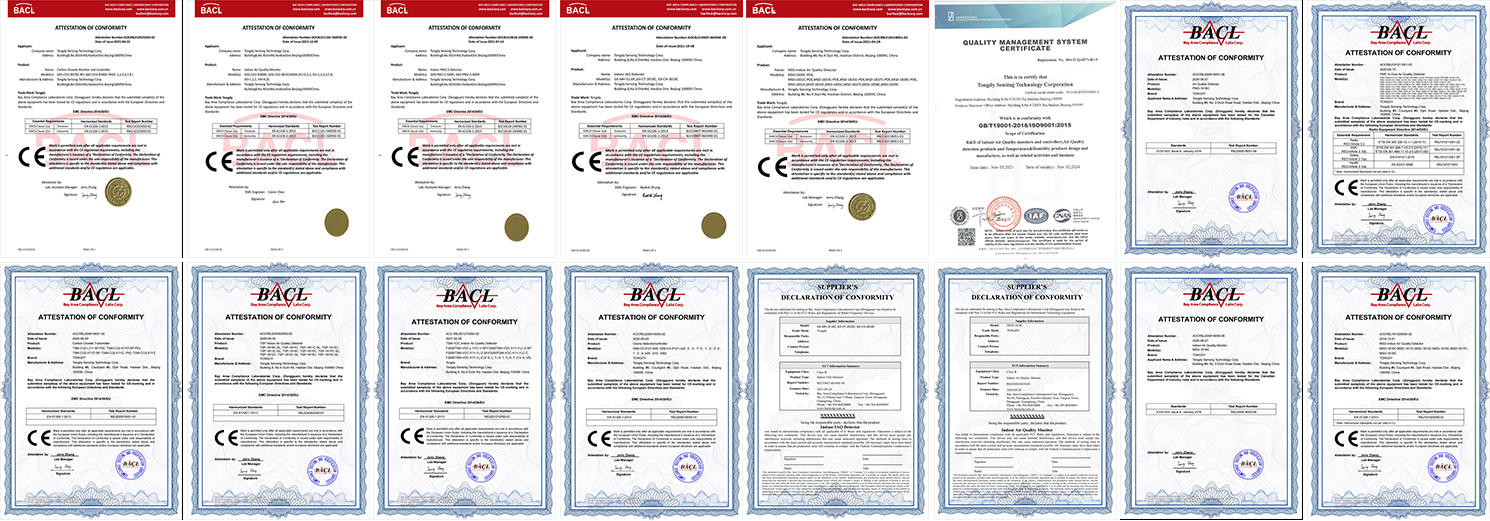
Our manufacturing operations and products hold international certifications including CE, FCC, RoHS, and ISO9001 quality management standards, ensuring global compliance for HVAC installation.
Our Core Values & Engineering Advantages
- Exclusive Innovative Calibration Algorithm: Proprietary dynamic self-calibration algorithms ensure superior accuracy across varying environmental pressures, temperatures, and long-term aging cycles.
- Unique Professional Multi-Sensor Module: Custom-engineered sealed cast aluminum structures housing up to six specialized gas and particulate sensors without cross-talk interference.
- Continuous R&D Investment: Tongdy-owned manufacturing and heavy ongoing investment in firmware, sensor compensation, and communication protocol development.
- Real-Time Data & MyTongdy Platform: Powerful cloud data visualization enabling remote analytics via PC or mobile applications for predictive maintenance and compliance reporting.
- 100+ Monitoring and Control Products: Over 100 commercial-grade CO2, single-gas, multi-gas, temperature, humidity, and TVOC transmitters tailored for BMS, HVAC, and smart green building systems.
Complete IAQ & CO2 Product Portfolio
Explore our full line of commercial carbon dioxide transmitters, multi-parameter air quality monitors, and dedicated HVAC controllers.