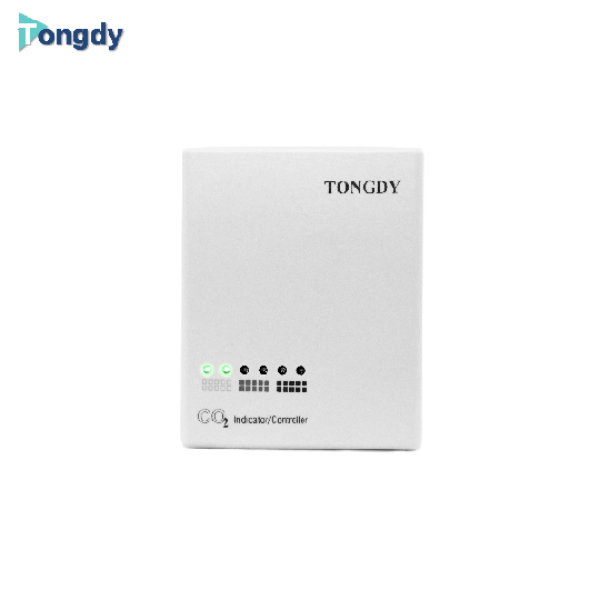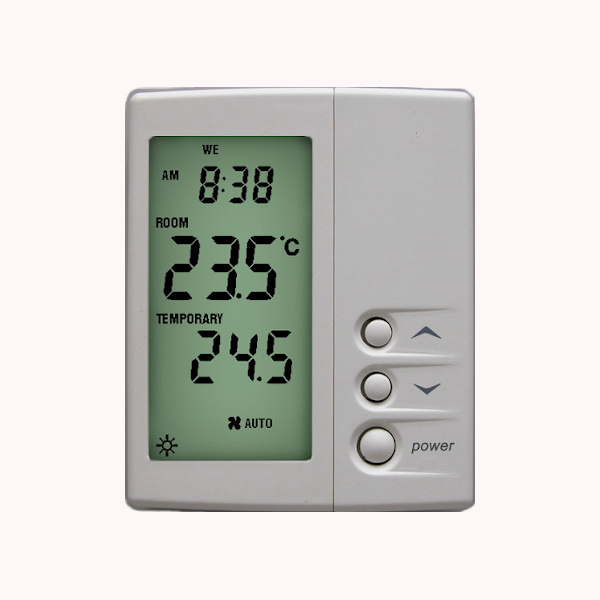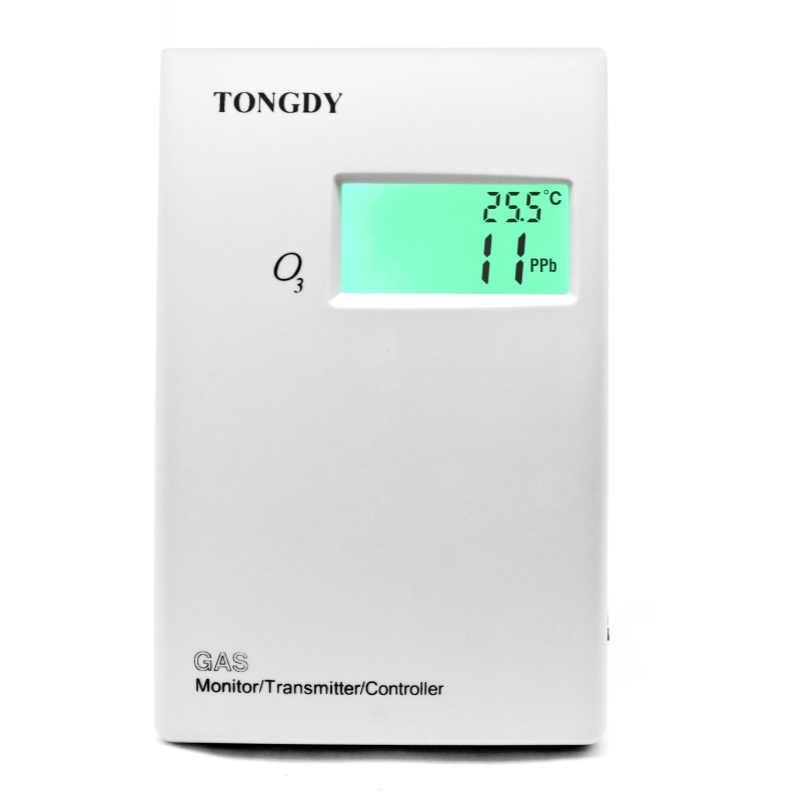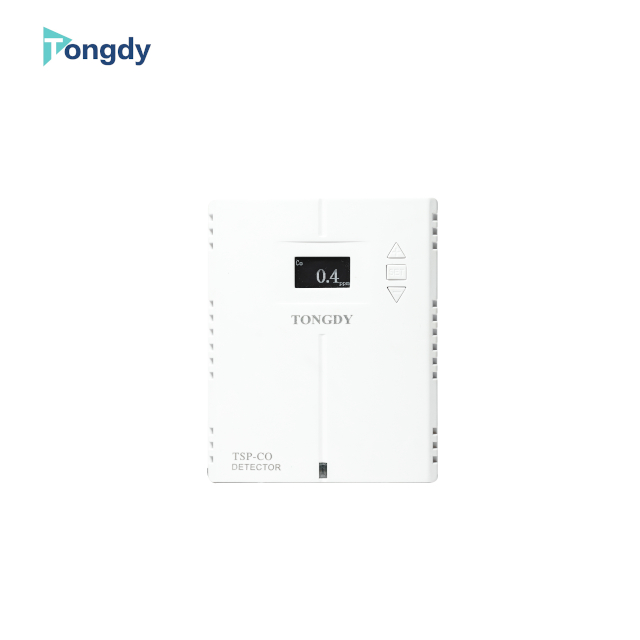

Featured Public Space CO2 Transmitters & Modules
Industrial-grade NDIR sensing devices optimized for real-time indoor air quality validation
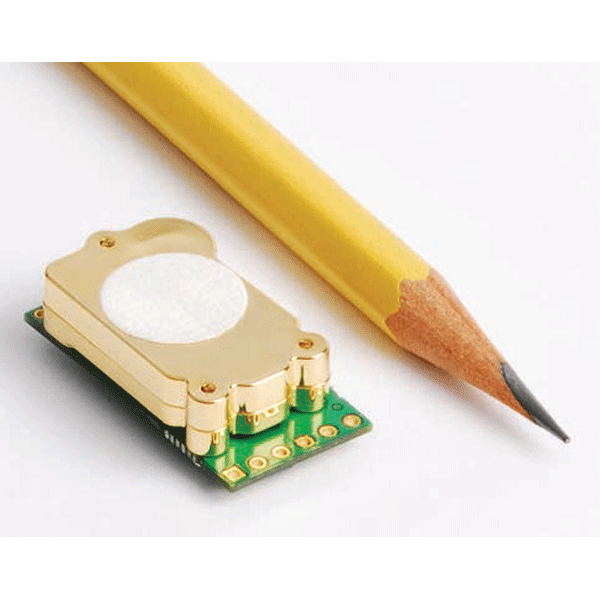
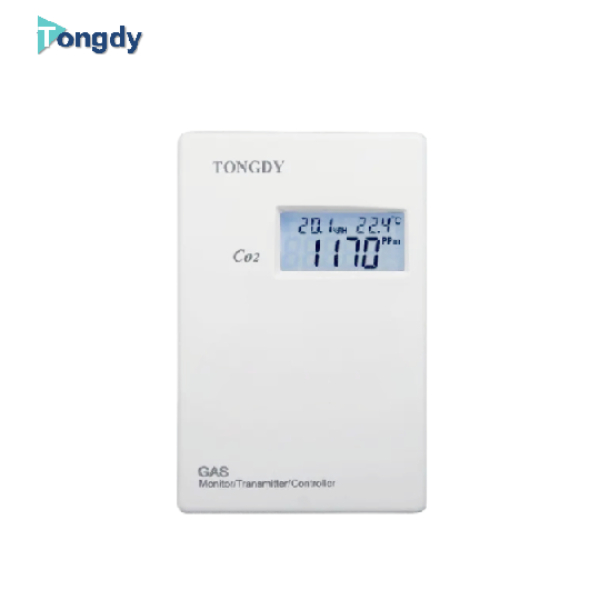
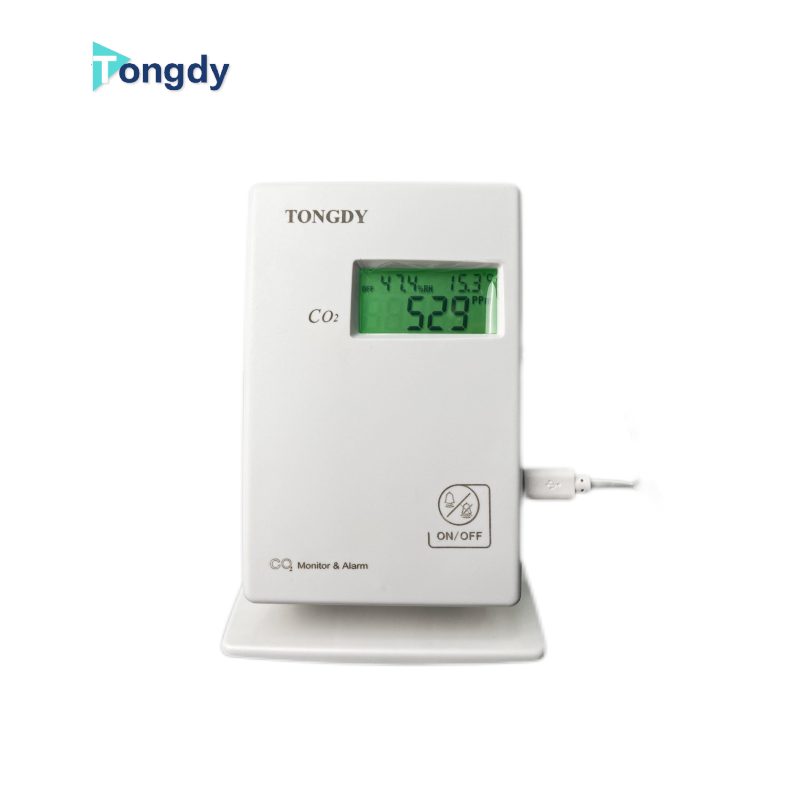
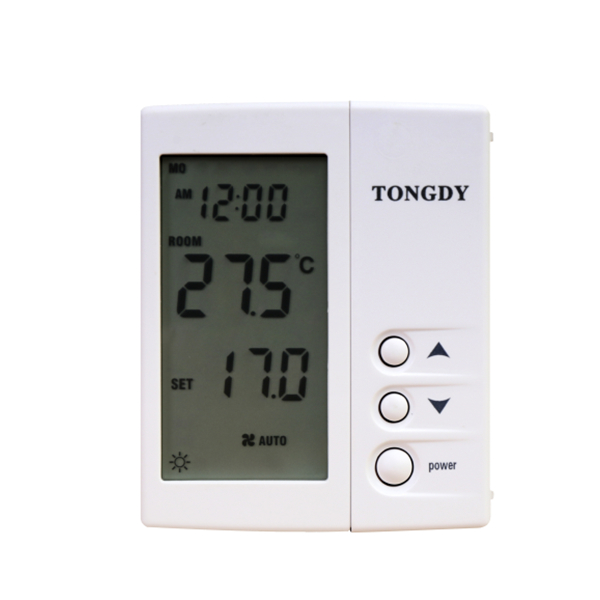
1. The Critical Imperative of Carbon Dioxide Monitoring in Public Spaces
In modern urban engineering, indoor air quality (IAQ) within public spaces has escalated from a secondary facility management consideration to a primary public health and operational metric. Carbon dioxide (CO2) serves as the universally recognized baseline surrogate for human bio-effluents, occupancy density, and overall ventilation efficiency. When human beings occupy enclosed environments such as educational institutions, airport terminals, healthcare waiting areas, commercial shopping complexes, and transit hubs, exhaled breath rapidly increases ambient CO2 levels.
Ambient outdoor carbon dioxide levels hover around 400 to 420 parts per million (ppm). In poorly ventilated public spaces, concentrations can quickly surge beyond 1,000 ppm to 2,500 ppm or higher. Scientific research, including benchmark studies by the Harvard T.H. Chan School of Public Health, proves that elevated CO2 levels directly degrade human cognitive function, cause drowsiness, lower strategic thinking ability by up to 50%, and increase airborne infection risks by indicating inadequate outdoor air exchange rates. Consequently, installing high-precision Carbon Dioxide Transmitters for Public Space Air Testing is essential for real-time environmental diagnosis, occupant safety, and automated HVAC demand-controlled ventilation (DCV).
⚙ Modern Market Status and Regulatory Push
The global market for commercial CO2 sensing technology is experiencing exponential expansion, driven by stringent green building rating systems and global respiratory health protocols. Key frameworks demanding precise carbon dioxide monitoring include:
- WELL Building Standard (v2): Mandates continuous, real-time CO2 tracking in high-occupancy zones, requiring alerts when indoor concentrations exceed 800 ppm.
- RESET Air Standard: Requires commercial grade, accredited NDIR sensors capable of continuous telemetry with automated calibration features.
- ASHRAE Standard 62.1 & 62.2: Specifies minimum ventilation rates for acceptable indoor air quality, recommending Demand Controlled Ventilation (DCV) tied directly to active CO2 transmitters.
- LEED v4.1 Operations + Maintenance: Awards operational credits for continuous IAQ monitoring and automated fresh air distribution based on occupant load indicators.
2. Advanced NDIR Sensor Technology & AI-Driven HVAC Integration
Not all carbon dioxide detection methods are created equal. Chemical electrochemical sensors suffer from cross-sensitivity to humidity and volatile organic compounds (VOCs), along with rapid sensor drift. Professional-grade public space air testing requires Non-Dispersive Infrared (NDIR) technology. NDIR transmitters operate by directing infrared light through an optical chamber filled with sample air. Carbon dioxide molecules specifically absorb light at a wavelength of 4.26 micrometers. By detecting light attenuation via photo-detectors, the transmitter measures exact CO2 concentration without chemical degradation.
Dual-Beam NDIR Optics
Eliminates sensor drift over multi-year deployments by utilizing a reference light channel to continuously measure light source aging and optical window cleanliness.
Multi-Protocol Telemetry
Seamless integration with Building Management Systems (BMS) via BACnet MS/TP, Modbus RTU, Wi-Fi, LoRaWAN, and 0-10V/4-20mA analog outputs.
Smart ABC Logic
Automatic Baseline Calibration (ABC) algorithms track minimum baseline values over multi-day periods to eliminate manual field re-calibrations.
3. Deep Dive into Public Space Application Scenarios
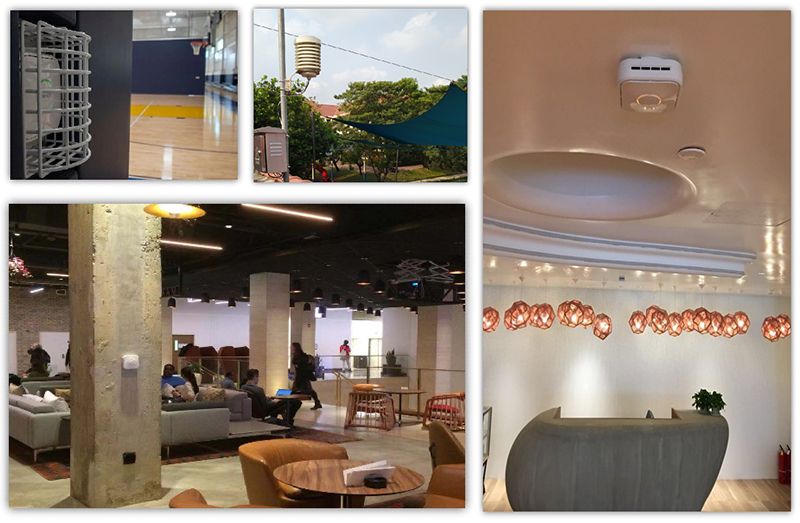
Deploying a Carbon Dioxide Transmitter for Public Space Air Testing requires specialized positioning, enclosure protection, and interface software tailored to distinct architectural environments:
1. Educational Institutions & Universities
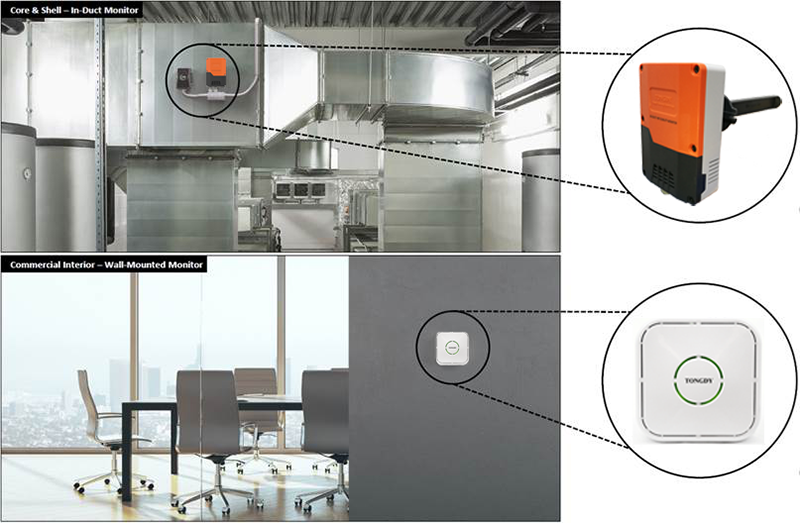
Classrooms and auditoriums exhibit sudden, dramatic occupancy shifts. A standard lecture hall filled with 150 students can see CO2 levels jump from 450 ppm to 1,800 ppm within 20 minutes. Wall-mounted NDIR CO2 transmitters with visual LED indicators inform educators of compromised air quality while signaling fresh air dampers to open via BACnet connections.
2. Commercial Office Complexes & Conference Centers
Modern high-rise office towers rely on energy efficiency. Running air handling units (AHUs) at 100% fresh air continuously wastes immense cooling and heating energy. By placing CO2 transmitters across open-plan floors, private meeting rooms, and common lounges, facility managers implement Demand-Controlled Ventilation (DCV). This cuts fan power and thermal conditioning costs by 20% to 40% while preserving high cognitive clarity for workers.
3. Healthcare Facilities & Outpatient Waiting Areas
In hospital lobbies and outpatient clinics, fresh air dilution is vital for pathogen risk mitigation. High CO2 levels correlate directly with re-breathed air volume. High-precision CO2 sensors integrated with multi-parameter IAQ monitors ensure that air exchange rates remain optimal, protecting vulnerable patients and healthcare workers.
4. Transit Hubs & Underground Rail Stations
Subway concourses, airport terminals, and bus terminals face fluctuating occupancy spikes alongside particulate and gas intrusion from vehicles. Ruggedized industrial CO2 transmitters with IP54/IP65 protective enclosures withstand dust and humidity while providing continuous data logs to centralized control stations.
About Tongdy Sensing Technology Corporation
Over 15 Years of Pioneering Excellence in Air Quality Detection & Control
Tongdy Sensing Technology Corporation
Help you build and maintain a healthy indoor environment
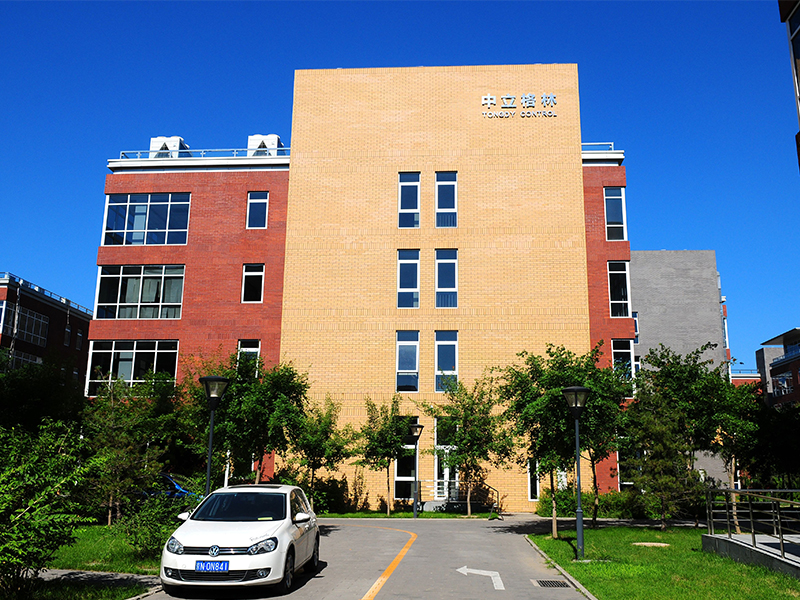
Our work makes a difference in helping you make the healthy indoor air quality. As one of the earliest companies in China engaged in air quality monitoring products, Tongdy has been always focusing on its strong technology development and design capabilities on the indoor air quality monitors.
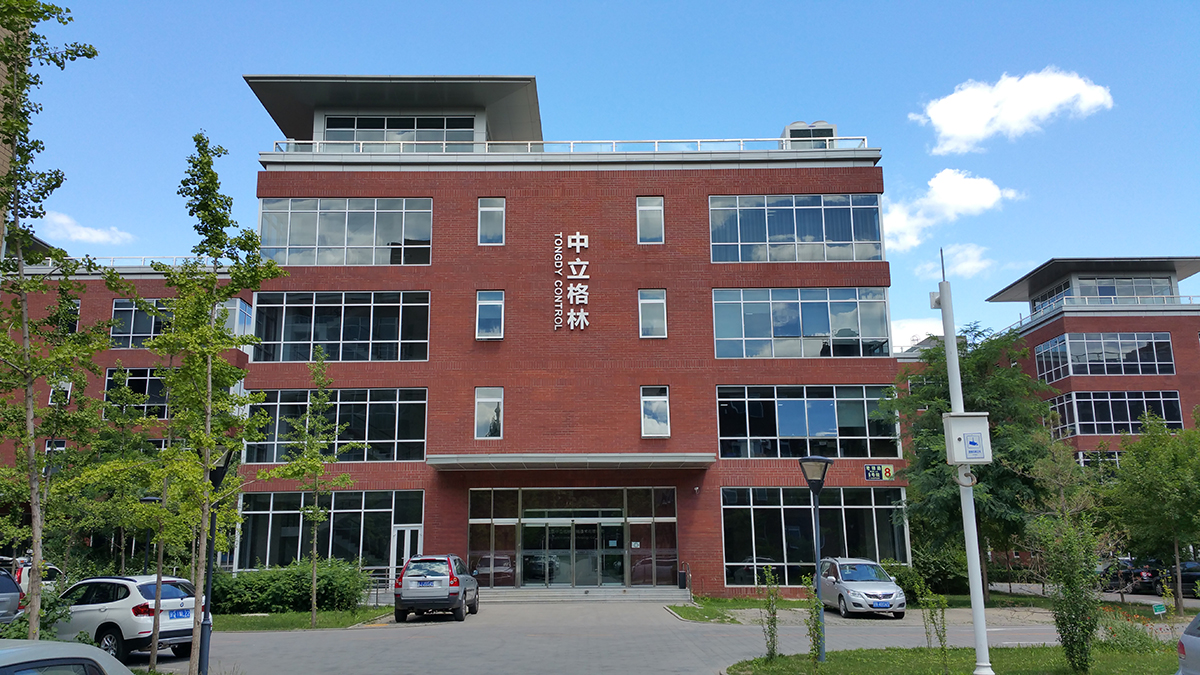
About Tongdy - Focus on air quality detection and control over 15 years
Our Purpose
We foster research and development on obtaining accurate air quality data, help you well understand and improve the air you breathe by quantitative assessment and data analysis.
For pursuing our ultimate purpose of creating healthy indoor air quality, we’re committed to obtain real and accurate data and cultivating the next generation of innovators in technology and engineering.
Social Responsibility
Tongdy actively develops air quality monitors and is devoted in healthy indoor air quality, and strive to become an excellent enterprise model.
As a corporate citizen, Tongdy has contributed to public welfare undertakings such as cooperate with public benefit corporation, like WELL- the world’s leading organization focused on deploying people first places to advance a global culture of health, especially exploring the impact of indoor air quality to people’s health based on The WELL Building Standard™.
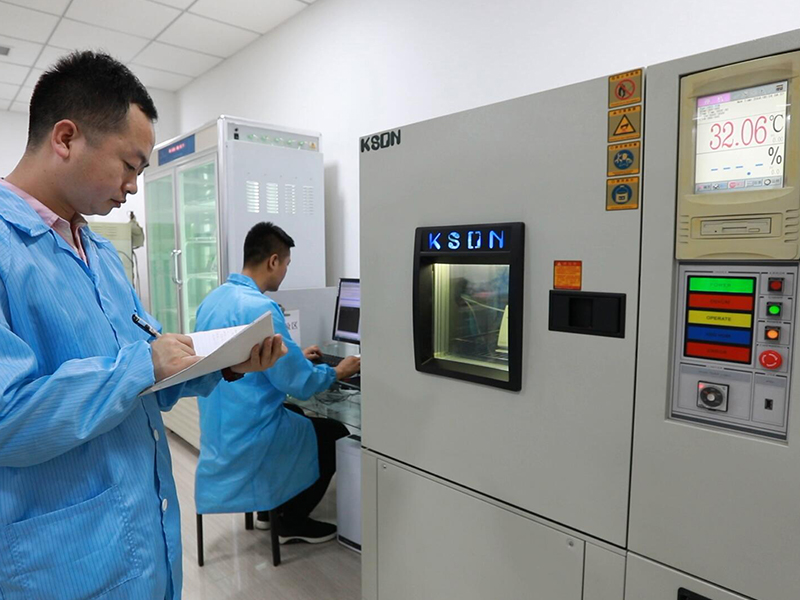
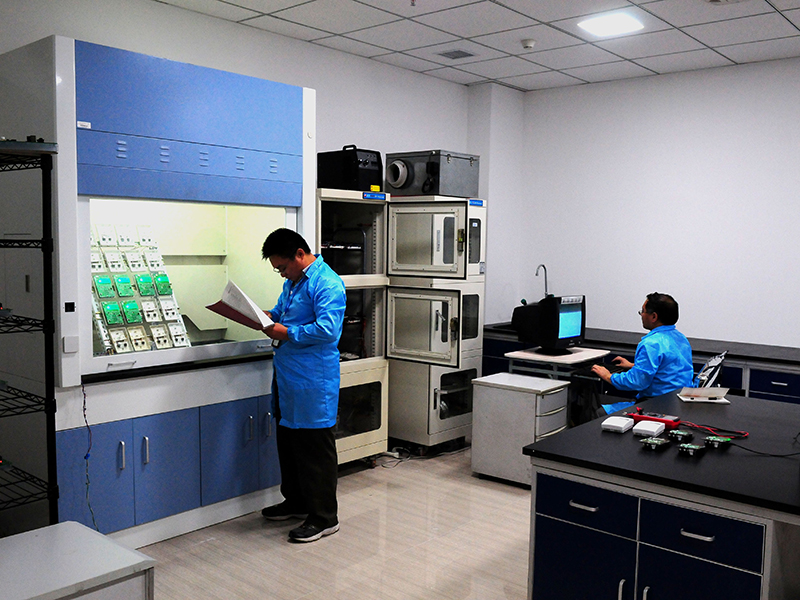
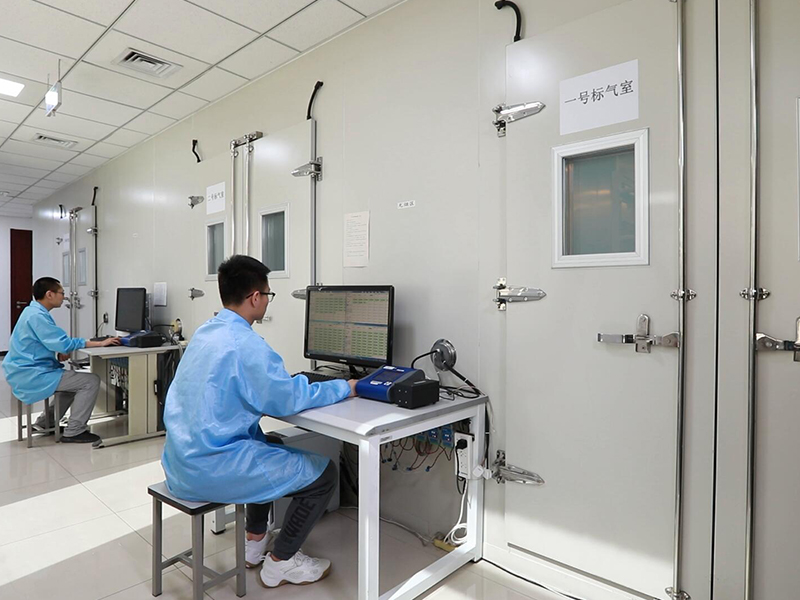

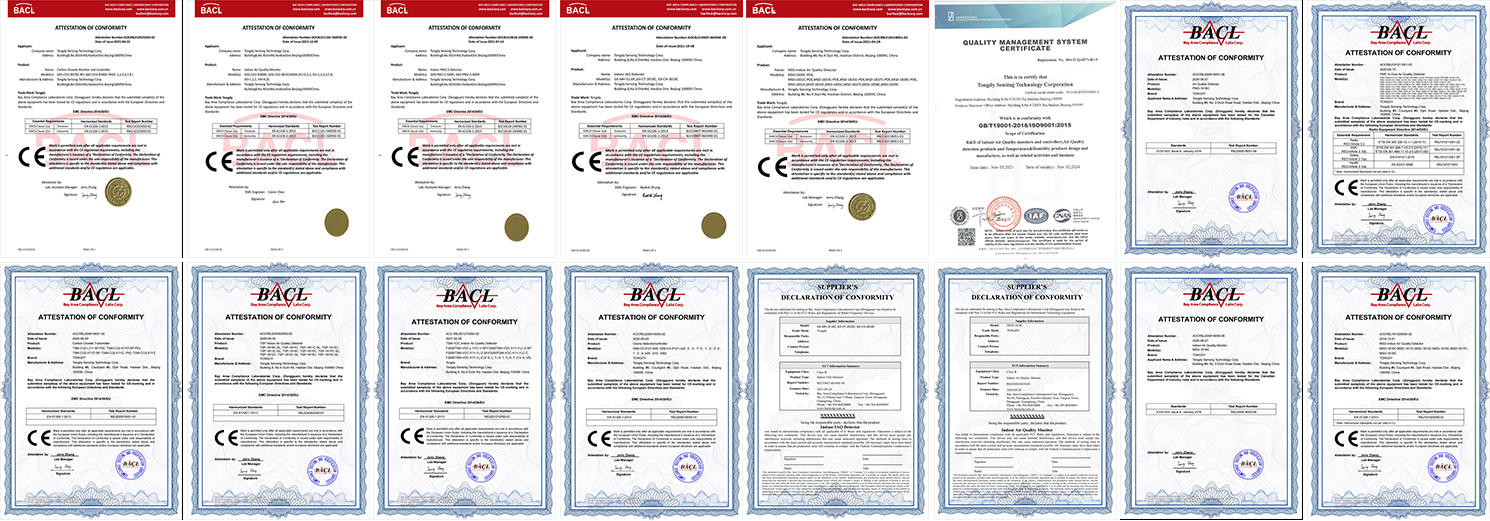
Certificates and Honor
Globally Certified Performance and Standardized ISO Manufacturing
Our Values & Technical Edge
Exclusive Calibration Algorithm
Proprietary technology, the effective calibration method to support higher data accuracy in different environment.
Multi-Sensor Structure
Special multi-sensor module with the sealed cast aluminum structure and up to six sensors inside.
Continuous R&D Investment
Tongdy-owned, and huge investment in research and development to ensure the product reliability and innovation.
Real-Time Data & Analytics
“MyTongdy” Platform will help you reading and analyzing data of your air quality on PC or mobile APP to optimize IAQ.
15+ Years IAQ Expertise
Over 15 years experience for indoor air quality, Tongdy provides commercial accurate data and help you to make data-driven decisions.
Why Choose Tongdy Sensing Technology?
20+ Years of Expertise in IAQ & HVAC Solutions: Trusted by clients for high-quality products and professional service, fully compliant with Green Building standards.
100+ Monitoring and Control Products: Over 100 commercial-grade monitors and controllers, including CO2, single-gas, and multi-sensor solutions for HVAC, BMS, and green building applications.
Reliable and Accurate Data: Providing smart building managers with actionable, real-time data to make informed decisions.
Tailored to Your Specific Needs: Flexible hardware, professional expertise and fast delivery enable cost-effective, customized gas detection and control solutions.
4. Engineering Selection Matrix & ROI Benefits for Public Space Testing
Specifying the optimal carbon dioxide transmitter involves matching sensor parameters with building operational requirements. Engineers must evaluate accuracy tolerances, environmental temp/humidity boundaries, communications protocols, and maintenance lifecycles:
| Parameter | Standard Commercial Grade | Tongdy Public Space Transmitter Standard |
|---|---|---|
| Sensing Principle | Single-Channel NDIR / eCO2 VOC conversion | Dual-Beam NDIR Optical Infrared Detection |
| Accuracy | ±50 ppm + 5% of reading | ±30 ppm + 3% of reading (RESET/WELL compliant) |
| Measurement Range | 0 - 2,000 ppm | 0 - 5,000 ppm (Expandable to 10,000 ppm) |
| Integration Output | 0-10V Analog only | BACnet MS/TP, Modbus RS485, Wi-Fi, LoRaWAN, Relay |
| Calibration Stability | Requires annual manual tuning | Self-Calibrating ABC logic, >10-year lifespan |
Return on Investment (ROI) & Energy Savings
Integrating CO2 transmitters into building air handlers for Demand-Controlled Ventilation yields immediate financial returns. Heating and cooling unconditioned outdoor air is one of the highest energy expenditures in commercial buildings. By dynamically modulating ventilation dampers based on actual measured CO2 concentrations rather than constant maximum occupancy assumptions, commercial spaces typically achieve payback on sensor installation within 6 to 14 months while extending HVAC fan motor lifespans.
Complete Public Space Gas & Thermal Controller Portfolio
Explore our full range of NDIR CO2 sensors, multi-gas monitors, and HVAC integration controllers