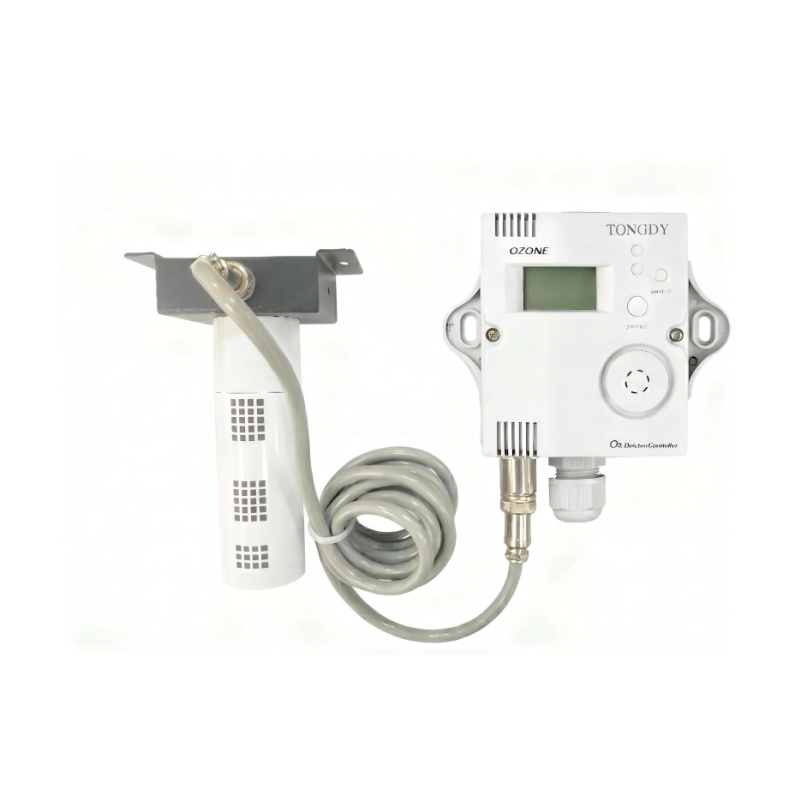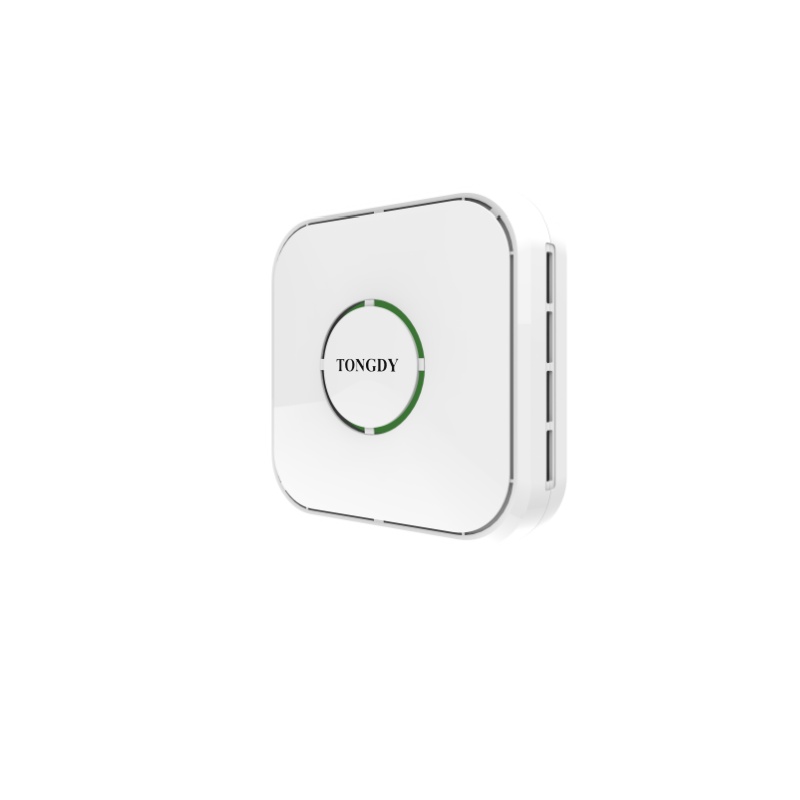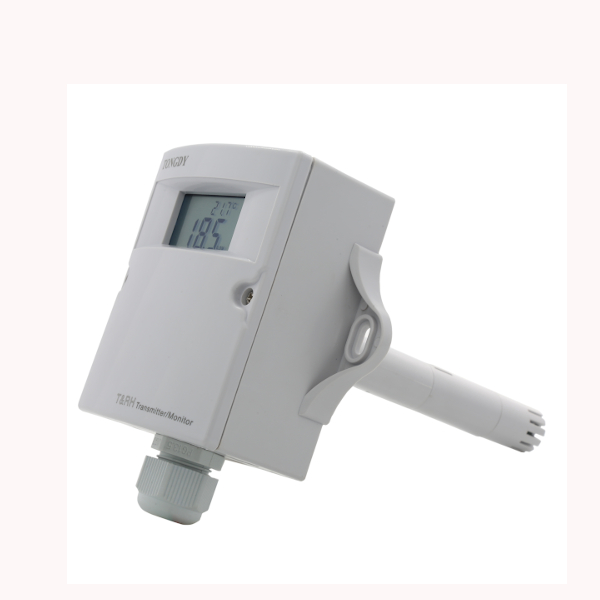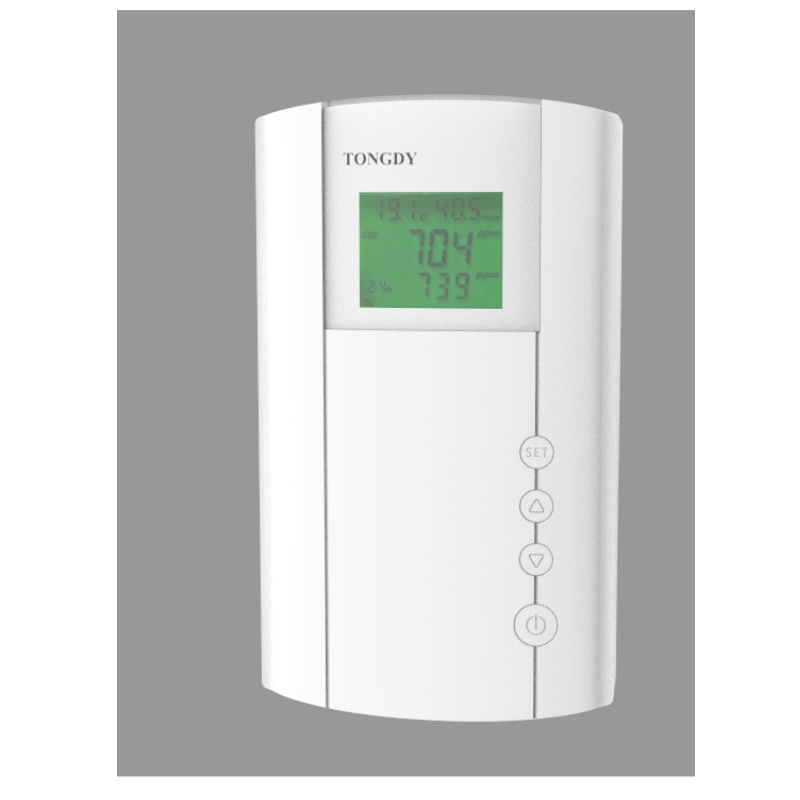

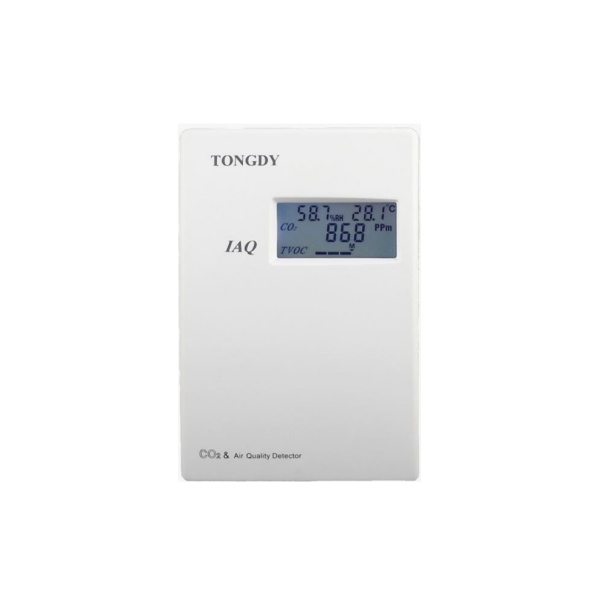
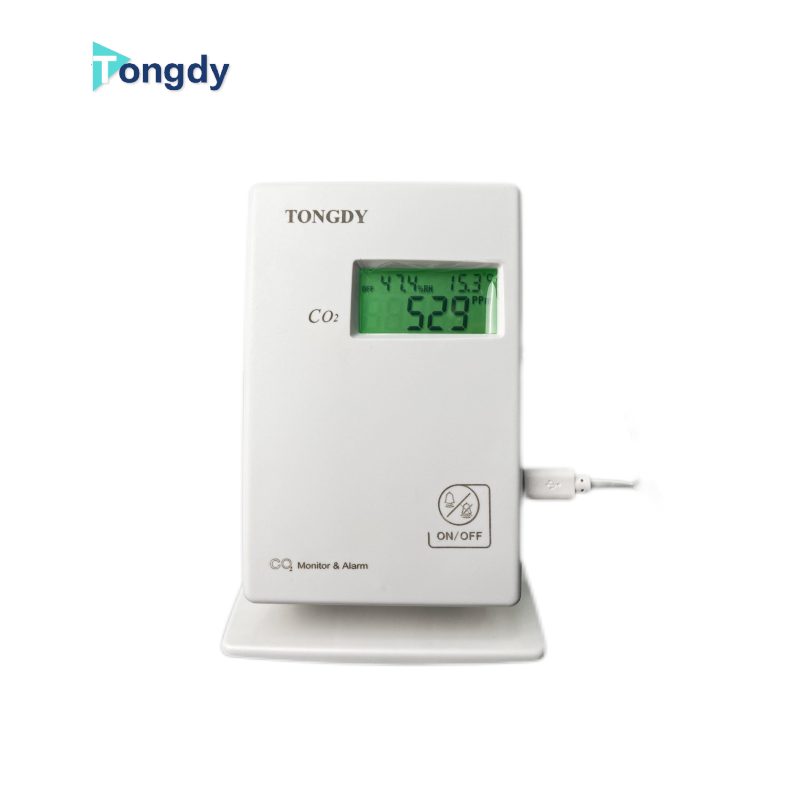
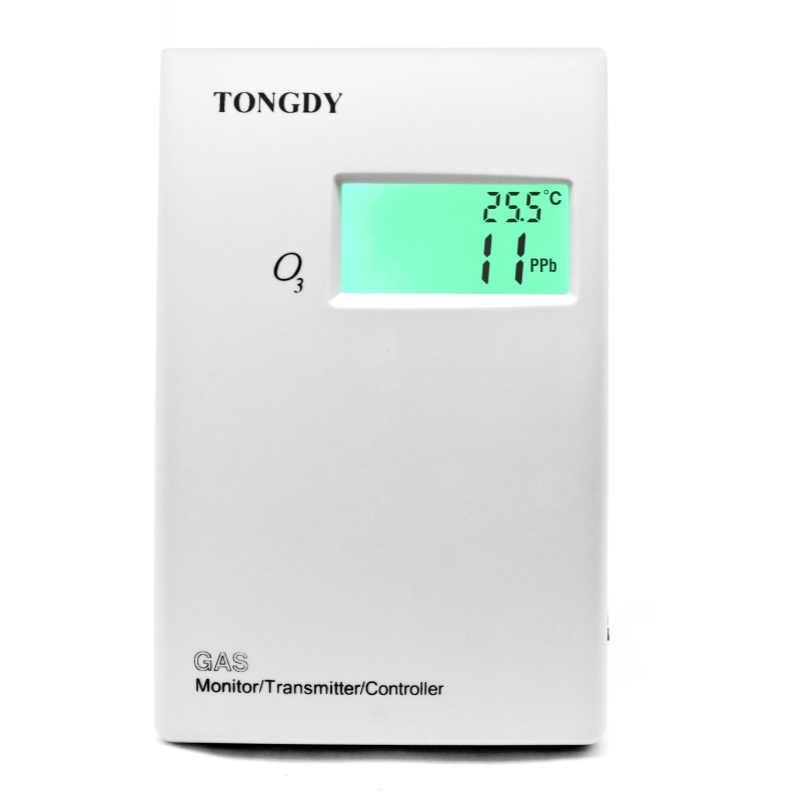
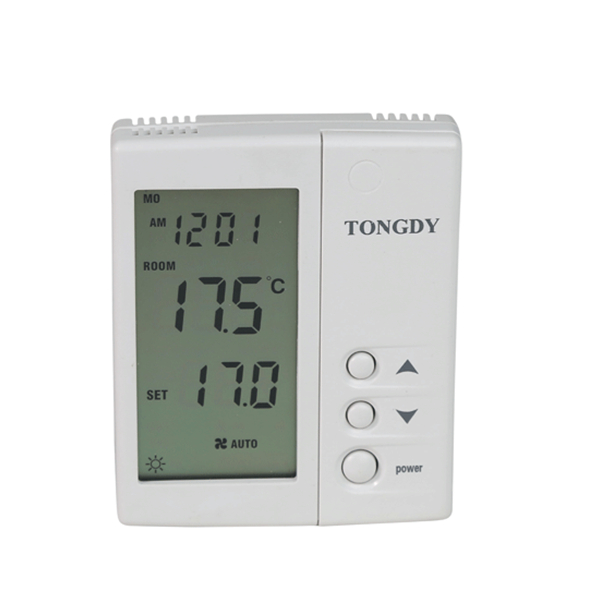
Featured Public Space IAQ Monitoring Devices
Commercial-grade detection nodes designed for real-time continuous air quality diagnostics in public venues, commercial complexes, and intelligent HVAC systems.
Commercial Dynamics and Technical Imperatives of Public IAQ Testing
A comprehensive examination of volatile organic compounds, particulate dynamics, environmental standards, and automated control strategies in modern public facilities.
The Complex Chemistry of Public Atmospheric Contaminants
Public spaces—ranging from international airport concourses, transit terminals, and commercial shopping centers to university auditoriums, municipal libraries, and hospital outpatient halls—represent high-density microenvironments subject to severe indoor air quality (IAQ) volatility. Unlike residential or individual office compartments, public spaces experience irregular occupancy influxes, variable air exchange rates, and multifaceted contaminant sources that evolve throughout the diurnal cycle.
Total Volatile Organic Compounds (TVOC) and Fine Particulate Matter (PM2.5) constitute the two most critical parameters governing atmospheric health in these shared environments. TVOC is an aggregate index representing hundreds of individual chemical species, including benzene derivatives, aliphatic hydrocarbons, aldehydes, ketones, and chlorinated solvents. In public venues, TVOC originates from continual off-gassing of interior fit-outs, synthetic carpeting, flame-retardant commercial upholstery, heavy application of alcohol- and quaternary ammonium-based chemical sanitizers, and human bio-effluents.
Simultaneously, PM2.5 consists of breathable aerosols with aerodynamic diameters of 2.5 micrometers or smaller. These particles infiltrate public facilities via external intake air contaminated with vehicle exhaust, industrial emissions, and ambient smog, while also being mechanically re-suspended by heavy pedestrian footfall. Because of their tiny aerodynamic diameter, PM2.5 particles bypass the upper respiratory defenses and penetrate deep into alveolar structures, causing acute respiratory distress, cardiovascular strain, and heightened transmission vectors for airborne pathogens.
Evolution of Green Building Standards: WELL v2, LEED, and RESET Air
The contemporary commercial real estate and public infrastructure sectors are undergoing a paradigm shift driven by sustainable architecture certifications and human-centric wellness frameworks. Historically, mechanical ventilation systems operated on static schedules or rudimentary carbon dioxide (CO2) thresholding. However, leading international standards have established continuous quantitative air quality testing as a prerequisite for asset valuation and operational compliance.
WELL Building Standard™ (WELL v2) Compliance
Under the WELL Air concept, continuous real-time monitoring of PM2.5 and TVOC is mandatory for maintaining certification. Facilities must ensure that PM2.5 levels remain below 15 µg/m³ (or 10 µg/m³ for enhanced thresholds) and TVOC concentrations remain below 500 µg/m³, verified through calibrated, commercial-grade sensing nodes deployed across public circulation corridors.
LEED BD+C & O+M Enhanced IAQ Strategies
The U.S. Green Building Council's LEED rating system awards vital credits for indoor environmental quality performance testing, demanding baseline validation and continuous telemetry integration to verify that filtration and air handling units (AHUs) successfully eliminate particulate and gaseous contaminants prior to public occupancy.
RESET Air Standard for Real-Time IAQ
RESET enforces stringent requirements on continuous sensor hardware, calibration traceability, and cloud-based data streaming, requiring public building operators to install commercial Grade B or Grade A monitors with standardized sampling flow rates and drift compensation algorithms.
Deep-Dive Application Scenarios in Public Space Infrastructure
Tailored monitoring topologies engineered to address specific physical, thermal, and chemical profiles across diverse public architecture.
Airports, High-Speed Rail & Transit Hubs
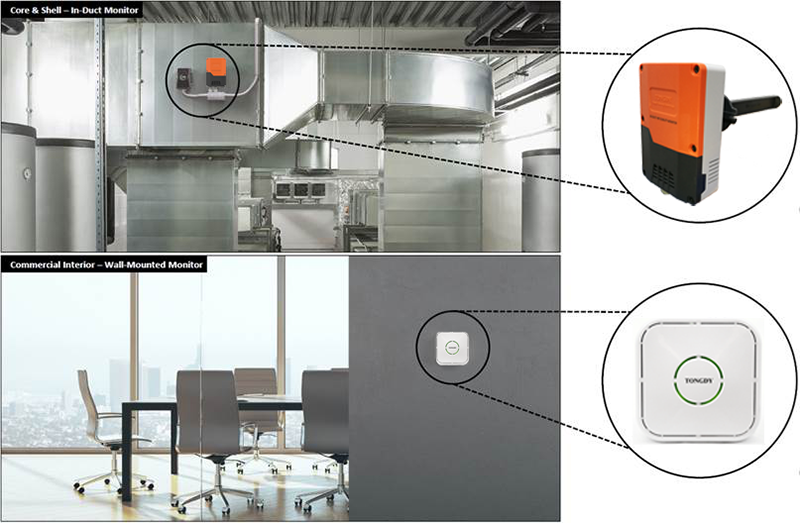
Transit hubs experience massive passenger surges alongside persistent cross-contamination from outdoor jet exhaust, diesel train emissions, and luggage sanitization lines. Commercial TVOC and PM2.5 monitors installed at 1.5-meter breathing zones and within primary AHU return ducts provide closed-loop feedback, triggering active carbon adsorption beds and high-efficiency filtration stages during peak transit hours.
Commercial Atriums & Retail Mega-Malls
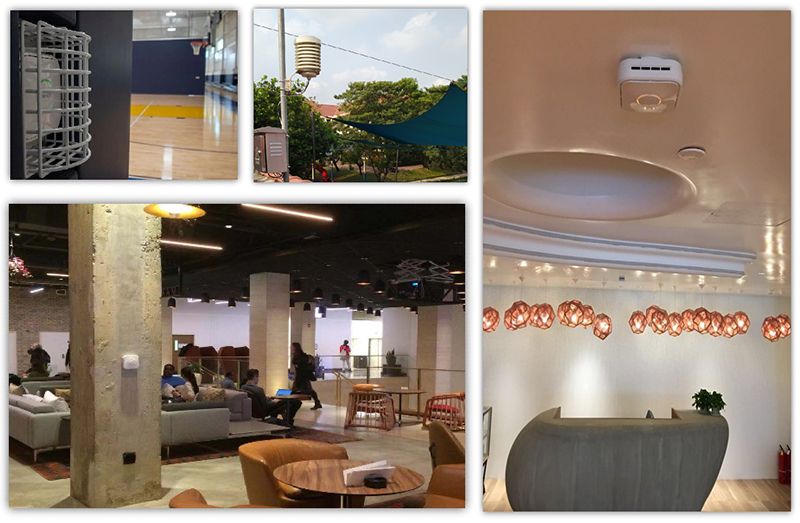
Massive volumetric public atriums suffer from severe thermal stratification and stagnant microclimates where particulate matter and chemical odors accumulate. Deploying networked multi-sensor nodes with LoRaWAN and Modbus protocols allows building automation systems (BAS) to balance multi-zone variable air volume (VAV) dampers, maintaining uniform IAQ across multi-tiered retail floors.
Healthcare Facilities & Outpatient Halls
Public waiting lounges in hospitals require zero-tolerance particulate management to prevent secondary bacterial and viral infections. High-precision laser particle counters coupled with photoionization or multi-pixel MOS TVOC sensors ensure disinfection vapors and external particulates are instantly mitigated through automated emergency purge cycles.
Universities, Auditoriums & Libraries
Academic public spaces demand pristine air to foster cognitive concentration and prevent fatigue. Real-time data logging of TVOC, PM2.5, and CO2 directly informs Demand-Controlled Ventilation (DCV), optimizing fresh air intake while reducing HVAC chiller loads during periods of moderate occupancy.
Convention Centers & Exhibition Galleries
Exhibition halls regularly undergo rapid structural turnover, with booths, paints, varnishes, and temporary adhesives releasing sharp TVOC spikes. Continuous monitoring prevents acute exposure for visitors and workers, generating verifiable air quality compliance logs for municipal health authorities.
Smart Government & Corporate Lobbies
High-profile civic buildings and commercial headquarters leverage real-time IAQ public dashboards to visually demonstrate environmental responsibility, enhancing tenant confidence and satisfying corporate ESG (Environmental, Social, and Governance) transparency mandates.
Advanced Sensor Physics, Multi-Sensor Modules & Calibration Intelligence
Understanding the engineering principles behind reliable continuous sensing: optical light scattering, photoionization, and environmental drift decoupling.
Precision Laser Particle Counting (PM2.5 / PM10)
Accurate detection of airborne aerosols in dynamic public spaces demands industrial-grade optical particle counters (OPCs). These sensors utilize a focused laser diode aimed through a continuous laminar-flow sample chamber. As airborne particulate matter crosses the narrow laser beam, it scatters light at specific angles proportional to its physical particle geometry and refractive index.
A high-speed photodiode detector converts the scattered optical pulses into microvolt electrical signals. Advanced onboard digital signal processors (DSP) run Mie Scattering mathematical algorithms to categorize particles into distinct bin sizes (PM1.0, PM2.5, PM10) and calculate true mass concentration (µg/m³). Built-in self-cleaning optical pathways and constant-velocity miniature sampling fans prevent internal dust deposition, maintaining high signal-to-noise ratios over years of continuous public operation.
Multi-Pixel MOS and PID Technologies for TVOC
Detecting volatile organic compounds across broad public atmospheres requires robust gas sensor architectures. Multi-pixel Metal Oxide Semiconductor (MOS) sensors utilize nanostructured metal oxide thin films heated to elevated operational temperatures. When volatile organic molecules adsorb onto the metal oxide surface, oxygen ion exchange alters the electrical conductivity of the sensing layer.
For applications requiring specialized chemical sensitivity, Photoionization Detection (PID) utilizes high-energy krypton ultraviolet (UV) discharge lamps (typically 10.6 eV) to ionize volatile molecules without degrading surrounding ambient gases, delivering parts-per-billion (ppb) resolution indispensable for critical public monitoring.
Environmental Decoupling & Proprietary Calibration Algorithms
The primary engineering bottleneck in public space air testing is cross-sensitivity caused by fluctuations in ambient relative humidity (%RH) and temperature (°C). Water vapor condensation and thermal drift can distort raw electrical resistance in TVOC sensors and induce artificial optical scattering in laser particle chambers, producing false spikes.
Exclusive Innovative Calibration Algorithm
Tongdy’s proprietary embedded calibration algorithms dynamically process live microclimate telemetry, decoupling temperature and humidity interferences from raw gas and particulate signals. This guarantees commercial-grade data consistency across extreme seasonal variations without requiring frequent manual recalibration.
Sealed Cast Aluminum Multi-Sensor Chamber
Equipped with a custom-engineered cast aluminum internal enclosure, Tongdy monitors physically isolate sensitive sensor modules from electromagnetic interference (EMI) and external thermal gradients, housing up to six distinct detection cells in a compact, field-replaceable format.
Edge-Computing & BMS Protocol Flexibility
Raw sensor readings are computed at the device edge, providing native outputs via RS485 Modbus RTU, BACnet MS/TP, LoRaWAN, Wi-Fi, and 4-20mA analog loops for seamless plug-and-play integration with Honeywell, Johnson Controls, Siemens, and Schneider Electric building management architectures.
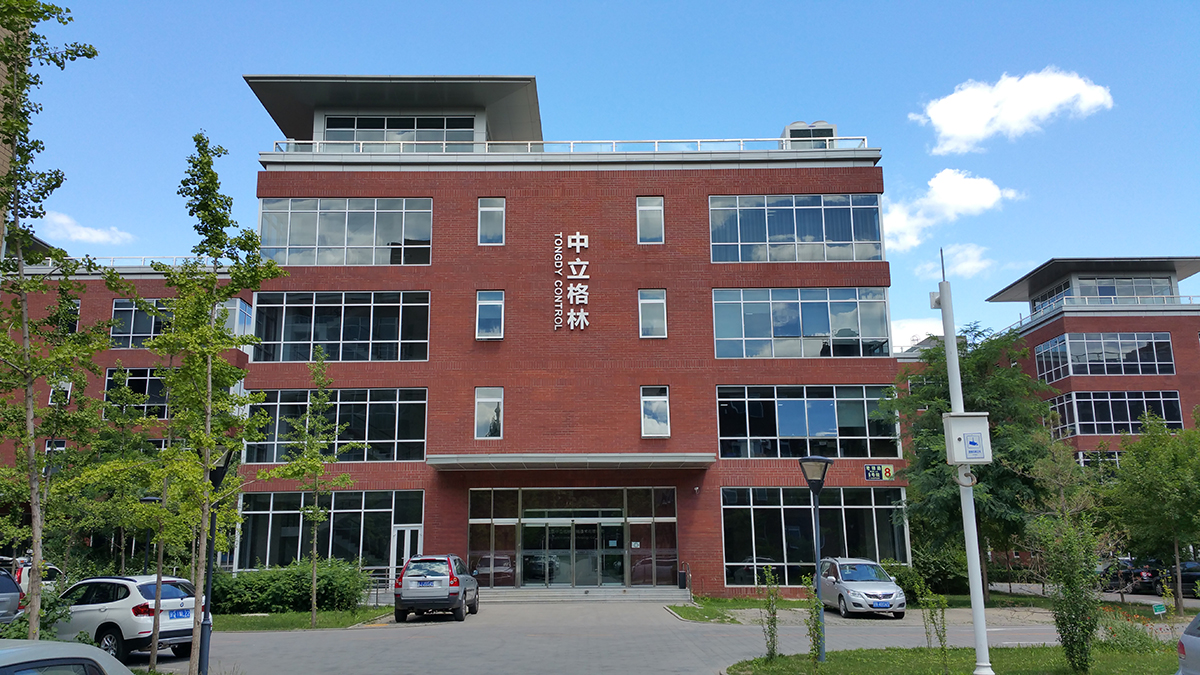
Tongdy Sensing Technology Corporation
Help you build and maintain a healthy indoor environment
Our work makes a difference in helping you make healthy indoor air quality. As one of the earliest companies in China engaged in air quality monitoring products, Tongdy has always focused on its strong technology development and design capabilities for indoor air quality monitors.
With over 15 to 20+ years of dedicated expertise in IAQ and HVAC sensing solutions, Tongdy fosters continuous research and development on obtaining accurate air quality data, helping engineers, architects, and facility managers understand and improve the air people breathe through rigorous quantitative assessment and advanced data analytics.
For pursuing our ultimate purpose of creating healthy indoor air quality, we are committed to obtaining real and accurate data and cultivating the next generation of innovators in environmental technology and building engineering.
Core Values and Social Responsibility
Driving sustainable environmental engineering, precision manufacturing, and corporate social accountability worldwide.
Proprietary Calibration Technology
Proprietary technology and effective calibration algorithms support higher data accuracy and long-term sensor stability in harsh, varying public microenvironments.
Cast Aluminum Sensor Module
Special multi-sensor module featuring a sealed cast aluminum structure that houses up to six precision sensors inside, preventing thermal drift and chemical cross-talk.
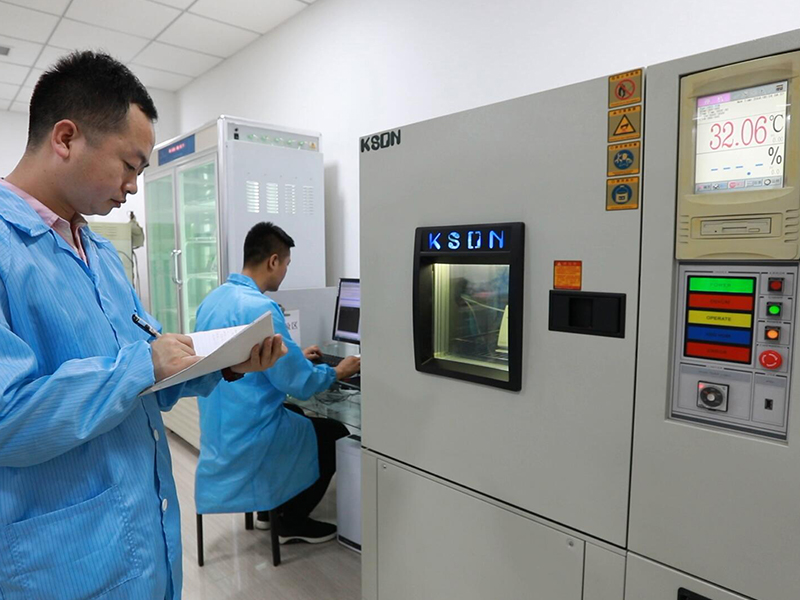
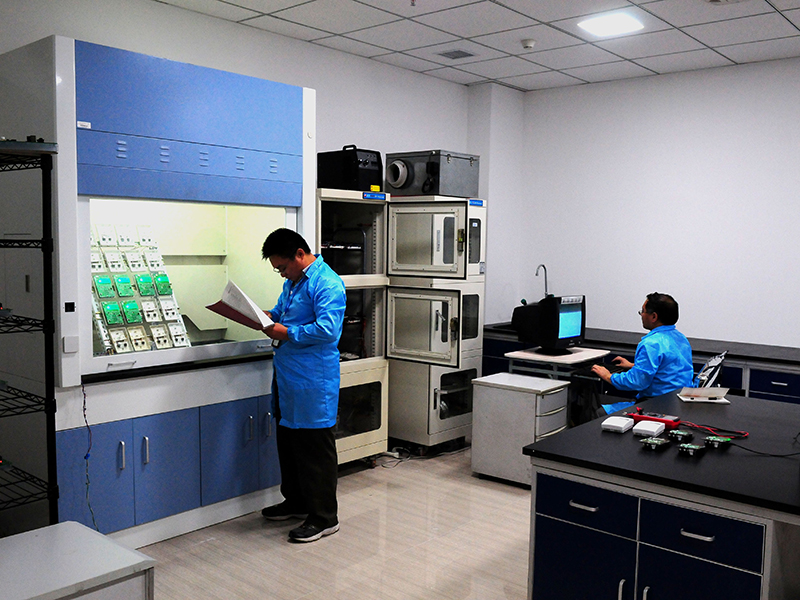
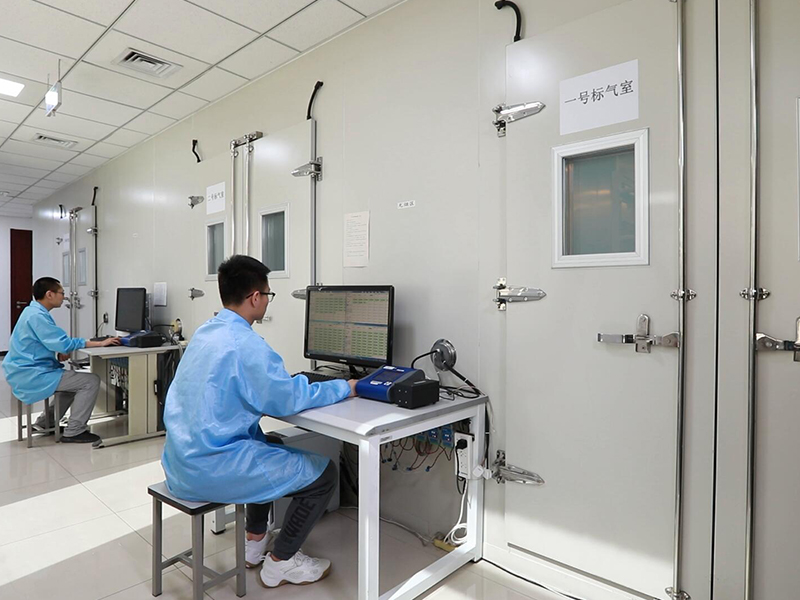
Continuous R&D & Quality Control
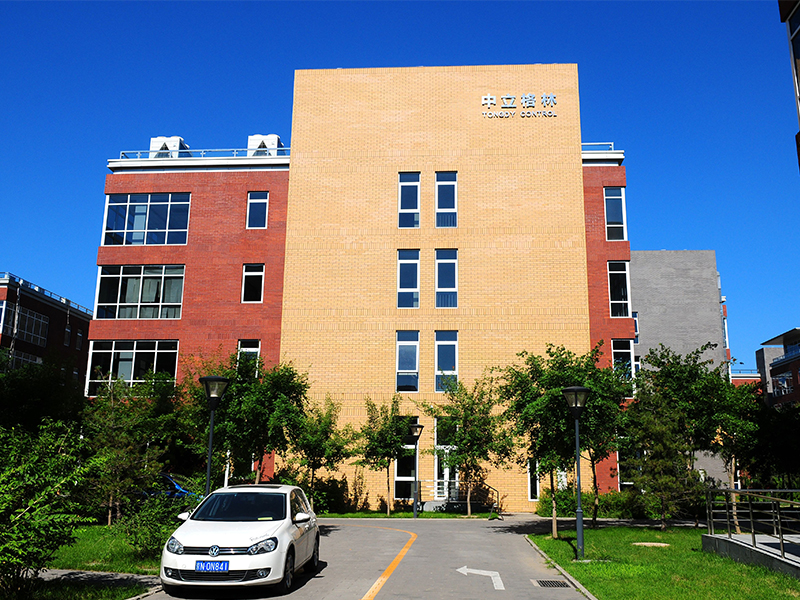
Tongdy-owned testing facilities and continuous investment in research and development ensure high product reliability, stringent QC compliance, and enduring innovation.
Real-Time Telemetry & "MyTongdy" Platform
The "MyTongdy" Cloud Platform empowers facility managers to read, analyze, and generate comprehensive historical reports on PC or mobile apps for continuous IAQ optimization.
Expert Indoor Air Quality Insights
Over 15 years of field experience enables Tongdy to deliver commercial-grade data, helping smart building operators make data-driven decisions that foster health-centered indoor spaces.
Global Social Welfare & WELL Cooperation
Tongdy actively contributes to public welfare undertakings, cooperating with leading organizations like WELL (The International WELL Building Institute™) to explore the health impact of indoor air.
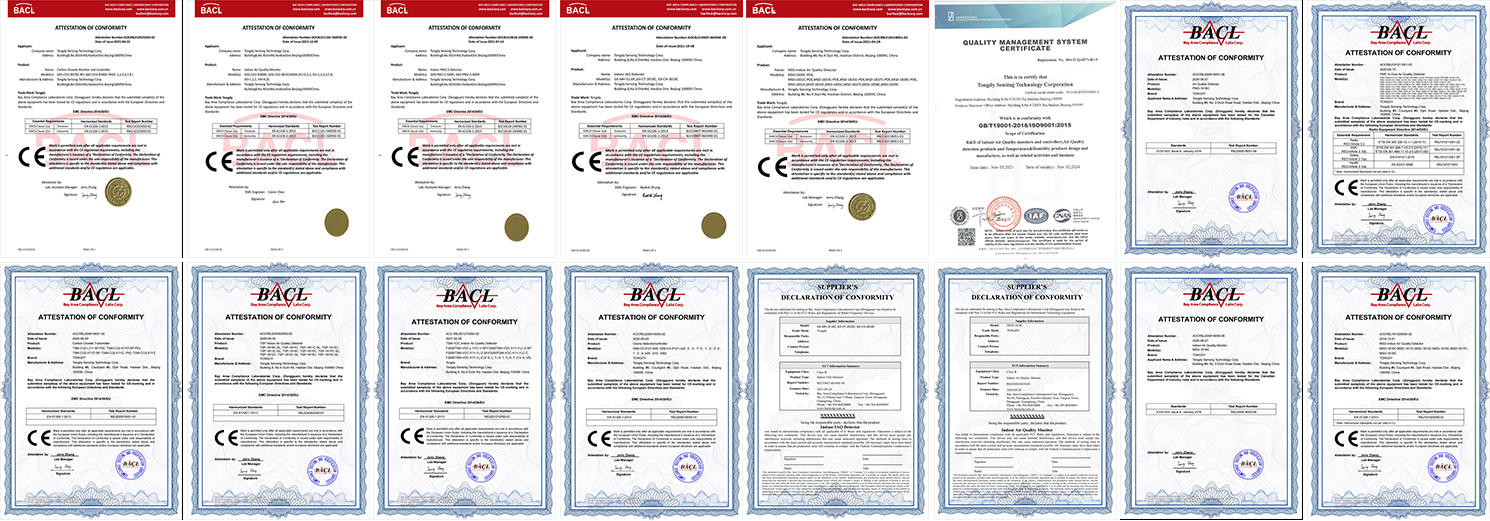
Certificates and Honors
Internationally recognized quality assurance, CE/FCC compliance, and certified manufacturing excellence.

Rigorous Compliance & Global Standards
Tongdy’s air quality monitors and controllers undergo stringent laboratory calibration and electromagnetic compatibility evaluations to guarantee trouble-free operation alongside complex commercial building HVAC infrastructure.
Our instruments conform to international safety, health, and environmental standards, empowering building engineers to achieve green building certifications effortlessly.
Why Choose Tongdy for Public Space Air Monitoring?
Engineered for high performance, long-term durability, and seamless smart building integration.
20+ Years IAQ Expertise
Trusted globally for high-quality instruments and professional engineering support, fully compliant with international Green Building metrics.
100+ Monitoring Products
Commercial-grade monitors and controllers spanning CO2, TVOC, PM2.5, PM10, Ozone, CO, and multi-gas HVAC duct transmitters.
Actionable Real-Time Data
Providing smart facility managers with reliable, high-resolution continuous telemetry to execute proactive HVAC ventilation control.
Tailored to Your Specific Needs
Modular hardware platforms, adaptable communication firmware, and rapid delivery enable customized, cost-effective environmental sensing.
Complete Public Space IAQ & HVAC Product Portfolio
Explore our comprehensive lineup of commercial air quality sensors, smart controllers, and environmental transmitters.