

Featured IAQ Sensors & Environmental Controllers
Commercial-grade, NDIR-based carbon dioxide detectors, intelligent multi-gas monitors, and cloud connectivity platforms engineered for seamless building automation.


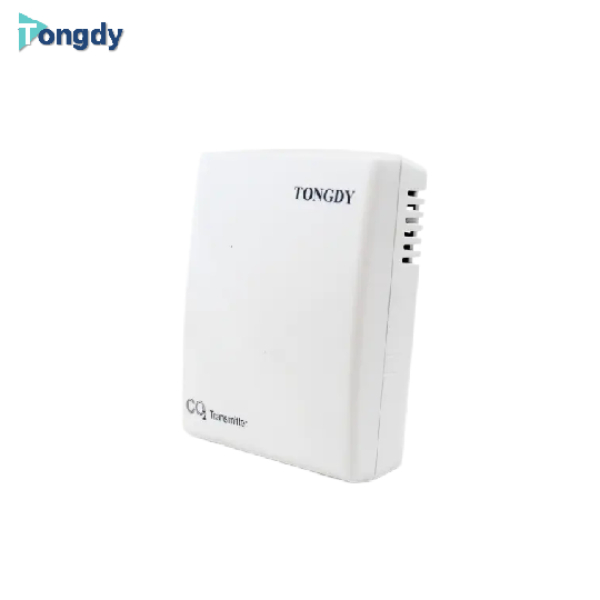
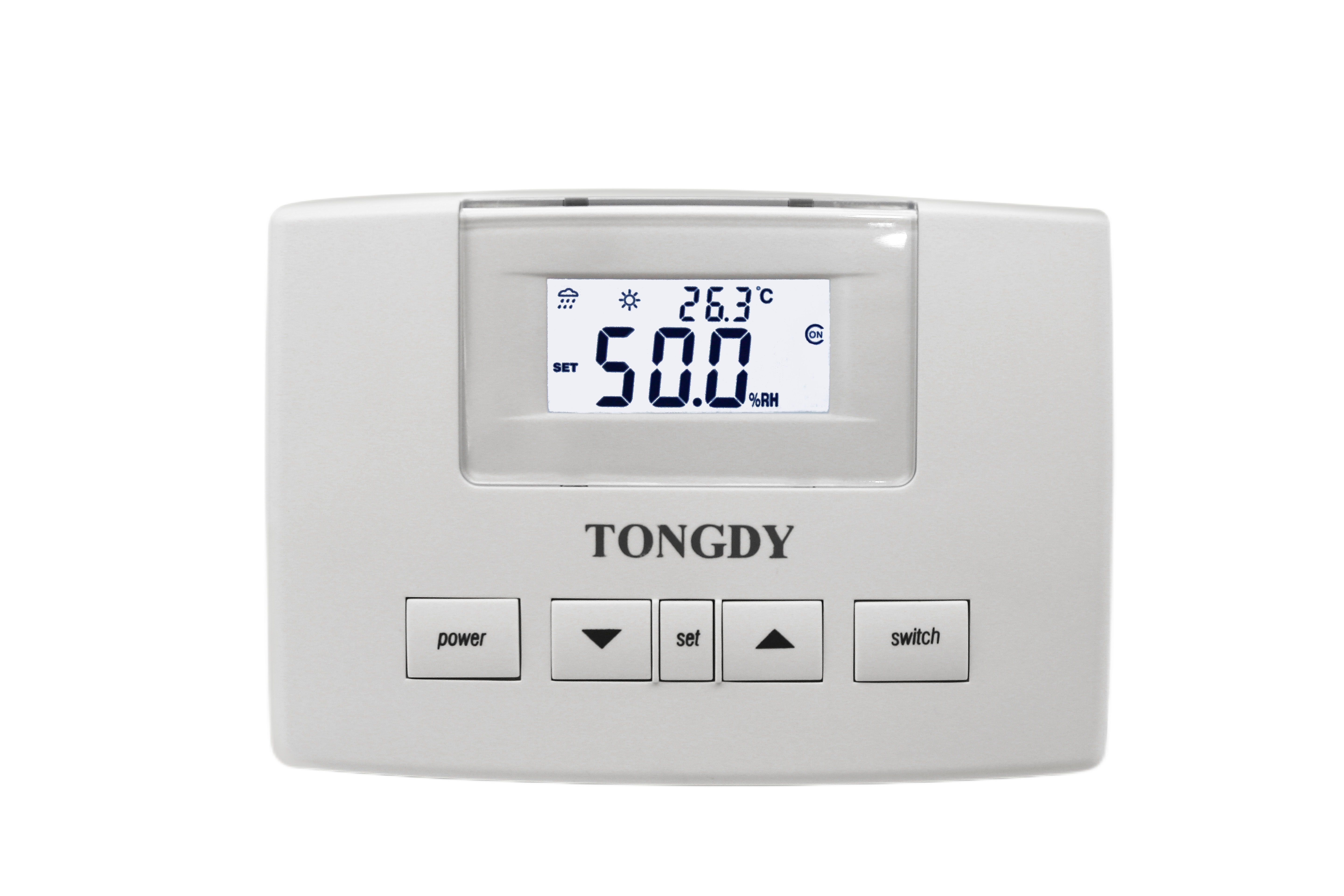
The Strategic Imperative of IAQ Monitoring in Kawachi
The industrial and commercial landscape of Kawachi represents an active nexus of advanced manufacturing, logistics networks, clean-energy research, and intensive agricultural-technology facilities. As regional enterprises modernize their infrastructure to meet Japan's stringent carbon neutrality benchmarks and employee wellness standards, real-time indoor air quality (IAQ) monitoring has transitioned from a supplementary amenity to a mission-critical asset.
Within Kawachi's expanding industrial parks and precision fabrication plants, micro-contaminants, aerosolized volatile organic compounds (VOCs), and fluctuating humidity pose tangible threats to sensitive production processes. Sub-micron particulate penetration compromises semiconductor assembly, food packaging safety, and pharmaceutical formulating environments. Continuous environmental telemetry ensures facility managers retain granular, second-by-second visibility over ambient atmospheric variables.
Concurrently, commercial complexes, academic campuses, and municipal offices across Kawachi are implementing strict occupant health controls. Driven by the Act on Maintenance of Sanitation in Buildings (Building Sanitation Law), building operators are mandated to control ambient carbon dioxide (CO2) concentrations below 1,000 ppm, regulate relative humidity between 40% and 70%, and optimize mechanical ventilation. Deploying real-time sensor networks eliminates guesswork, directly linking Demand-Controlled Ventilation (DCV) with empirical sensor data to preserve energy while safeguarding human respiration.
Industrial Micro-Climate Regulation
High-precision manufacturing in Kawachi demands rigorous atmospheric stability. Continuous multi-parameter monitors mitigate electrostatic discharges, inhibit mold colonization, and preemptively detect gas leakage within complex plant layouts.
Automated Demand-Controlled Ventilation (DCV)
By pairing high-precision NDIR CO2 sensors directly to central Building Automation Systems (BAS) via BACnet or Modbus RTU, commercial buildings in Kawachi reduce HVAC refrigeration and heating loads by up to 33% without compromising fresh air delivery.
Emerging Trends Shaping the Real-Time IAQ Industry
Rapid convergence of edge computing, non-dispersive infrared optics, and multi-sensor fusion transforms legacy building detection into proactive ambient intelligence.
Multi-Sensor Optical & Chemical Fusion
Modern IAQ hardware departs from isolated single-parameter detection. Modern instruments consolidate NDIR CO2 sensors, laser scattering particle counters (PM1.0, PM2.5, PM10), metal oxide semiconductor (MOS) TVOC detectors, and electrochemical carbon monoxide cells into a single, shielded enclosure.
AI-Assisted Baseline Calibration
Sensor drift represents the primary failure mode of legacy monitoring systems. Cutting-edge devices now integrate proprietary calibration algorithms and automated baseline correction (ABC) that continuously evaluate ambient minimums, ensuring decadal accuracy without repetitive manual recalibration.
Edge-to-Cloud IoT Ecosystems
Field installations in Kawachi increasingly rely on hybrid protocol stacks. Native support for RS485 Modbus, BACnet MS/TP, Wi-Fi, Ethernet (PoE), and LoRaWAN empowers facility teams to route real-time telemetry simultaneously to local PLC controllers and enterprise cloud analytics dashboards.
Customized IAQ Scenarios across Kawachi Infrastructure
Tailored environmental monitoring frameworks resolving distinct spatial, architectural, and operational requirements.
Advanced Electronics & Cleanroom Production
In Kawachi's electronics assembly corridors, fine particulate matter and volatile chemical off-gassing degrade micro-soldering yields. Real-time laser particle counters with rapid continuous sampling safeguard cleanroom boundary integrity and track HEPA filtration degradation over time.
Large-Scale Logistics Hubs & Cold Chain Warehouses
With automated material handling and internal combustion or electric forklift traffic, logistics centers require combined CO and CO2 safety monitoring. Integrated relay outputs trigger emergency exhaust ventilation upon exceeding hazardous occupational thresholds.
Educational Facilities, Daycares & Municipal Offices
Cognitive performance and respiratory wellness are intrinsically linked to indoor carbon dioxide levels. Ambient multi-transmitters with visual color-coded LED indicators allow educators and building caretakers to ensure continuous ventilation compliance during peak occupancy hours.
Commercial Retail, Hospitality & Medical Centers
Medical clinics and consumer retail venues in Kawachi prioritize public confidence and hygiene certifications. Displaying live IAQ data feeds via centralized IoT dashboards demonstrates transparency, meeting CASBEE-Wellness building accreditation criteria.
| Target Pollutant / Parameter | Standard Measurement Principle | Standard Recommended Range |
|---|---|---|
| Carbon Dioxide (CO2) | Dual-Beam NDIR Infrared Sensor | < 800 - 1000 ppm (Indoor Norm) |
| Particulate Matter (PM2.5/PM10) | Laser Particle Scattering Analysis | < 12 μg/m³ (Annual Mean) |
| Total VOCs (TVOC) | Metal Oxide Semiconductor (MOS) | < 400 μg/m³ (Occupational Comfort) |
| Carbon Monoxide (CO) | Electrochemical Fuel Cell | < 9 ppm (Occupational Threshold) |
| Relative Humidity (RH) | Capacitive Polymer Sensor | 40% - 60% (Pathogen Suppression) |
| Temperature (°C) | High-Precision Bandgap NTC | 20°C - 24°C (Thermal Comfort) |
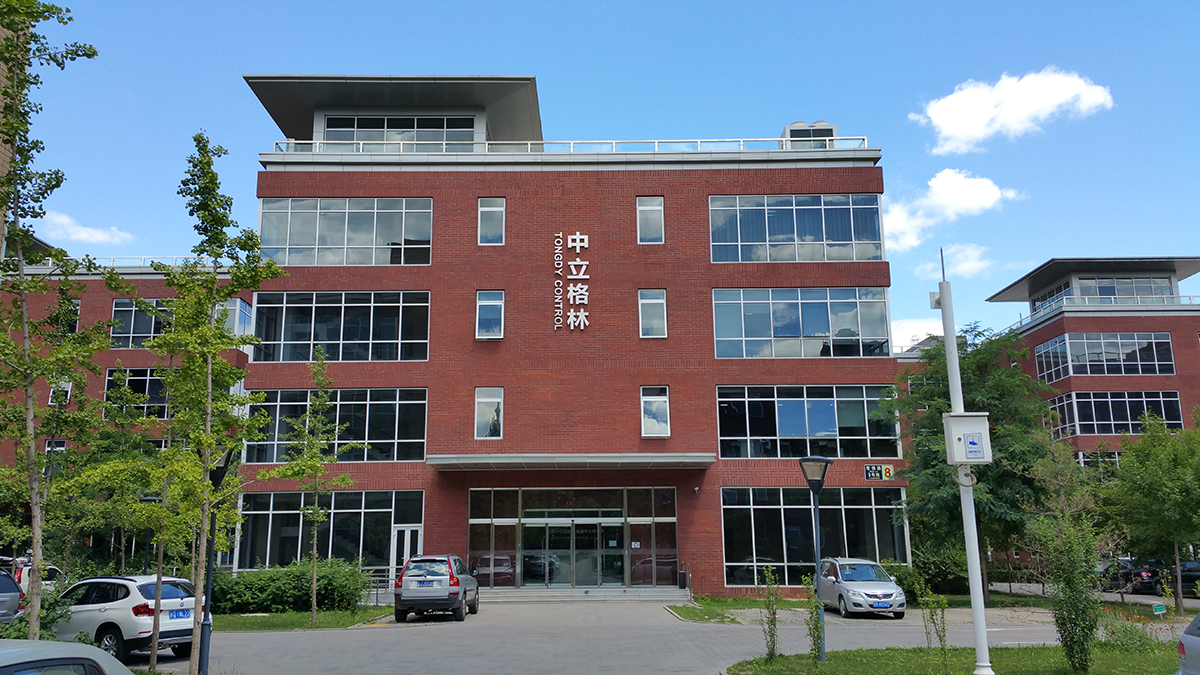
Tongdy Sensing Technology Corporation
Help you build and maintain a healthy indoor environment
Our work makes a difference in helping you make the healthy indoor air quality. As one of the earliest companies in China engaged in air quality monitoring products, Tongdy has been always focusing on its strong technology development and design capabilities on the indoor air quality monitors.
Focus on air quality detection and control over 15 years. We foster research and development on obtaining accurate air quality data, help you well understand and improve the air you breathe by quantitative assessment and data analysis.
For pursuing our ultimate purpose of creating healthy indoor air quality, we're committed to obtain real and accurate data and cultivating the next generation of innovators in technology and engineering.
Social Responsibility & Sustainable Impact
Advancing global wellness standards and verified environmental integrity
Tongdy actively develops air quality monitors and is devoted in healthy indoor air quality, and strive to become an excellent enterprise model. As a corporate citizen, Tongdy has contributed to public welfare undertakings such as cooperate with public benefit corporation, like WELL- the world's leading organization focused on deploying people first places to advance a global culture of health, especially exploring the impact of indoor air quality to people's health based on The WELL Building Standard™.
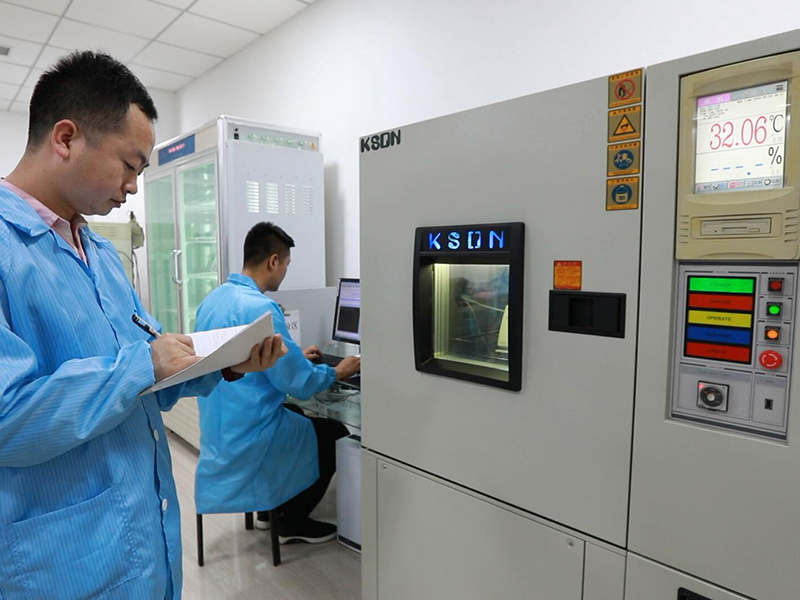
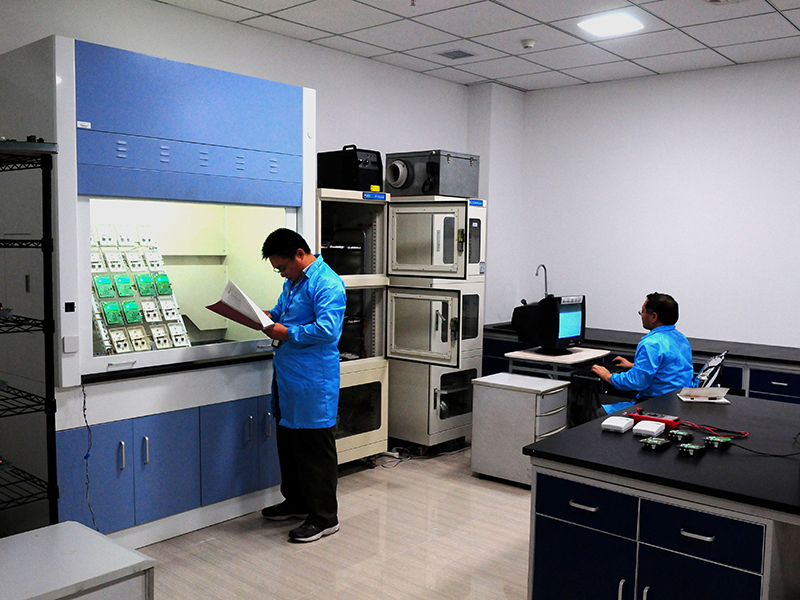
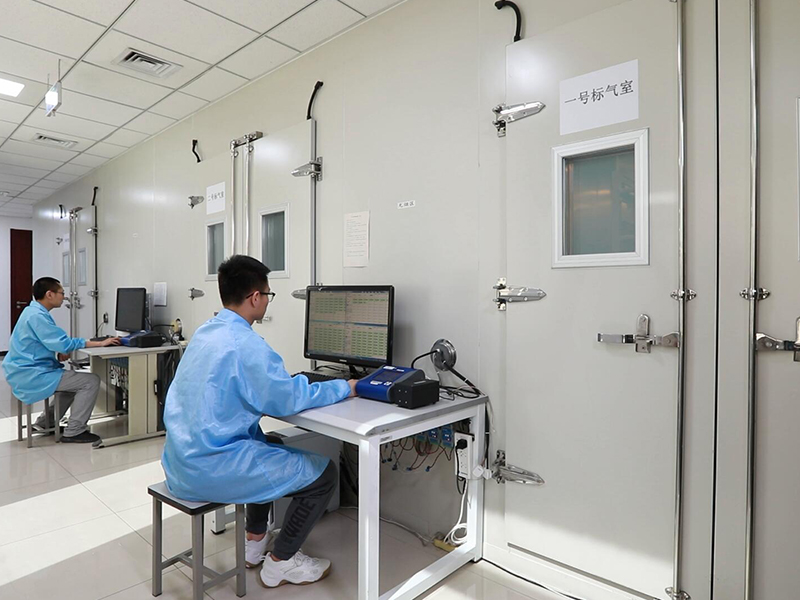

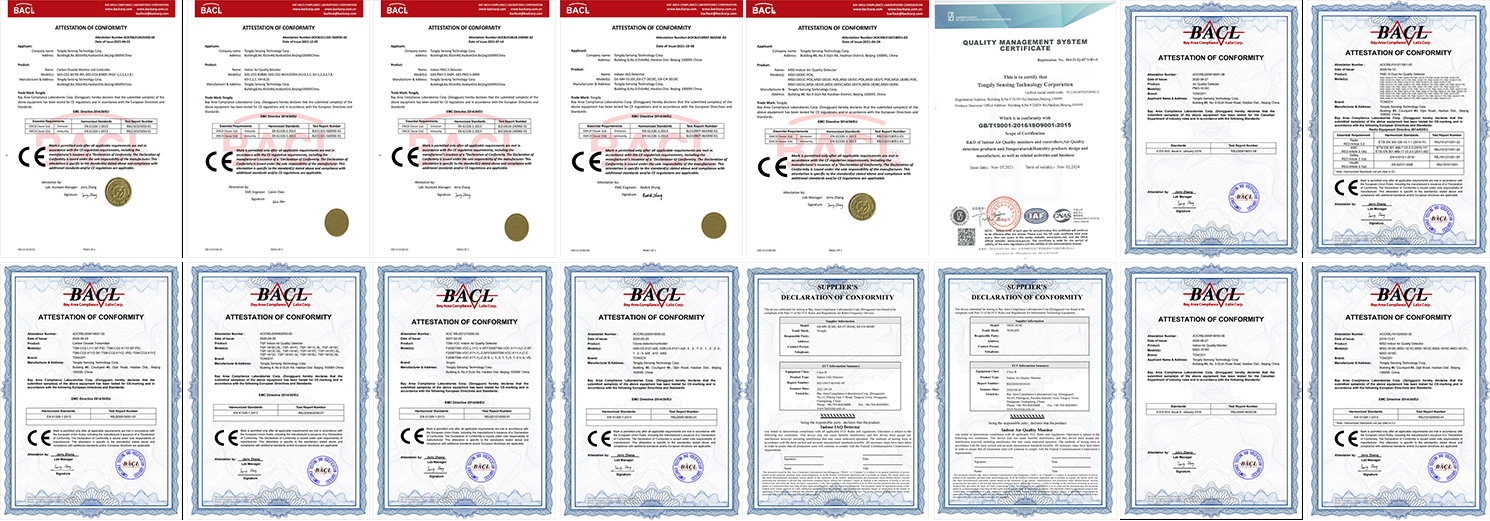
Certificates and Honor
Rigorous testing methodologies validated by international certification authorities
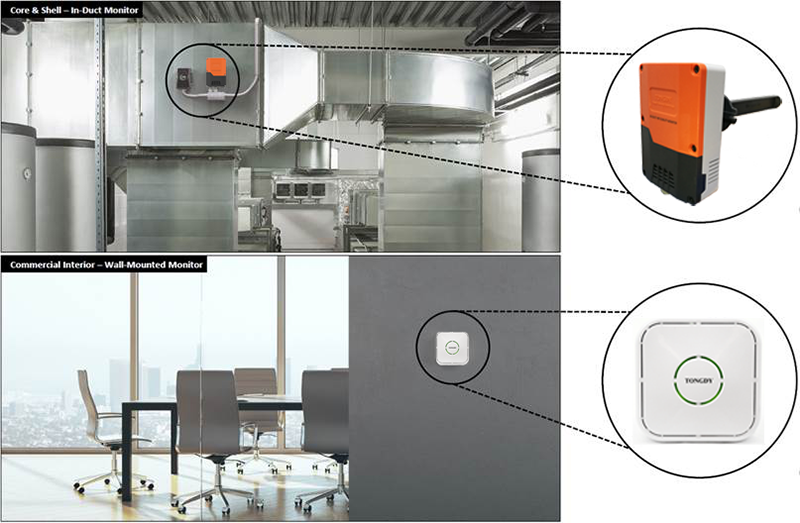
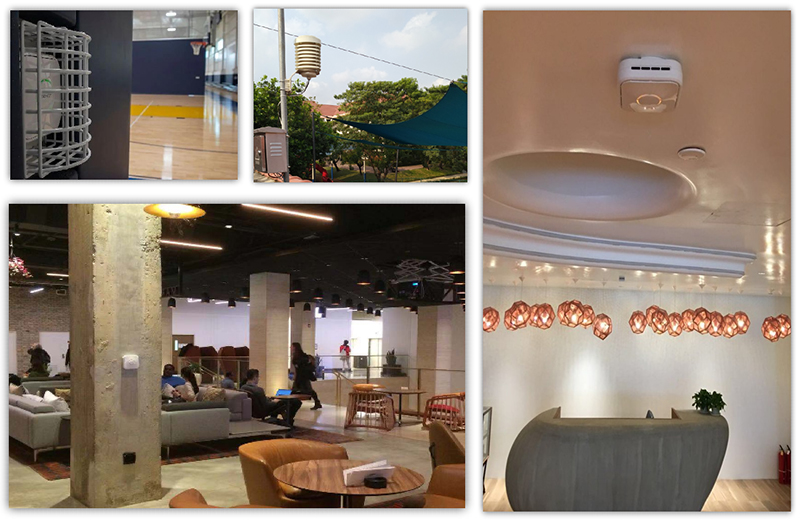
Our Values
Engineering milestones driving high-fidelity measurement across critical operating environments
Exclusive innovative calibration algorithm
Proprietary technology, the effective calibration method to support higher data accuracy in different environment.
Unique professional multi-sensor module
Special multi-sensor module with the sealed cast aluminum structure and up to six sensors inside.
Continuous R&D investment and product quality control
Tongdy-owned, and huge investment in research and development to ensure the product reliability and innovation.
Real-time data monitoring and historical data analyzing improve and optimize your indoor air quality
"MyTongdy" Platform will help you reading and analyzing data of your air quality on PC or mobile APP.
The expert of indoor air quality data
Over 15 years experience for indoor air quality, Tongdy provides commercial accurate data and help you to make data-driven decisions that foster health-centered indoor environments.
Why Tongdy
Partnering with commercial building engineers, HVAC contractors, and smart automation leaders worldwide
20+ Years of Expertise in IAQ & HVAC Solutions
Trusted by clients for high-quality products and professional service, fully compliant with Green Building standards.
100+ Monitoring and Control Products
Over 100 commercial-grade monitors and controllers, including CO2, single-gas, and multi-sensor solutions for HVAC, BMS, and green building applications.
Reliable and Accurate Data
Providing smart building managers with actionable, real-time data to make informed decisions.
Tailored to Your Specific Needs
Flexible hardware, professional expertise and fast delivery enable cost-effective, customized gas detection and control solutions.
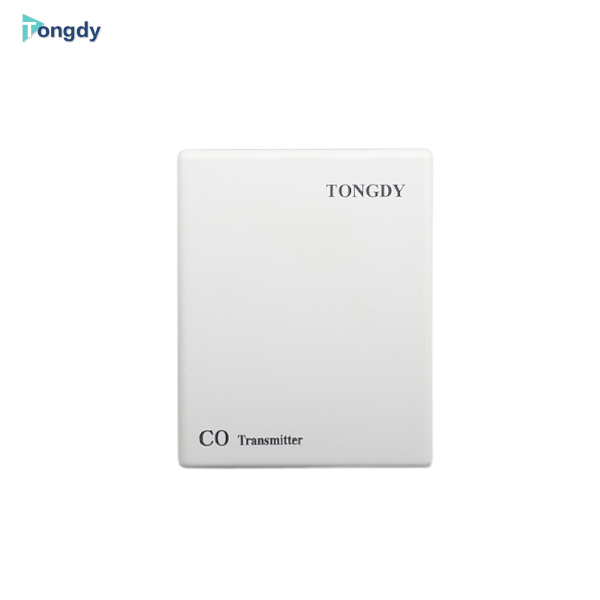
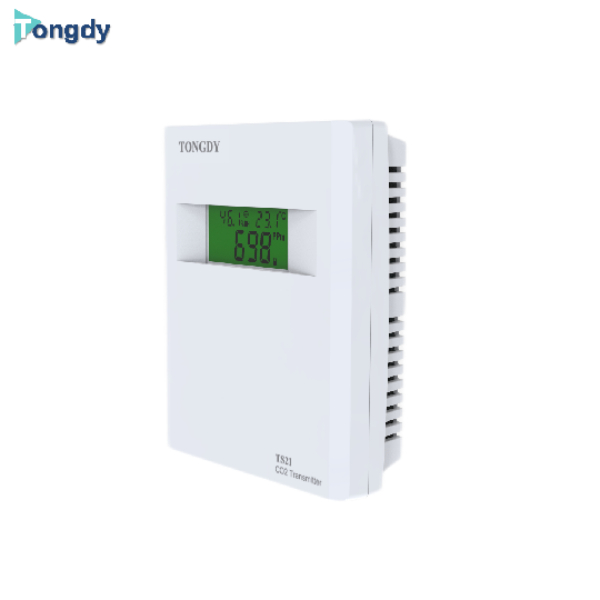
Commercial Gas Transmitters & Multi-Gas Detectors
Explore our full line of industrial and commercial devices engineered for building control systems, OEM integrations, and smart campus monitoring in Kawachi.
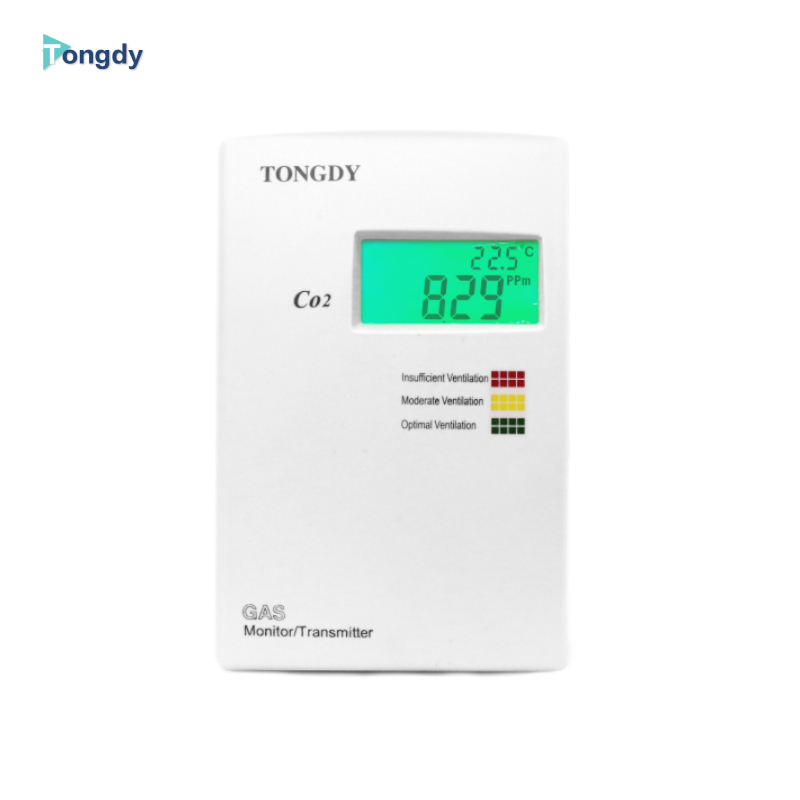
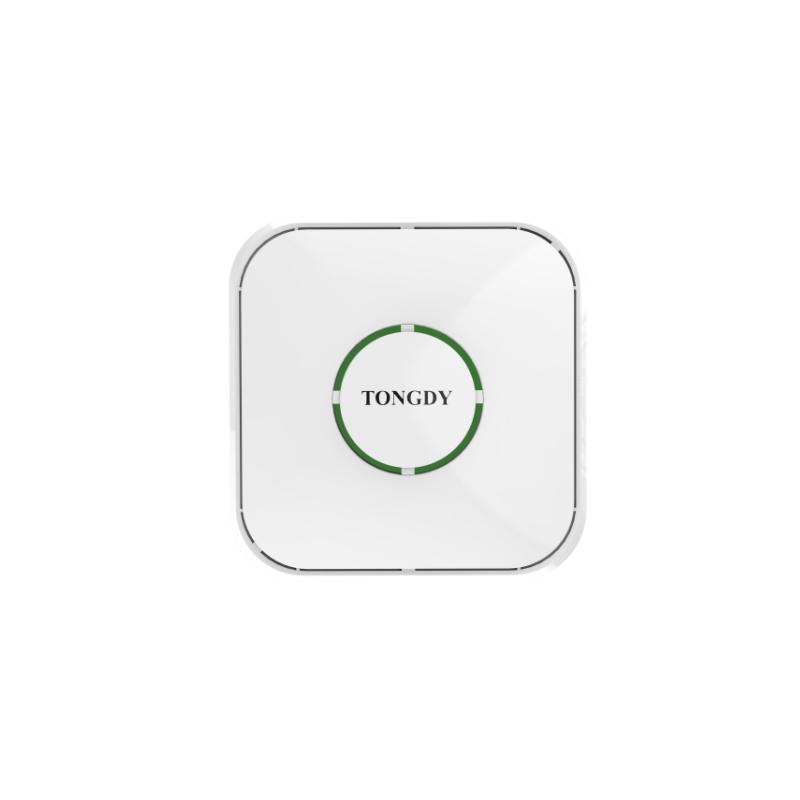
Engineering Architecture & Protocol Interoperability
Connecting sensor field layers to central HVAC controllers and modern enterprise management stacks
BACnet MS/TP & IP Protocol
Seamlessly discoverable across major Building Automation Systems (BAS) including Johnson Controls, Siemens, and Honeywell. Standard analog input objects allow native representation of CO2, temperature, relative humidity, and PM2.5 parameters.
Modbus RTU over RS-485
Industrial PLC controllers in Kawachi utilize daisy-chain RS-485 connections with configurable baud rates and parity. Isolated communication lines suppress electromagnetic interference prevalent near industrial motor drives and chillers.
MQTT & RESTful Cloud Telemetry
For smart enterprise buildings requiring remote auditability, monitors transmit JSON payloads via secure MQTT over TLS. Data feeds interface directly with the MyTongdy cloud platform, Microsoft Azure IoT, or AWS IoT Core endpoints.
Implementing real-time IAQ devices in modern building engineering eliminates the systemic inefficiencies of continuous static ventilation. In conventional Kawachi commercial facilities, HVAC air handling units (AHUs) operate on arbitrary fixed time schedules, circulating conditioned outdoor air regardless of spatial occupancy. By deploying high-accuracy NDIR carbon dioxide detectors and laser particle meters, the ventilation rate dynamically mirrors occupant count and contaminant presence.
This dynamic regulation not only guarantees uncompromised indoor air quality conforming with the WELL Building Standard™ and Japanese environmental sanitation ordinances, but substantially diminishes operational energy expenditure. During transient low-occupancy periods, air handling speeds decrease, saving considerable kilowatt-hours in cooling and heating power. When pollutant spikes occur—such as elevated TVOC concentrations from sanitization agents or outdoor particulate ingress—the integrated system rapidly modulates outdoor air dampers to restore ideal atmospheric baseline levels.