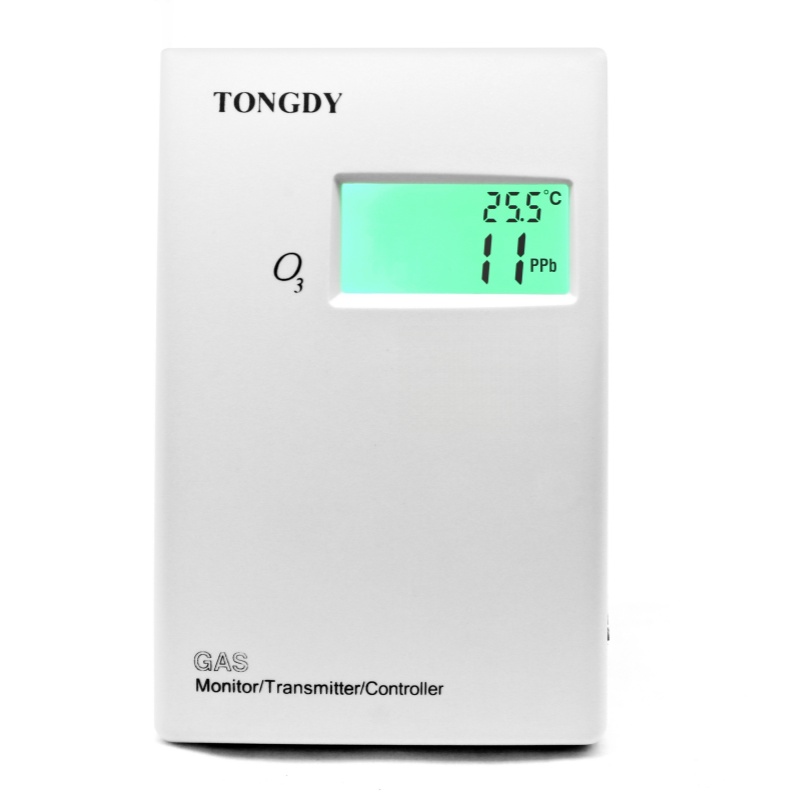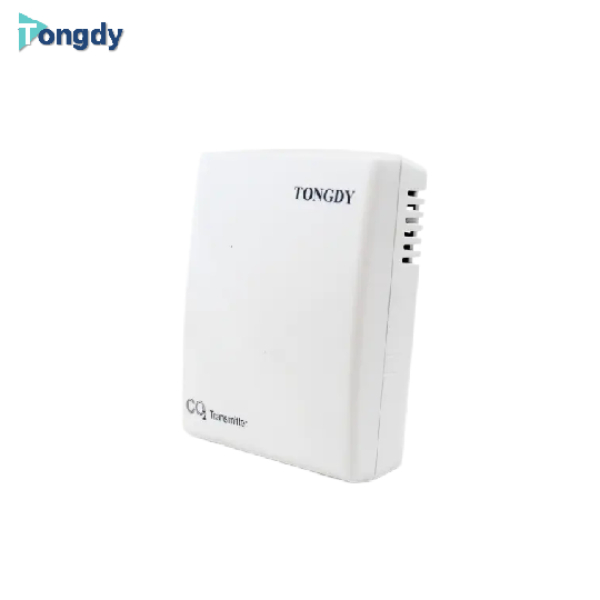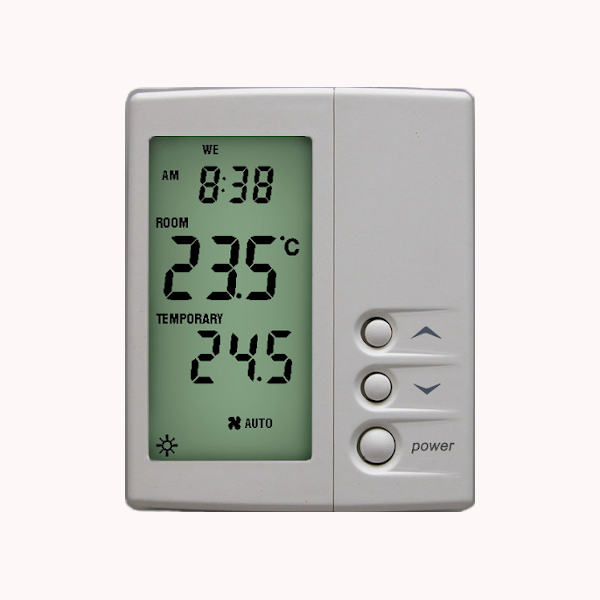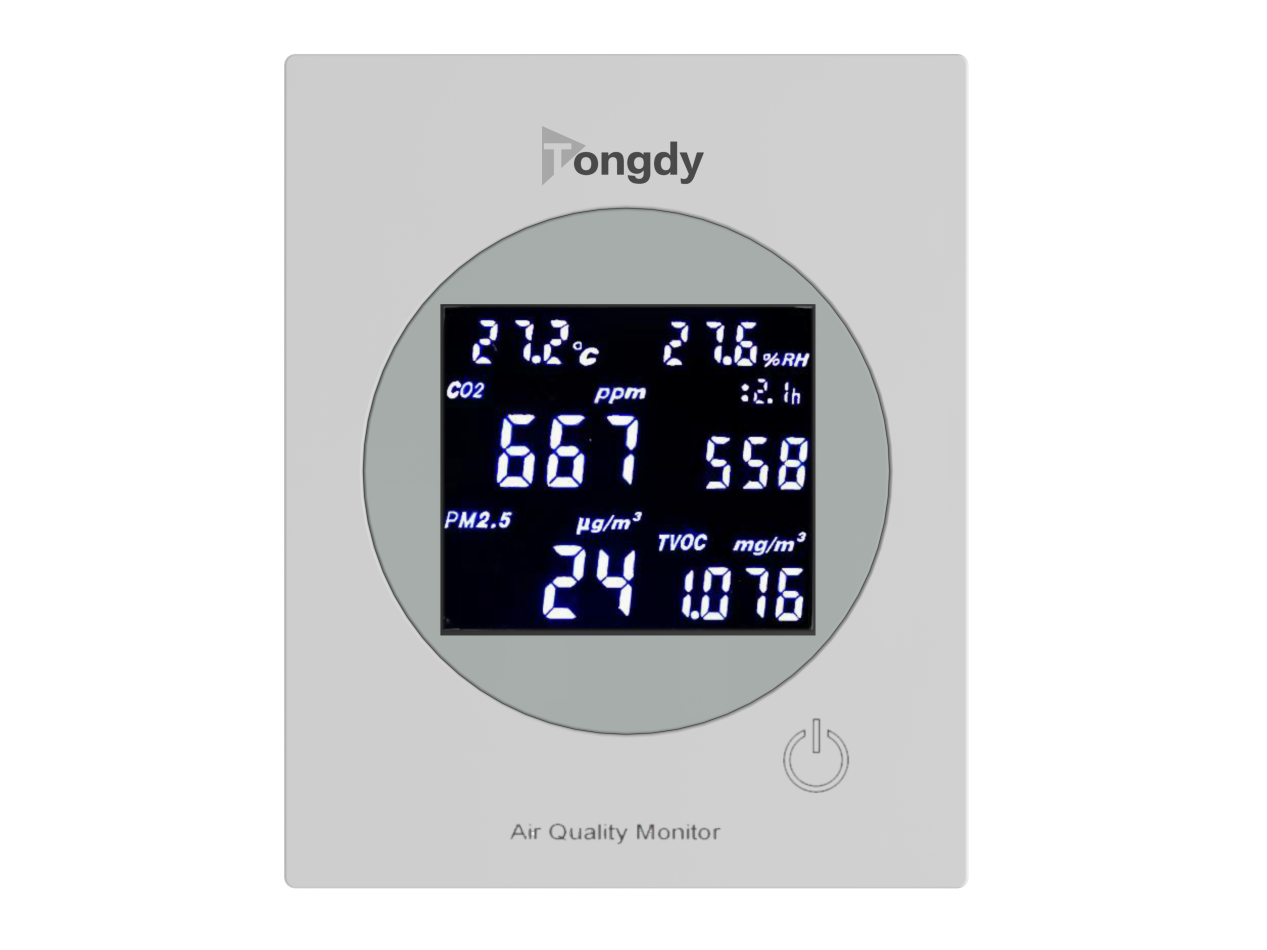

Targeted Office Air Monitoring Hardware Solutions
Featured commercial-grade detectors delivering real-time telemetry for smart office optimization
Transforming Corporate Workspaces with Advanced IAQ Engineering
Exploring the pivotal role of commercial indoor environmental quality instrumentation
Demand-Controlled Ventilation
Dynamically modulate fresh air intake based on real-time CO2 concentration, lowering commercial HVAC energy usage by up to 35% without sacrificing worker comfort.
Cognitive Performance Boost
Harvard School of Public Health studies reveal that low indoor CO2 (under 800 ppm) and reduced TVOC levels enhance human cognitive function, focus, and overall office productivity by over 15%.
WELL & LEED Compliance
Continuous diagnostic reporting ensures commercial properties satisfy the strict thresholds dictated by WELL v2, LEED ARC, and RESET certification programs.
1. The Industrial and Commercial Landscape of Office Air Monitoring
In modern corporate enterprises, Grade-A office buildings, and high-density commercial real estate, indoor air quality (IAQ) has transformed from a subtle maintenance consideration into an executive-level performance indicator. Modern offices are engineered with air-tight building envelopes designed to optimize thermal insulation and minimize thermal leakage. However, without continuous, intelligent ventilation management, sealed architectural designs inadvertently trap airborne contaminants. High occupancy rates generate elevated carbon dioxide (CO2) levels, volatile organic compounds (VOCs) off-gassing from furniture, carpets, and cleaning agents, fine particulate matters (PM2.5, PM10) from outdoors, and unstable relative humidity levels that foster microbial proliferation.
Installing a Professional Indoor Air Quality Monitor for Office Air Quality Monitoring is no longer just a technical luxury; it is the cornerstone of environmental health and safety (EHS) strategy. Commercial facilities require enterprise-grade stability, long-term calibration retention, and seamless interoperability with Building Automation Systems (BAS) via Modbus RTU, BACnet/IP, or secure IoT Wi-Fi/Ethernet connectivity. Deploying high-precision diagnostic monitors allows facility managers to shift from passive, complaints-based ventilation adjustments to automated, predictive indoor environmental control.
2. Emergent Technological Trends in Workplace Air Analytics
The convergence of advanced sensing technologies, edge computing, and cloud-native building management systems has revolutionized the indoor air monitoring landscape. Key trends shaping modern commercial office installations include:
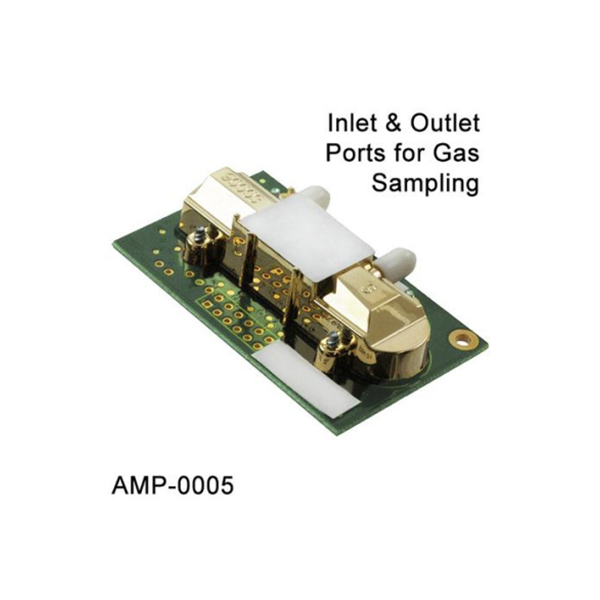
- Dual-Wavelength Non-Dispersive Infrared (NDIR) Optics: Traditional single-beam CO2 sensors suffer from thermal drift and optical degradation over multi-year deployments. Advanced office monitors leverage dual-channel optical architectures, where a dedicated reference wavelength continuously benchmarks accuracy, eliminating false drift even in offices operating continuous 24/7 occupancy schedules.
- Laser Scattering Micro-Dust Sensors: Utilizing high-precision laser scattering chambers allows instant discrimination between coarse dust (PM10) and respirable combustion particles (PM2.5), enabling HVAC filtration units to adjust electrostatic or HEPA stages on demand.
- Multi-Sensor Cast-Structure Modularity: Modern professional monitors incorporate multi-gas modules encapsulating up to six parameters (CO2, PM2.5, PM10, TVOC, Temperature, and Relative Humidity) within an isolated, cast-aluminum housing that isolates electronic heat sources from sensitive measuring cells.
- Predictive AIoT Cloud Analytics: Sensor telemetry is funneled directly into centralized platforms such as "MyTongdy", utilizing machine learning models to identify recurring IAQ deterioration cycles, forecast peak occupancy patterns, and pre-cool or pre-ventilate conference suites before scheduled board meetings.
3. Deep Architectural Scenario Analysis in Modern Office Complexes
The modern workplace encompasses heterogeneous functional zones, each presenting distinct acoustic, thermal, and microclimatic challenges. A one-size-fits-all monitoring approach fails to address distinct localized risks:
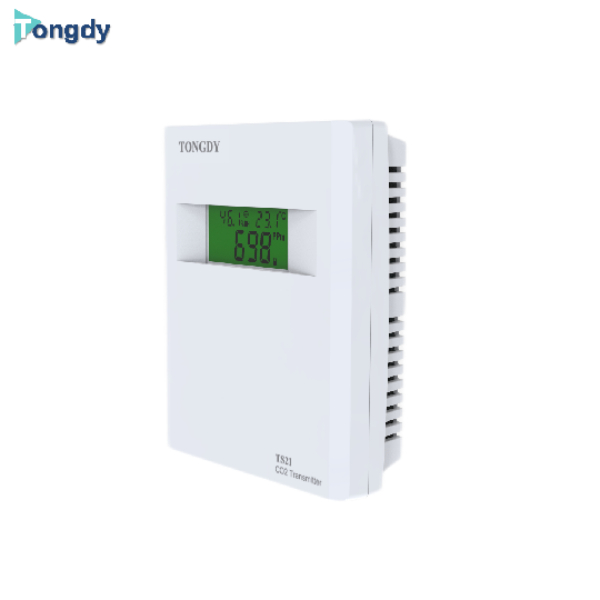
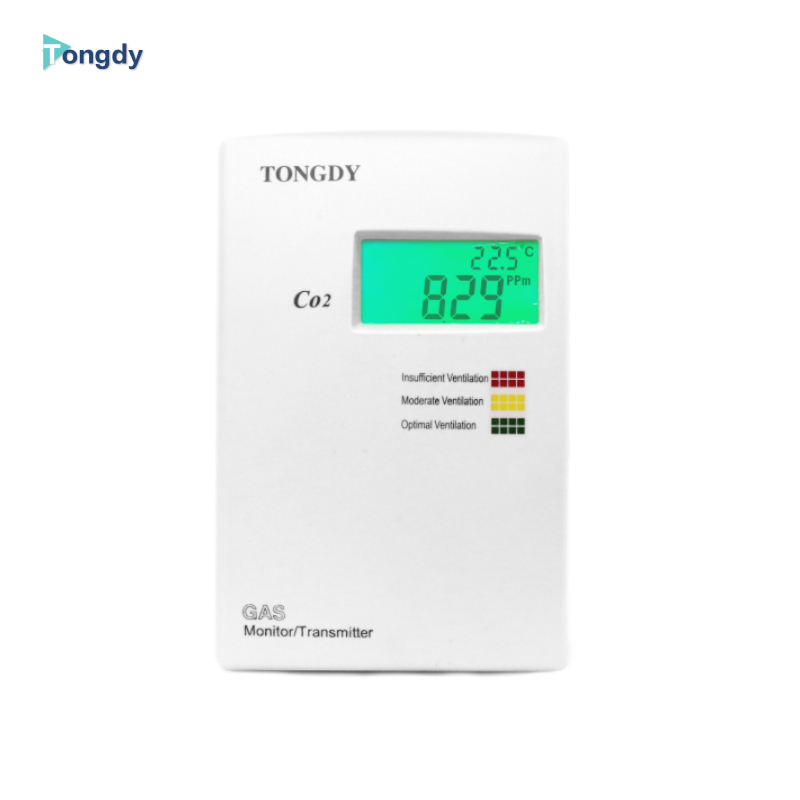
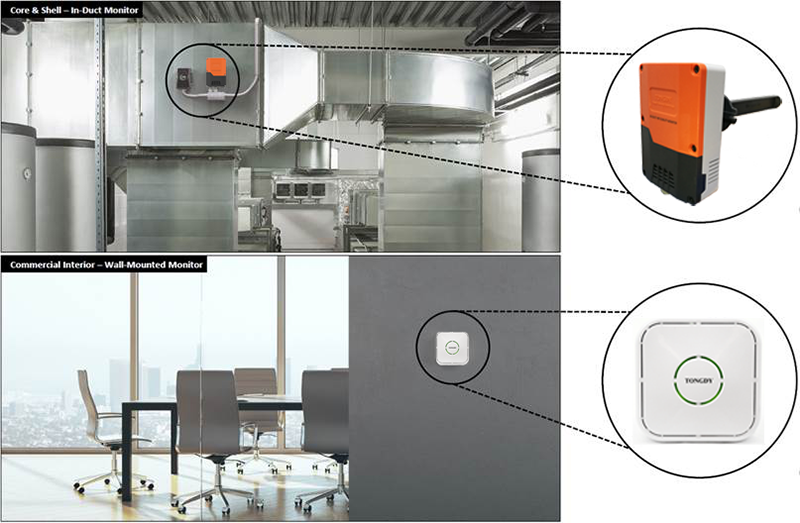
- High-Density Conference & Video Collaboration Rooms: Compact, enclosed meeting rooms frequently encounter spikes in CO2 concentration, surpassing 1,500 ppm in less than thirty minutes during prolonged sessions. Elevated CO2 levels directly induce drowsiness, headaches, and impaired decision-making. Fast-response in-wall or on-wall air monitors immediately trigger local VAV (Variable Air Volume) dampers to pump fresh outdoor air before fatigue sets in.
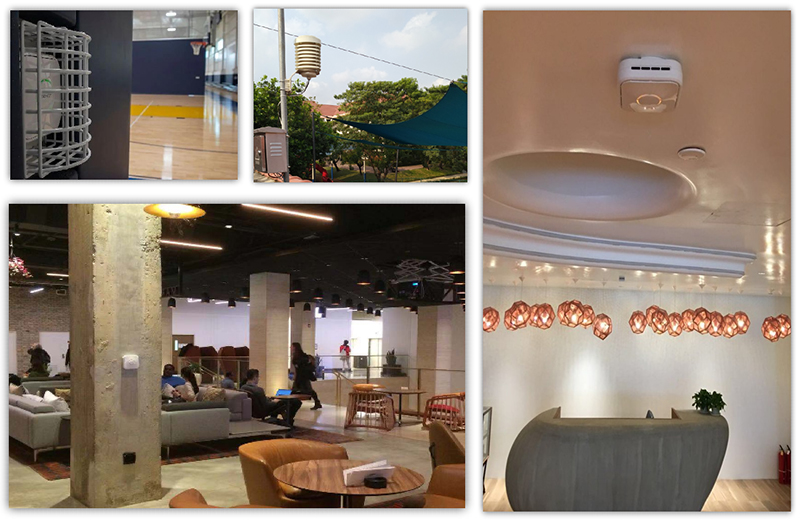
- Open-Plan Ergonomic Workstations: Vast open spaces with multi-directional airflow require systematically gridded monitor placements. In these zones, monitoring particulate matter (PM2.5) ingress through entrances and TVOC release from continuous office electronic usage guarantees an unpolluted baseline breathing plane.
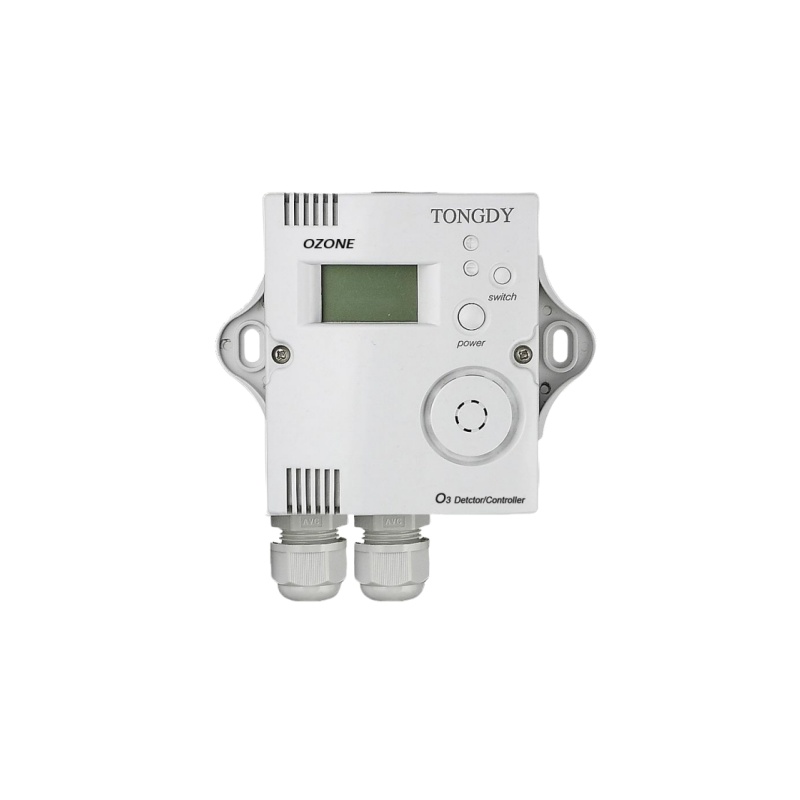
- Print Hubs, Copy Lounges & Executive Pantries: Heavy-duty commercial laser printers generate microscopic toner aerosols and ozone (O3) byproducts, while office kitchenettes and pantries produce localized moisture spikes and odor VOCs. Strategically installed ozone controllers and split-type monitors initiate localized extraction fans to safeguard surrounding cubicles.
- Executive Suites and Boardrooms: Discretion, aesthetics, and whisper-quiet performance are mandatory. Wall-embedded multi-parameter monitors with customizable high-resolution displays provide real-time assurance while quietly streaming Modbus or BACnet telemetry to central HVAC control panels.
About Tongdy Sensing Technology Corporation
Help you build and maintain a healthy indoor environment
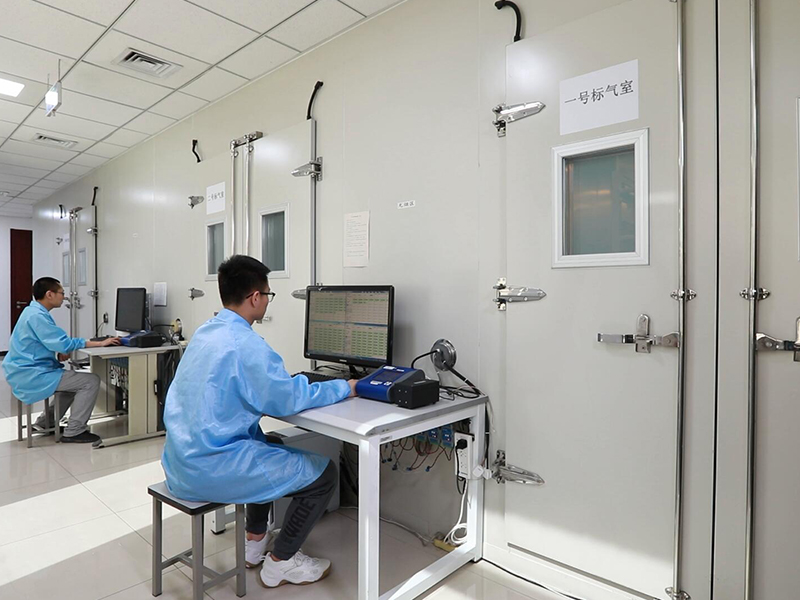
Our work makes a difference in helping you make the healthy indoor air quality. As one of the earliest companies in China engaged in air quality monitoring products, Tongdy has been always focusing on its strong technology development and design capabilities on the indoor air quality monitors.
With more than two decades of dedicated exploration in HVAC controls, building automation, and ambient air sensing, Tongdy provides industrial-grade reliability to the world's most demanding corporate offices, educational campuses, and medical complexes.
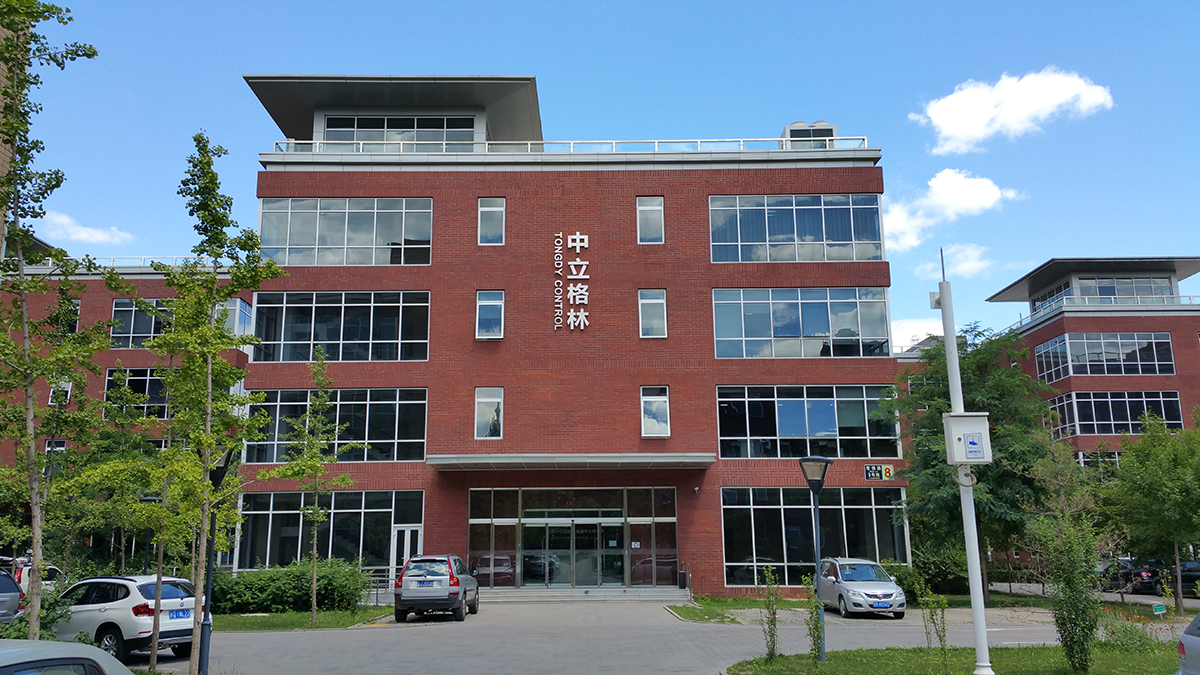
Focus on Air Quality Detection and Control Over 15 Years
Our Purpose: We foster research and development on obtaining accurate air quality data, help you well understand and improve the air you breathe by quantitative assessment and data analysis. For pursuing our ultimate purpose of creating healthy indoor air quality, we're committed to obtain real and accurate data and cultivating the next generation of innovators in technology and engineering.
Corporate Social Responsibility & Global Health Initiatives
Advancing human health in the built environment in partnership with global standards
Tongdy actively develops air quality monitors and is devoted in healthy indoor air quality, and strive to become an excellent enterprise model. As a corporate citizen, Tongdy has contributed to public welfare undertakings such as cooperate with public benefit corporation, like WELL—the world's leading organization focused on deploying people-first places to advance a global culture of health, especially exploring the impact of indoor air quality to people's health based on The WELL Building Standard™.
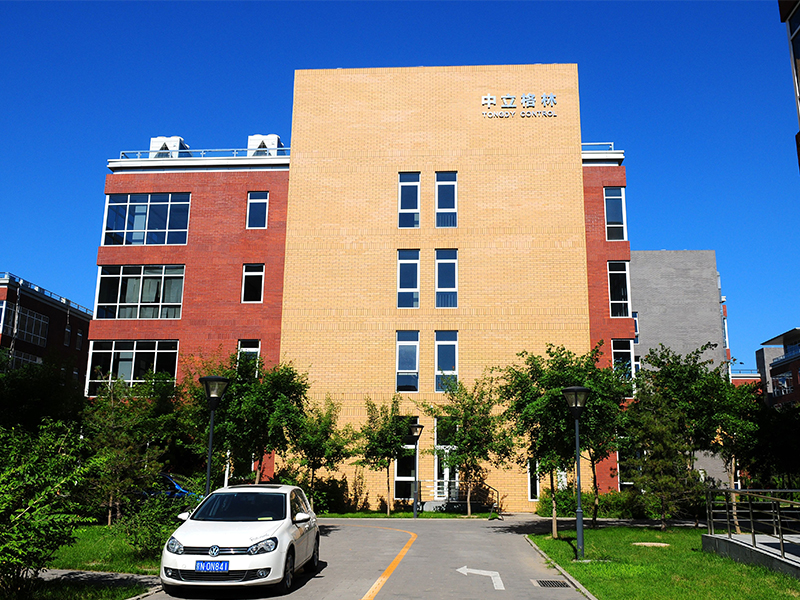
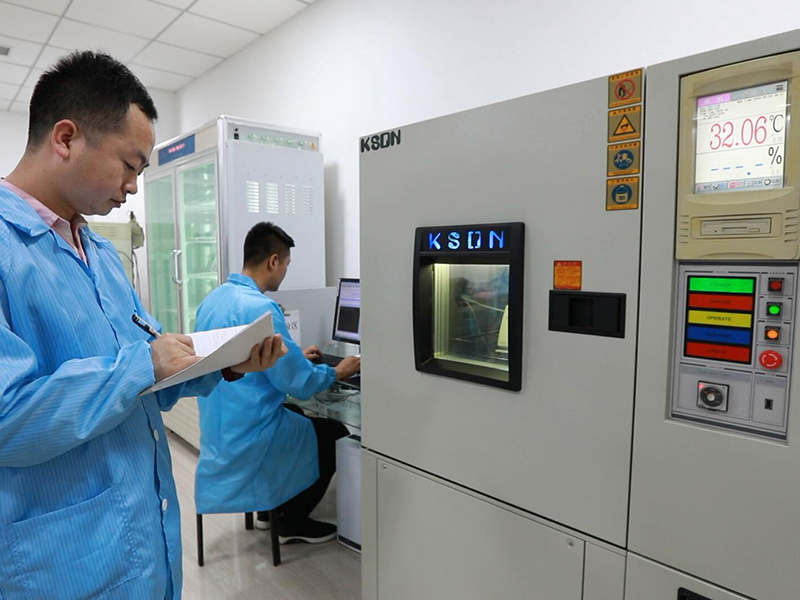
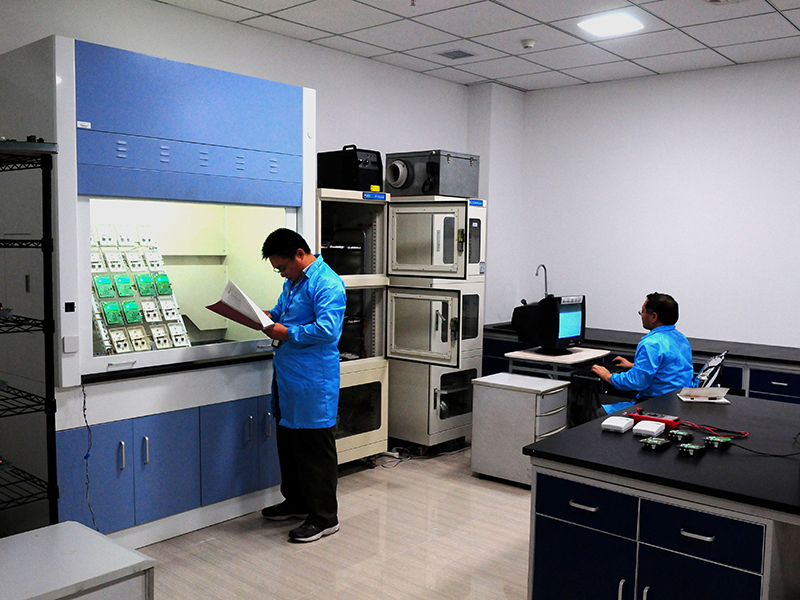

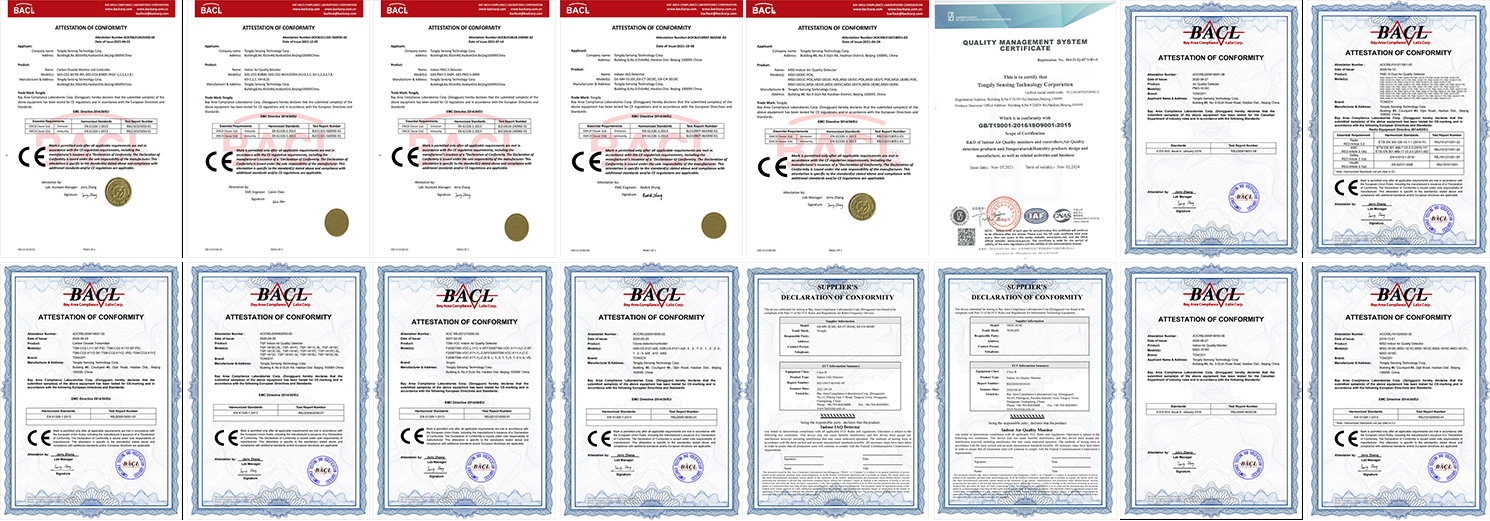
Certificates and Honor
Internationally certified precision backed by accredited metrological evaluation
Our Core Values & Engineering Differentiators
Proprietary calibration algorithms, multi-sensor integration, and cloud intelligence
Exclusive innovative calibration algorithm
Proprietary technology, the effective calibration method to support higher data accuracy in different environment.
Unique professional multi-sensor module
Special multi-sensor module with the sealed cast aluminum structure and up to six sensors inside.
Continuous R&D investment & quality control
Tongdy-owned, and huge investment in research and development to ensure product reliability and innovation.
Real-time data & historical analytics
"MyTongdy" Platform will help you reading and analyzing data of your air quality on PC or mobile APP.
The expert of indoor air quality data
Over 15 years experience for indoor air quality, Tongdy provides commercial accurate data for data-driven decisions.
Why Tongdy: 20+ Years of Expertise in IAQ & HVAC Solutions
Trusted by clients for high-quality products and professional service, fully compliant with Green Building standards.
100+ Monitoring and Control Products
Over 100 commercial-grade monitors and controllers, including CO2, single-gas, and multi-sensor solutions for HVAC, BMS, and green building applications.
Reliable and Actionable Data
Providing smart building managers with actionable, real-time data to make informed operational and ventilation decisions.
Tailored to Your Specific Commercial Needs
Flexible hardware, professional expertise and fast delivery enable cost-effective, customized gas detection and control solutions.
Office Implementation Blueprint: Installation & Sensor Calibration
Architectural guidelines for deploying enterprise-level air diagnostic networks
Optimizing Sensor Spatial Topography in Commercial Real Estate
Securing representative air quality metrics demands precise spatial placement conforming to architectural physics. Sensors installed incorrectly yield deceptive readings influenced by localized thermal drafts, localized direct exhalation, or stagnant dead zones:
- Breathing Zone Elevation: Monitors must be positioned on vertical walls between 1.1 meters and 1.7 meters (3.6 to 5.6 feet) above the finished floor level, directly capturing the human respiratory intake zone.
- Thermal & Velocity Isolation: Avoid installing air monitors within 1.5 meters of exterior doorways, window apertures, operable perimeter glazing, or direct HVAC supply air diffuser cones to prevent artificial dilution or extreme thermal gradients.
- Spatial Density Allocation: In open-plan office layouts, allocate one multi-parameter diagnostic node every 200 to 350 square meters (2,000 to 3,500 square feet) to construct an accurate spatial interpolation heatmap of contaminant concentrations.
Integration with Demand-Controlled HVAC Automation
Modern Building Management Systems (BMS) harness Tongdy's commercial transmitters to drive intelligent proportional-integral-derivative (PID) control loops. By receiving Modbus RS485 or BACnet MS/TP telemetry from CO2 and TVOC monitors, central AHUs (Air Handling Units) modulate their outdoor fresh air damper actuators linearly between 15% and 100%. During low-occupancy working hours or hybrid-work Fridays, airflow rates ramp down smoothly, conserving thousands of kilowatt-hours in cooling and heating energy while guaranteeing that CO2 concentrations never exceed the 800–1,000 ppm threshold during critical peak staff meetings.
Complete Portfolio of Commercial IAQ Monitors & Controllers
Engineered for seamless integration with BMS, HVAC systems, and corporate environmental management