

Featured In-Duct & Environment Controllers
The Critical Imperative of In-Duct Ozone Detection in Modern HVAC Architecture
Ozone (O3) is a powerful oxidizing agent widely utilized across commercial, industrial, and municipal infrastructure for air disinfection, odor neutralization, volatile organic compound (VOC) breakdown, and microbial sterilization. While ozone serves as an extraordinarily effective sanitizer within central Heating, Ventilation, and Air Conditioning (HVAC) systems and dedicated air handling units (AHUs), its chemical potency presents significant operational risks if left unmonitored. Deploying a dedicated Ozone Gas Detector for Duct Environment Sensing has transformed from an optional safety accessory into an indispensable standard for smart buildings, industrial facilities, and eco-certified indoor environments.
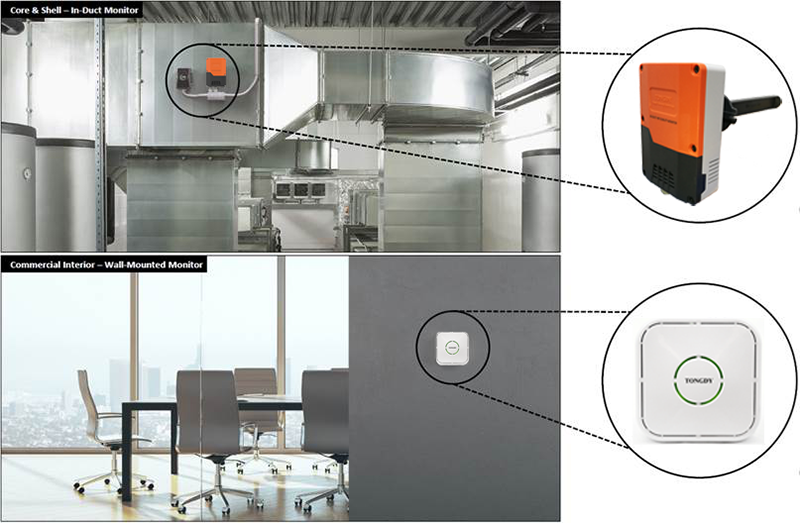
Unlike static wall-mounted ambient sensors, duct-mounted ozone sensors operate in high-velocity, dynamic airflow streams where gas concentrations fluctuate rapidly. Air duct environments subject sensor components to unique stress factors including turbulent static pressures, temperature shifts, variable humidity levels, and airborne particulates. In-duct ozone detection ensures that ozone-generating equipment—such as upper-room UV-C lamps, corona discharge ozone generators, and dielectric barrier discharge (DBD) ionizers—delivers sufficient ozone dosages for effective sterilization without bleeding hazardous concentrations into occupied breathing zones.
Regulatory Compliance & Human Health: According to international occupational safety standards (including OSHA, NIOSH, and ACGIH), ambient ozone exposure in occupied spaces must strictly remain below 0.05 to 0.1 ppm over an 8-hour time-weighted average (TWA). In-duct ozone sensing provides real-time interlocking capabilities to shut down ozone generation immediately if downstream concentrations exceed regulatory thresholds.
High-Speed Response
Real-time sampling probes deliver rapid detection of chemical surges, guaranteeing immediate safety interlocks for HVAC systems.
Robust Anti-Interference
Advanced signal conditioning minimizes cross-sensitivity to humidity spikes, volatile gases, and pressure shifts inside supply ducts.
Seamless BMS Integration
Native compatibility with BACnet MS/TP, Modbus RTU, and standard analog outputs (4-20mA / 0-10V) for smart automation.
Commercial and Industrial Landscape: In-Depth Application Scenarios
The commercial adoption of duct environment sensing solutions spans diverse sectors. As building standards like WELL Building Standard™ and LEED push for stricter indoor air quality (IAQ) metrics, inline ozone detection provides the quantitative data backbone necessary for compliance, liability reduction, and optimized ventilation performance.
1. Commercial Office Buildings & Shopping Complexes
Modern commercial complexes increasingly employ inline ozone sterilization within return air ducts to eliminate airborne viruses, bacteria, and persistent odors caused by food courts or high human density. An in-duct ozone gas detector monitors the residual ozone level before air passes through activated carbon filters or enters occupied zones. This guarantees that air returning to offices is completely ozone-free while confirming that sanitization modules operate at optimal energy efficiency.
2. Food Processing, Cold Storage & Agriculture
In food processing facilities and agricultural cold storage rooms, ozone gas is injected directly into ventilation ducts to inhibit mold growth, delay fruit ripening by neutralizing ethylene gas, and decontaminate packaging environments. In-duct detectors maintain continuous concentration monitoring to preserve product shelf life without damaging sensitive agricultural inventory or exposing facility workers to toxic thresholds.

3. Healthcare Facilities & Pharmaceutical Cleanrooms
Hospitals, isolation wards, and bio-pharmaceutical manufacturing plants mandate sterile air supplies. In-duct ozone treatment systems are used during periodic decontamination cycles. High-precision duct sensors allow automated validation of ozone concentration during the decontamination phase, followed by automated verification of ozone destruction before re-entry into sterile zones.
4. Exhaust Air Deodorization & Industrial Off-Gas Ducts
Industrial facilities dealing with wastewater treatment, printing, painting, or rendering plants emit pungent off-gases. Ozone injection into exhaust ducts oxidizes volatile organic compounds (VOCs) and sulfide compounds before atmospheric discharge. Duct sensing ensures correct stoichiometric dosing of ozone, avoiding under-treatment (which results in odor complaints) or over-treatment (which wastes energy and releases excess unreacted ozone into the atmosphere).
Technical Engineering & Technological Trends in Duct Sensing
Designing a reliable Ozone Gas Detector For Duct Environment Sensing requires overcoming severe physical and chemical challenges. Air flow inside HVAC ducts can create localized velocity variations, static pressure differentials, and boundary layer effects that skew sensor readings. Modern sensor technology addresses these engineering constraints through advanced mechanical design and innovative digital algorithms.
Advanced Sampling Probes & Flow Dynamics
To capture accurate gas concentrations without disturbing laminar duct flow, specialized duct sensing probes utilize pitot-tube sampling or venture-driven bypass channels. These probes draw representative air samples across the duct cross-section into a sealed sensing chamber, shielding sensitive electrochemical or optical sensors from direct aerodynamic drag and high-velocity dust particles.
Sensor Cell Innovations: Electrochemical vs. UV Photometric
Industrial duct sensing primary relies on two advanced detection methodologies:
- Micro-Electrochemical Cells: Engineered with solid electrolyte bridges and anti-drying reservoirs, modern electrochemical ozone sensors provide ppb-level sensitivity with low power requirements, making them ideal for continuous HVAC monitoring.
- Miniaturized UV Photometric Sensors: Utilizing 254nm ultraviolet absorption principles, UV photometric duct sensors offer near-zero drift, exceptional longevity, and absolute concentration measurement, making them suitable for critical pharmaceutical and industrial exhaust applications.
Future Trends: AI Calibration & Dynamic Demand-Controlled Disinfection
The future of duct environment sensing lies in intelligent, self-correcting sensor arrays. AI-driven firmware compensates real-time data for temperature, relative humidity, and barometric pressure fluctuations. Furthermore, integration with cloud-based IoT analytics enables predictive maintenance, alerting building operators before sensor cell depletion occurs. In tandem with Demand-Controlled Ventilation (DCV), smart duct detectors allow dynamic modulation of ozone output based on live indoor occupancy and pollution loads, reducing building operational energy consumption by up to 30%.
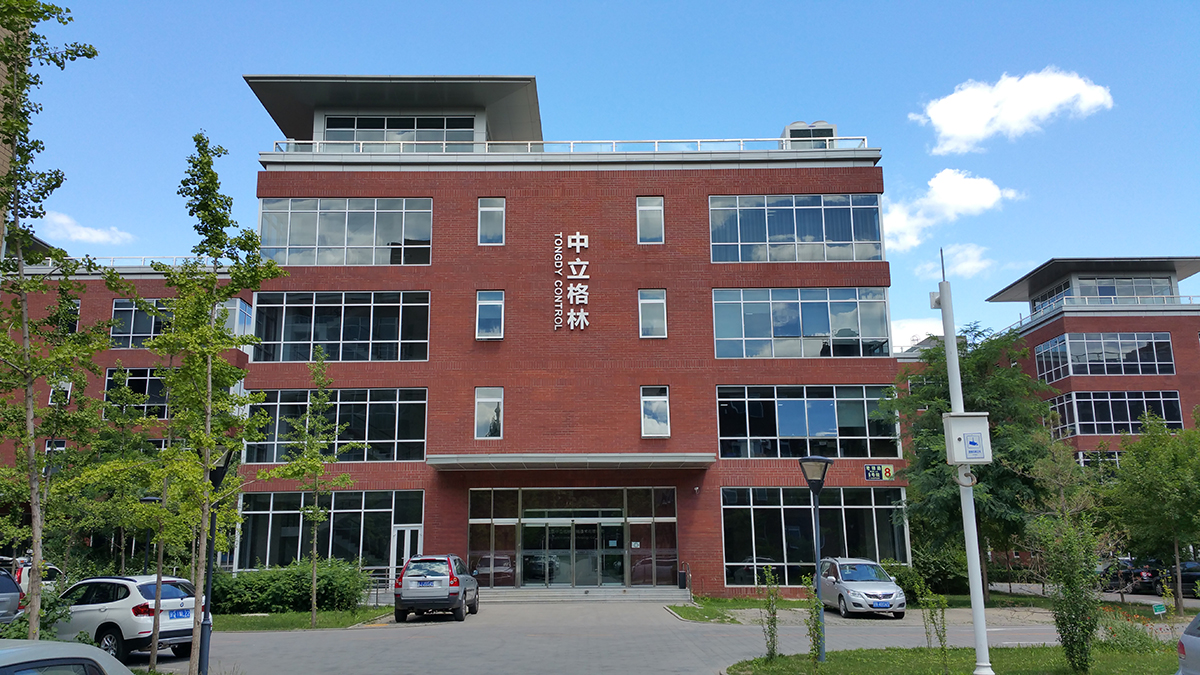
Tongdy Sensing Technology Corporation
Help you build and maintain a healthy indoor environment
Our work makes a difference in helping you make the healthy indoor air quality. As one of the earliest companies in China engaged in air quality monitoring products, Tongdy has been always focusing on its strong technology development and design capabilities on the indoor air quality monitors.
Focus on air quality detection and control over 15 years
We foster research and development on obtaining accurate air quality data, help you well understand and improve the air you breathe by quantitative assessment and data analysis. For pursuing our ultimate purpose of creating healthy indoor air quality, we’re committed to obtain real and accurate data and cultivating the next generation of innovators in technology and engineering.
Exclusive Innovative Calibration Algorithm
Proprietary technology, the effective calibration method to support higher data accuracy in different environment.
Unique Professional Multi-Sensor Module
Special multi-sensor module with the sealed cast aluminum structure and up to six sensors inside.
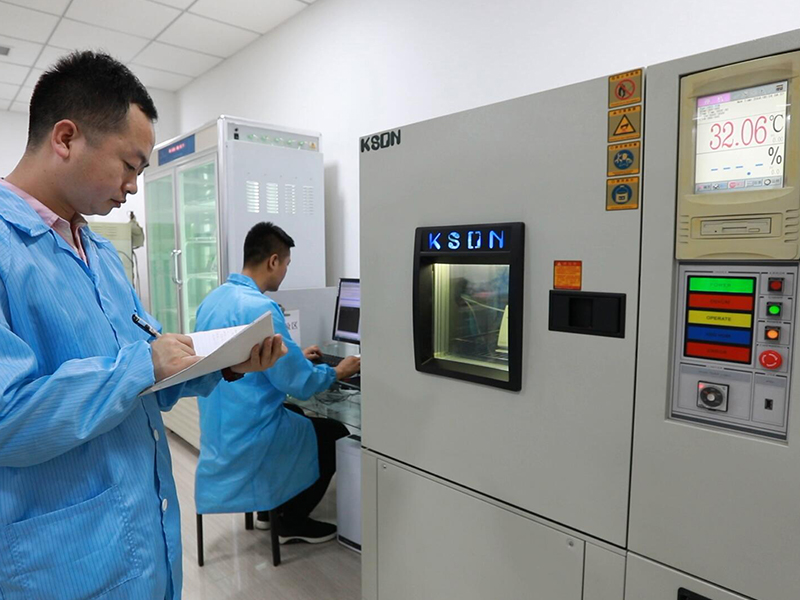
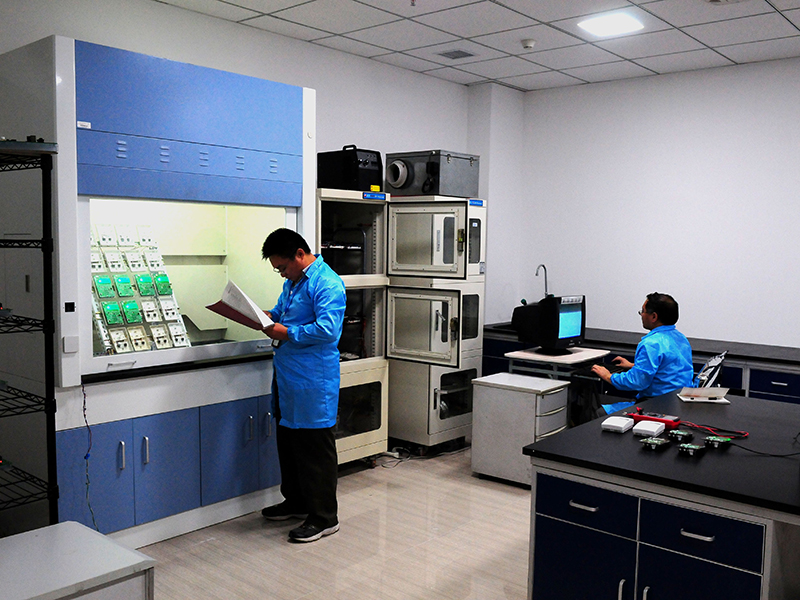
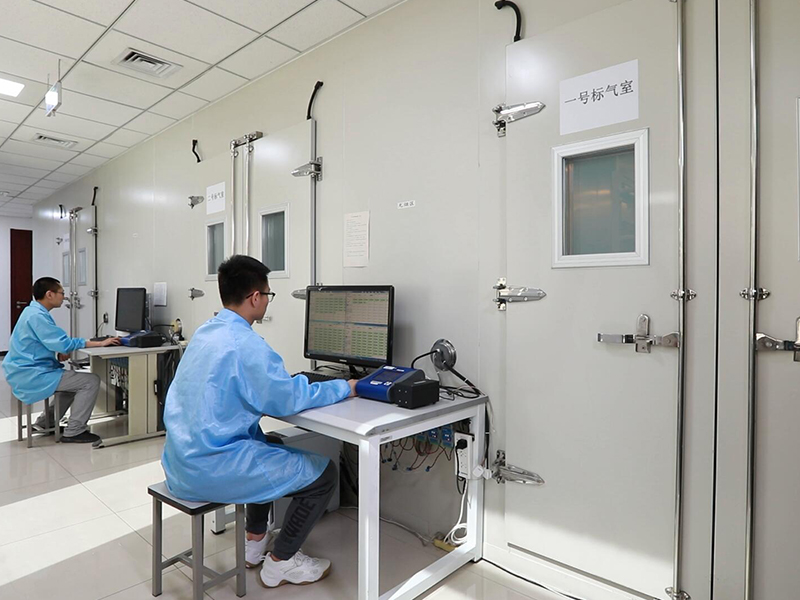
Continuous R&D Investment & Quality Control
Tongdy-owned, and huge investment in research and development to ensure the product reliability and innovation.
Why Choose Tongdy Sensing Technology?
20+ Years of Expertise in IAQ & HVAC Solutions: Trusted by global clients for high-quality products and professional service, fully compliant with Green Building standards.
100+ Monitoring and Control Products: Over 100 commercial-grade monitors and controllers, including CO2, single-gas, and multi-sensor solutions for HVAC, BMS, and green building applications.
Reliable and Accurate Data: Providing smart building managers with actionable, real-time data to make informed decisions.
Tailored to Your Specific Needs: Flexible hardware, professional expertise and fast delivery enable cost-effective, customized gas detection and control solutions.
Social Responsibility & Corporate Standards
Tongdy actively develops air quality monitors and is devoted in healthy indoor air quality, and strive to become an excellent enterprise model. As a corporate citizen, Tongdy has contributed to public welfare undertakings such as cooperate with public benefit corporation, like WELL - the world’s leading organization focused on deploying people first places to advance a global culture of health, especially exploring the impact of indoor air quality to people’s health based on The WELL Building Standard™.

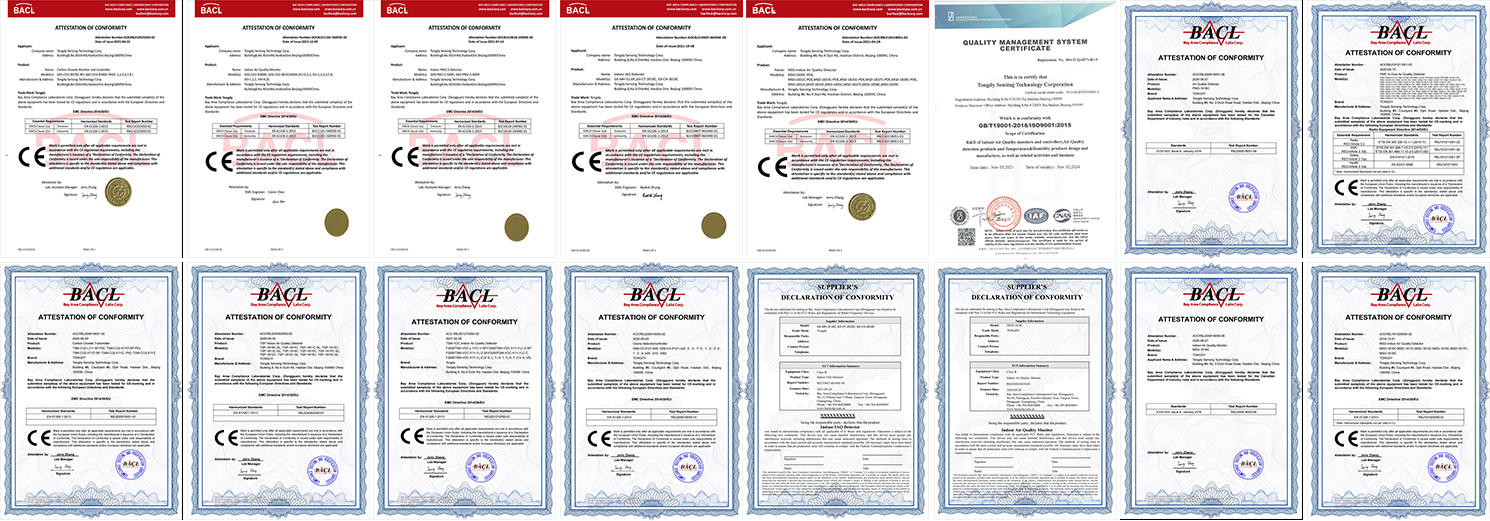
Certificates and Honor
Complete Tongdy Product Lineup
Explore our full portfolio of high-precision gas sensors, in-duct monitors, and smart environmental controllers.
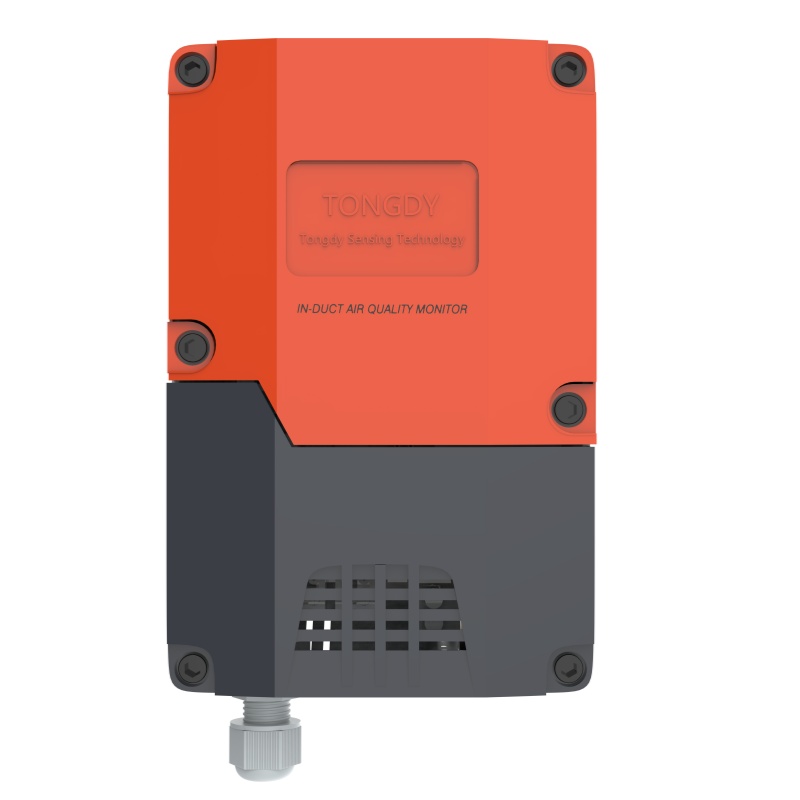 Professional In-Duct Air Quality Monitor
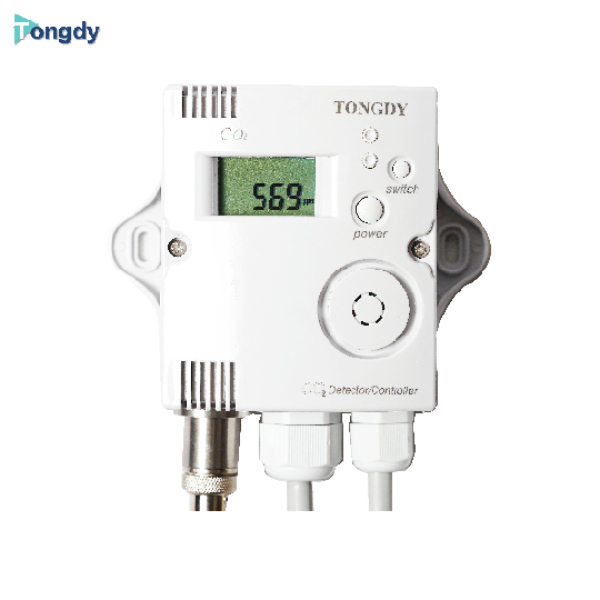 Greenhouse CO2 Controller Plug and Play
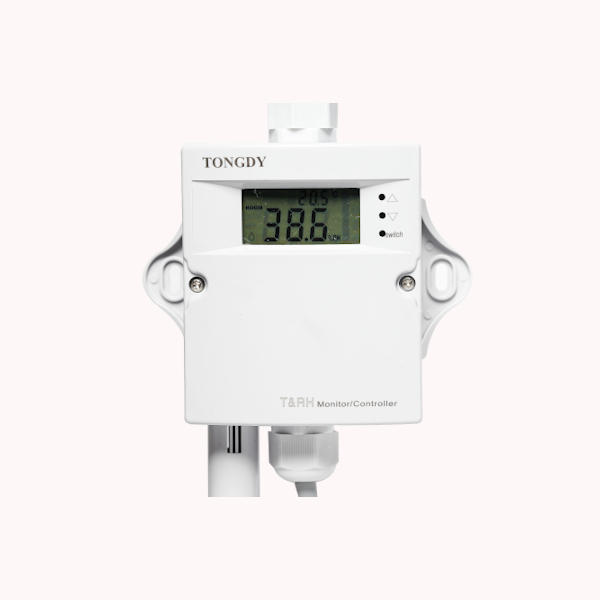 Dew-proof Humidity Controller Plug and Play
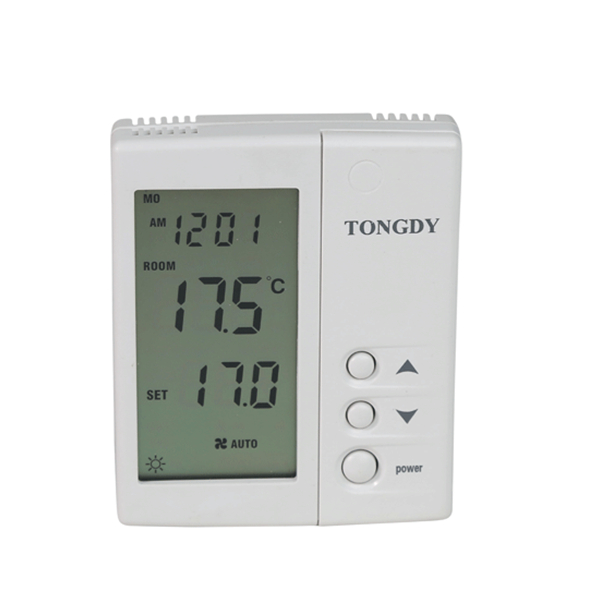 Dew Proof Temperature and Humidity Controller
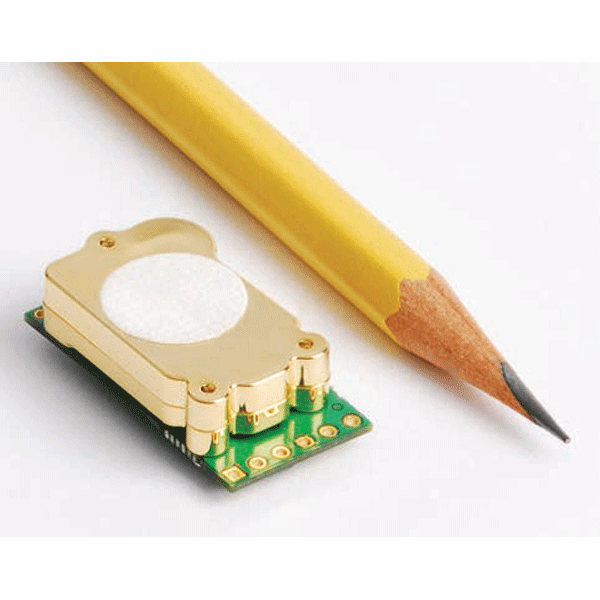 OEM small CO2 sensor module with more accuracy and stability
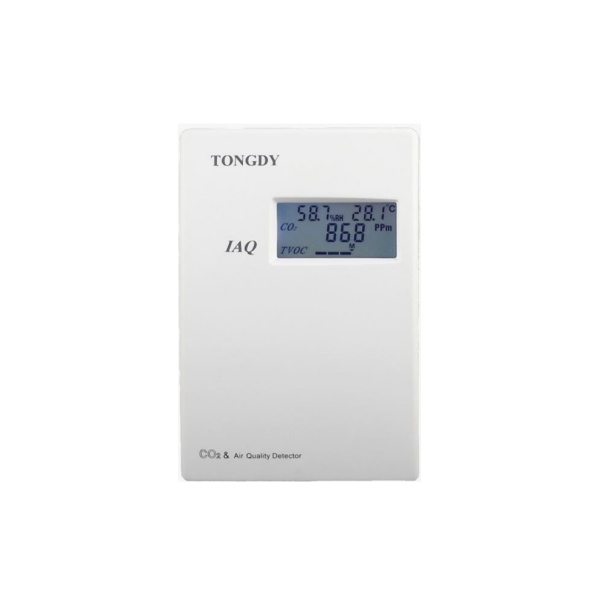 Air Quality Sensor with CO2 TVOC
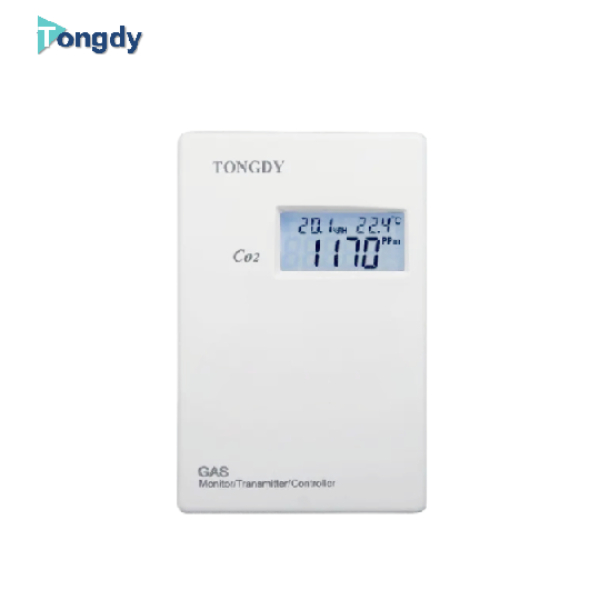 NDIR CO2 Sensor Transmitter with BACnet
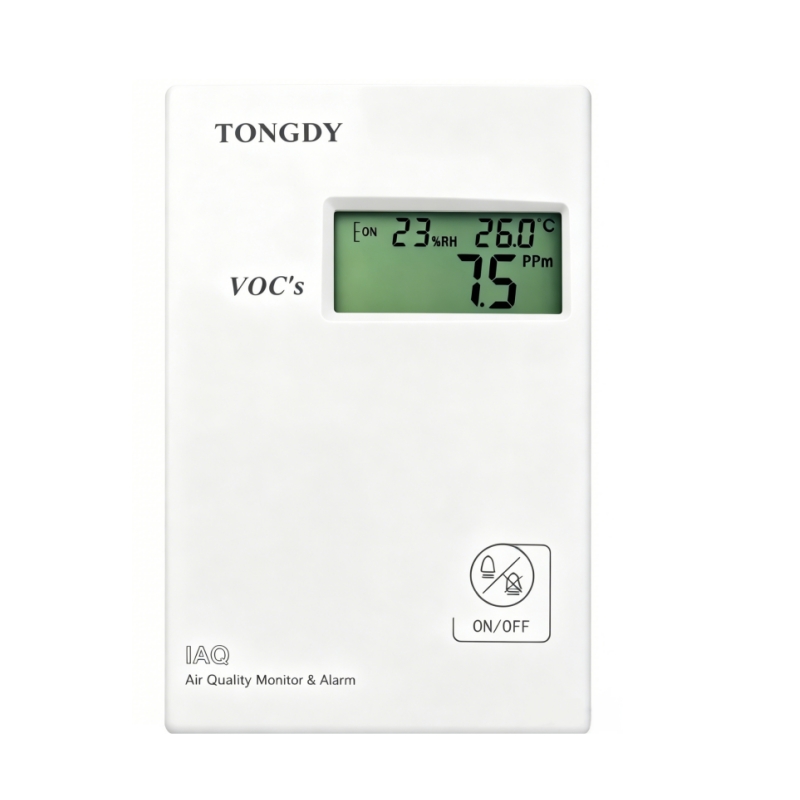 TVOC Indoor Air Quality Monitor