

Featured Gas Controllers & IAQ Sensors
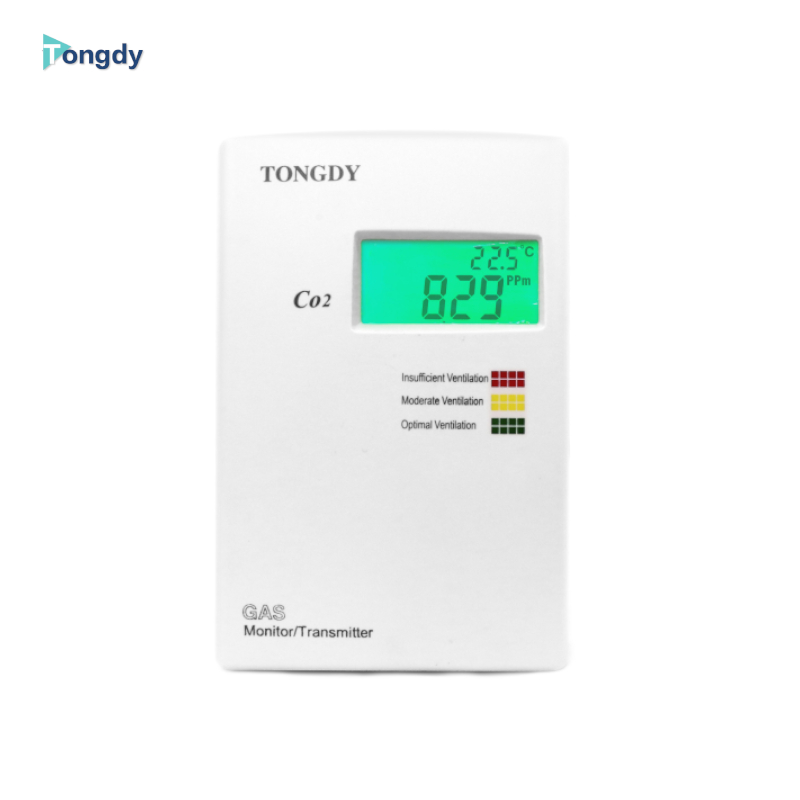
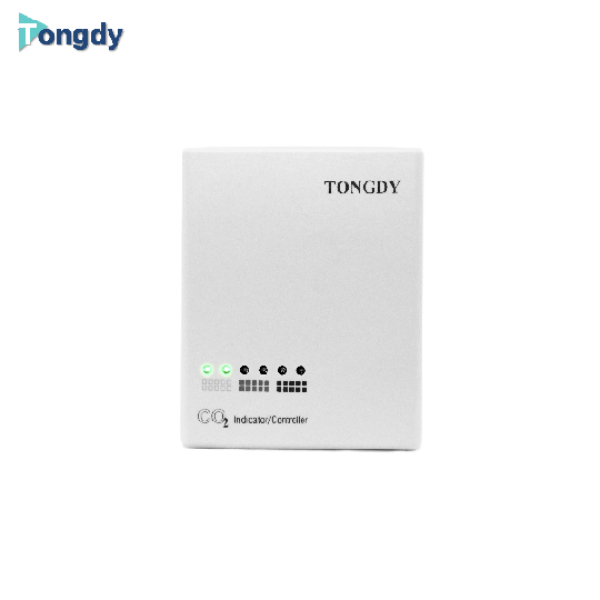
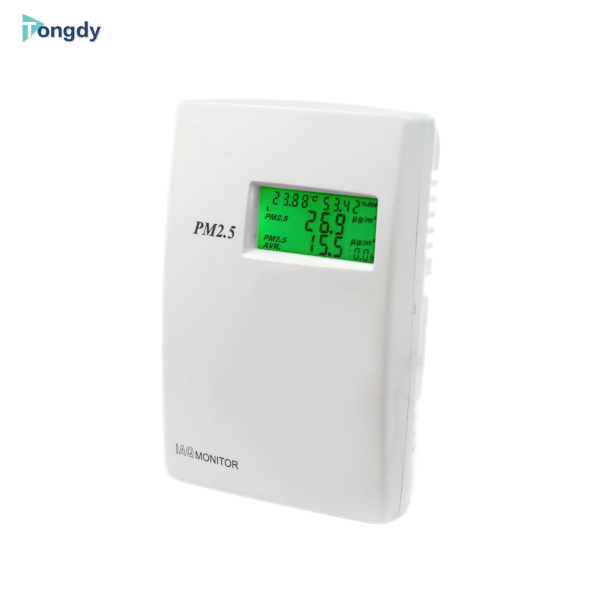
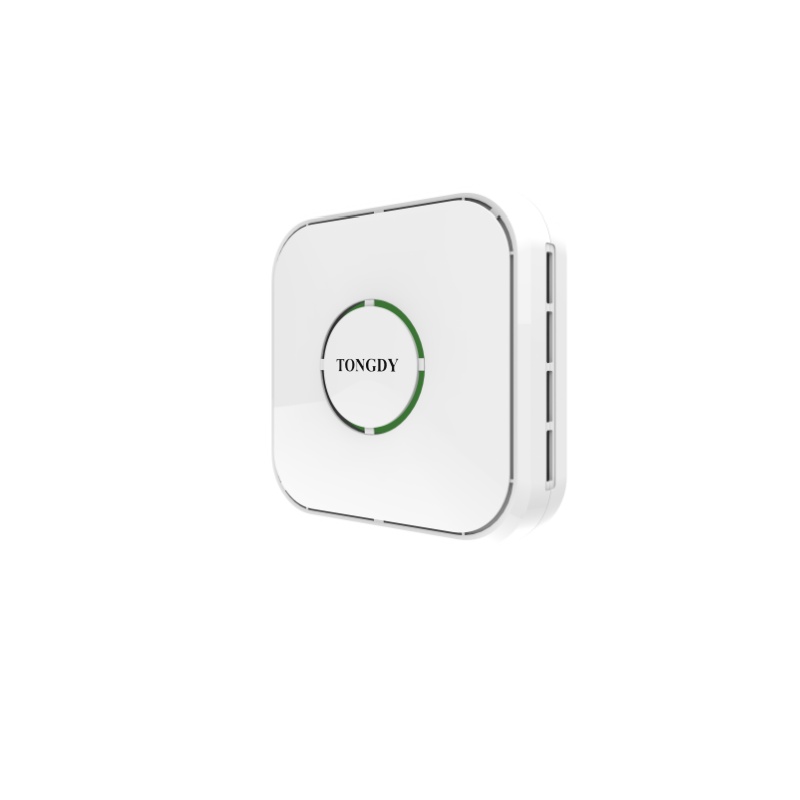
The Growing Demand for Ozone Controller With Relay Output Solutions in Chicago
Chicago, Illinois, stands as one of North America's primary hubs for manufacturing, logistics, food processing, water treatment, and high-density commercial real estate. As industrial operations scale across Chicagoland—from the Fulton Market district to industrial corridors in Elgin, Joliet, and O'Hare industrial parks—maintaining safe ambient gas levels while automating environmental control systems has become a central priority. Among the essential technology devices deployed in these modernized facilities, an Ozone Controller With Relay Output in Chicago plays a vital role in real-time gas monitoring, automated system interlocks, hazard mitigation, and indoor air safety compliance.
Ozone (O3) is a powerful oxidative agent widely utilized throughout Chicago for municipal water disinfection, industrial wastewater remediation, commercial laundry sanitation, HVAC odor control, cold storage mold prevention, and indoor sterilizing routines. However, while ozone is remarkably effective at neutralizing pathogens, volatile organic compounds (VOCs), and stubborn organic odors, excessive concentrations present severe health hazards to facility workers and building occupants. An advanced ozone controller equipped with dry-contact relay outputs acts as both an operational automation bridge and a crucial fail-safe defense line. It continuously measures ambient or in-duct ozone levels and immediately triggers relays to shut off ozone generators, actuate high-speed exhaust blowers, flash alarm strobes, or send digital telemetry to centralized Building Automation Systems (BAS).
Instant Relay Actuation
Direct hardware relay outputs allow seamless connection with external fans, solenoid valves, alarms, and HVAC damper actuators without latency.
BMS & Smart Grid Integration
Equipped with RS485 Modbus, Wi-Fi, or LoRaWAN protocols, allowing enterprise monitoring across Chicago commercial towers.
OSHA & EPA Compliance
Enables precise threshold switching to ensure facility ozone levels never breach workplace safety regulations (0.1 ppm 8-hour TWA).
Chicago's Commercial & Industrial Landscape for Ozone Control
The diverse economy of the Greater Chicago metropolitan area creates unique operational environments where precision gas sensing and automation are required. Local industries rely on robust hardware engineered to perform under demanding environmental conditions:
1. Municipal Water Treatment & Wastewater Facilities
Facilities managed by the Metropolitan Water Reclamation District of Greater Chicago (MWRD) and regional water utility districts rely on ozone oxidation systems for primary disinfection and removal of micropollutants. Reliable ozone controllers equipped with dual relay outputs ensure that off-gas ozone levels in generator rooms or contact tanks remain well below hazardous thresholds, instantly activating destruction units or emergency ventilation if leaks occur.
2. Food Processing, Cold Storage & Packaging Plants
With Chicago being a historic centerpiece of Midwestern food logistics, massive refrigerated storage units and processing facilities in surrounding areas like Bolingbrook and Bridgeview utilize ozone gas for food surface sanitation and ethylene gas destruction to extend produce shelf life. Dedicated ozone controllers manage precise low-ppm dosing cycles via relay switching, preventing product degradation while guaranteeing worker safety during shift changes.
3. Commercial Real Estate & High-Rise Indoor Air Quality (IAQ)
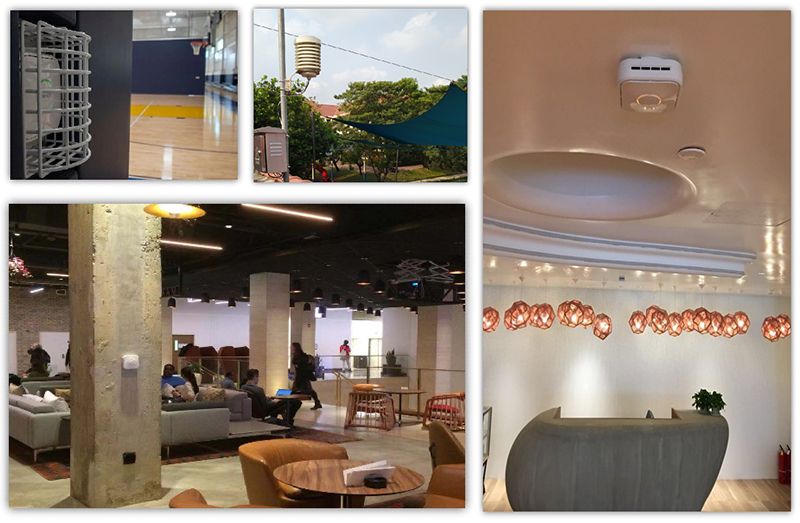
Downtown Chicago features hundreds of high-rise office towers, hotels, and multi-family residential complexes along Michigan Avenue and the Loop. HVAC system engineering in modern Chicago buildings frequently incorporates inline ozone air purifiers or upper-room UV/ozone systems to eradicate odors and VOCs. High-accuracy controllers monitor indoor supply ducts, utilizing relay triggers to turn off ozone generation if ambient levels approach regulatory maximums.
Key Local Compliance Standard: OSHA & RESET Air Alignment
In Chicago, facilities must adhere to strict U.S. Occupational Safety and Health Administration (OSHA) standards limiting exposure to ozone to an 8-hour time-weighted average (TWA) of 0.1 ppm. Incorporating a micro-processor controller with programmable relay setpoints allows safety managers to set multi-stage alerts—such as warning at 0.05 ppm and full system shutdown at 0.08 ppm—securing green building certifications under RESET, WELL, and LEED programs.
Industry Trends Driving Smart Ozone Control in the Midwest
As smart building automation technology advances across Illinois and the broader Midwest, several market trends are transforming how gas controllers are designed and deployed:
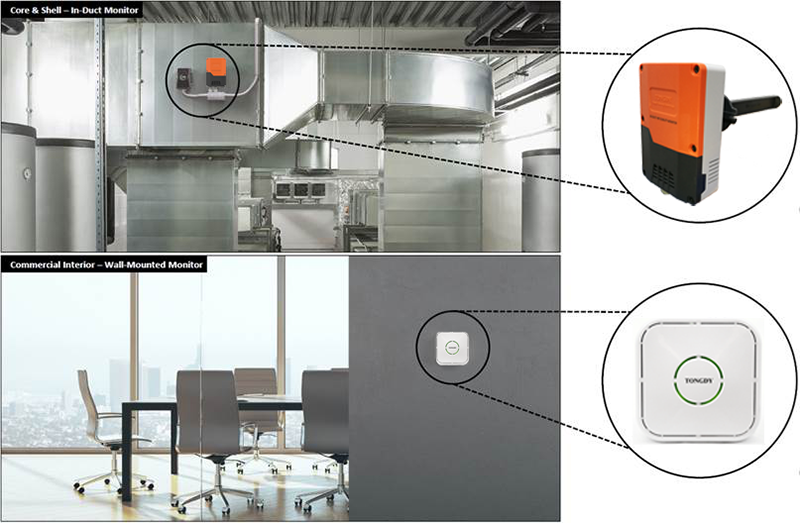
- Transition to Multi-Sensor Platforms: Facility engineers no longer desire isolated, single-gas alarms. Modern deployments in Chicago demand unified indoor air quality monitors that combine ozone (O3), carbon dioxide (CO2), TVOCs, fine particulate matter (PM2.5), temperature, and humidity into a single enclosure with relay actuation options.
- Integration with IoT & Wireless Data Logging: Modern controllers utilize RS485 Modbus RTU, Wi-Fi, or LoRaWAN interfaces. Remote plant supervisors can track historical gas trends on centralized platforms while relay outputs handle physical local automation locally without relying on cloud connection latency.
- Demand-Controlled Ventilation (DCV): To counter Chicago's extreme seasonal temperature swings (harsh winters and warm summers), building managers rely on relay-enabled gas controllers to dynamically control ventilation fans only when air quality parameters exceed programmed thresholds, saving substantial HVAC energy costs.
About Tongdy Sensing Technology Corporation
Tongdy Sensing Technology Corporation
Help you build and maintain a healthy indoor environment
Our work makes a difference in helping you make the healthy indoor air quality. As one of the earliest companies in China engaged in air quality monitoring products, Tongdy has been always focusing on its strong technology development and design capabilities on the indoor air quality monitors.
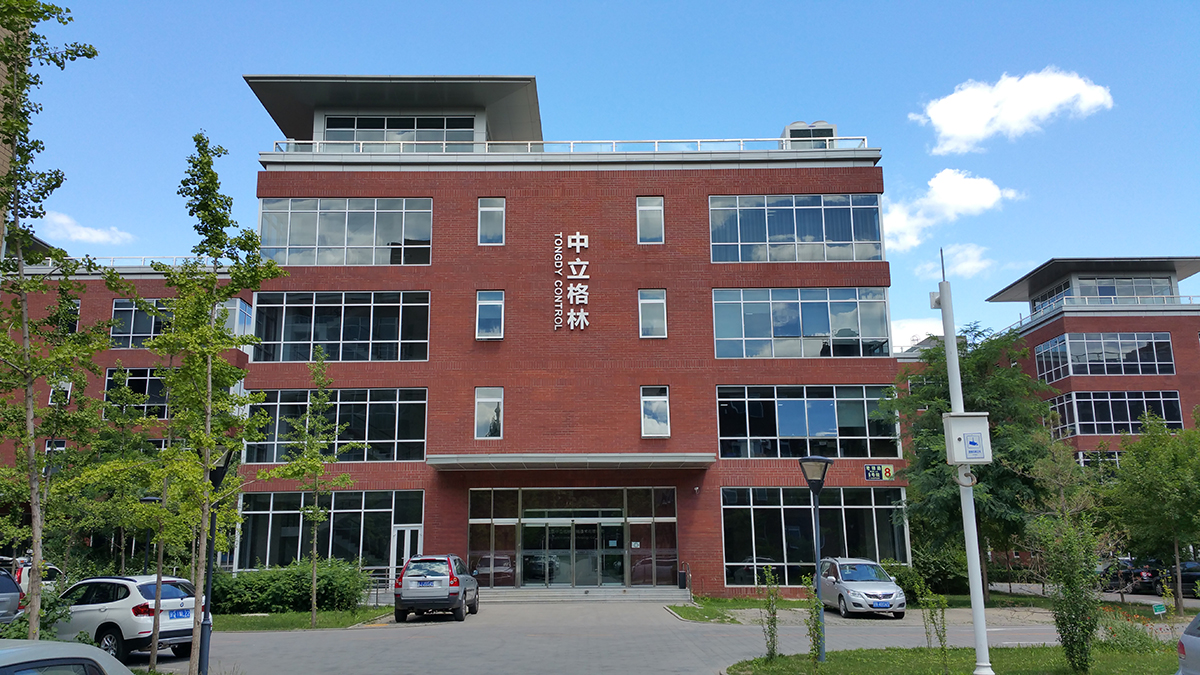
About Tongdy
Focus on air quality detection and control over 15 years
Our Purpose
We foster research and development on obtaining accurate air quality data,
help you well understand and improve the air you breathe by quantitative assessment and data analysis.
For pursuing our ultimate purpose of creating healthy indoor air quality, we’re committed to obtain real and accurate data and cultivating the next generation of innovators in technology and engineering.

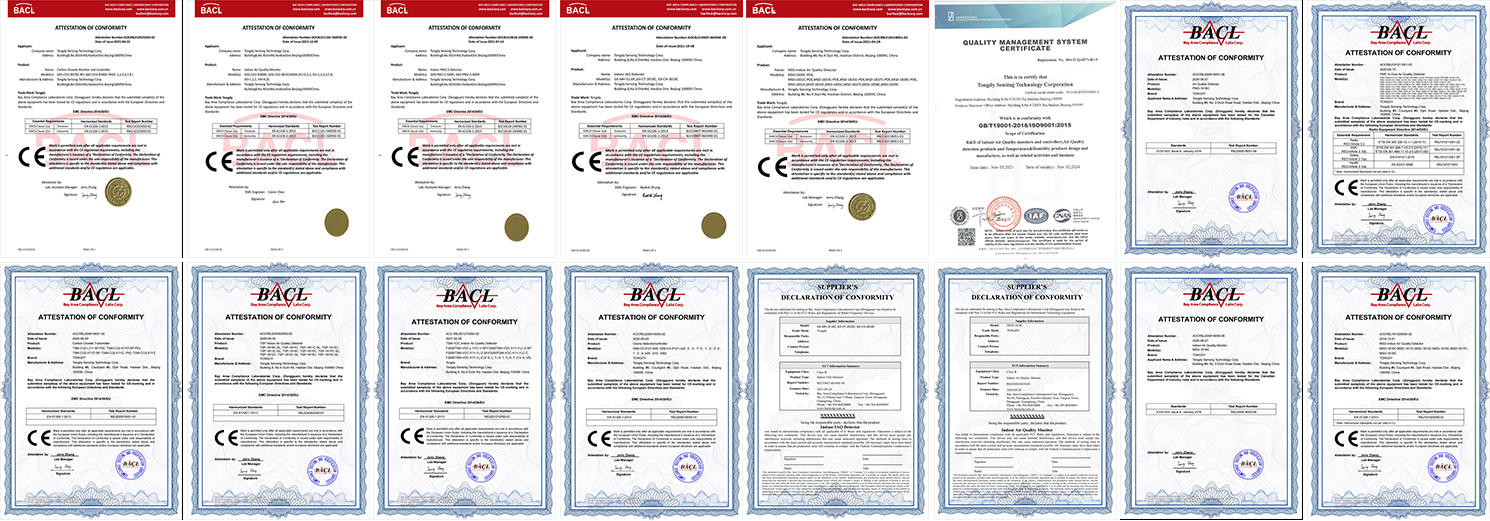
Certificates and Honor
Our Values
Exclusive innovative calibration algorithm
Proprietary technology, the effective calibration method to support higher data accuracy in different environment
Unique professional multi-sensor module
Special multi-sensor module with the sealed cast aluminum structure and up to six sensors inside
Continuous R&D investment and product quality control
Tongdy-owned, and huge investment in research and development to ensure the product reliability and innovation
Real-time data monitoring and historical data analyzing improve and optimize your indoor air quality
“MyTongdy” Platform will help you reading and analyzing data of your air quality on PC or mobile APP
The expert of indoor air quality data
Over 15 years experience for indoor air quality , Tongdy provides commercial accurate data and help you to make data-driven decisions that foster health-centered indoor environments
Why Tongdy
20+ Years of Expertise in IAQ & HVAC Solutions
Trusted by clients for high-quality products and professional service, fully compliant with Green Building standards.
100+ Monitoring and Control Products
Over 100 commercial-grade monitors and controllers, including CO2, single-gas, and multi-sensor solutions for HVAC, BMS, and green building applications.
Reliable and Accurate Data
Providing smart building managers with actionable, real-time data to make informed decisions.
Tailored to Your Specific Needs
Flexible hardware, professional expertise and fast delivery enable cost-effective, customized gas detection and control solutions.
How Ozone Controllers with Relay Outputs Work in HVAC and Industrial Automation
An industrial-grade Ozone Controller With Relay Output functions by converting physical electrochemical or semiconductor sensor measurements of ozone concentration into electrical signals. When the concentration crosses predefined user thresholds (e.g., 0.05 ppm, 0.10 ppm, or custom limits), the microprocessor sends a trigger signal to onboard electromechanical or solid-state relays.
The relay acts as an automated switch within the facility's circuit wiring. Typical relay output operations in Chicago applications include:
High-Threshold Safety Interlock
If ozone exceeds safe exposure levels (e.g., 0.1 ppm), Relay 1 immediately opens the circuit powering the ozone generator, halting gas production instantly while closing a contact to sound an audible/visual beacon in the control room.
Exhaust Fan & Damper Actuation
Relay 2 energizes high-capacity emergency exhaust fans or opens fresh air intake dampers to dilute gas concentration rapidly until safe baseline levels are restored.
Selecting the Right Controller Hardware for Chicago Climate & Commercial Buildings
When specifying ozone controllers and indoor air quality sensors for projects throughout the Chicagoland area, mechanical engineers, system integrators, and facility directors evaluate several crucial hardware criteria:
- Sensor Accuracy & Calibration Stability: Utilizing advanced calibration algorithms ensures long-term accurate readings without drift, preventing false alarm trippings in sensitive environments.
- Multi-Parameter Sensing Capability: Integrating ozone sensing alongside CO2, PM2.5, humidity, and temperature reduces installation complexity and wall footprint in high-end office buildings.
- Enclosure & Durability Standards: Industrial plants in Chicagoland require ruggedized, dew-proof, or dust-resistant enclosures to withstand seasonal thermal fluctuations and humidity variations.
- Seamless Communication Options: Including optional RS485 Modbus, Wi-Fi, or LoRaWAN telemetry alongside dry contact relays allows simultaneous local control and cloud data monitoring via platforms like MyTongdy.
Social Responsibility
Tongdy actively develops air quality monitors and is devoted in healthy indoor air quality, and strive to become an excellent enterprise model.
As a corporate citizen, Tongdy has contributed to public welfare undertakings such as cooperate with public benefit corporation, like WELL- the world’s leading organization focused on deploying people first places to advance a global culture of health, especially exploring the impact of indoor air quality to people’s health based on The WELL Building Standard™ .