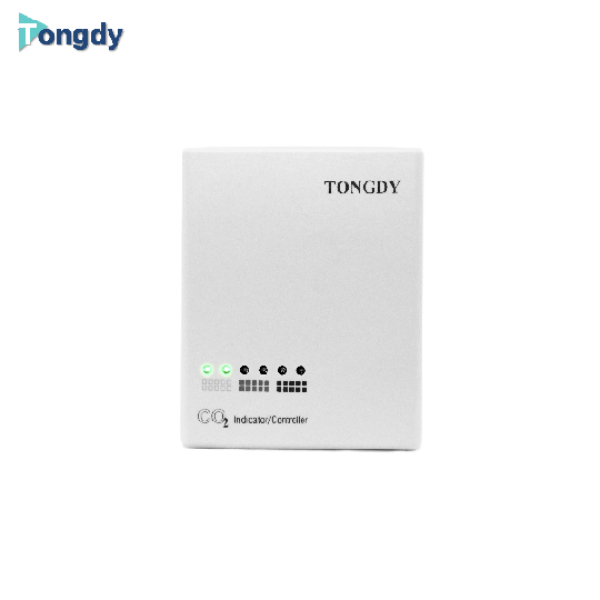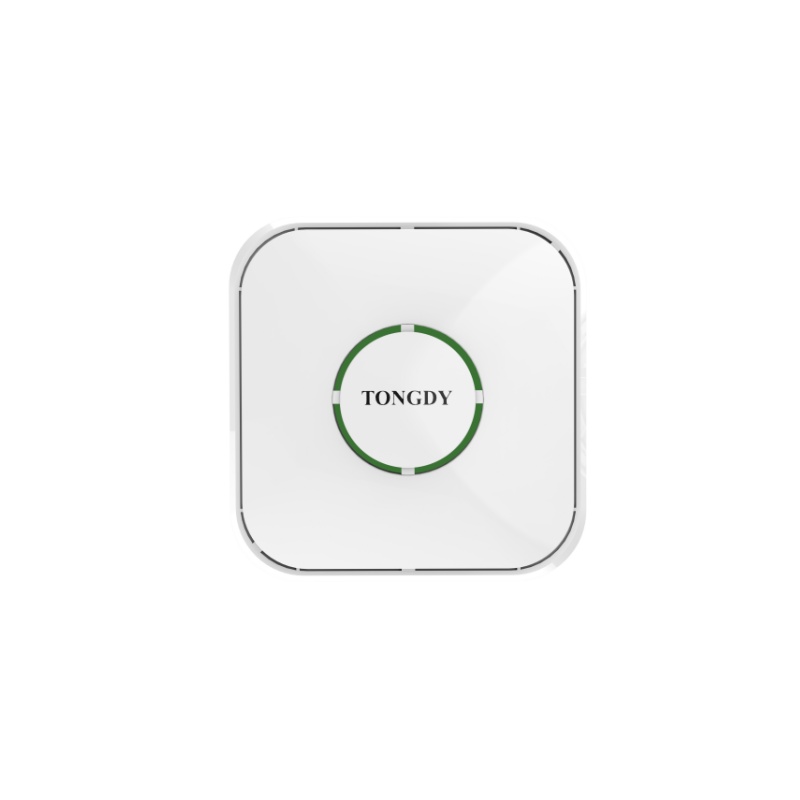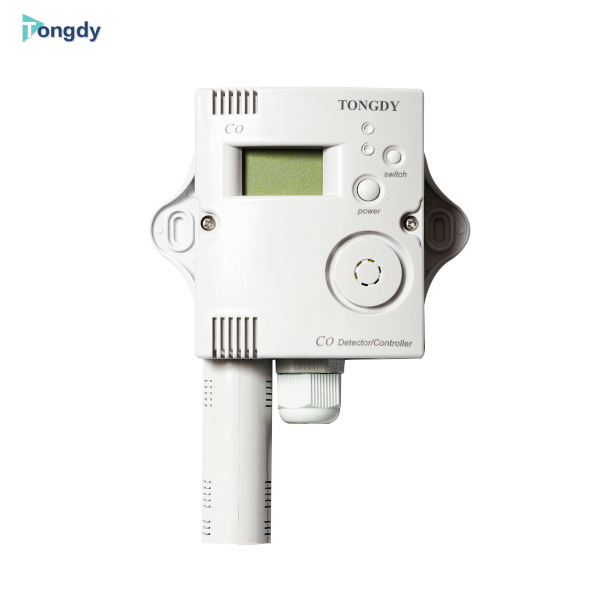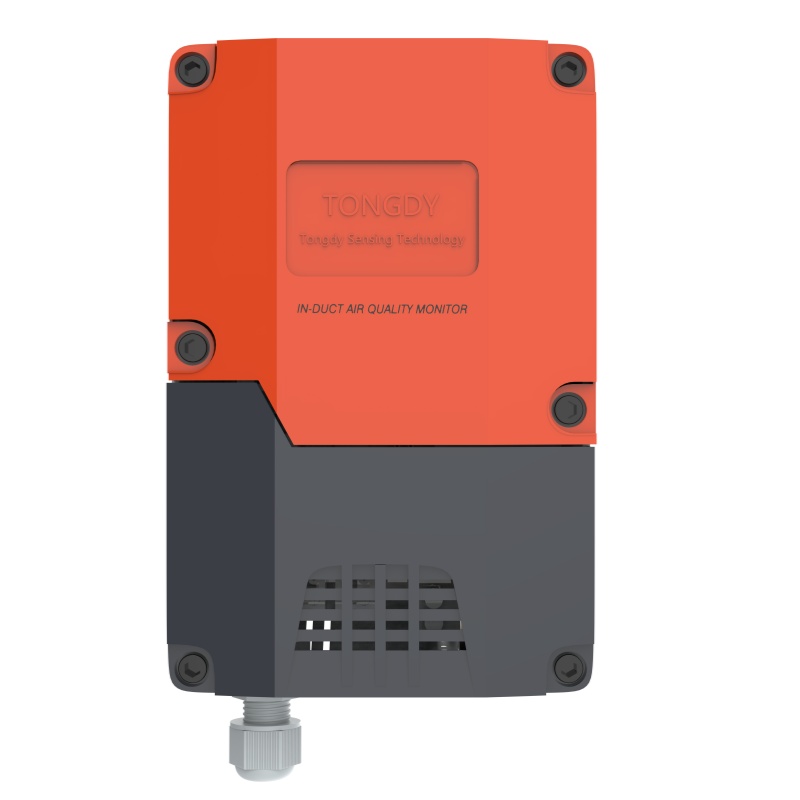

Featured Ventilation & Ozone Sensing Instrumentation
Engineered for mission-critical air measurement, intelligent alarm tripping, and automated HVAC relay control.
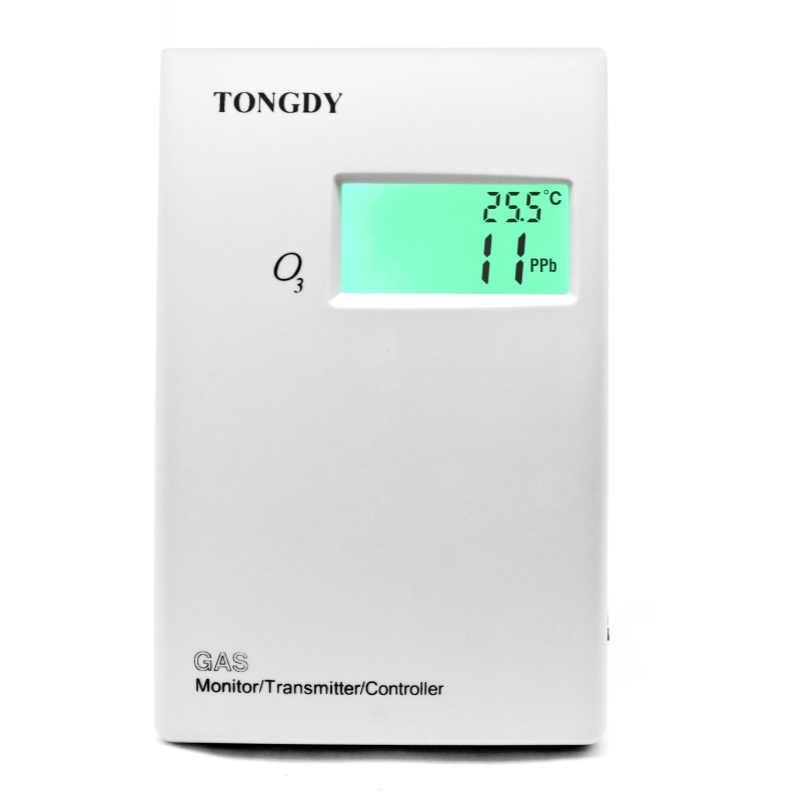
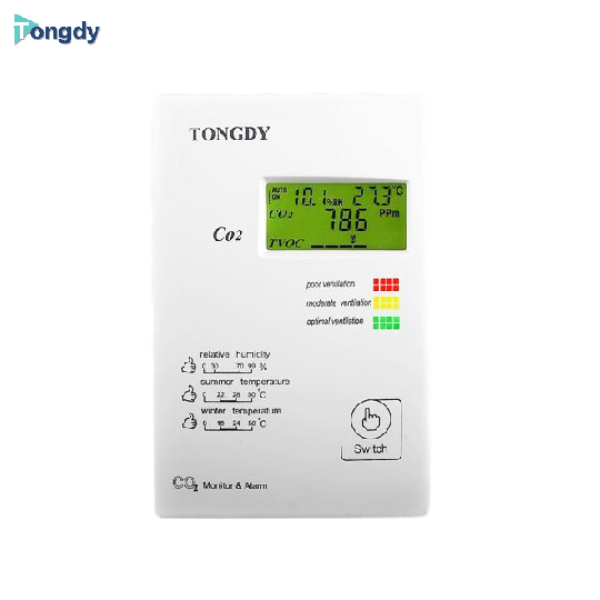
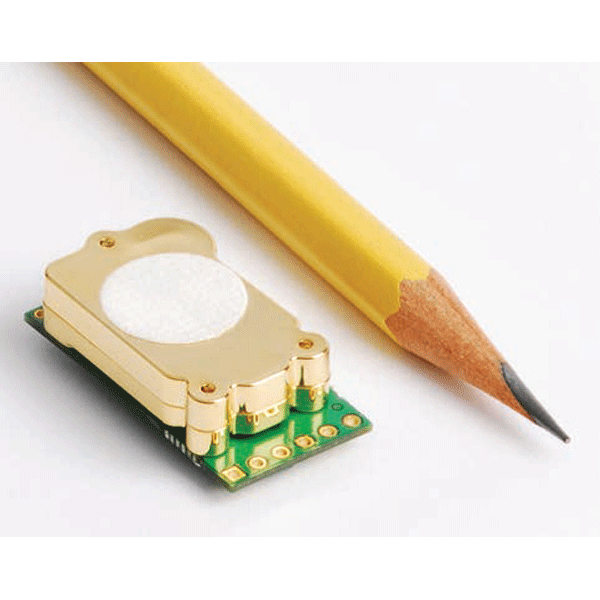
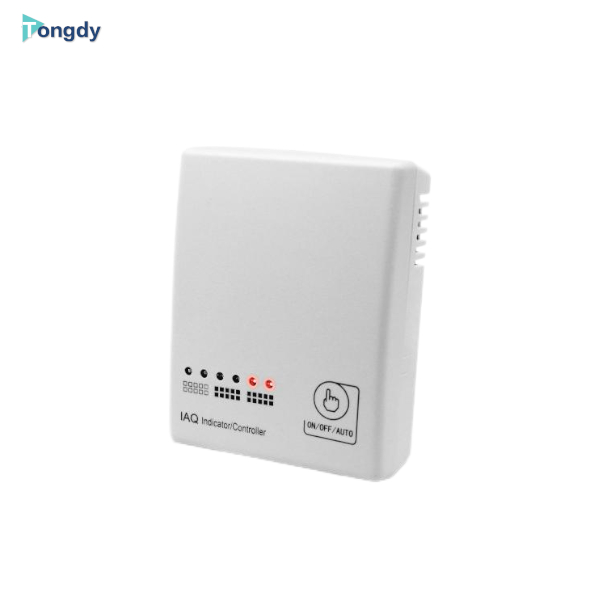
The Vital Role of Ozone Controllers with Relay Output in Modern Ventilation Systems
Ozone (O3) is a powerful oxidizing agent widely deployed across industrial sterilization, water treatment, air purification, food preservation, and semiconductor manufacturing. However, while ozone is remarkably effective at neutralizing airborne pathogens, volatile organic compounds (VOCs), and odor molecules, it poses significant health risks to human respiratory systems when indoor concentrations exceed established occupational thresholds. For this reason, an Ozone Controller With Relay Output For Ventilation System Measurement represents the fundamental bridge between active air treatment efficacy and stringent occupational safety compliance.
In high-performance commercial and industrial facilities, ozone measurement cannot remain a passive data-logging task. Real-time ambient and in-duct gas telemetry must be coupled directly with decisive electro-mechanical actuation. A relay output controller provides this mission-critical capability by supplying dry-contact or voltage switching mechanisms capable of instantaneously engaging exhaust fans, throttling motorized air dampers, activating purge cycles, or cutting power to upstream corona-discharge ozone generators when setpoint limits are crossed.
Direct Relay Interlocking
Features SPDT/SPST dry-contact relays designed to actuate heavy-duty industrial ventilation fans, shutoff valves, and BMS alarm circuits without requiring intermediate control latency.
Sub-PPM Precision Sensing
Utilizes advanced electrochemical and solid-state sensors capable of measuring toxic thresholds down to 0.01 ppm with exceptional zero-point stability and rapid response times.
Dual-Channel Control Logic
Supports configurable high/low hysteresis setpoints, enabling staged ventilation: low-speed background circulation vs. high-velocity emergency dilution modes.
Industrial Evolution & Market Growth Drivers
The global demand for intelligent gas monitoring and automated HVAC interlock controllers is experiencing unprecedented expansion. Historically, industrial facilities relied on periodic manual gas sniffers or standalone alarms that simply sounded an auditory warning when gas levels peaked. In contrast, modern smart building architectures and Industry 4.0 paradigms demand closed-loop automated remediation.
Several major market drivers have propelled the adoption of in-line ozone controllers equipped with relay triggers:
1. Strict Global Health & Safety Regulations: Regulatory bodies including the Occupational Safety and Health Administration (OSHA), the National Institute for Occupational Safety and Health (NIOSH), and the American Conference of Governmental Industrial Hygienists (ACGIH) mandate rigid exposure ceilings. OSHA strictly enforces an 8-hour Time-Weighted Average (TWA) permissible exposure limit (PEL) of 0.10 ppm (0.2 mg/m3). NIOSH establishes an Immediately Dangerous to Life or Health (IDLH) ceiling at 5.0 ppm. Autonomous relay-driven ventilation controls guarantee that facility operators maintain indisputable compliance before hazardous concentrations breach human work zones.
2. Surge in Air Disinfection & Upper-Room Sterilization: Following heightened global focus on viral containment, commercial complexes, airports, hospitals, and educational institutions have integrated ozone-generating purification lamps and active in-duct sterilization cells within Air Handling Units (AHUs). Because ozone generation varies dynamically with airflow speed, relative humidity, and power fluctuations, dedicated measurement controllers with relay safety gates have become non-negotiable safeguarding components.
3. Demand-Controlled Ventilation (DCV) & Energy Decarbonization: Continuous, unmodulated exhaust ventilation exhausts tremendous amounts of conditioned thermal energy, driving up HVAC utility costs. By utilizing ozone controllers with programmable relay switching, ventilation dampers only open to full displacement mode when ozone concentrations approach defined alert thresholds, delivering profound thermal efficiency and carbon footprint reduction.
Engineering Architecture: How Relay Output Logic Controls Ventilation Dynamics
Integrating an ozone controller into an industrial ventilation measurement matrix requires a deep understanding of sensor physics, signal conditioning, and relay trip topologies. Below is a comprehensive breakdown of the internal architectural workflow that ensures rapid, reliable response times during an ozone surge event:
Fail-Safe Relay Topology in HVAC Automation
Modern ventilation controllers implement Normally Open (NO) and Normally Closed (NC) dry contacts configured with fail-safe logic. In the event of controller power loss, sensor burnout, or communication failure, the relay reverts to an alarm state, automatically activating fresh air dampers and emergency exhaust fans to prevent catastrophic gas accumulation.
Two-Stage Ventilation Control Schema
To prevent continuous relay oscillation ("chattering") and optimize mechanical equipment lifespans, commercial-grade ozone controllers incorporate programmable hysteresis and multi-tier trip setpoints:
• Stage 1 - Preventive Dilution (e.g., at 0.05 ppm O3): The controller's primary relay triggers variable-frequency drives (VFDs) on fresh-air supply blowers to ramp from baseline 20% flow to 60% capacity. Simultaneously, a telemetry packet is dispatched via RS485 Modbus RTU / BACnet MS/TP to the building automation system.
• Stage 2 - Emergency Interlock & Generator Cutoff (e.g., at 0.10 ppm O3): The secondary high-level relay contact trips immediately, de-energizing the main power contactor to all corona-discharge ozone generators, triggering audible/strobe beacons, and commanding 100% full-exhaust emergency purge damper actuation.
| Parameter / Feature | Industrial Standard Spec | High-Precision HVAC Grade Spec | Operational Benefit |
|---|---|---|---|
| Sensing Technology | Electrochemical / MOS Sensor | Multi-Electrode Electrochemical Cell | High selectivity against VOCs, NO2, and humidity fluctuations. |
| Measurement Range | 0.00 to 5.00 ppm / 0 to 50 ppm | 0.000 to 1.000 ppm (Resolution: 0.001 ppm) | Captures subtle ambient micro-leaks and extreme industrial surges. |
| Relay Output Configuration | 1 × SPDT Relay (3A @ 250VAC) | 2 × Independent SPDT / Solid State Relays | Allows independent fan modulation and ozone generator interlock. |
| Analog Telemetry | 4-20mA or 0-10VDC | Linear 4-20mA + 0-10VDC simultaneously | Direct integration into legacy PLCs and modern BMS controllers. |
| Digital Communication | RS-485 Modbus RTU | BACnet MS/TP + Modbus RTU + WiFi/Ethernet | Seamless plug-and-play connection to smart building platforms. |
| Relay Hysteresis Control | Fixed 5% span | User-programmable deadband & time delay | Prevents fan motor burnout caused by high-frequency on/off cycling. |
Application Scenarios: Where Precision Ozone Control Protects People and Assets
The versatility of ozone controllers with integrated relay outputs makes them indispensable across a wide spectrum of mission-critical installations. Each environment presents distinct operational challenges regarding airflow velocity, ambient humidity, and chemical cross-sensitivities.
1. Water Treatment & Ozonation Plants
High-output ozone generators are injected into contact basins for municipal water disinfection. In the event of pipe flange degradation or seal leakage, ambient controllers trigger immediate ventilation evacuation protocols before operators are exposed.
2. Pharmaceutical & Bio Cleanrooms
Gaseous ozone is deployed for automated space decontamination during sterilization cycles. Relay controllers monitor the post-sterilization ozone breakdown, locking room entry doors until levels fall below safe occupancy limits (0.03 ppm).
3. Food Processing & Cold Storage
Ozone extends fruit and meat shelf-life by destroying ethylene and fungal spores. In-duct and wall controllers regulate generator duty cycles via relay switching, maintaining optimal preservation levels without degrading packaging or harming workers.
4. Commercial HVAC & Green Buildings
In accordance with LEED and WELL Building standards, large corporate headquarters and retail centers employ multi-gas controllers to continuously certify that indoor ozone levels generated by copiers, laser printers, and air filters remain within pristine parameters.
5. Industrial Printing & Laser Cutting
UV curing lamps and high-power CO2 laser cutters ionize surrounding air, producing dangerous background ozone. Spot-mounted controllers engage dedicated local exhaust hoods whenever machining operations begin.
6. Semiconductor & Electronics Fab
Ozone is used for wafer surface cleaning and thin-film oxide deposition. Cleanroom ventilation systems utilize high-resolution O3 controllers to prevent trace contamination that could compromise silicon yield rates.
Installation and Engineering Best Practices
Achieving reliable ozone measurement within high-velocity ventilation systems demands rigorous attention to installation geometry. Because ozone gas is approximately 1.65 times denser than ambient air, uncirculated ozone tends to settle near floor levels in stagnant rooms. Conversely, inside active HVAC ducts, dynamic air velocity creates pressure differentials and turbulence.
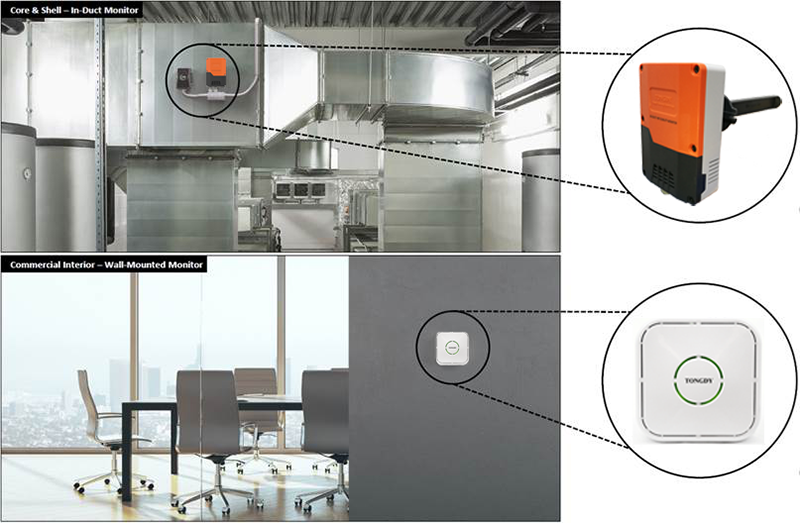
• Breathing Zone vs. Floor Proximity: For occupant safety monitoring, wall-mounted units must be installed at a height of 1.2 to 1.5 meters (4 to 5 feet) above the finished floor in breathing zones, with auxiliary sampling points located near potential generator leak sources.
• In-Duct Probe Insertion: For supply and return air duct measurements, specialized pitot-sampling probes with laminar flow chambers must be used to ensure laminar flow across the sensing element without causing aerodynamic cooling errors or rapid desiccation of electrochemical electrolytes.
• Periodic Bump Testing and Recalibration: Due to the aggressive oxidative nature of ozone, electrochemical sensors naturally experience chemical consumption. Regular zero-point calibration and span verification using certified gas generators ensure relay trip thresholds remain strictly accurate over multi-year lifespans.
About Us • Tongdy Sensing Technology Corporation
Help you build and maintain a healthy indoor environment with over 15 years of continuous innovation in air quality detection and control.
Empowering Global IAQ Through Accurate Sensing
Our work makes a difference in helping you make the healthy indoor air quality. As one of the earliest companies in China engaged in air quality monitoring products, Tongdy has been always focusing on its strong technology development and design capabilities on the indoor air quality monitors.
We foster research and development on obtaining accurate air quality data, help you well understand and improve the air you breathe by quantitative assessment and data analysis.
For pursuing our ultimate purpose of creating healthy indoor air quality, we’re committed to obtain real and accurate data and cultivating the next generation of innovators in technology and engineering.

Corporate Social Responsibility & Global Standards
Tongdy actively develops air quality monitors and is devoted in healthy indoor air quality, and strive to become an excellent enterprise model. As a corporate citizen, Tongdy has contributed to public welfare undertakings such as cooperate with public benefit corporation, like WELL—the world’s leading organization focused on deploying people first places to advance a global culture of health, especially exploring the impact of indoor air quality to people’s health based on The WELL Building Standard™.

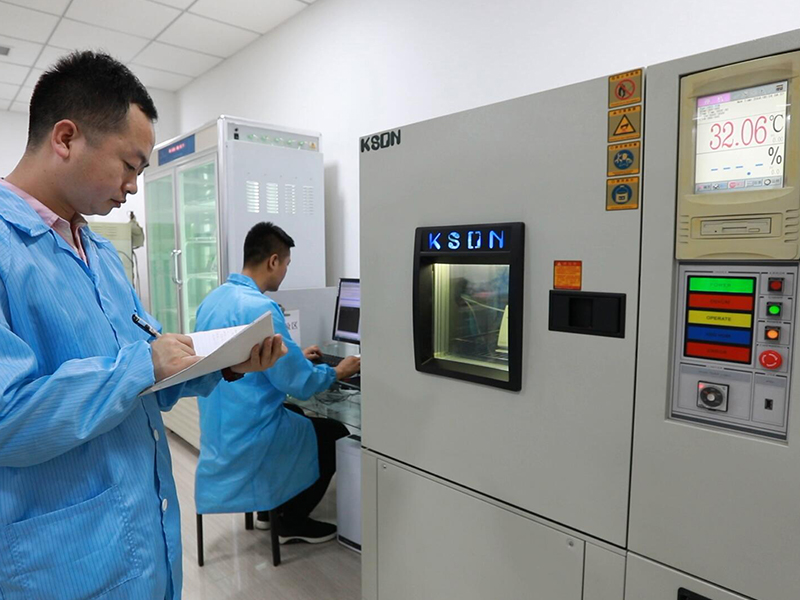
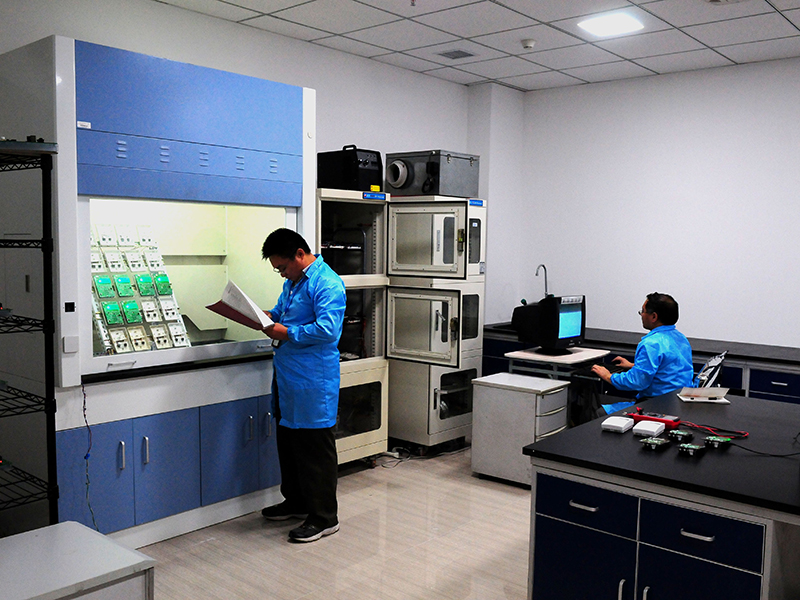
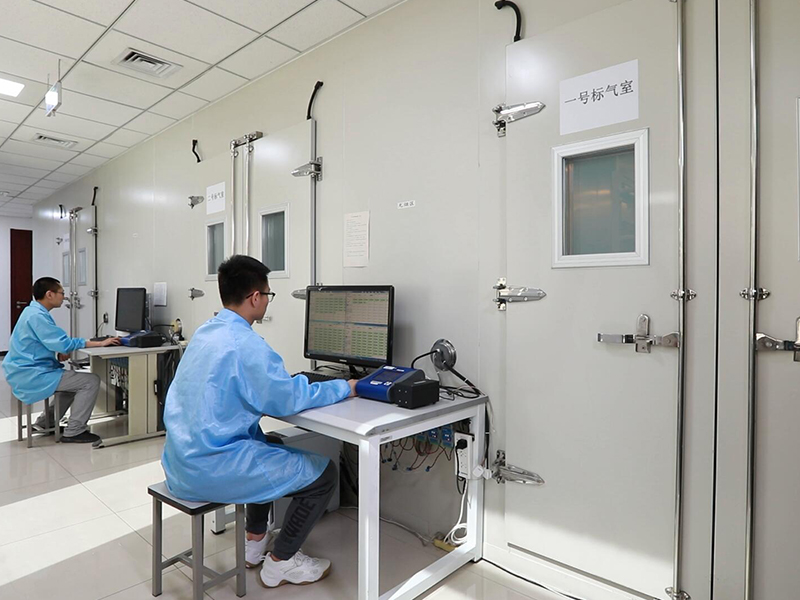

Certificates and Honor
Our commitment to rigorous quality control, international compliance, and metrology standards has earned Tongdy top industry certifications worldwide.
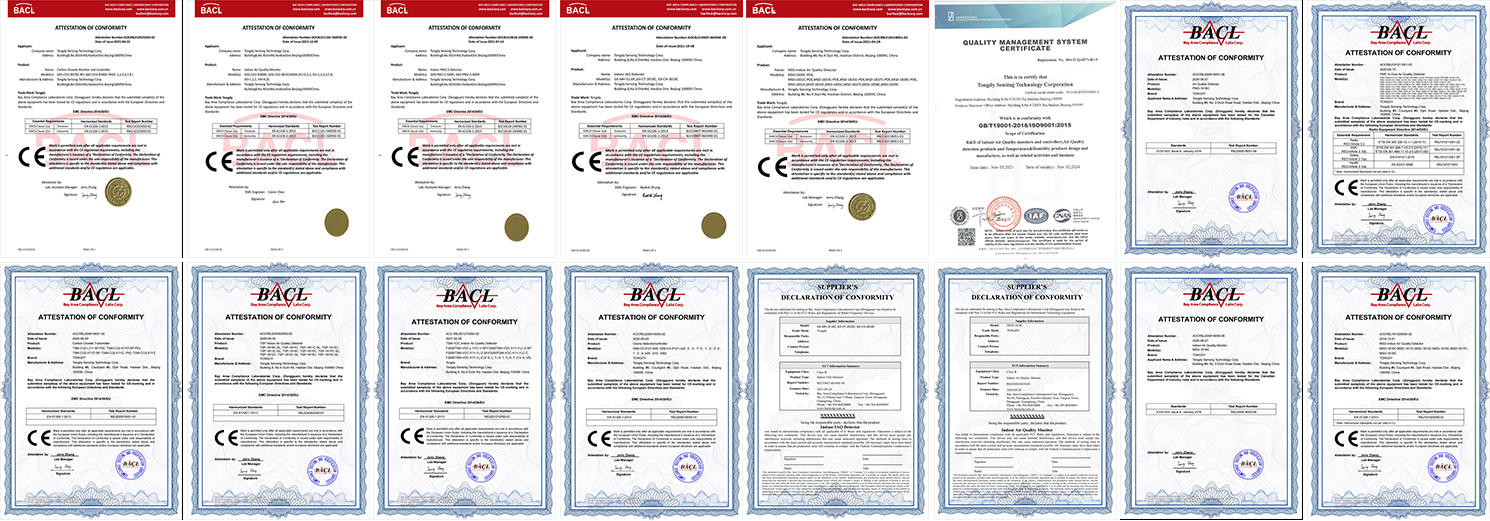
Our Core Values & Technological Excellence
Proprietary calibration algorithms, multi-sensor modular design, and robust data analytics.
Exclusive Innovative Calibration Algorithm
Proprietary technology, the effective calibration method to support higher data accuracy in different environment.
Unique Professional Multi-Sensor Module
Special multi-sensor module with the sealed cast aluminum structure and up to six sensors inside.
Continuous R&D Investment & Quality Control
Tongdy-owned, and huge investment in research and development to ensure the product reliability and innovation.
Real-Time Monitoring & Data Analytics
“MyTongdy” Platform will help you reading and analyzing data of your air quality on PC or mobile APP.
The Expert of Indoor Air Quality Data
Over 15 years experience for indoor air quality, Tongdy provides commercial accurate data and help you to make data-driven decisions that foster health-centered indoor environments.
Smart BMS & Ventilation Integration
Seamless communication bridging gas concentration telemetry and automated HVAC relay actuation.
20+ Years of Expertise in IAQ & HVAC Solutions
Trusted by clients for high-quality products and professional service, fully compliant with Green Building standards.
100+ Monitoring and Control Products
Over 100 commercial-grade monitors and controllers, including CO2, single-gas, and multi-sensor solutions for HVAC, BMS, and green building applications.
Reliable and Accurate Data
Providing smart building managers with actionable, real-time data to make informed decisions.
Tailored to Your Specific Needs
Flexible hardware, professional expertise and fast delivery enable cost-effective, customized gas detection and control solutions.
Comprehensive Gas Detection & HVAC Ventilation Product Portfolio
Browse our complete lineup of gas controllers, transmitters, multi-sensor arrays, and OEM modules.