

Primary Air Quality Monitors & Controllers for Fresh-Air Systems
Explore our core series of commercial-grade monitors optimized for direct ventilation coupling, ozone concentration management, and building control system integration.
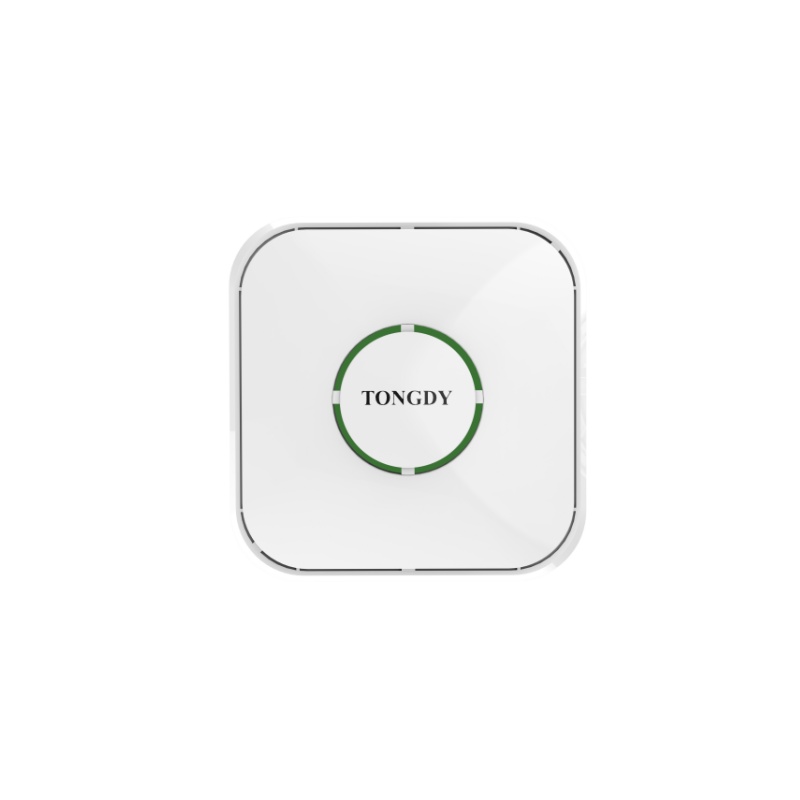 IAQ Multi Sensor Gas monitor
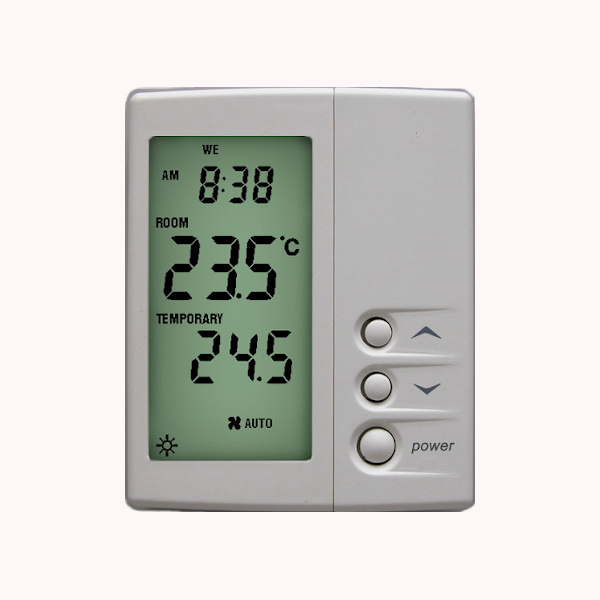 Programmable Thermostat
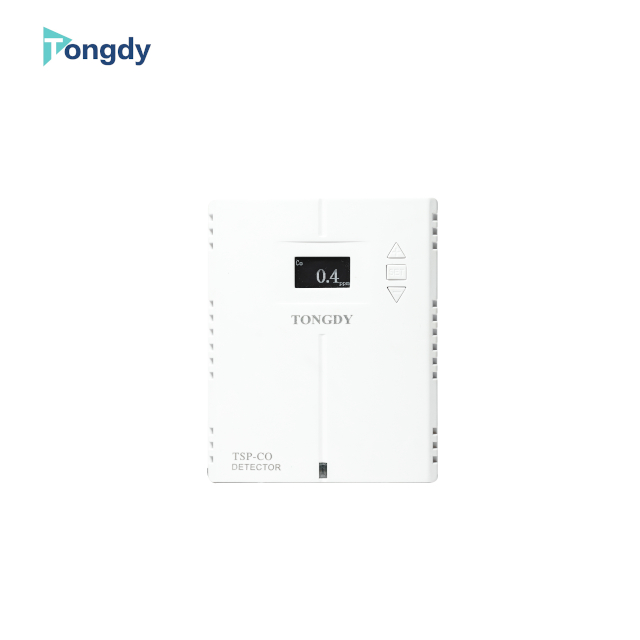 Carbon Monoxide Monitor
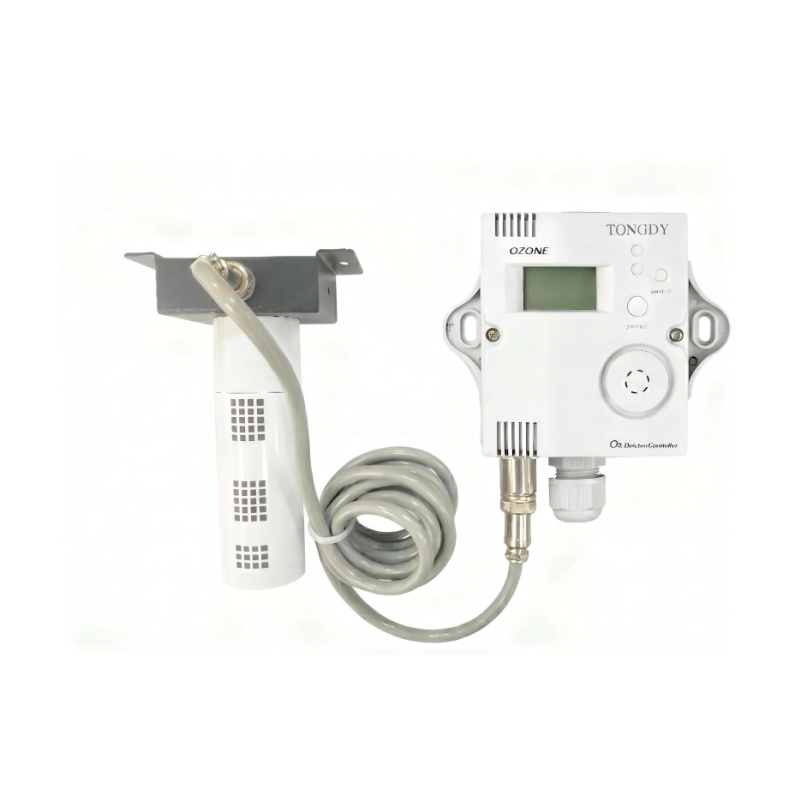 CO and O3 Controller
The Crucial Role of Ozone Controllers in Modern Fresh-Air Systems
Ozone (O3) is a powerful oxidizing agent widely deployed across industrial cleaning, air purification, food preservation, and water treatment applications due to its unrivaled sterilization capabilities. However, elevated ambient ozone levels pose severe health hazards to human occupants, including respiratory irritation, reduced lung function, and aggravation of asthma. Balancing effective sanitization with human safety demands an automated, highly reliable control loop—which is precisely where an Ozone Controller With Relay Output For Fresh-Air System Control becomes an indispensable component of modern HVAC and facility engineering.
Fresh-air systems act as the primary defense mechanism against toxic gas accumulation in enclosed spaces. By marrying high-precision electrochemical or semiconductor ozone sensors with integrated relay outputs, facility managers can dynamically modulate fresh-air damper positions, switch exhaust fans on/off, or trip master safety cut-offs the instant ambient O3 concentrations breach predefined parts-per-billion (ppb) or parts-per-million (ppm) safety thresholds.

Automated Relay Switching
Provides dry contact relay signals (SPDT/SPST) to trigger external mechanical equipment such as fresh-air fans, motorized dampers, alarms, or ozone generators instantly upon gas detection.
High Precision & Stability
Utilizes proprietary calibration algorithms and premium sensor cells to prevent signal drift, eliminating false trips while ensuring compliance with stringent OSHA and WELL limits.
Seamless BMS Integration
Features standardized Modbus RS485 communication protocols and selectable analog outputs (0-10V / 4-20mA) for comprehensive building automation synchronization.
Commercial & Industrial Scenarios for Relay-Driven Ozone Control
Integrating an ozone controller with relay outputs into fresh-air systems solves distinct operational challenges across diverse commercial, industrial, and institutional environments. Below is a detailed technical analysis of key application domains:
1. Smart Commercial Buildings & HVAC Fresh-Air Modulation
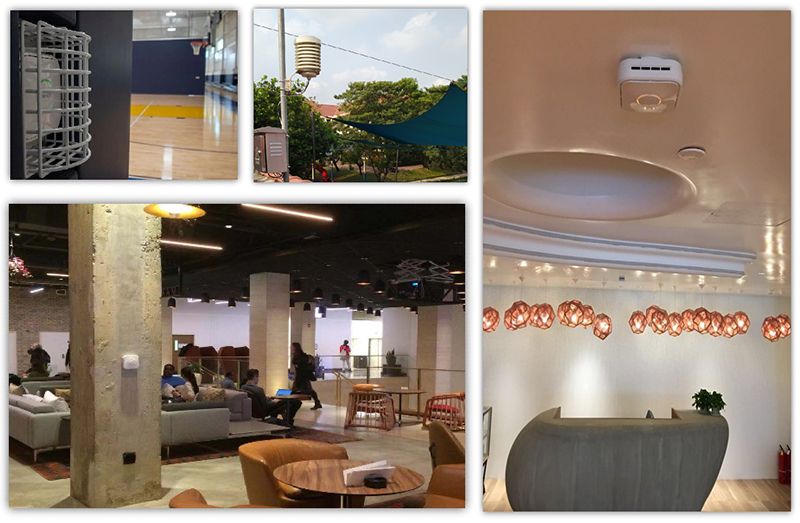
In high-density commercial office buildings, shopping malls, and educational institutions, outdoor ground-level ozone can infiltrate indoor space through fresh air intakes, while indoor ozone may accumulate from high-output laser printers, photocopy centers, and ionic air purifiers. An Ozone Controller fitted into the return air duct or zone space monitors real-time concentration. When O3 levels exceed ambient wellness standard guidelines (such as WELL v2 or LEED indoor air quality thresholds), the relay output signals the Air Handling Unit (AHU) damper to alter the air mixing ratio or activate specialized inline catalytic carbon scrubbers, preserving pristine indoor air quality without unnecessarily straining energy consumption.
2. Post-Sterilization Air Purging in Healthcare & Cleanrooms
Pharmaceutical cleanrooms, hospital operating rooms, and laboratories regularly execute off-hours ozone gas disinfection to neutralize surface micro-organisms and airborne pathogens. Once the disinfection cycle concludes, high levels of ozone remain trapped inside the sealed room. An inline Ozone Controller with relay outputs acts as the safety gatekeeper: it keeps access doors locked and triggers high-capacity fresh-air flush fans. Only after the relay controller confirms that ambient ozone levels have decayed below safe occupational exposure limits (e.g., <0.05 ppm) does it switch the fresh-air ventilation to normal mode and signal that human entry is safe.
3. Food Processing, Cold Storage & Agricultural Facilities
Ozone gas is widely deployed in fruit and vegetable cold storage rooms to inhibit ethylene production, delay ripening, and suppress fungal growth. Maintaining an exact ozone concentration (e.g., 0.1 to 0.5 ppm) is critical: too low causes food spoilage; too high causes chemical burn on produce and corrodes cooling coils. A specialized dual-relay ozone controller regulates this delicate balance: Relay 1 controls the ozone generator (cycling on/off to keep ozone at active sanitization levels), while Relay 2 acts as an over-concentration emergency trigger that immediately shuts down the generator and opens fresh-air intake dampers if safe limits are breached.
4. Industrial Wastewater & Exhaust Off-Gas Containment
Industrial wastewater treatment plants and chemical processing facilities generate volatile organic compounds (VOCs) and hydrogen sulfide odors, often neutralized using powerful industrial ozone scrubbers. If ozone leaks into ambient working zones or duct exhausts, it violates environmental release regulations. Duct-mounted ozone controllers with relay outputs continuously sample exhaust airstreams. The relay output triggers emergency air dampers to recirculate or divert off-gas through secondary destruction units whenever unreacted ozone escapes the primary treatment phase.
Relay Output Mechanisms & Industry Development Trends
Modern ventilation design relies heavily on intelligent, event-driven fresh-air exchange rather than constant-volume air handling. Understanding the hardware architecture of relay-driven ozone controllers is essential for system integrators and HVAC designers.
Relay Control Output Logic
The relay output in an ozone controller typically comprises electro-mechanical dry contacts rated for standard industrial voltages (e.g., 3A/250VAC or 3A/30VDC). Key operational features include:
- Programmable Setpoint Thresholds: Allows engineers to set custom ON and OFF trigger levels (e.g., turn ventilation fan ON at 0.10 ppm O3 and turn fan OFF at 0.03 ppm O3).
- Hysteresis Control: Prevents relay "chattering" (rapid opening and closing) when ambient ozone fluctuates near the threshold point, extending the operational lifecycle of connected actuators and contactors.
- Fail-Safe State Configuration: Configurable normally-open (NO) or normally-closed (NC) circuit states ensure that in the event of a power outage or sensor fault, ventilation dampers automatically fail open to introduce safe fresh air.
Market Trends in Smart IAQ Architecture
The global market for gas controllers is undergoing rapid evolution driven by smart building initiatives and IoT connectivity:
- Multi-Sensor Module Fusion: Transitioning from single-gas detection to integrated environmental sensing incorporating O3, CO2, TVOC, PM2.5/PM10, temperature, and relative humidity in a single housing.
- Cloud Analytics & Remote Diagnostics: Real-time device telemetry is routed to platforms such as MyTongdy, enabling facility managers to analyze historical gas concentration trends, optimize HVAC scheduling, and execute predictive sensor maintenance.
- Adherence to Green Building Standards: Direct alignment with WELL Building Standard, LEED v4.1, and RESET certifications, where verified indoor environmental data directly impacts commercial building valuation.
Tongdy Sensing Technology Corporation
Help you build and maintain a healthy indoor environment
Our work makes a difference in helping you make the healthy indoor air quality. As one of the earliest companies in China engaged in air quality monitoring products, Tongdy has been always focusing on its strong technology development and design capabilities on the indoor air quality monitors.
Focus on air quality detection and control over 15 years
Our Purpose: We foster research and development on obtaining accurate air quality data, help you well understand and improve the air you breathe by quantitative assessment and data analysis.
For pursuing our ultimate purpose of creating healthy indoor air quality, we’re committed to obtain real and accurate data and cultivating the next generation of innovators in technology and engineering.

Certificates and Honor
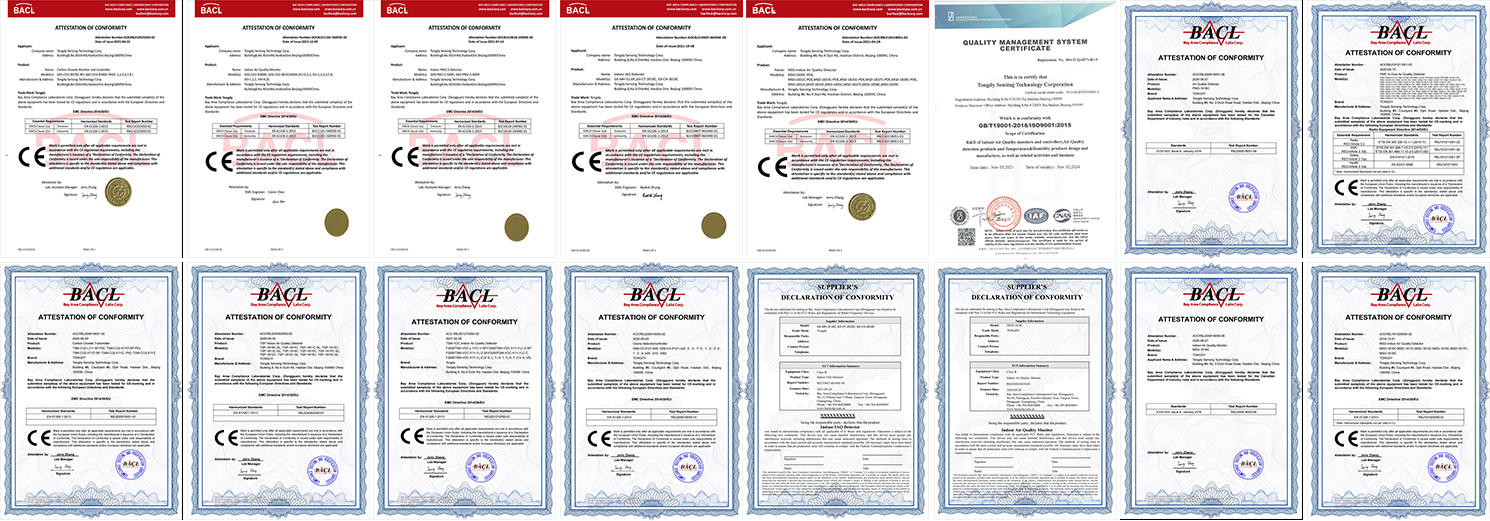
Tongdy holds extensive international certifications ensuring strict adherence to environmental calibration standards, CE/FCC compliance, and ISO quality management systems.
Our Core Values & Technical Advantages
Exclusive Innovative Calibration Algorithm
Proprietary technology providing effective calibration methods to support higher data accuracy in different operational environments.
Unique Professional Multi-Sensor Module
Special multi-sensor module featuring a sealed cast aluminum structure housing up to six high-precision sensors inside.
Continuous R&D & Quality Control
Tongdy-owned facilities with substantial ongoing investment in research and development to ensure long-term product reliability and innovation.
Real-Time Data & Platform Analysis
The "MyTongdy" platform enables real-time reading and deep historical analysis of indoor air quality metrics across web and mobile APP interfaces.
15+ Years IAQ Expertise
Over 15 years of dedicated focus on indoor air quality, empowering clients with commercial-grade data to drive health-centered decisions.
100+ Monitoring & Control Solutions
Extensive catalog including CO2, single-gas, and multi-sensor products tailored for HVAC, BMS, and green building standard deployments.
Tongdy Indoor Air Quality & Gas Control Catalog
Explore our complete lineup of gas detectors, controllers, thermostats, and duct-mounted air quality monitors designed for intelligent fresh-air system control.
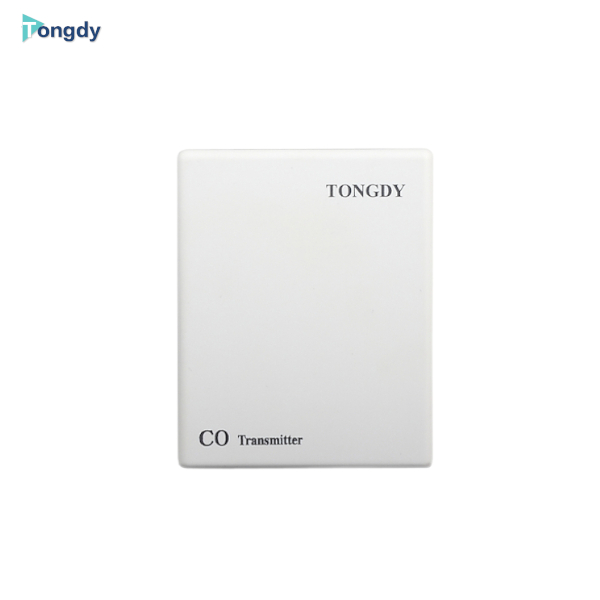 Basic Carbon Monoxide Sensor
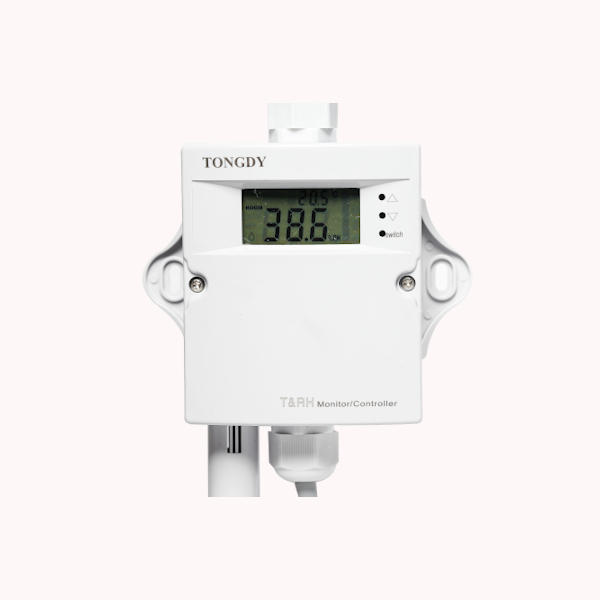 Dew-proof Humidity Controller Plug and Play
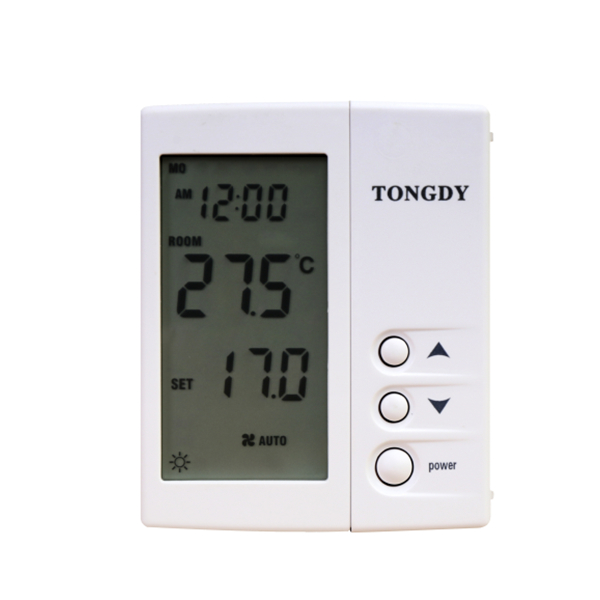 Floor heating thermostat with standard programmable
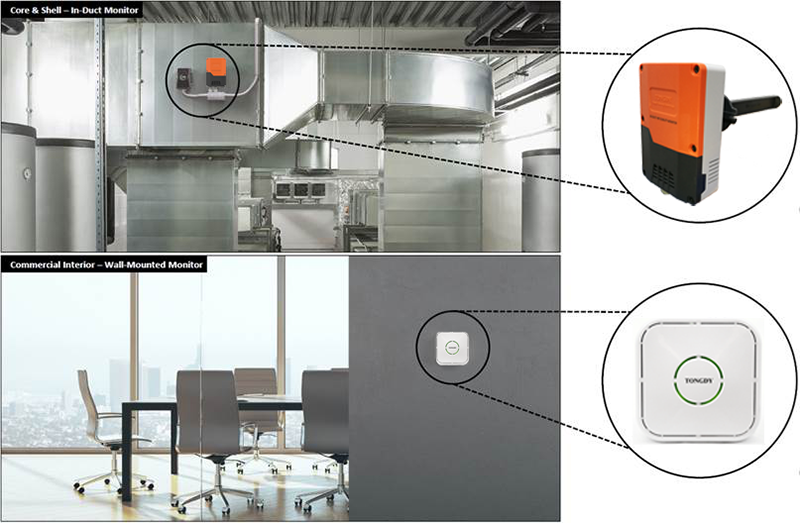
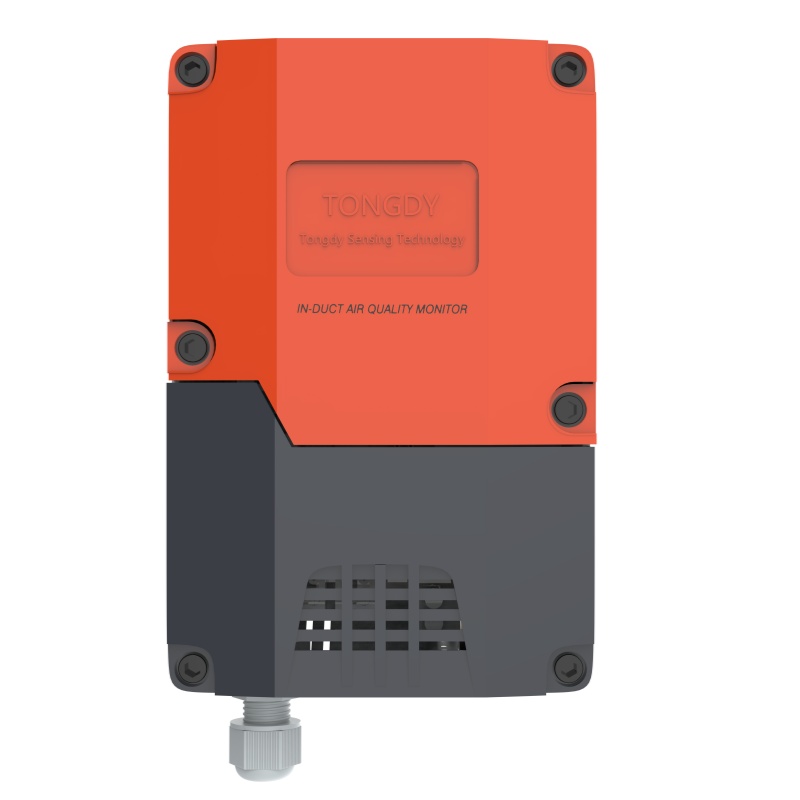 Professional In-Duct Air Quality Monitor
Social Responsibility
Tongdy actively develops air quality monitors and is devoted in healthy indoor air quality, and strive to become an excellent enterprise model. As a corporate citizen, Tongdy has contributed to public welfare undertakings such as cooperate with public benefit corporation, like WELL- the world’s leading organization focused on deploying people first places to advance a global culture of health, especially exploring the impact of indoor air quality to people’s health based on The WELL Building Standard™.