
Featured Multi-Sensor Controllers For Fresh-Air Systems
Explore our flagship indoor air quality monitors and controllers specifically engineered for seamless HVAC automation, Demand-Controlled Ventilation (DCV), and real-time environmental data acquisition.
The Paradigm Shift in Fresh-Air System Control: Why Multi-Sensor IAQ Intelligence Matters
In contemporary architectural design and modern facility operations, the role of modern Heating, Ventilation, and Air Conditioning (HVAC) systems has transcended basic thermal comfort. Today, commercial enterprise towers, healthcare institutions, educational campuses, and residential developments require an integrated, data-driven approach to ventilation control. The integration of a Multi‑Sensor Indoor Air Quality Detector For Fresh‑Air System Control serves as the central nervous system of modern Demand-Controlled Ventilation (DCV), bridging the gap between optimal occupant health, indoor environmental safety, and ultra-low building energy consumption.
Traditional HVAC ventilation operates predominantly on static time schedules or fixed air exchange rates. This legacy approach leads to two significant structural inefficiencies: severe energy wastage from over-ventilating unoccupied spaces, or hazardous air pollutant accumulation (such as elevated Carbon Dioxide ($CO_2$), Total Volatile Organic Compounds (TVOCs), Fine Particulate Matter ($PM_{2.5}/PM_{10}$), and Carbon Monoxide ($CO$)) during peak occupancy hours. A multi-sensor indoor air quality detection network provides real-time, multi-parametric diagnostic feedback directly to Building Automation Systems (BAS) or Fresh-Air Energy Recovery Ventilators (ERV/HRV), dynamically modulating air damper positions and fan speeds to deliver precise volumes of fresh air exactly when and where needed.
💡 Key Industry Insight: According to ASHRAE Standards 62.1 and 241, incorporating real-time multi-sensor DCV into fresh-air systems can reduce HVAC operational energy consumption by up to 35% to 50% while guaranteeing strict adherence to international healthy building frameworks such as WELL Building Standard™ and LEED v4.1 certification.
Dynamic Energy Optimization
Eliminates unnecessary conditioning of outdoor fresh air during low-occupancy periods, reducing chiller and heater electrical loads significantly.
Occupant Health & Wellbeing
Continuous monitoring of $CO_2$, TVOC, Formaldehyde, and PM2.5 prevents sick building syndrome, reduces airborne viral transmission risks, and enhances cognitive productivity.
Seamless BAS Automation
Native support for RS485 Modbus RTU, BACnet MS/TP, and IoT wireless protocols enables plug-and-play integration with global building management platforms.
Technical Architecture of Advanced Multi-Sensor IAQ Detectors
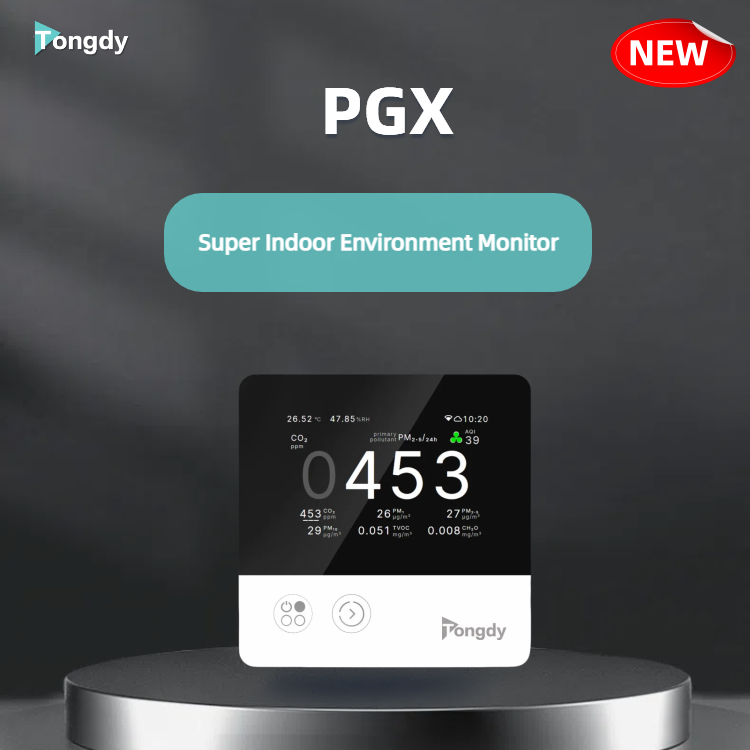
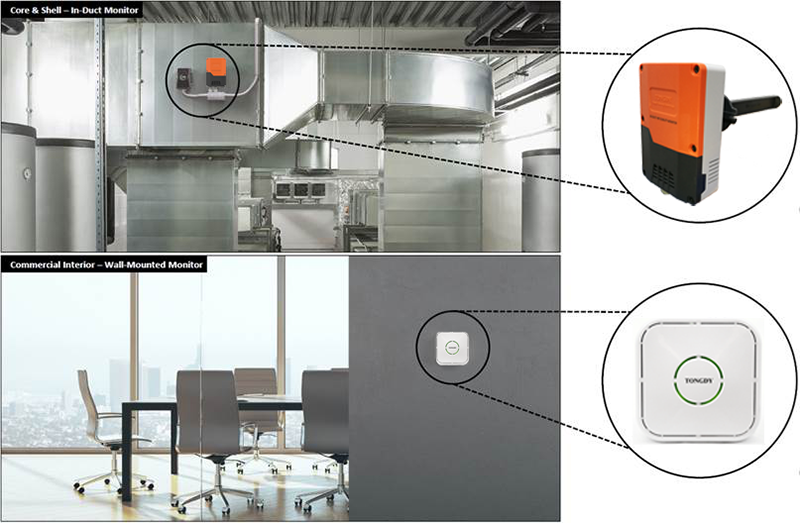
An industrial-grade Multi‑Sensor Indoor Air Quality Detector relies on advanced sensor-fusion technology, combining multiple sensing elements within a single enclosure to deliver synchronized environmental metrics. By housing non-dispersive infrared (NDIR) optical sensors, laser particle counters, electrochemical gas sensors, and high-precision digital humidity/temperature transducers into unified control units, facilities can eliminate clutter and maintain absolute data accuracy across variable thermal and barometric environments.
Key Environmental Parameters Monitored
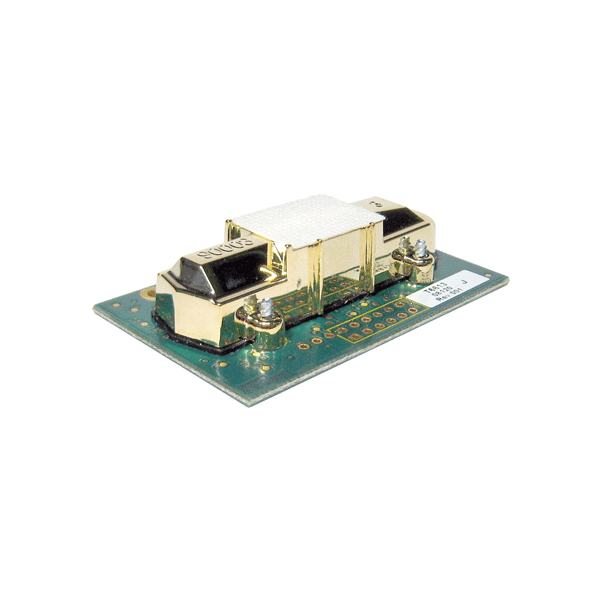
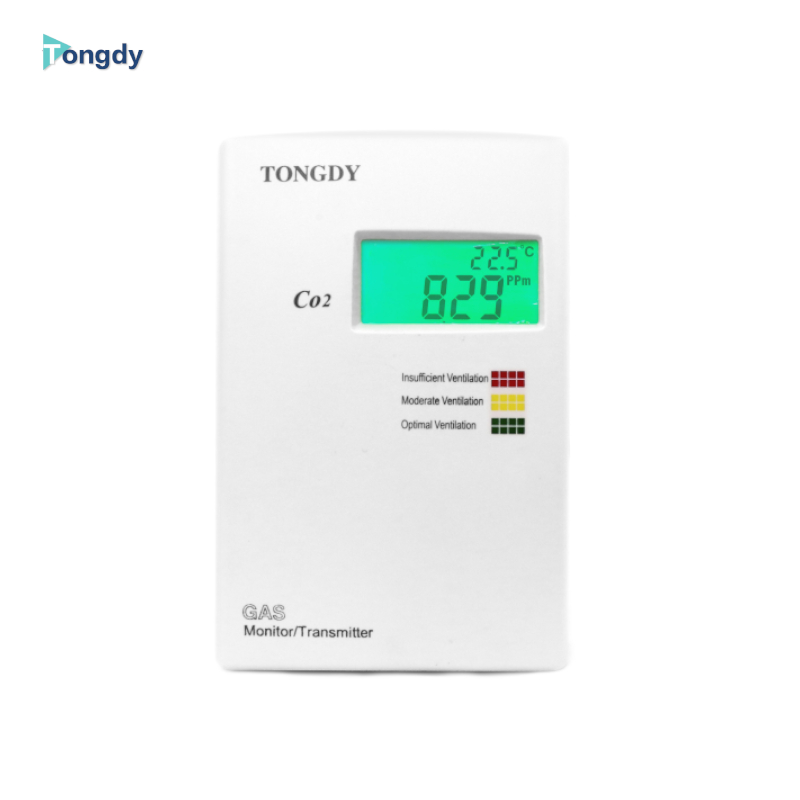
- Carbon Dioxide ($CO_2$): Measured via dual-beam NDIR sensors to dynamically quantify human respiration intensity and dictate fresh-air damper opening percentages.
- Particulate Matter ($PM_{2.5} / PM_{10}$): High-precision laser scattering detection to trigger fresh-air filtration units when ambient dust, smoke, or pollen surges occur.
- Total Volatile Organic Compounds (TVOC): Metal-oxide semiconductor (MOS) technology detecting off-gassing from building materials, cleaning chemical fumes, and organic solvents.
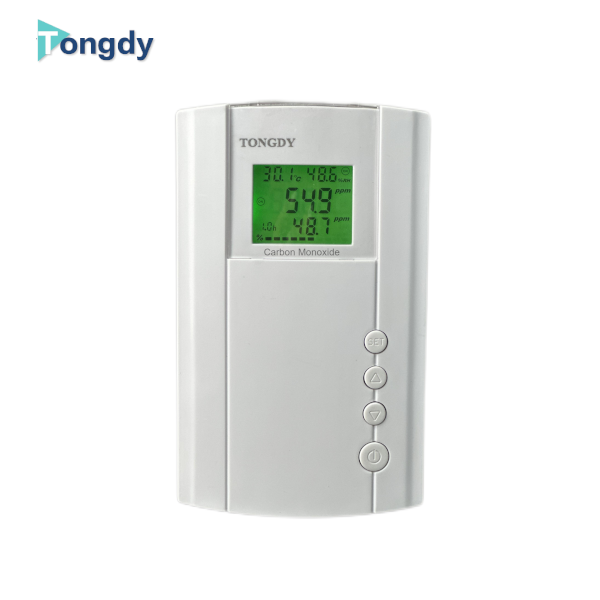
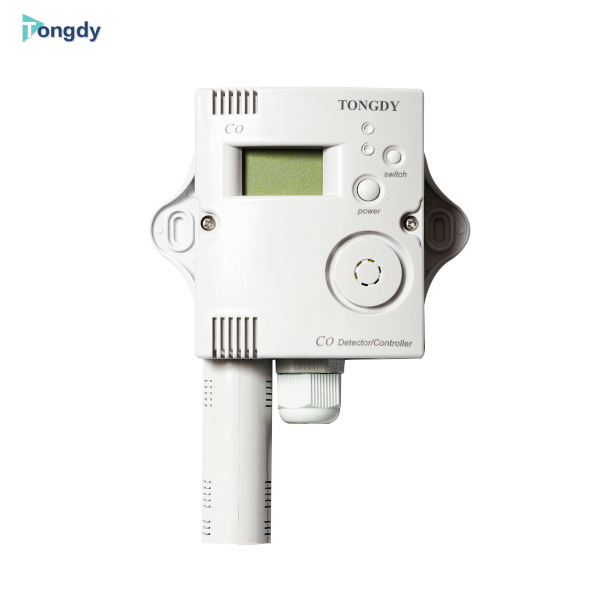
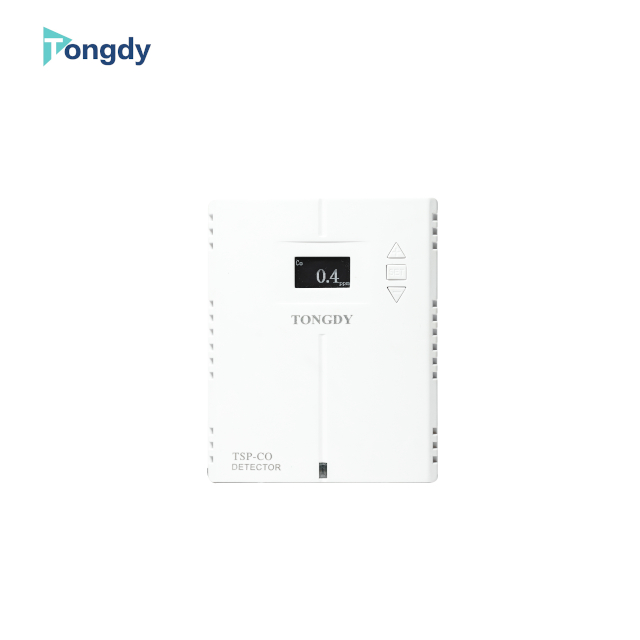
- Carbon Monoxide ($CO$): Electrochemical sensing vital for underground parking garages, boiler rooms, and industrial fresh-air supply safety interlocks.
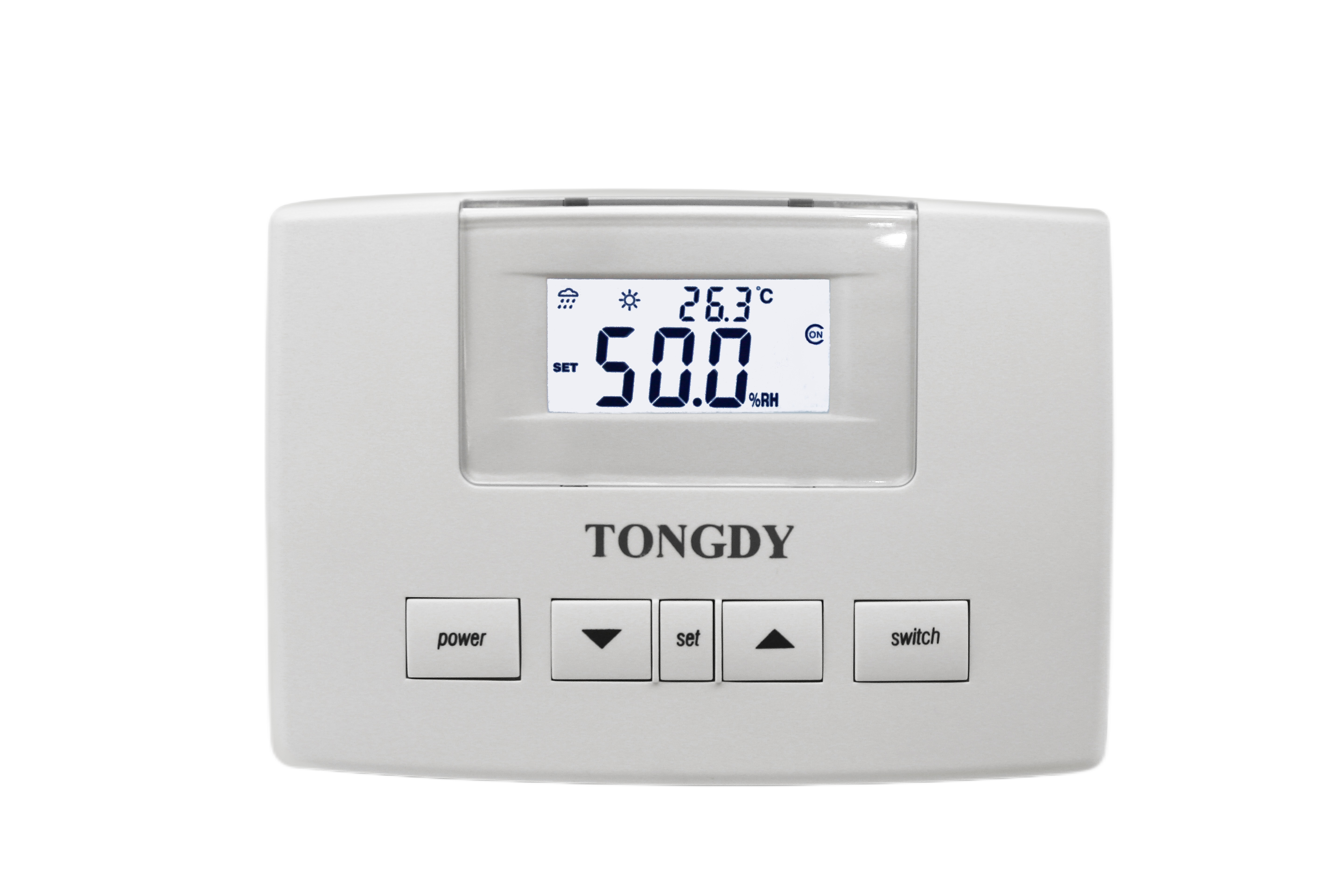
- Temperature & Relative Humidity (T/RH): High-accuracy CMOS capacitive sensors providing dew-point compensation, preventing mold formation and enthalpy control in ERV systems.
Control & Communication Protocols
To effectively actuate fresh-air system dampers, EC fans, and variable air volume (VAV) boxes, multi-sensor detectors utilize dual interface channels:
- Direct Proportional Signal Outputs: Linear 0-10VDC, 2-10VDC, or 4-20mA analog control outputs connected directly to fresh-air actuators for standalone closed-loop control.
- Digital Network Bus Integration: RS-485 interfaces utilizing open-protocol BACnet MS/TP or Modbus RTU for centralized master-slave polling in large-scale Building Automation Systems (BAS).
- Cloud & IoT Connectivity: Optional Wi-Fi, Ethernet RJ45, or LoRaWAN communication connecting directly to cloud data platforms for real-time visualization and remote diagnostics.
In-Depth Application Scenarios for Fresh-Air System Control
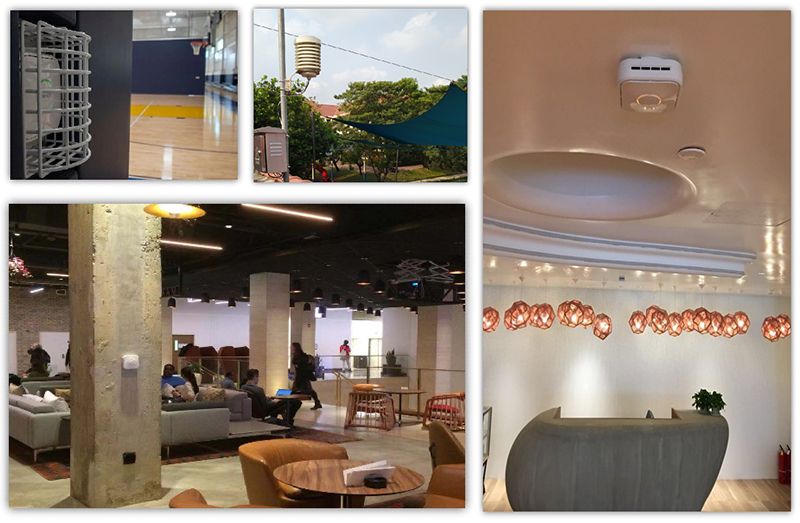
The versatile configuration of modern multi-sensor IAQ controllers allows them to be deployed across a wide spectrum of commercial, industrial, institutional, and high-end residential applications. Below is an in-depth breakdown of how multi-sensor detectors optimize fresh-air ventilation in real-world scenarios:
1. Commercial Office Towers & Corporate HQs
High-density open offices experience massive fluctuations in occupancy throughout the workday. Multi-sensor detectors installed in return-air ducts or representative wall zones monitor $CO_2$ and TVOC surges during meetings. When levels exceed preset thresholds (e.g., 800 ppm $CO_2$), the detector signals the fresh-air handler to step up fan speeds, ensuring optimal cognitive performance and preventing afternoon fatigue.
2. Educational Institutions & Universities
Classrooms and lecture halls require rapid fresh-air displacement without causing acoustic noise interference. By employing programmable multi-sensor controllers with 3-color visual displays and silent BACnet communication, school facilities can maintain indoor air quality within strict healthy parameters, reducing student absenteeism and satisfying national educational ventilation codes.
3. Underground Garages & Logistics Hubs
Enclosed vehicle parking structures present lethal risks from Carbon Monoxide ($CO$) and combustion pollutants. Multi-sensor CO detectors continuously measure gas concentrations and automatically trigger high-capacity exhaust and fresh-air intake fans only when thresholds are breached, preventing massive energy wastage from continuous fan operation.
4. Healthcare Facilities & Cleanrooms
In hospital wards, clinics, and cleanroom buffer areas, air purity and moisture control are critical to preventing airborne pathogen transmission and mold contamination. Multi-sensor detectors incorporating humidity, particulate counters, and pressure differential inputs ensure fresh-air purifiers operate under precise positive or negative pressure regimes.
5. Luxury Hotels & Hospitality Venues
Guest satisfaction relies on whisper-quiet comfort and pristine indoor air free from odors, formaldehyde from new furnishings, or stale moisture. Compact multi-sensor room units seamlessly integrate with hotel guest room management systems (GRMS) to adjust dedicated outdoor air systems (DOAS) automatically.
6. High-End Residential Smart Homes
Modern airtight residential buildings require continuous fresh-air circulation to avoid humidity buildup and radon/VOC concentration. Multi-sensor wall monitors act as the user display and main controller for Energy Recovery Ventilators (ERV), modulating heat exchange bypass valves according to outdoor/indoor enthalpy differentials.
About Tongdy Sensing Technology Corporation
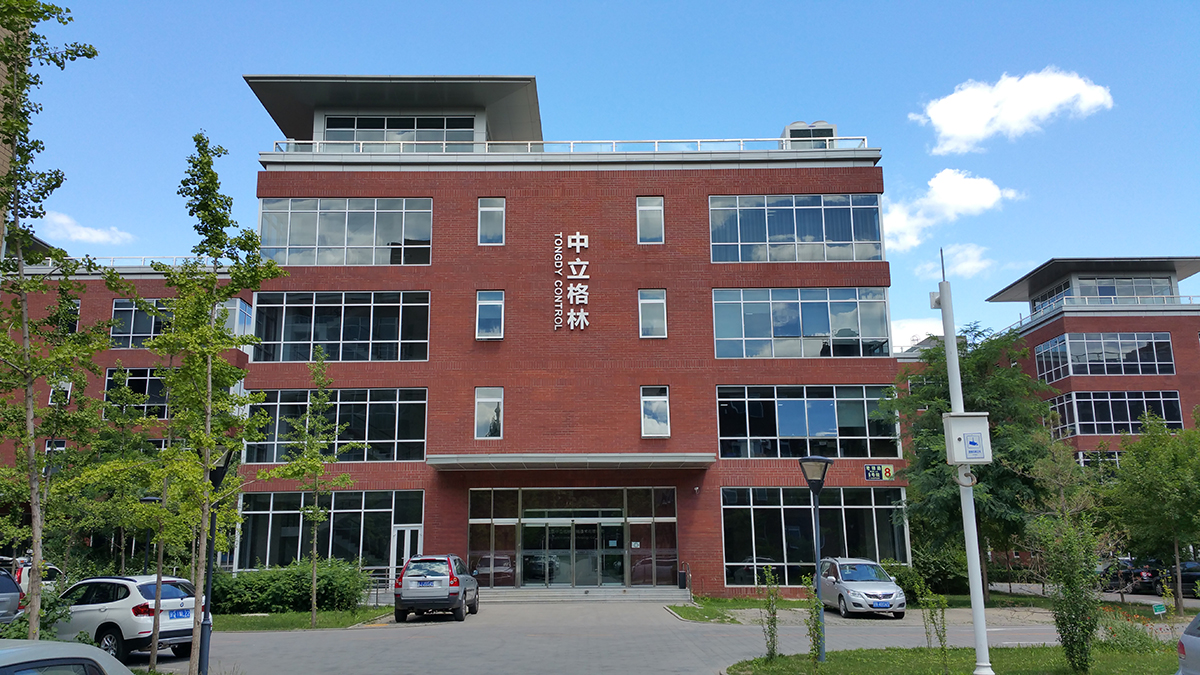
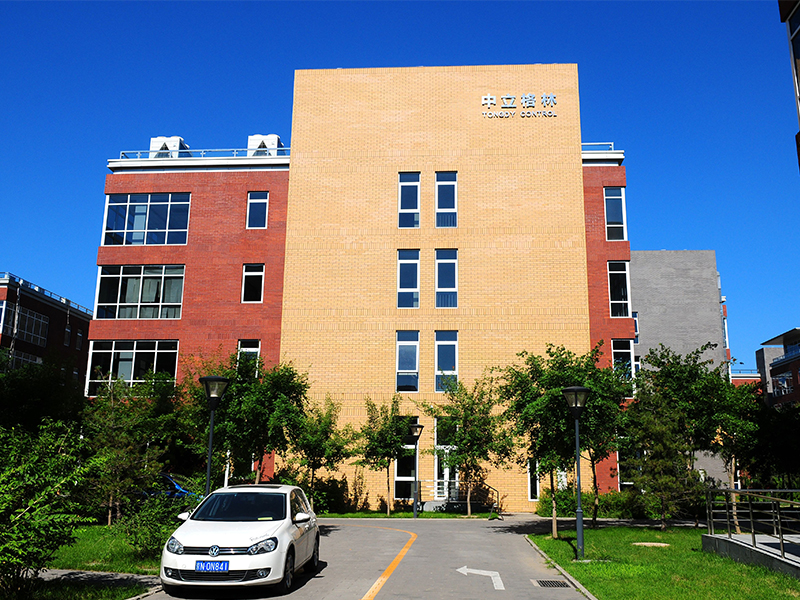
Help you build and maintain a healthy indoor environment. Our work makes a difference in helping you make the healthy indoor air quality. As one of the earliest companies in China engaged in air quality monitoring products, Tongdy has been always focusing on its strong technology development and design capabilities on indoor air quality monitors.
About Tongdy
Focus on air quality detection and control over 15 years
We foster research and development on obtaining accurate air quality data, help you well understand and improve the air you breathe by quantitative assessment and data analysis.
For pursuing our ultimate purpose of creating healthy indoor air quality, we’re committed to obtain real and accurate data and cultivating the next generation of innovators in technology and engineering.
Corporate Mission: Continuous R&D investment and strict quality control guarantee reliable, real-time environmental insights for smart building managers worldwide.

Social Responsibility
Tongdy actively develops air quality monitors and is devoted in healthy indoor air quality, and strive to become an excellent enterprise model.
As a corporate citizen, Tongdy has contributed to public welfare undertakings such as cooperate with public benefit corporation, like WELL—the world’s leading organization focused on deploying people first places to advance a global culture of health, especially exploring the impact of indoor air quality to people’s health based on The WELL Building Standard™.
Certificates and Honor
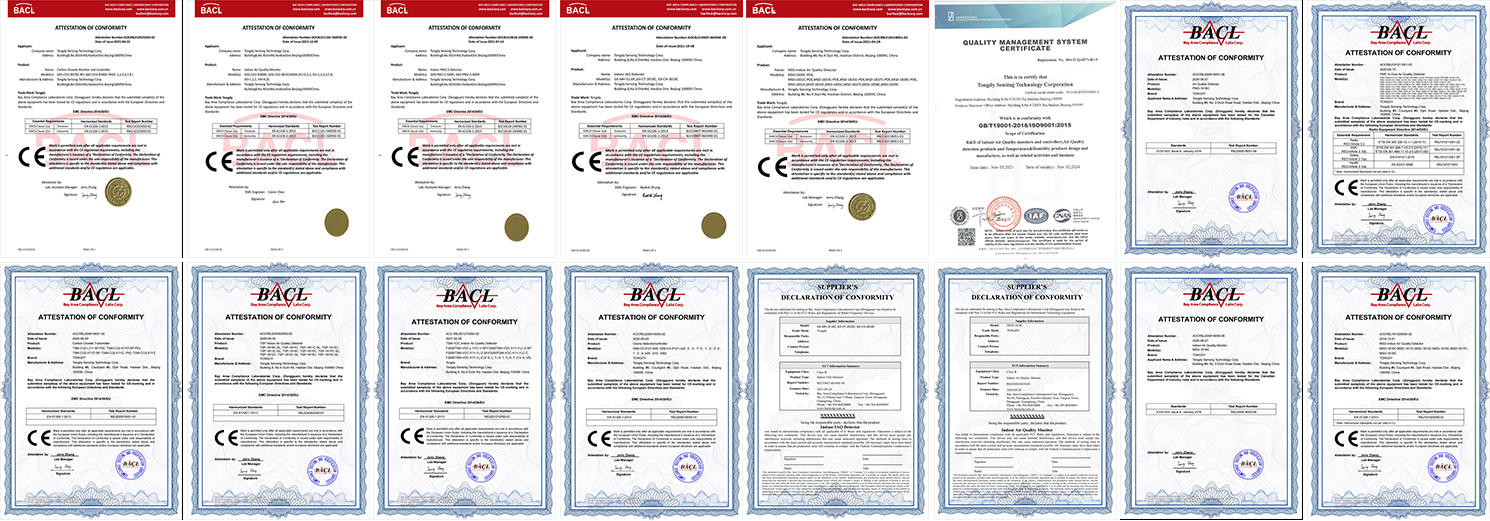
Rigorous international compliance, ISO standards, CE certifications, and green building performance testings validate Tongdy's leadership in air sensing technology.
Our Core Values & Engineering Advantages
Exclusive Innovative Calibration Algorithm
Proprietary technology and effective calibration methods support higher data accuracy across varying environmental temperatures and humidity levels.
Unique Professional Multi-Sensor Module
Specialized multi-sensor modules engineered with sealed cast-aluminum structures housing up to six high-precision sensors within a single unit.
Continuous R&D Investment & Quality Control
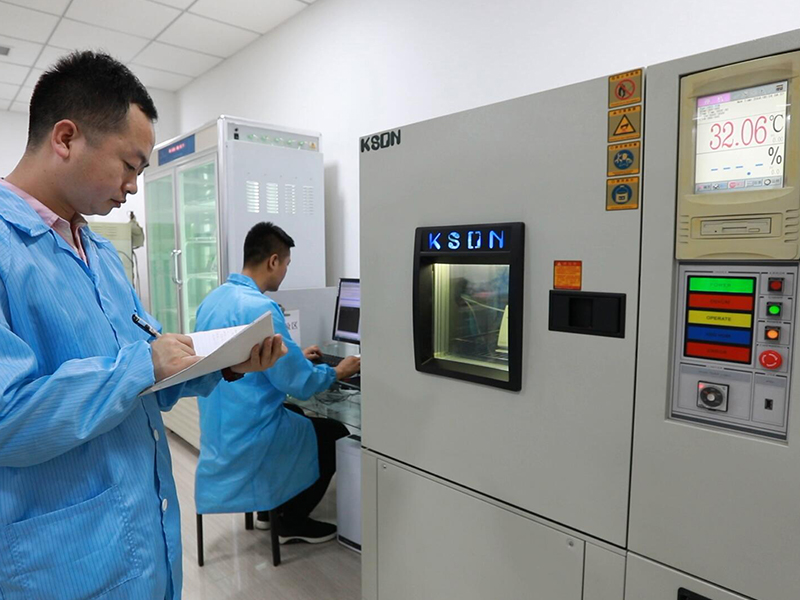
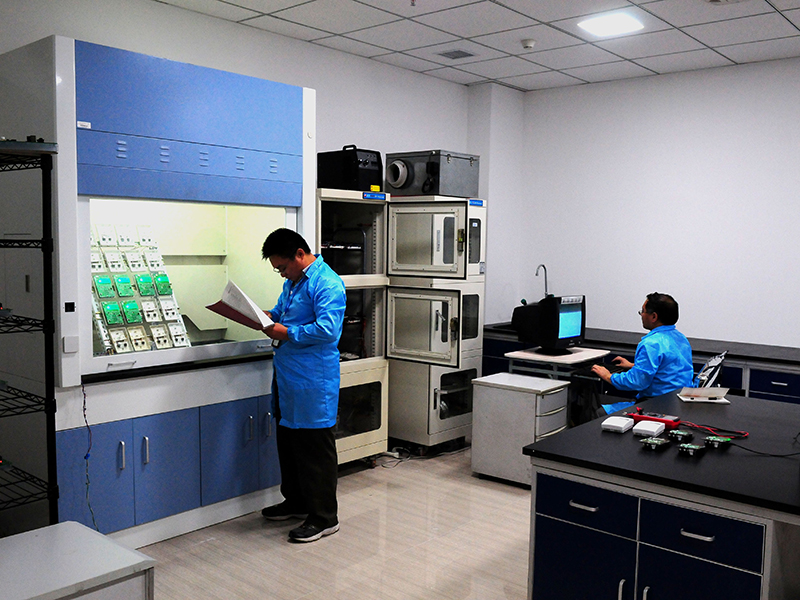
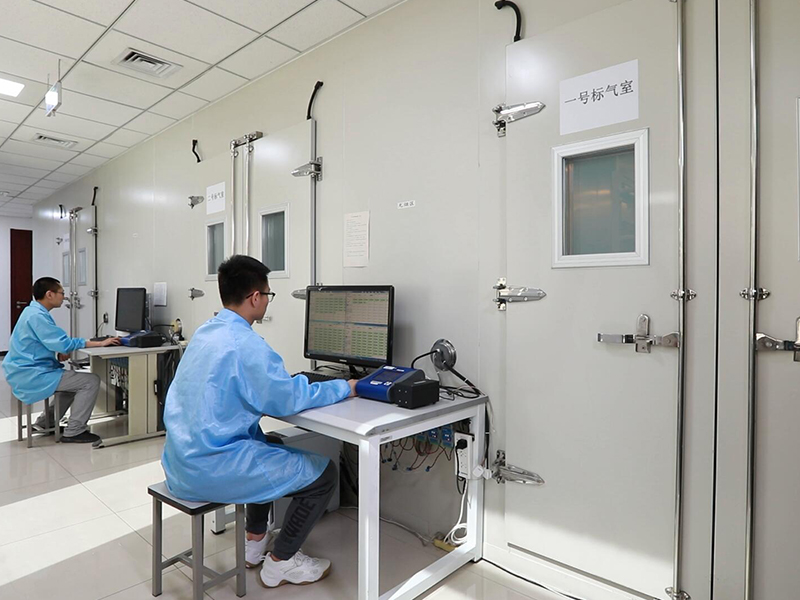
Tongdy-owned facilities with substantial ongoing investment in research and development guarantee long-term product reliability and technology innovation.
Real-Time Monitoring & Historical Data Analysis
The proprietary "MyTongdy" platform facilitates real-time reading, cloud storage, and predictive trend analysis on PC or mobile interfaces.
The Expert of Indoor Air Quality Data
Over 15 to 20+ years of dedicated IAQ expertise provides commercially validated accurate data to empower health-centered indoor space design.
Custom OEM / ODM Solutions
Flexible hardware configurations, custom communication protocols, and fast-turnaround delivery tailored to client-specific HVAC & BMS needs.
Future Trends in Multi-Sensor Fresh-Air System Control
As commercial real estate moves toward carbon neutrality and smart-grid integration, the role of multi-sensor air quality detectors is evolving from passive thresholds to AI-driven predictive control. The next generation of fresh-air control systems leverages edge computing, machine learning, and Internet-of-Things (IoT) cloud platforms:
1. AI & Machine Learning Predictive Ventilation
Modern multi-sensor detectors feed real-time environmental data into AI algorithms that analyze historical occupancy patterns, ambient outdoor weather forecasts, and electricity tariff structures. By predicting peak occupant arrival hours, the fresh-air system can pre-purge indoor spaces during off-peak energy rate windows, drastically lowering operational expenses while maintaining flawless indoor air metrics.
2. Integration with Net-Zero & Decarbonization Targets
HVAC systems account for over 40% of total commercial building energy consumption. Optimizing fresh-air intake through precise multi-sensor demand-controlled ventilation (DCV) directly lowers building Scope 2 greenhouse gas emissions. Real-time data streams provide verified proof of decarbonization efforts for corporate ESG reporting and green building re-certification.
Complete Range of Indoor Air Quality Monitors & Controllers
Browse Tongdy's comprehensive suite of single-gas and multi-sensor controllers, designed for HVAC automation, carbon monoxide safety monitoring, NDIR carbon dioxide sensing, and green building compliance.