

Featured Smart Air Quality Monitors & Detectors
Engineered for high accuracy, seamless BMS integration, and international green building compliance
The Evolution of Indoor Pollutant Detection in Modern Buildings
From passive ventilation oversight to AI-driven continuous environmental monitoring
In modern architectural design and smart facility management, the deployment of a dedicated Indoor Air Quality Monitoring System for Indoor Pollutant Detection has evolved from an optional amenity into a mission-critical infrastructure requirement. Modern humans spend more than 90% of their lives in enclosed spaces—commercial offices, educational centers, healthcare institutions, and residential developments. Unseen airborne pollutants such as Carbon Monoxide (CO), Carbon Dioxide (CO2), Total Volatile Organic Compounds (TVOC), Formaldehyde (HCHO), Particulate Matter (PM2.5, PM10), and Ozone (O3) accumulate rapidly within well-insulated, energy-efficient building envelopes.
Without precise, real-time pollutant quantification, indoor spaces develop "Sick Building Syndrome" (SBS), leading to degraded occupant cognitive performance, increased absenteeism, chronic respiratory issues, and severe health liabilities. Continuous multi-parameter IAQ monitoring bridges the gap between environmental health and operational sustainability, transforming passive architectural assets into proactive, healthy, and intelligent ecosystems.
Continuous Pollutant Surveillance
Real-time continuous measurement of gaseous chemicals and microscopic airborne particulates eliminates blind spots caused by periodic manual testing, ensuring instantaneous hazard detection.
Automated HVAC & DCV Integration
Seamlessly interfaces with Building Management Systems (BMS) via Modbus, BACnet, and LoRaWAN to trigger Demand-Controlled Ventilation (DCV), reducing HVAC energy waste by up to 35%.
Green Standard Compliance
Fully compliant with international environmental and building certifications including the WELL Building Standard™, LEED, RESET Air, ASHRAE 62.1, and OSHA workplace standards.
Target Contaminants & Precision Detection Methodologies
High-sensitivity sensing principles engineered to quantify hazardous indoor airborne vectors
A high-performance indoor pollutant detection system must deploy specialized sensing mechanisms tailored to the physical and chemical characteristics of specific contaminants. Below is an engineering overview of the core indoor parameters monitored by Tongdy's commercial-grade instrumentation:
| Target Pollutant / Parameter | Primary Sensing Principle | Common Indoor Sources | Health & Environmental Impact | Standard Target Thresholds |
|---|---|---|---|---|
| Carbon Dioxide (CO2) | Dual-Beam NDIR (Non-Dispersive Infrared) | Human respiration, inadequate fresh air exchange | Drowsiness, cognitive decline, fatigue, headache | < 800 - 1,000 ppm |
| Carbon Monoxide (CO) | High-Precision Electrochemical Cell | Underground parking, incomplete fuel combustion, boilers | Asphyxiation risk, tissue hypoxia, severe poisoning | < 9 ppm (8h TWA), < 25 ppm peak |
| Total Volatile Organic Compounds (TVOC) | Metal Oxide Semiconductor (MOS) / PID | Paints, adhesives, cleaning agents, office furnishings | Mucous membrane irritation, headaches, liver/kidney strain | < 300 - 500 μg/m³ |
| Particulate Matter (PM2.5 / PM10) | Laser Light Scattering Particle Counter | Outdoor ingress, smoking, printers, dust, cooking | Deep pulmonary penetration, asthma, cardiovascular strain | PM2.5 < 15 μg/m³ (annual avg) |
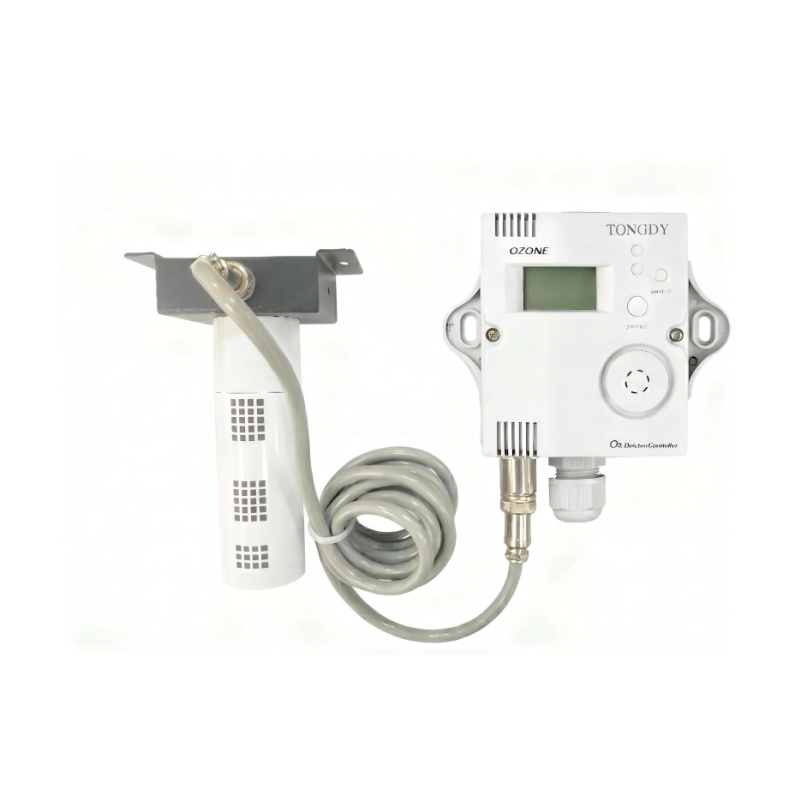
| Ozone (O3) | Electrochemical / UV Absorption | Laser printers, photocopiers, air purifiers, outdoor smog | Airway inflammation, lung function reduction, coughing | < 0.05 - 0.10 ppm |
| Temperature & Relative Humidity (T/RH) | Capacitive Polymer & Bandgap Sensor | HVAC operation, weather, occupancy dynamics | Mold proliferation, virus survivability, thermal discomfort | 20°C - 24°C / 40% - 60% RH |
Commercial & Industrial Application Scenarios
Deploying specialized gas detection and environmental controllers across diverse environments
1. Commercial Smart Offices & Corporate Headquarters
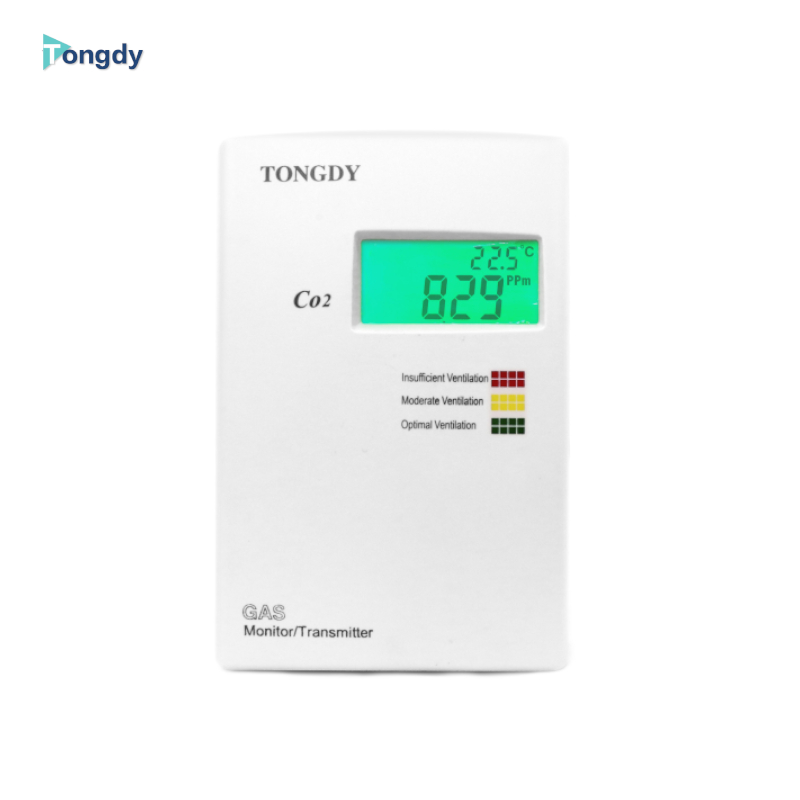
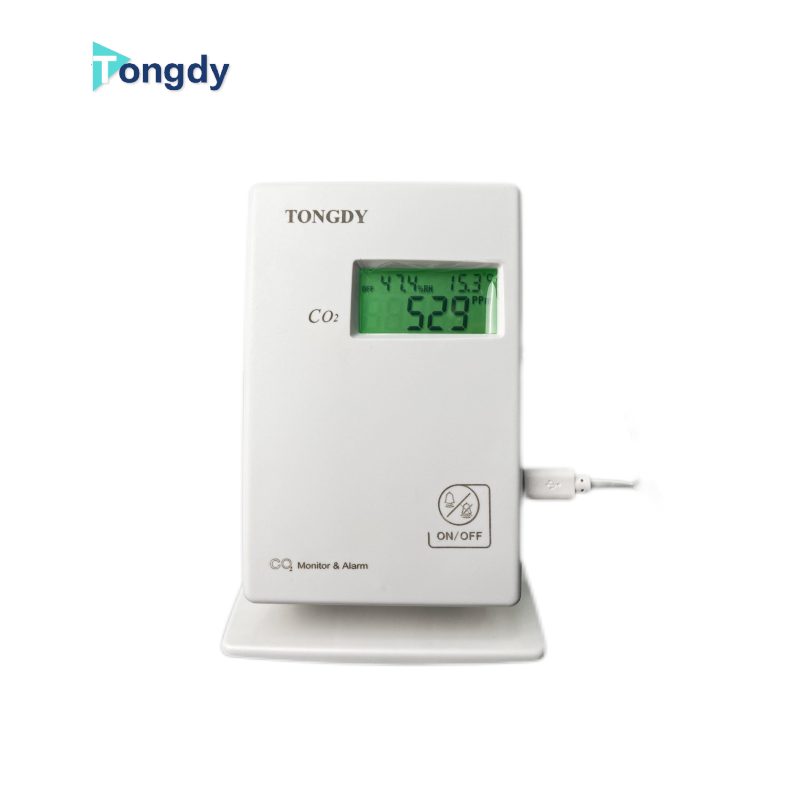
Modern corporate offices demand dynamic fresh air control based on exact occupancy levels. Using Tongdy's TSP-1836 CO2 Monitor and multi-sensor units, building automation controllers adjust Variable Air Volume (VAV) dampers in real time. When conference room CO2 levels spike during high-density meetings, fresh air intake ramps up automatically, preserving employee cognitive acuity while preventing unnecessary HVAC cooling and heating loss when rooms sit vacant.
2. Underground Parking Facilities & Transit Hubs
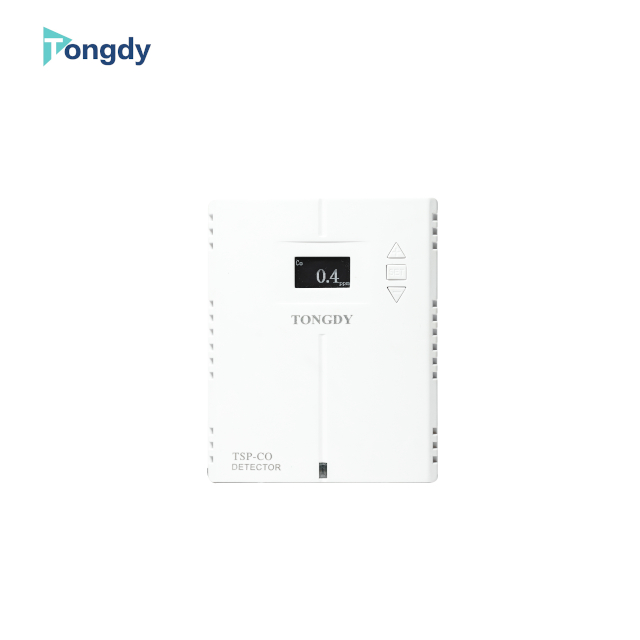
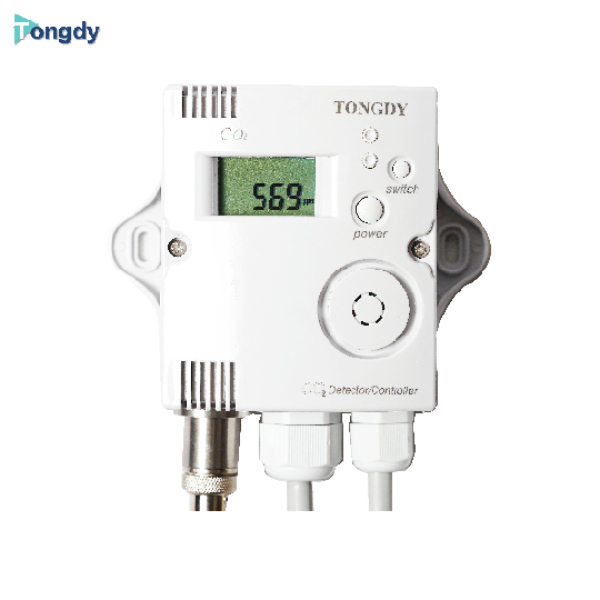
Enclosed subterranean garages are prone to toxic accumulations of Carbon Monoxide emitted from vehicle exhaust. Deploying the Carbon Monoxide Monitor with Split Sensor Probes allows facility operators to trigger exhaust ventilation fans only when gas concentrations exceed safety limits. This eliminates 24/7 continuous exhaust fan operation, slashing municipal electrical utility expenses by up to 60% while maintaining life-safety compliance.

3. Controlled Environment Agriculture (CEA) & Greenhouses
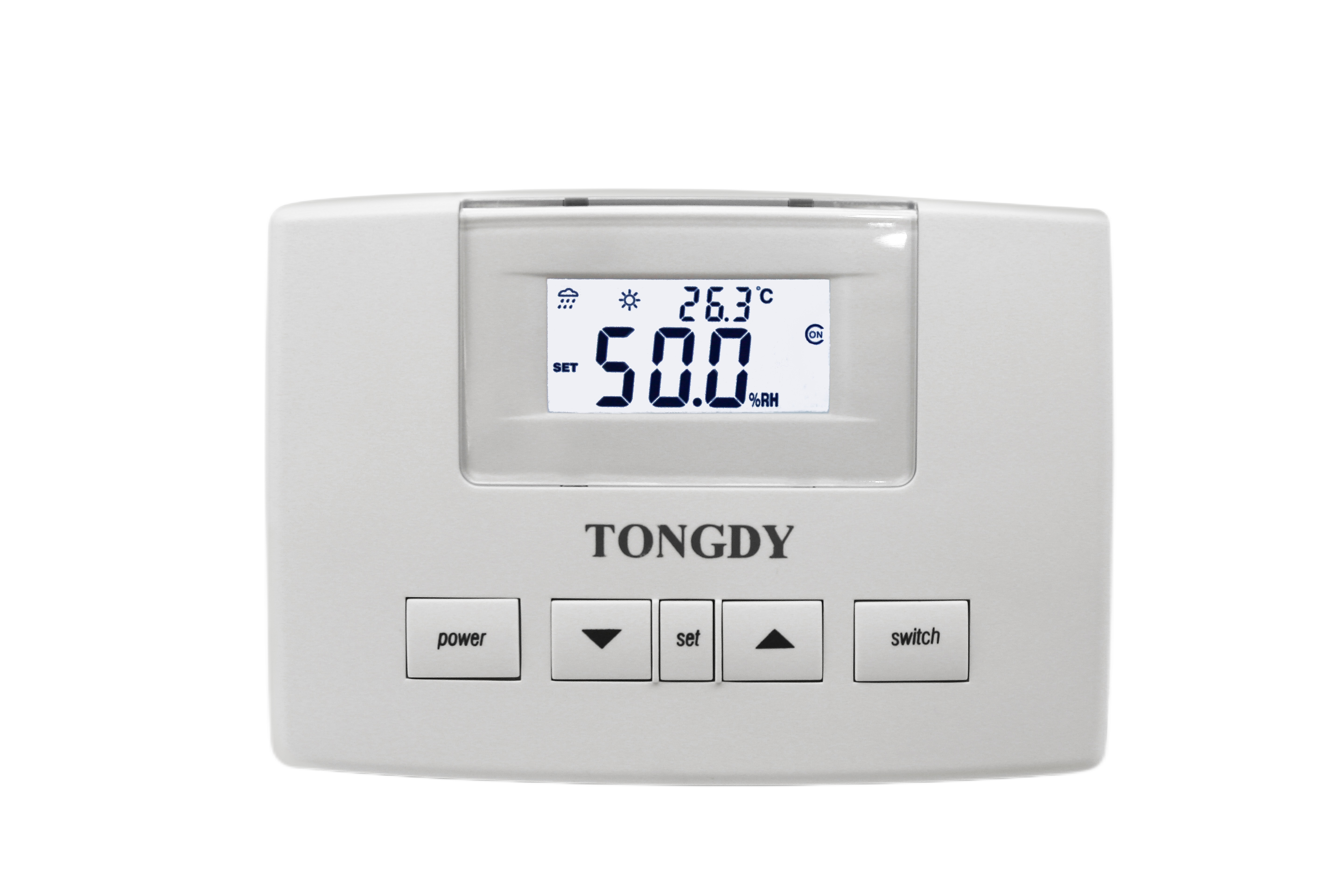
In high-tech commercial greenhouses and indoor vertical farms, Carbon Dioxide is a primary catalyst for photosynthesis. The TKG-CO2-1010D-PP Plug-and-Play Controller provides closed-loop control of CO2 generators or compressed gas release valves, maintaining exact enrichment bands (typically 1,000 to 1,500 ppm) to maximize crop biomass output while monitoring ambient temperature and humidity for pathogen deterrence.
4. Healthcare, Cleanrooms & Educational Campuses
Hospitals, research laboratories, and schools require stringent environmental boundaries. Multi-gas monitoring detects trace chemical solvent outgassing, sterilizer ozone residues, and particulate contamination. In schools, preventing CO2 and PM2.5 buildup directly correlates with reduced student lethargy, heightened academic retention, and lower viral transmission risks.
Smart Building IoT Architecture & Data Analytics
End-to-end edge-to-cloud topology enabling predictive maintenance and intelligent automation
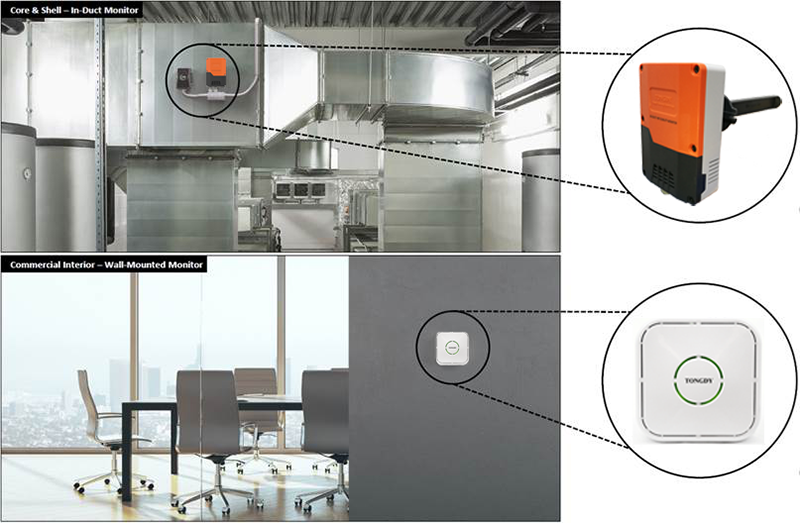
A state-of-the-art Indoor Air Quality Monitoring System does not exist in isolation; it functions as the central sensory cortex for next-generation Building Management Systems (BMS), Building Automation Systems (BAS), and cloud-native ESG reporting dashboards. By leveraging standardized industrial communication protocols, hardware monitors seamlessly stream environmental telemetry to edge controllers and enterprise analytical suites.
Industrial Fieldbus (RS485 Modbus / BACnet)
Hardwired serial interfaces with galvanic isolation guarantee noise-free data transport across long commercial cable runs, seamlessly integrating directly into Honeywell, Siemens, Johnson Controls, and Schneider BMS controllers.
Wireless IoT Connectivity (LoRaWAN / Wi-Fi)
Ultra-long-range wireless transmission enables non-invasive retrofit installations in historic buildings and expansive facilities without disruptive drywall routing or complex conduit installation.
MyTongdy Cloud & Edge Analytics
The centralized cloud analytics engine aggregates multi-point telemetry, generating automated compliance reports, heatmaps, predictive air quality forecasting, and sensor drift compensation algorithms.
About Tongdy Sensing Technology Corporation
Help you build and maintain a healthy indoor environment through precision sensing innovation
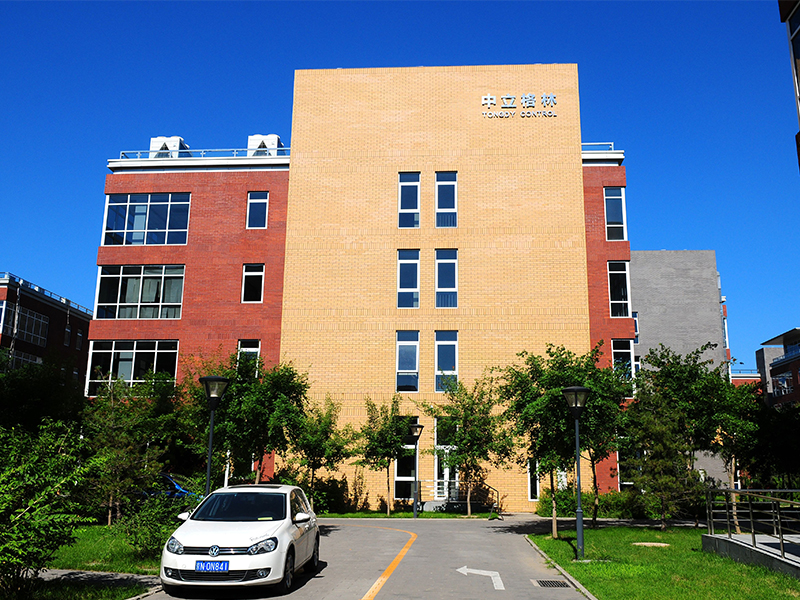
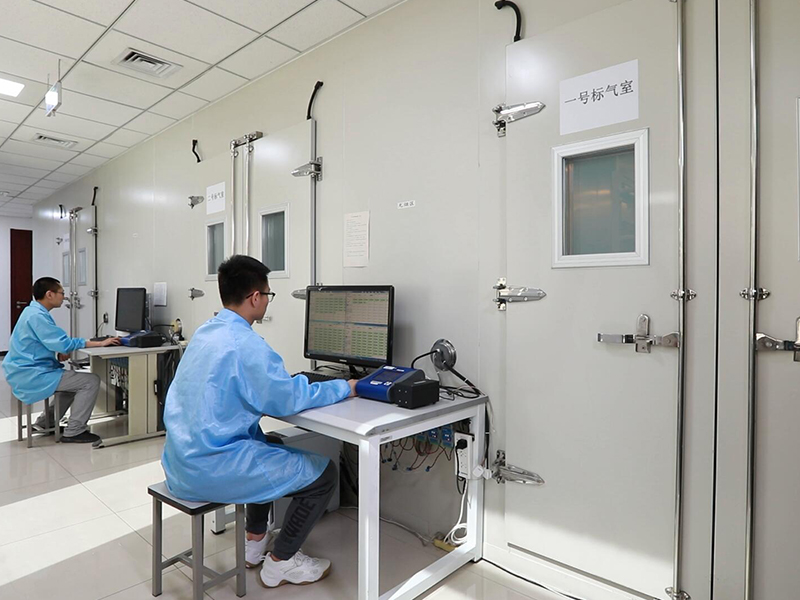
Our work makes a difference in helping you make the healthy indoor air quality. As one of the earliest companies in China engaged in air quality monitoring products, Tongdy has been always focusing on its strong technology development and design capabilities on the indoor air quality monitors.
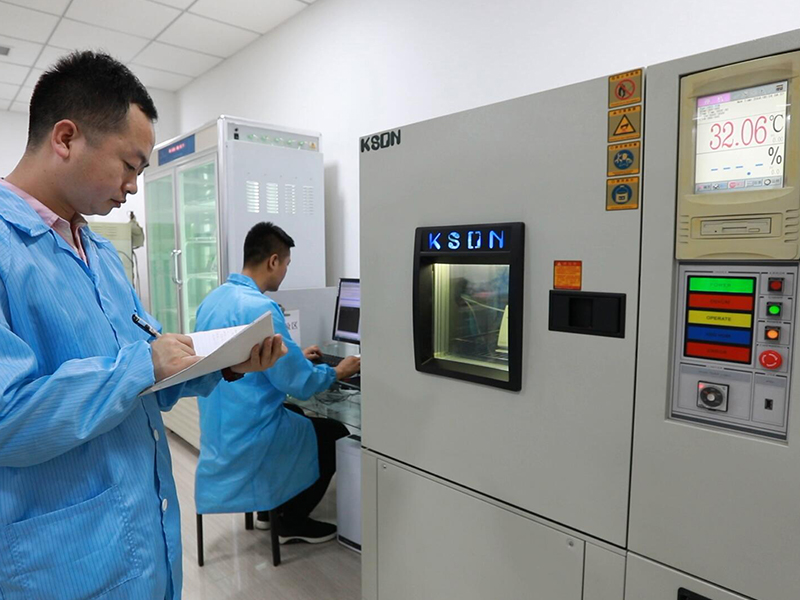
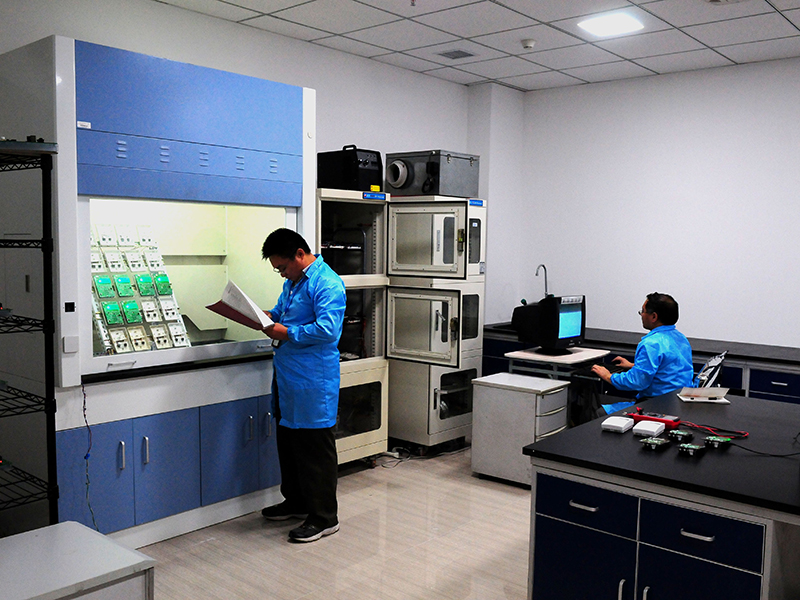
Focus on air quality detection and control over 15 years: We foster research and development on obtaining accurate air quality data, helping you well understand and improve the air you breathe by quantitative assessment and data analysis. For pursuing our ultimate purpose of creating healthy indoor air quality, we're committed to obtain real and accurate data and cultivating the next generation of innovators in technology and engineering.
Social Responsibility & Corporate Citizenship
Tongdy actively develops air quality monitors and is devoted in healthy indoor air quality, striving to become an excellent enterprise model. As a corporate citizen, Tongdy has contributed to public welfare undertakings such as cooperating with public benefit corporations like WELL—the world's leading organization focused on deploying people-first places to advance a global culture of health, especially exploring the impact of indoor air quality to people's health based on The WELL Building Standard™.
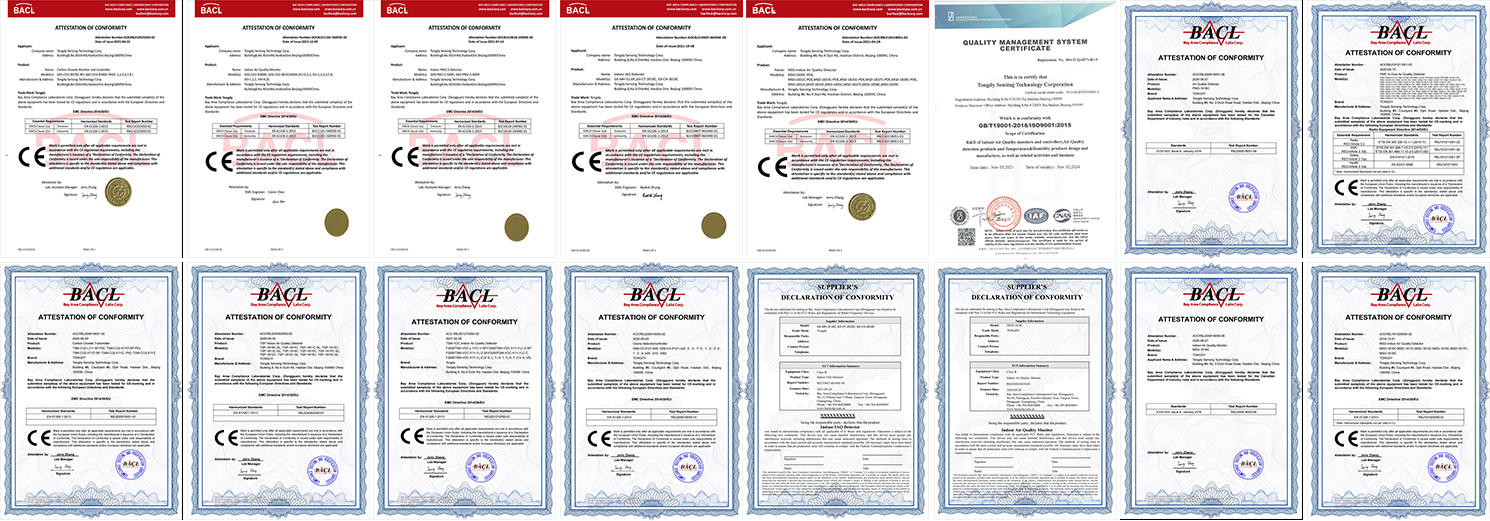
Certificates and Honor
Internationally certified engineering excellence, patent portfolios, and accredited quality management
Our Core Technological Values
Continuous innovation in sensor physics, multi-gas calibration, and intelligent data architecture
Exclusive Innovative Calibration Algorithm
Proprietary technology and effective calibration methods support higher data accuracy across diverse environmental extremes.
Unique Professional Multi-Sensor Module
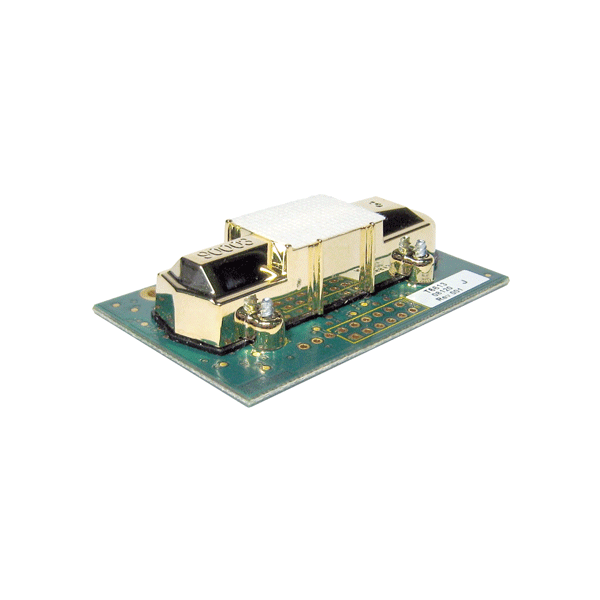
Special multi-sensor module engineered with sealed cast aluminum structure accommodating up to six sensors internally.
Continuous R&D and Quality Control
Tongdy-owned facilities with substantial research investment guarantee top-tier product reliability, consistency, and innovation.
Real-Time Data & Historical Analytics
"MyTongdy" Platform enables comprehensive air quality reading, trend visualization, and analytics on PC and mobile devices.
The Expert of Indoor Air Quality Data
Over 15 years of IAQ domain expertise delivers commercial-grade data to drive health-centered, energy-smart indoor spaces.
Why Choose Tongdy Solutions
Industry-leading manufacturing, customizable architectures, and two decades of field-proven durability
20+ Years of Expertise in IAQ & HVAC Solutions
Trusted globally by engineering clients for high-quality products and professional support, fully compliant with international Green Building standards.
100+ Monitoring and Control Products
Over 100 commercial-grade monitors and controllers, including CO2, single-gas, and multi-sensor configurations for HVAC, BMS, and building automation.
Reliable and Accurate Actionable Data
Providing facility directors and smart building managers with verified, real-time data to make informed HVAC modulation decisions.
Tailored to Your Specific Project Needs
Flexible modular hardware, deep engineering expertise, and rapid delivery enable cost-effective OEM/ODM customized gas detection solutions.
Complete Indoor Air Quality Detection & Controller Portfolio
Comprehensive sensing solutions covering single-gas, multi-parameter, OEM modules, and smart data loggers
Engineering Best Practices for IAQ Sensor Deployment
Maximizing measurement representativeness and long-term instrument stability
To ensure high data fidelity in compliance with RESET Air, WELL, and ASHRAE guidelines, proper physical placement of indoor pollutant monitors is vital:
1. Breathing Zone Elevation: Wall-mounted monitors should be positioned between 1.1 meters and 1.7 meters (3.6 to 5.6 feet) above the finished floor level to accurately reflect the air volume inhaled by seated and standing occupants.
2. Avoid Direct Microclimates: Never position sensors directly beside open exterior windows, directly within the primary discharge stream of supply air diffusers, or adjacent to high-heat equipment, as artificial air velocity and thermal drafts skew relative humidity, particle dispersion, and gas concentrations.
3. Spatial Density Calculations: For open-plan office spaces, standard practice dictates installing one multi-sensor monitor per 250 to 500 square meters. For enclosed conference rooms, high-density auditoriums, and cleanrooms, dedicated independent monitoring per thermal zone ensures responsive Demand-Controlled Ventilation.