
Featured Ventilation System Measurement Devices
High-precision sensors engineered for air handling units (AHU), duct measurements, and smart HVAC integration.
Commercial & Industrial Landscape of IAQ in Ventilation Systems
Transforming passive HVAC infrastructure into dynamic, data-driven indoor environmental quality management.
In modern architecture, commercial real estate, and industrial manufacturing, heating, ventilation, and air conditioning (HVAC) systems are no longer treated merely as thermal comfort regulators. Today, they serve as the vital respiratory network of modern facilities. Integrating a reliable Indoor Air Quality Monitor For Ventilation System Measurement has emerged as an essential baseline requirement across international building operational standards.
Driven by strict post-pandemic health protocols, corporate Environmental, Social, and Governance (ESG) mandates, and rising energy costs, commercial building operators are facing a dual challenge: ensuring healthy indoor breathability while minimizing HVAC energy consumption. Traditional HVAC ventilation strategies operated on fixed time schedules or static volumetric flow rates, which frequently resulted in either severe over-ventilation—wasting megawatts of thermal and electrical energy—or under-ventilation, leading to Sick Building Syndrome (SBS), cognitive fatigue, and high absenteeism.
The global market for IAQ transmitters and duct-mounted air quality detectors is experiencing unprecedented expansion. Modern smart buildings leverage real-time continuous monitoring of Carbon Dioxide (CO2), Fine Particulate Matter (PM2.5 / PM10), Total Volatile Organic Compounds (TVOC), Formaldehyde (HCHO), Ozone (O3), relative humidity, and temperature. By placing robust, calibrated indoor air quality monitoring instruments directly into supply ducts, return air plenums, and occupied spaces, HVAC systems can dynamically adjust outdoor fresh air intake based on real-time occupancy load and contaminant thresholds—a process recognized worldwide as Demand Controlled Ventilation (DCV).
Demand Controlled Ventilation (DCV)
Dynamic modulation of fresh air dampers and variable air volume (VAV) boxes driven by real-time CO2 and particulate concentrations reduces HVAC fan and cooling energy consumption by 20% to 40%.
Green Building Compliance
Continuous measurement hardware satisfies strict prerequisites and earns performance points under WELL Building Standard™, RESET Air, LEED v4.1, and BREEAM certifications.
Occupant Health & Productivity
Maintaining indoor CO2 below 800 ppm and PM2.5 below 12 µg/m³ directly correlates with elevated cognitive performance, lower viral transmission risks, and superior occupant comfort.
Technical Architecture & Measurement Technologies for Air Ducts
Engineering precision measurement instruments designed to withstand airflow turbulence, static pressure, and environmental variance.
Deploying air quality monitors within ventilation ducts presents unique engineering requirements compared to wall-mounted ambient monitors. Duct sensors operate in environments characterized by high velocity airflow, static pressure fluctuations, thermal differentials, and particulate accumulation. Achieving consistent long-term monitoring accuracy demands specialized sensor module design, advanced aerodynamic sampling probes, and robust self-calibration algorithms.
Key Target Contaminants & Measurement Technologies:
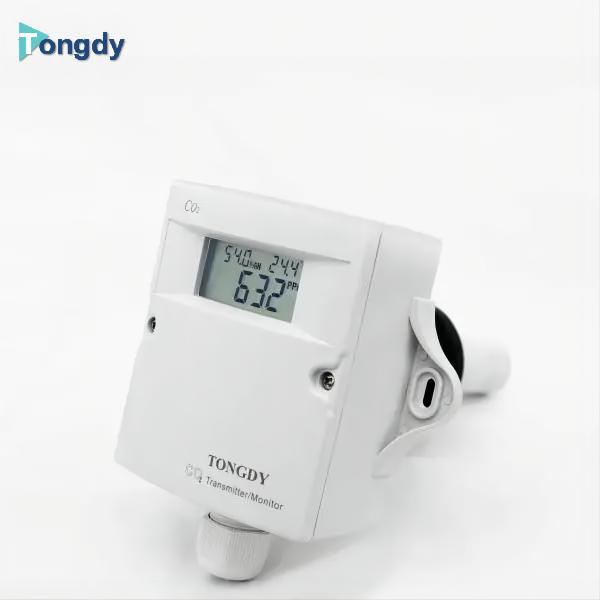
1. Carbon Dioxide (CO2) Measurement via NDIR: NDIR (Non-Dispersive Infrared) sensors with dual-beam or automatic baseline calibration (ABC) serve as the primary proxy for human occupancy in ventilation measurement. In-duct CO2 transmitters trigger fresh air dampers when carbon dioxide concentration exceeds pre-set thresholds (e.g., 800–1000 ppm).
2. Air Particulate Meters (PM2.5 / PM10): Laser scattering optical particle counters measured inside ventilation return ducts or downstream of filtration banks (MERV 13 / HEPA filters) evaluate filter efficiency and detect particulate infiltration from outdoor air pollution.
3. Volatile Organic Compounds (TVOC) & Off-Gassing: Metal Oxide Semiconductor (MOS) and Photoionization Detectors (PID) track chemical off-gassing from building materials, cleaning agents, and industrial processes, signaling the ventilation control system to flush the facility with outdoor fresh air.
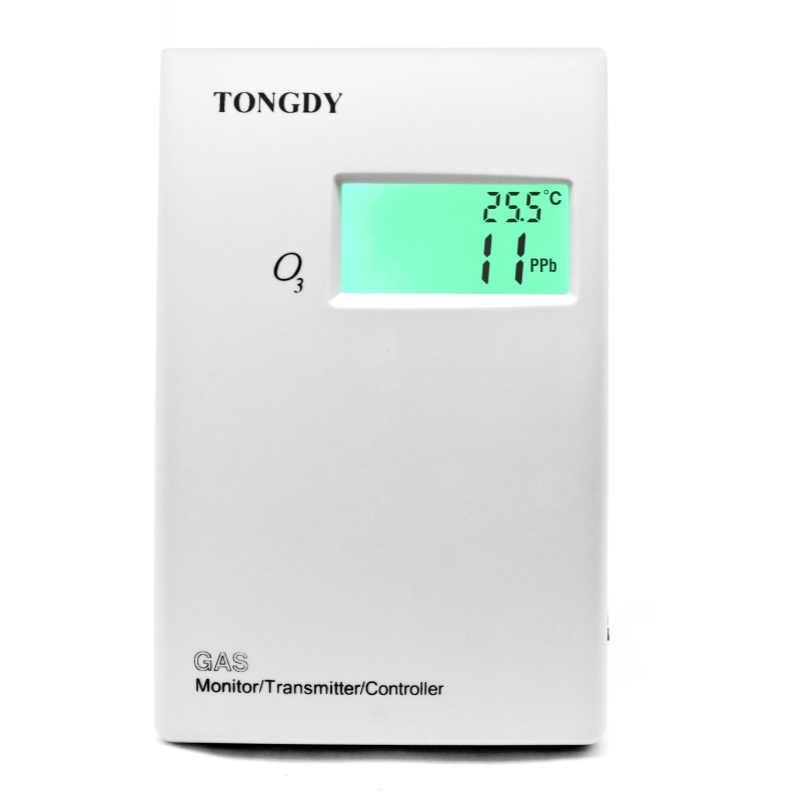
4. Ozone (O3) and Special Target Gases: Electrochemical ozone gas monitors are critical in facilities utilizing upper-room UVGI (ultraviolet germicidal irradiation) or corona discharge air purifying systems within the air handling units, ensuring residual ozone levels stay strictly within safety compliance standards.
5. Seamless Building Automation System (BAS) Protocol Integration: Industrial-grade IAQ monitors support standardized industrial communications including RS485 Modbus RTU, BACnet MS/TP, BACnet IP, analog outputs (0-10V / 4-20mA), and wireless IoT connectivity (Wi-Fi, Ethernet, LoRaWAN) for immediate plug-and-play connection into commercial Building Management Systems (BMS).
Deep-Dive Application Scenarios across Commercial & Industrial Sectors
How tailored ventilation measurement solutions solve critical air quality challenges in diverse built environments.
🏢 Smart Commercial Office Towers & Headquarters
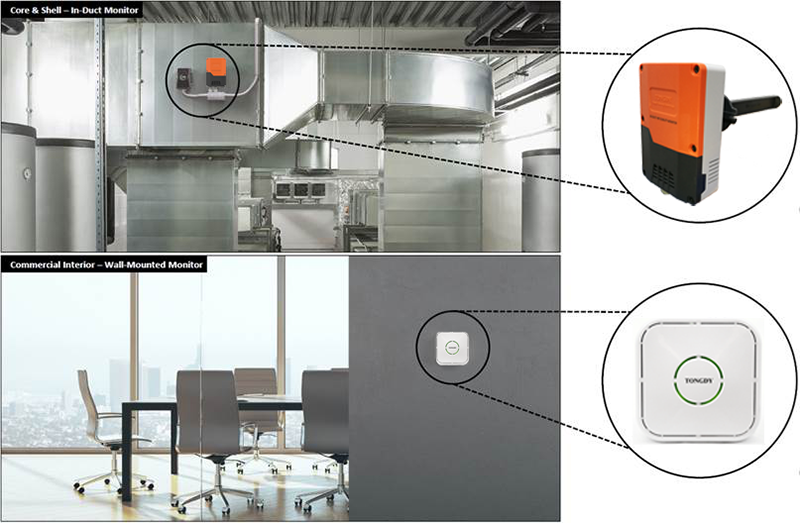
In high-density office spaces, variable occupancy rates cause rapid spikes in CO2 and bio-effluents. In-duct CO2 and multi-sensor transmitters mounted in VAV (Variable Air Volume) zone return ducts feed real-time measurement data directly into room thermostats and central controllers. This dynamic balancing maintains optimal air freshness during peak meeting hours while turning down fans during low occupancy, yielding substantial operational energy savings.
🏥 Healthcare Facilities, Hospitals & Cleanrooms
Cleanroom environments and isolation wards demand precise pressure relationships and pristine filtration efficiency. Differential monitoring between outdoor air intakes (utilizing solar-powered outdoor IAQ monitors) and indoor duct supply monitors allows hospital facility managers to maintain positive differential pressure, manage air exchange rates per hour (ACH), and prevent cross-contamination across surgical rooms and containment zones.
🏫 Educational Campuses & School Ventilation Systems
Scientific studies prove elevated indoor CO2 levels above 1200 ppm significantly impair student concentration, comprehension, and test performance. Wall and duct-mounted CO2 sensors paired with programmable thermostats automatically trigger dedicated outdoor air systems (DOAS) before classroom air deteriorates, safeguarding cognitive performance for students and teachers.
🏭 Industrial Manufacturing & Chemical Processing Plants
Industrial ventilation systems require continuous surveillance of specific gaseous contaminants, including ozone (O3), carbon monoxide (CO), and airborne particulates generated by machining, welding, or chemical mixing. Specialized controllers with built-in alarms automatically engage high-capacity industrial exhaust ventilation and scrubber systems when hazardous chemical concentration thresholds are breached.
Future Development Trends in Smart IAQ & Ventilation Sensing
Emerging technologies reshaping the next generation of smart building environmental control.
The indoor environmental sensing industry is evolving rapidly toward higher intelligence, miniaturization, cloud analytics, and predictive control. As building automation merges with modern Artificial Intelligence (AI) and Internet of Things (IoT) infrastructure, the role of the Indoor Air Quality Monitor For Ventilation System Measurement is expanding from simple diagnostic monitoring to active automated environmental optimization.
1. AI-Powered Predictive Ventilation Control
Future HVAC architectures integrate cloud-based machine learning models (such as the MyTongdy Commercial Air Quality IoT Platform) that analyze historical IAQ trends, weather forecasts, outdoor ambient air pollution indexes, and calendar occupancy patterns. Instead of reacting to air pollution spikes after they occur, AI-driven ventilation systems proactively flush building air or activate pre-filtration cycles before occupants arrive.
2. Multi-Sensor Modular Cassettes with Field Swappable Components
Long-term maintenance cost has historically been a barrier for large-scale IAQ sensor deployment. Industry leaders are transitioning toward modular, sealed cast-aluminum structures housing multi-sensor cassettes. This enables technicians to replace calibrated sensor modules on-site without disconnecting the main unit from the BMS network or requiring extensive duct dismantling.
3. Convergence of Energy Management & Health Standards
Building standards are no longer bifurcated into purely energy-focused (like LEED) or health-focused (like WELL) frameworks. Next-generation HVAC engineering mandates simultaneous compliance with decarbonization energy targets and human-centric wellness benchmarks. Accurate quantitative assessment via professional IAQ monitors provides the verifiable empirical data required for green building recertifications and ESG audits.
Tongdy Sensing Technology Corporation
Help you build and maintain a healthy indoor environment across global facilities.
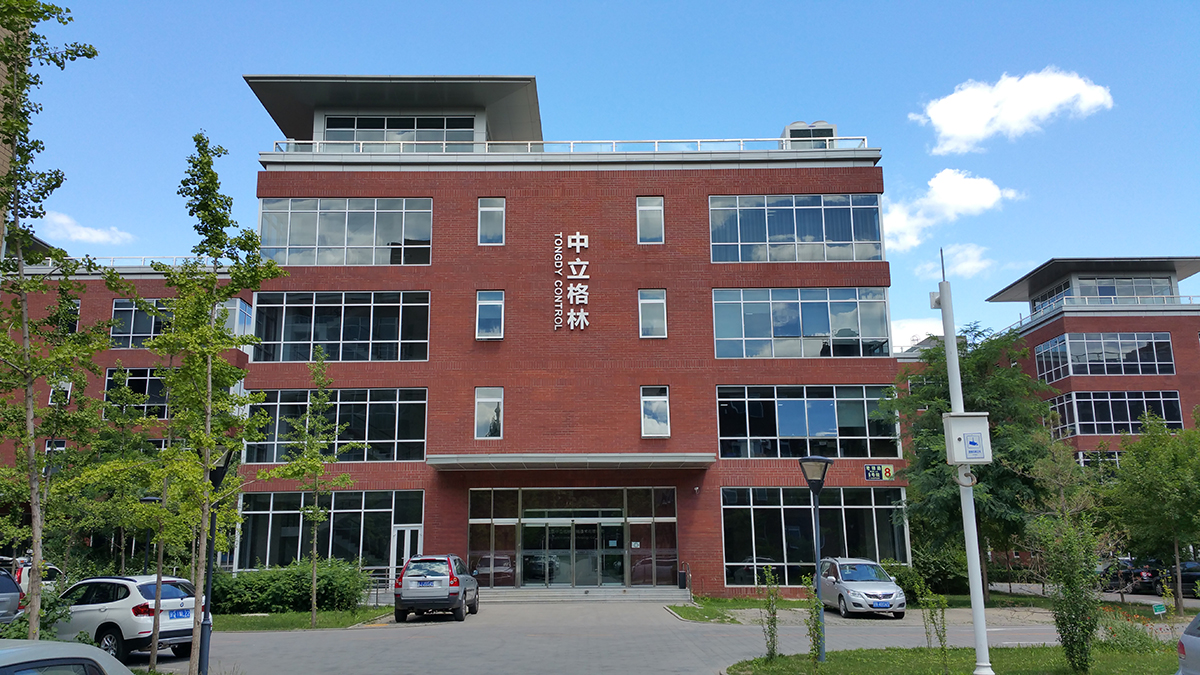
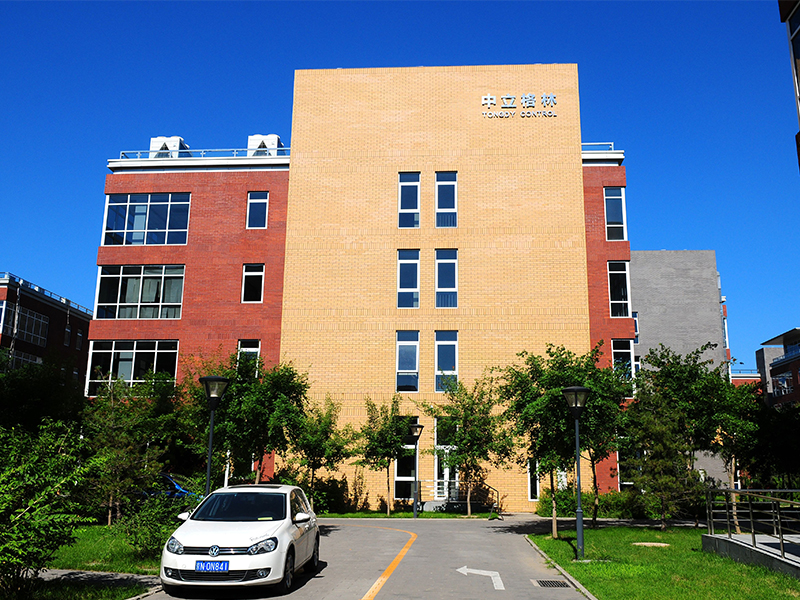
Our work makes a difference in helping you create healthy indoor air quality. As one of the earliest companies in China engaged in air quality monitoring products, Tongdy Sensing Technology Corporation has always focused its strong technology development and design capabilities on professional indoor air quality monitors and HVAC control systems.
About Tongdy
Focus on air quality detection and control over 15 years.
Our Purpose: We foster research and development on obtaining accurate air quality data, helping you well understand and improve the air you breathe by quantitative assessment and data analysis. For pursuing our ultimate purpose of creating healthy indoor air quality, we are committed to obtaining real and accurate data and cultivating the next generation of innovators in technology and engineering.
Why Choose Tongdy:
- 20+ Years of Expertise in IAQ & HVAC Solutions: Trusted by clients worldwide for high-quality products and professional service, fully compliant with international Green Building standards.
- 100+ Monitoring and Control Products: Over 100 commercial-grade monitors and controllers, including CO2, single-gas, and multi-sensor solutions for HVAC, BMS, and green building applications.
- Reliable and Accurate Data: Providing smart building managers with actionable, real-time data to make informed operational decisions.
- Tailored to Your Specific Needs: Flexible hardware, professional engineering expertise, and fast delivery enable cost-effective, customized gas detection and ventilation control solutions.
Social Responsibility & WELL Collaboration
Tongdy actively develops air quality monitors and is devoted to healthy indoor air quality, striving to become an excellent enterprise model. As a corporate citizen, Tongdy has contributed to public welfare undertakings by cooperating with leading public benefit organizations, such as WELL—the world's leading organization focused on deploying people-first places to advance a global culture of health, especially exploring the impact of indoor air quality on people's health based on The WELL Building Standard™.

Certificates and Honor
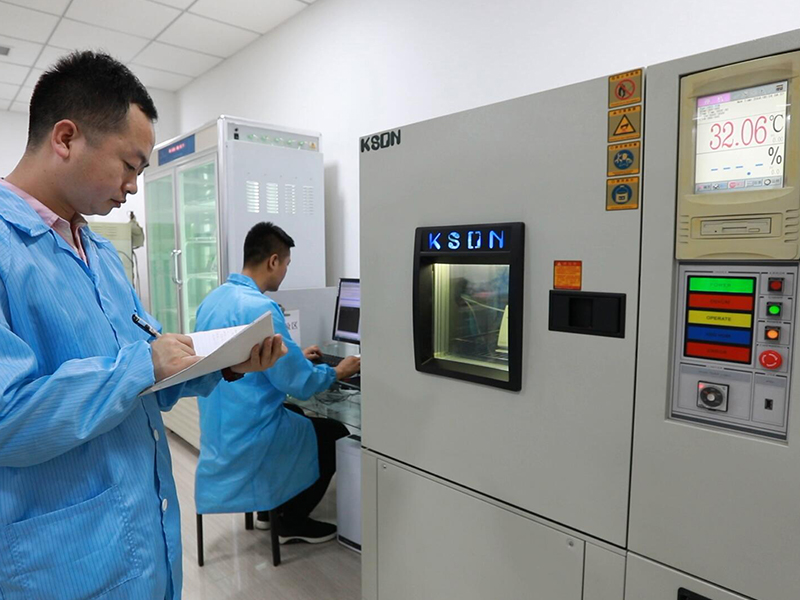
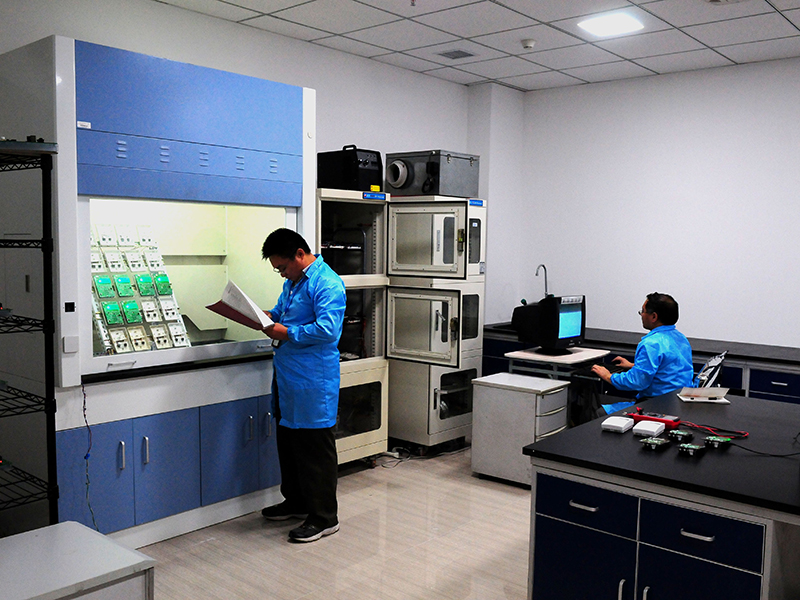
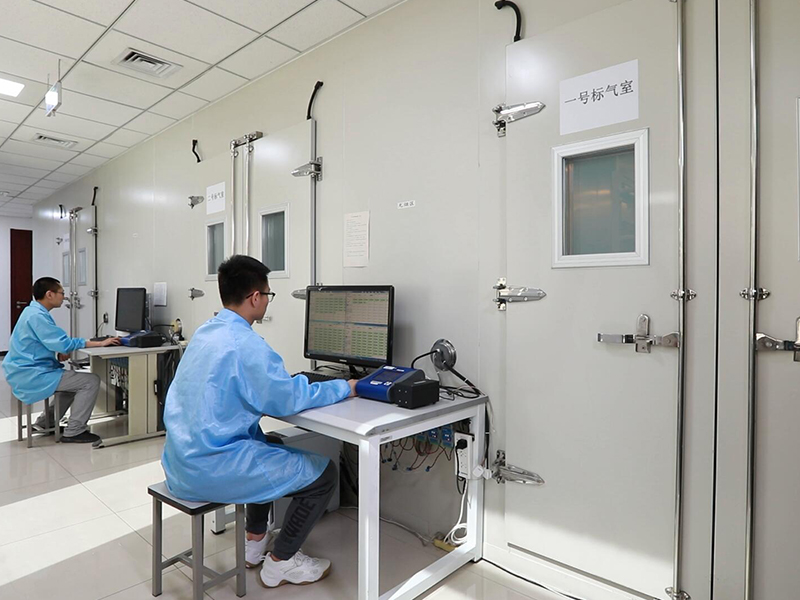
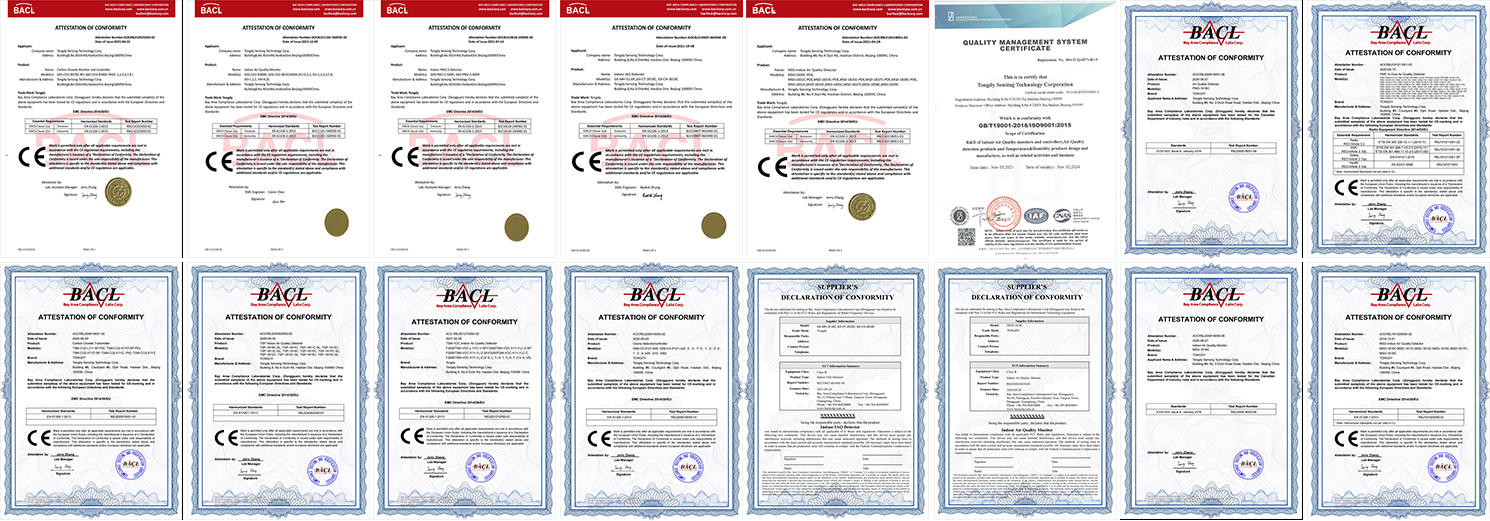
Tongdy's commitment to precision manufacturing is backed by international certifications and rigorous quality assurance protocols, ensuring our instruments meet international standards for HVAC and BMS system deployments.
Our Core Values & Technological Pillars
Exclusive Innovative Calibration Algorithm
Proprietary technology and effective dynamic calibration methods support higher measurement accuracy in diverse environmental conditions.
Unique Professional Multi-Sensor Module
Special multi-sensor design featuring sealed cast aluminum structures housing up to six gas and particle sensors inside a single compact device.
Continuous R&D Investment & Quality Control
Tongdy-owned manufacturing with significant ongoing investment in research and development to ensure unmatched product reliability and technological innovation.
Real-time Data Monitoring & Analytics Platform
The "MyTongdy" Cloud Platform enables facility managers to read, analyze, and optimize indoor air quality performance on desktop PCs or mobile APPs.
The Expert of Indoor Air Quality Data
With over 15 years of focused IAQ engineering experience, Tongdy delivers commercial-grade accurate data to drive health-centered building management.
Comprehensive Green Building Standard Support
Hardware engineered to meet specific technical requirements for RESET, WELL, LEED, and RESET Air global building standard compliance.
Complete Range of Indoor Air Quality Monitors & Ventilation Controllers
Explore our full portfolio of commercial-grade sensors, duct transmitters, room thermostats, and IoT platforms.