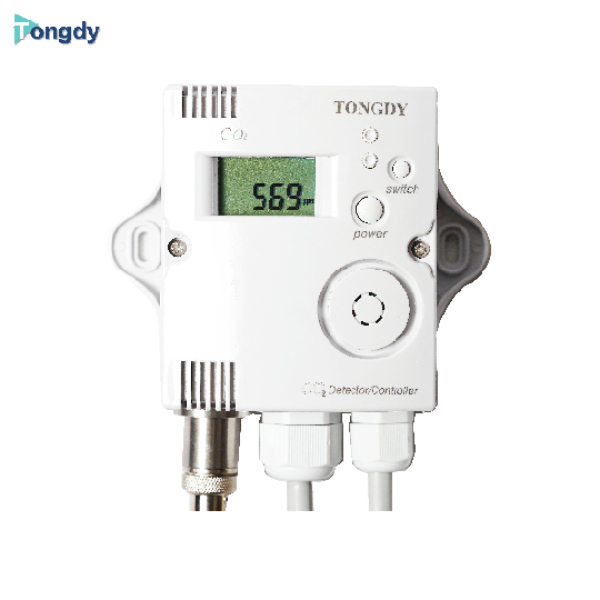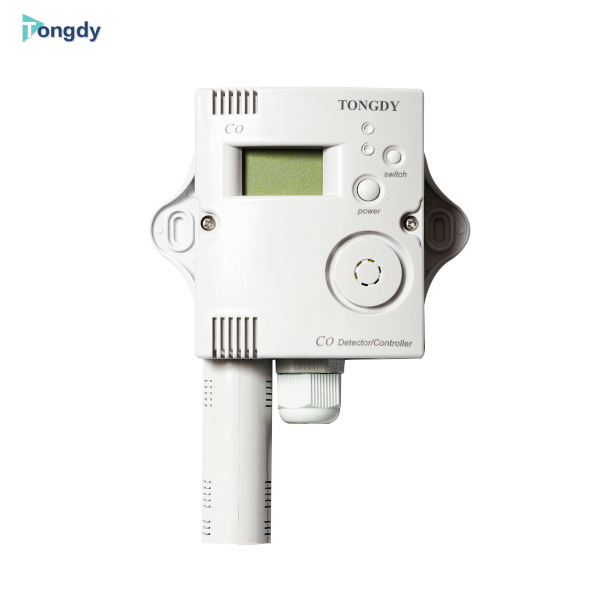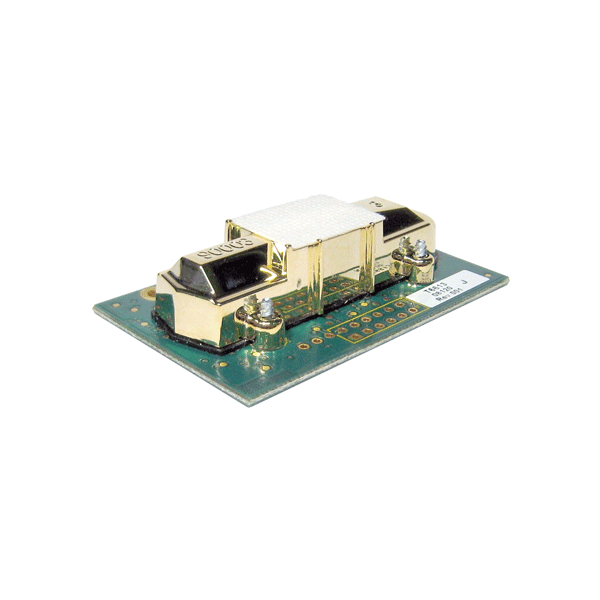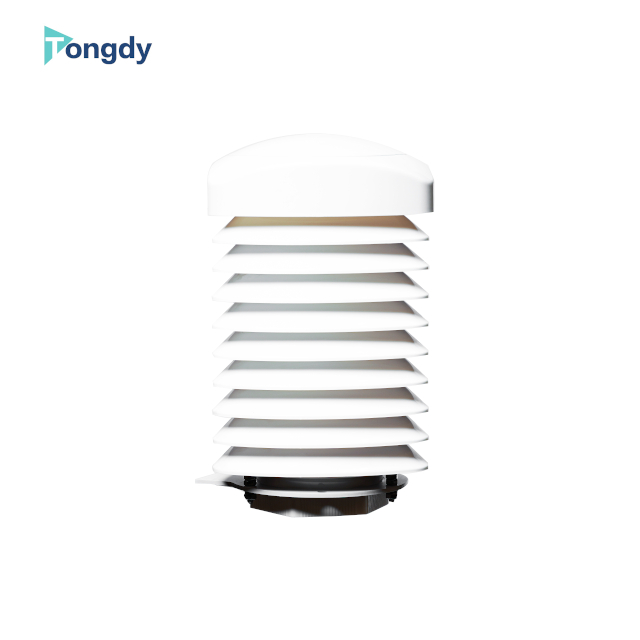

Featured Monitors for Fresh-Air Control
Industrial & Commercial Grade Air Quality Sensing Transmitters for Seamless HVAC & BMS Integration
The Critical Role of Indoor Air Quality Monitors in Fresh-Air System Control
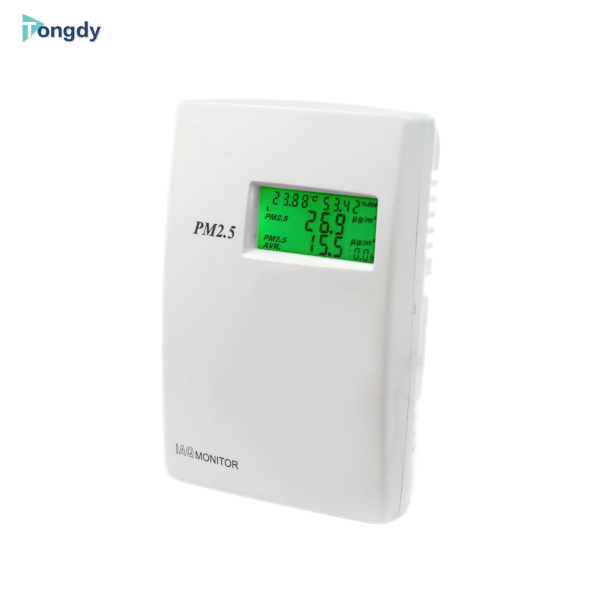
Modern commercial architecture and residential infrastructure have shifted dramatically toward airtight, energy-efficient building envelopes. While airtight construction conserves heating and cooling energy, it creates an unintended consequence: the rapid accumulation of indoor air pollutants. Without intelligent ventilation, toxic gases, carbon dioxide (CO2), particulate matter (PM2.5/PM10), total volatile organic compounds (TVOCs), formaldehydes, and excess humidity become trapped inside inhabited zones.
An Indoor Air Quality Monitor for Fresh-Air System Control serves as the central intelligent brain of modern HVAC (Heating, Ventilation, and Air Conditioning) platforms, Air Handling Units (AHUs), and Energy Recovery Ventilators (ERVs). Rather than running fresh-air intake fans continuously at maximum speed—which drains massive electric energy and loads cooling/heating coils—or operating on rigid, static time schedules, smart monitors facilitate Demand-Controlled Ventilation (DCV). By continuously measuring real-time pollutant levels, these sensors send dynamic control signals (via 0-10V, 4-20mA, Modbus RTU, or BACnet MS/TP) to variable air volume (VAV) dampers and EC ventilation fans, modulating fresh air supply based on actual occupancy and contamination loads.
Key Technical Advantages of Sensor-Driven Ventilation
- Energy Conservation: Reduces HVAC energy consumption by 20% to 45% by preventing unnecessary heating/cooling of outdoor fresh air during low occupancy.
- Optimized Human Productivity: Maintains CO2 concentration strictly below 800 ppm to eliminate indoor drowsiness, headaches, and cognitive impairment.
- Building Certification Compliance: Essential for obtaining accreditation in WELL Building Standard™, LEED, RESET, and BREEAM certifications.
- Preventative Health Protection: Filters and dilutes harmful airborne pathogens, viral aerosol loads, TVOC off-gassing, and fine particulate matter (PM2.5).
Commercial & Industrial Market Landscape
The global market for indoor air quality sensing in fresh-air system control is experiencing exponential growth, driven by stringent national indoor environmental standards, ESG (Environmental, Social, and Governance) mandates, and post-pandemic public health awareness.
Historically, air quality monitors were treated as secondary display units or standalone handheld meters. Today, commercial property managers, system integrators, and mechanical engineers mandate fully integrated, industrial-grade IAQ transmitters built directly into return air ducts, supply ducts, or wall-mounted zone controllers.
In high-density commercial office towers, industrial manufacturing facilities, schools, and hospitals, deploying high-precision multi-parameter sensors allows building management systems (BMS) to balance outdoor air intake against energy costs dynamically. The integration of IoT cloud platforms further enables facility engineering teams to track longitudinal indoor air trends, verify filtration efficiency, and perform predictive maintenance on fresh-air filtration units.
Multi-Gas Sensor Integration
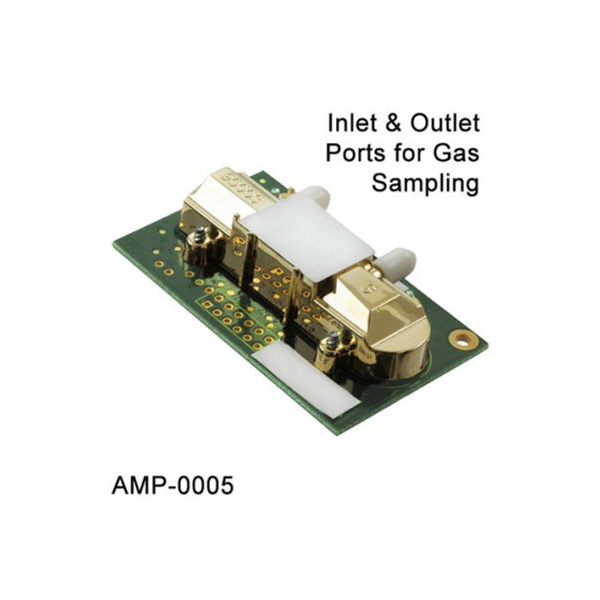
Modern fresh-air control demands multi-sensor arrays incorporating NDIR CO2 sensors, laser dust sensors for PM2.5, electrochemical CO/O3 probes, and metal-oxide TVOC sensors within a single unified housing.
BACnet & Modbus Connectivity
Seamless communication protocol support ensures instant plug-and-play capability with Siemens, Honeywell, Johnson Controls, and Schneider Electric Building Automation Systems.
Self-Calibration Algorithms
Patented ABC (Automatic Baseline Correction) and innovative dynamic calibration algorithms prevent sensor drift over years of continuous operating cycles in harsh duct environments.
Deep Application Scenario Analysis
How Intelligent IAQ Sensing Drives Automated Fresh-Air Control Across Diverse Sectors
1. Commercial High-Rise Office Buildings & Headquarters
In high-density office environments, CO2 levels fluctuate dramatically throughout the day based on meeting room occupancy, cafeteria hours, and shift changes. Standard fixed-ventilation systems either over-ventilate empty spaces (wasting expensive chilled/heated air) or under-ventilate packed boardrooms (causing "sick building syndrome").
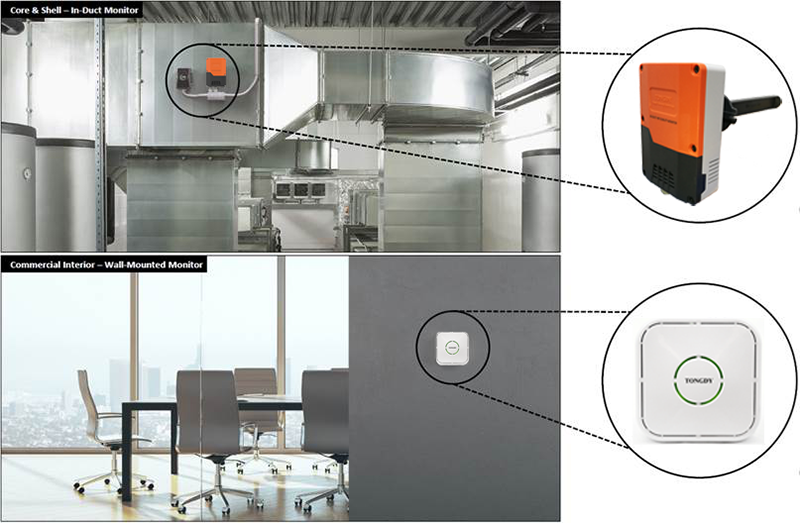
By placing wall-mounted or in-duct multi-gas sensing transmitters linked to damper actuators, fresh-air volume ramps up automatically when zone CO2 exceeds 800 ppm or TVOCs spike due to cleaning chemicals, maintaining pristine working conditions while cutting HVAC operating overhead.
2. Educational Facilities, Schools & Universities
Academic performance is proven to directly correlate with classroom air quality. Studies demonstrate that high indoor CO2 levels (>1200 ppm) cause lethargy, reduced concentration, and poor test scores. Installing real-time air quality meters with dynamic 0-10V outputs directly connected to decentralised fresh-air recovery ventilators ensures fresh oxygen continuously flows into classrooms during study hours.
3. Underground Parking Garages & Transport Hubs
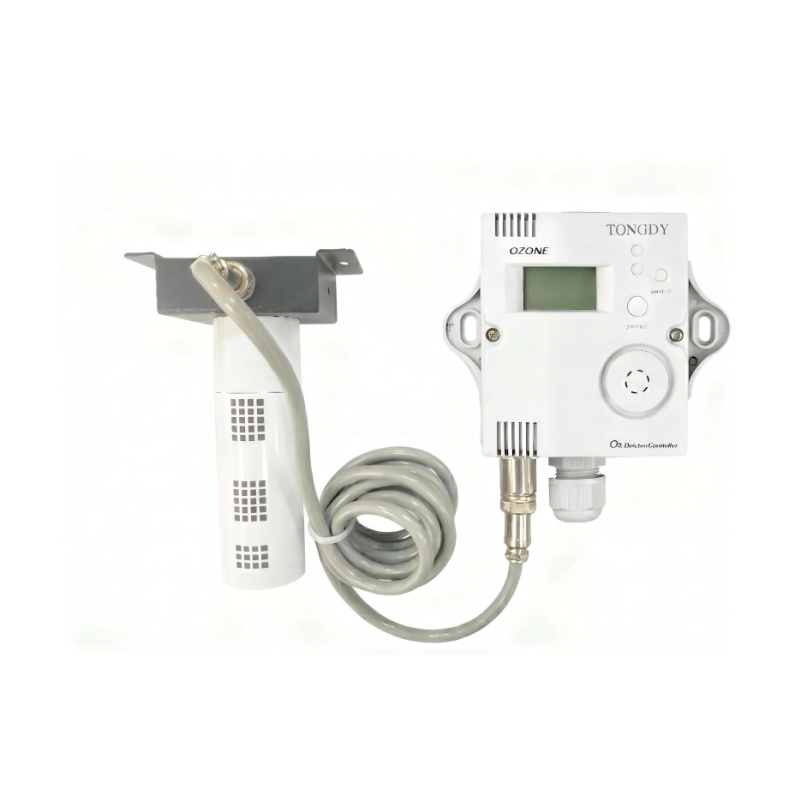
Enclosed parking facilities and logistics bays present hazardous carbon monoxide (CO) and nitrogen dioxide (NO2) risks from vehicle exhaust. Continuous monitoring using split-probe CO and O3 controllers triggers heavy-duty fresh-air intake and exhaust blowers only when toxic thresholds are breached, preventing dangerous gas accumulation while saving massive standby power.
4. Greenhouses & Controlled Environment Agriculture (CEA)
Plant photosynthesis depends heavily on precise carbon dioxide enrichment. Specialized greenhouse plug-and-play CO2 controllers regulate dual-stage fresh-air ventilation and CO2 dosing valves, maintaining optimum ambient concentrations (e.g., 1000–1500 ppm) to maximize crop yield while preventing thermal stress through smart ventilation loops.
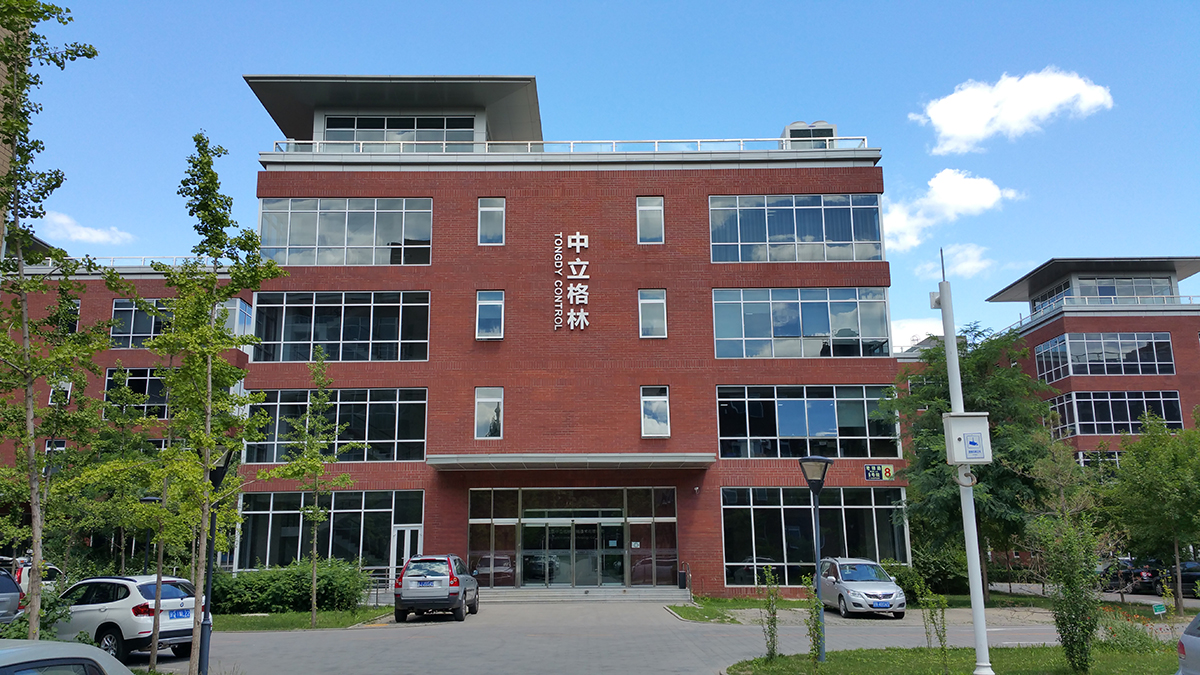
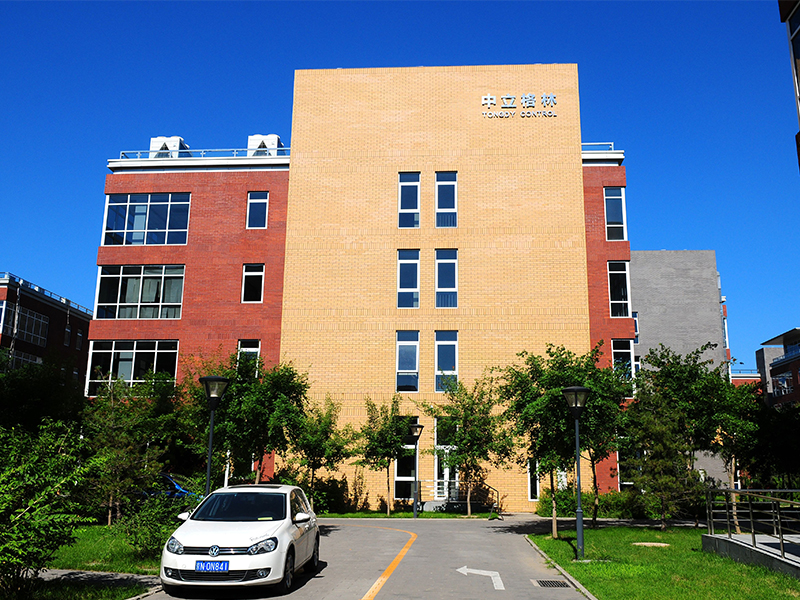
Tongdy Sensing Technology Corporation
Help you build and maintain a healthy indoor environment
Our work makes a difference in helping you make the healthy indoor air quality. As one of the earliest companies in China engaged in air quality monitoring products, Tongdy has been always focusing on its strong technology development and design capabilities on the indoor air quality monitors.
About Tongdy
Focus on air quality detection and control over 15 years
Our Purpose: We foster research and development on obtaining accurate air quality data, help you well understand and improve the air you breathe by quantitative assessment and data analysis.
For pursuing our ultimate purpose of creating healthy indoor air quality, we’re committed to obtain real and accurate data and cultivating the next generation of innovators in technology and engineering.

Social Responsibility
Tongdy actively develops air quality monitors and is devoted in healthy indoor air quality, and strive to become an excellent enterprise model.
As a corporate citizen, Tongdy has contributed to public welfare undertakings such as cooperate with public benefit corporation, like WELL- the world’s leading organization focused on deploying people first places to advance a global culture of health, especially exploring the impact of indoor air quality to people’s health based on The WELL Building Standard™.
Certificates and Honor
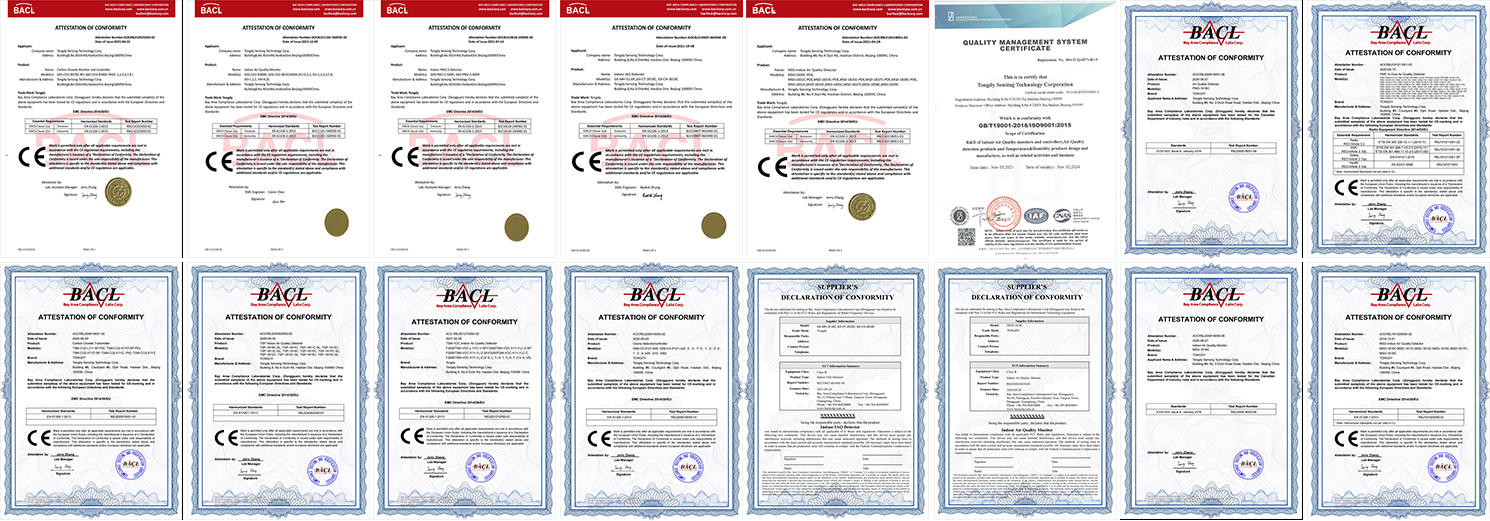
Built under rigorous ISO management guidelines, Tongdy's products meet stringent international safety, precision, and electromagnetic compatibility standards including CE, FCC, RoHS, and RESET certifications.
Our Core Technical Values
Why Engineering Firms and System Integrators Choose Tongdy Air Sensing Technology
Exclusive Innovative Calibration Algorithm
Proprietary technology, the effective calibration method to support higher data accuracy in different complex ambient environments.
Unique Professional Multi-Sensor Module
Special multi-sensor module with the sealed cast aluminum structure and up to six sensors integrated inside for zero signal interference.
Continuous R&D Investment & Quality Control
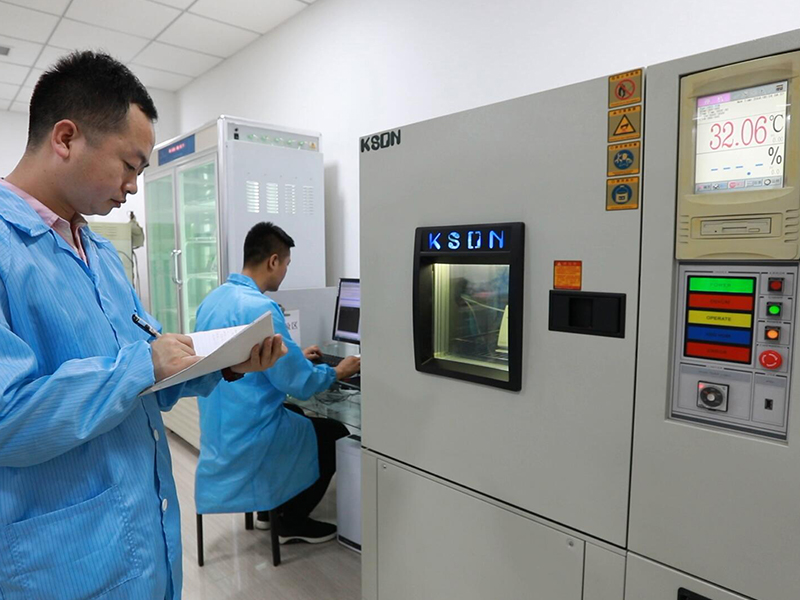
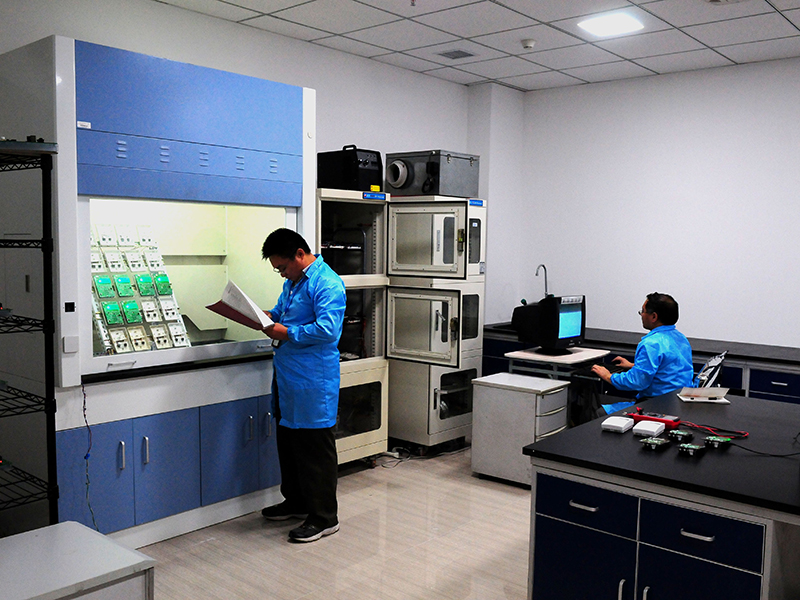
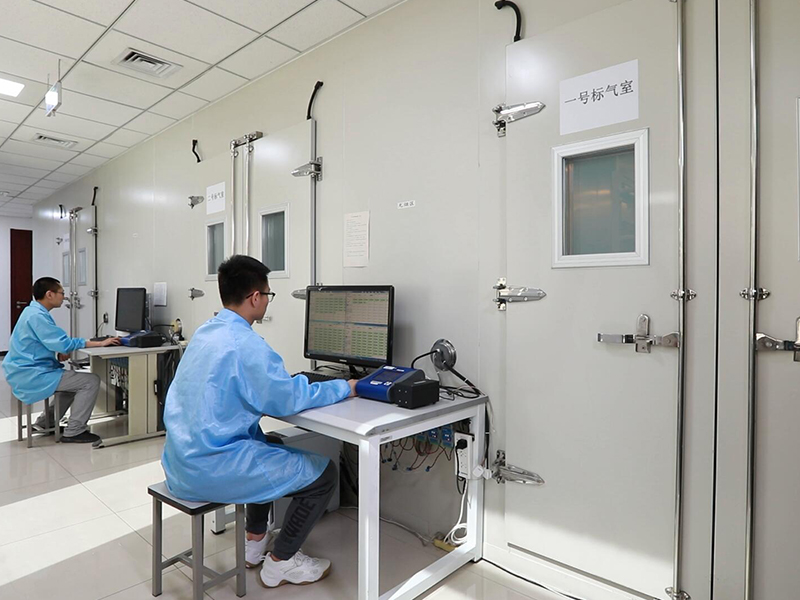
Tongdy-owned state-of-the-art testing facilities, huge investment in research and development to ensure long-term product reliability and constant innovation.
Real-Time Telemetry & Analytics
"MyTongdy" Cloud Platform enables real-time data streaming, trend analysis, and diagnostic alarms accessible on PC software or mobile APP.
The Expert of Indoor Air Quality Data
Over 15 years experience in indoor air quality, Tongdy provides commercial accurate data helping you make data-driven decisions for healthy indoor environments.
Tailored to Your Specific Needs
Flexible hardware configurations, custom communication protocols, and fast delivery enable cost-effective, customized gas detection solutions.
Why Tongdy Sensing Technology
20+ Years of Expertise in IAQ & HVAC Solutions
Trusted by clients worldwide for high-quality products and professional service, fully compliant with Green Building standards.
100+ Monitoring and Control Products
Over 100 commercial-grade monitors and controllers, including CO2, single-gas, and multi-sensor solutions for HVAC, BMS, and green building applications.
Reliable and Accurate Data
Providing smart building managers with actionable, real-time data to make informed ventilation and energy conservation decisions.
Complete Range of IAQ Sensors & Fresh-Air Controllers
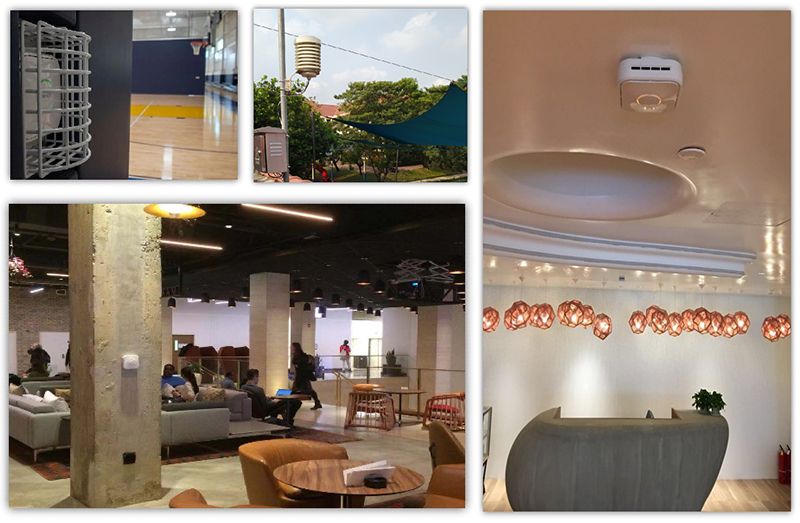
Explore Tongdy's Industry-Proven Portfolio for Duct-Mounted, Wall-Mounted, and Outdoor Applications