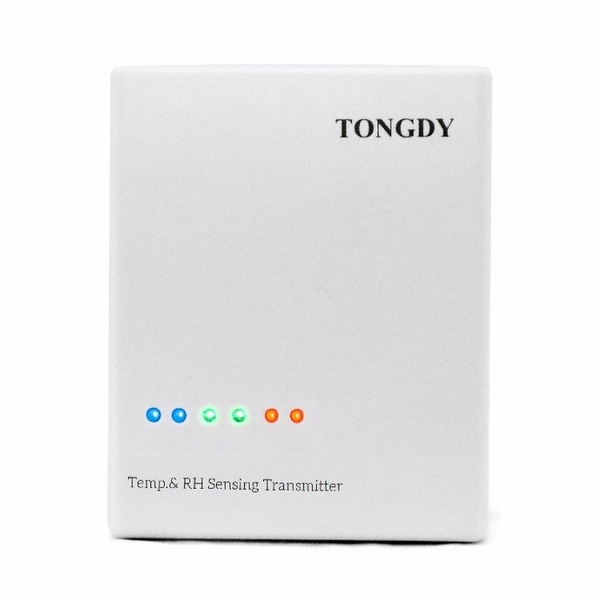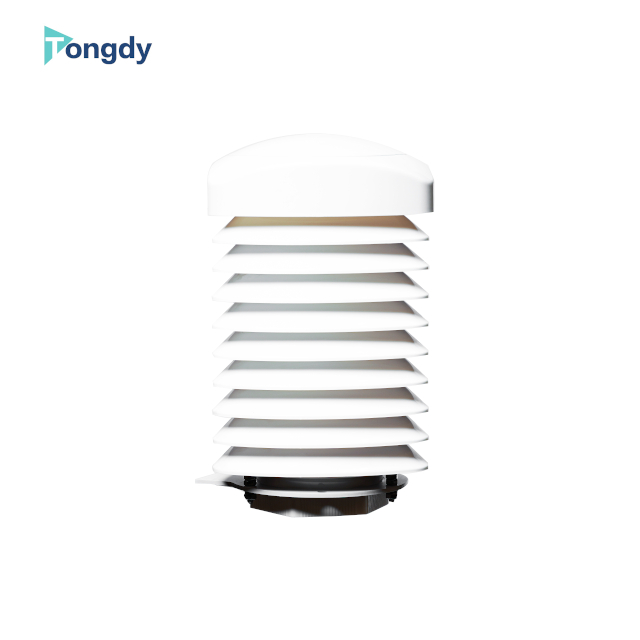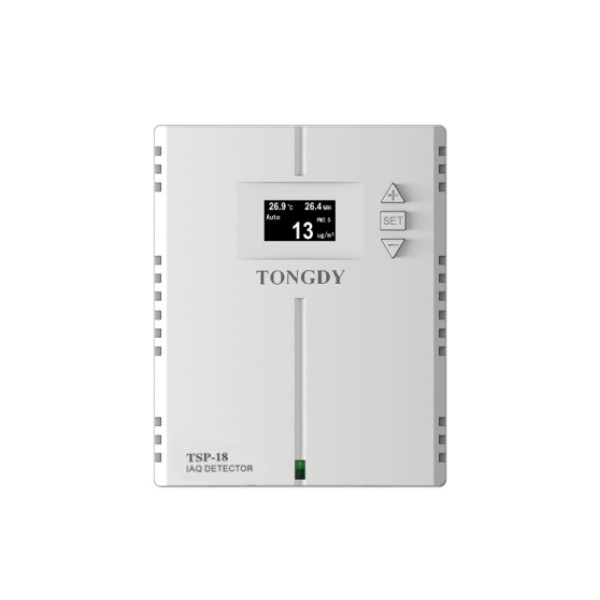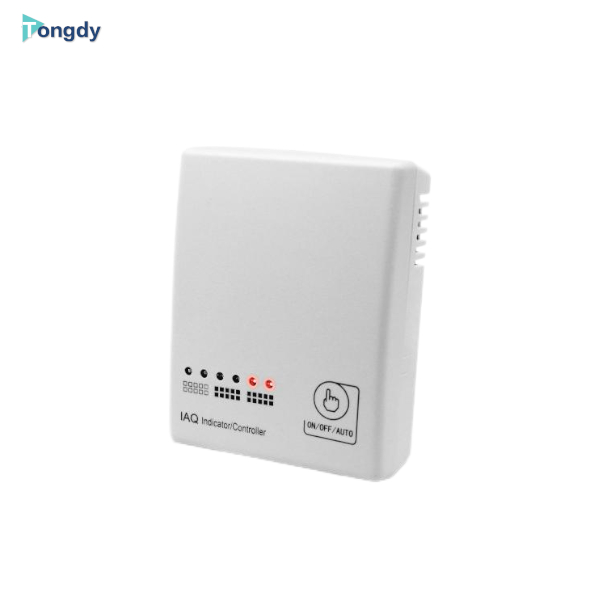

Featured Sensing & Control Modules
Precision engineered transmitters and intelligent sensor modules optimized for commercial HVAC and parking garage environmental monitoring.
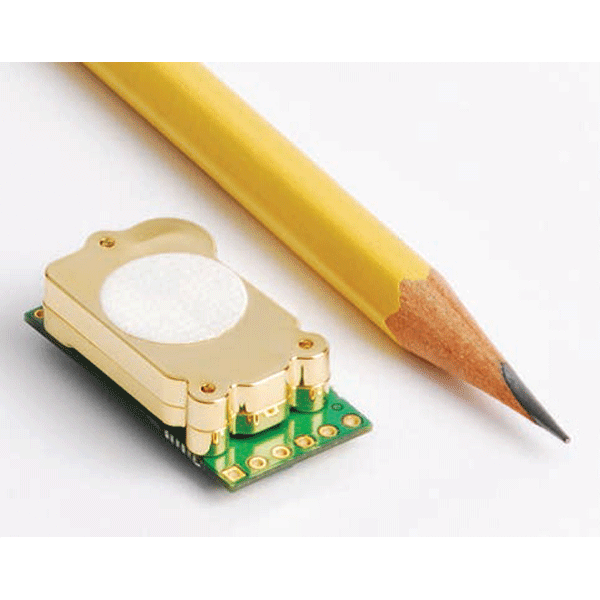
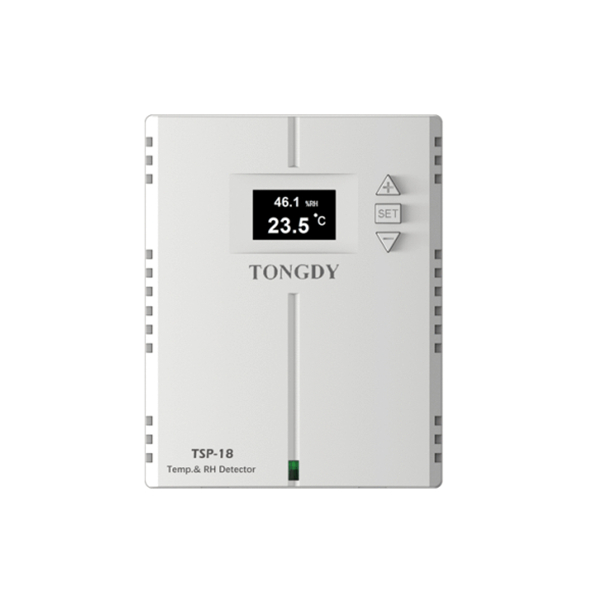
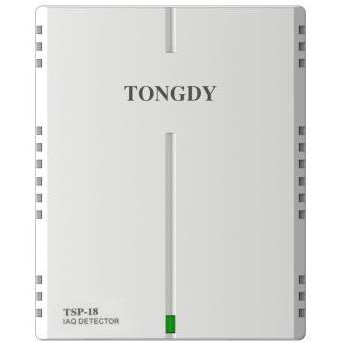

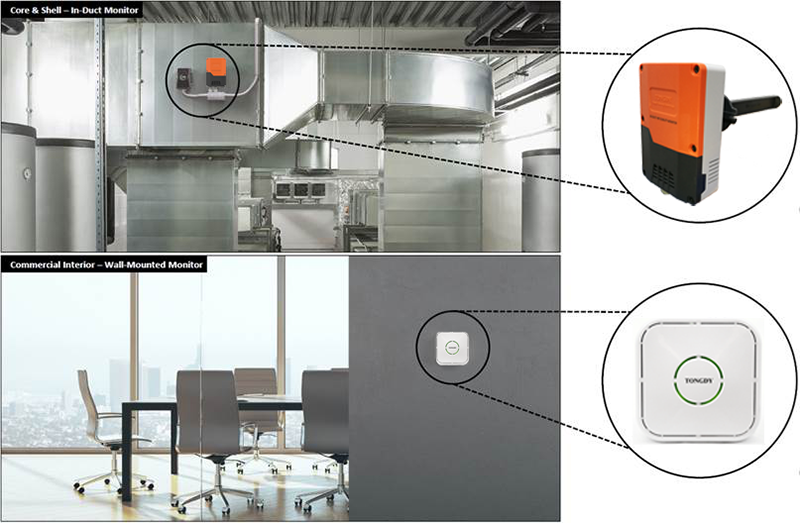
1. The Commercial & Industrial Imperative of Duct Temperature Humidity Transmitters in Parking Garages
Modern commercial complexes, high-rise residential towers, municipal transit hubs, and industrial facilities rely heavily on multi-level underground parking lots. However, enclosed parking facilities present complex environmental challenges due to continuous vehicle emissions—such as Carbon Monoxide (CO), Nitrogen Dioxide (NO2), and Volatile Organic Compounds (VOCs)—combined with shifting ambient climate conditions. Integrating a high-precision Duct Temperature Humidity Transmitter For Parking Lot Gas Monitoring into ductwork systems has evolved from a basic HVAC option into an essential engineering standard for safety compliance, energy management, and indoor air quality (IAQ) governance.
Temperature and relative humidity (RH) play a pivotal role in the physics of toxic gas dispersion within enclosed spaces. Air density changes dynamically with thermal variation, directly altering how heavy combustion exhaust fumes settle or disperse through ventilation shafts. Furthermore, elevated humidity levels can accelerate sensor drift, cause moisture condensation on gas sensing elements, and lead to premature hardware failure. Duct-mounted transmitters provide precise real-time readings within main supply and exhaust ducts, enabling building automation platforms (BMS) to dynamically adjust fresh air intake, execute demand-controlled ventilation (DCV), and preserve equipment integrity.
Demand-Controlled Ventilation
Dynamically modulate intake and exhaust fan speeds based on real-time temperature, humidity, and gas threshold data, cutting ventilation energy costs by up to 45%.
Toxic Gas Mitigation
Ensure strict adherence to ASHRAE 62.1, EN 50545-1, and OSHA standards by quickly detecting toxic exhaust build-up and triggering emergency ventilation loops.
Seamless Integration
Industrial-grade RS485 Modbus, BACnet MSTP, and analog outputs deliver real-time data directly to centralized smart building management architecture.
2. Industry Trends & Market Evolution in Parking Facility Climate & Gas Sensing
The global market for smart parking environmental controls is experiencing rapid transformation driven by urbanization, stringent green building certifications (such as LEED v4.1 and WELL Building Standard™), and the rising adoption of Smart City IoT frameworks. Key industrial and commercial trends shaping the adoption of duct temperature and humidity transmitters include:
- Transition to Multi-Sensor Integrated Architecture: Facility managers no longer rely on standalone single-parameter sensors. Today’s state-of-the-art systems combine temperature, relative humidity, carbon monoxide (CO), carbon dioxide (CO2), and total volatile organic compounds (TVOC) into unified duct-probe assemblies or modular sensor networks, minimizing installation labor and system maintenance.
- Digital Twin & Preventive Predictive Maintenance: Advanced duct transmitters feed granular climate data into AI-driven digital twin platforms. By monitoring duct humidity anomalies and thermal spikes, predictive analytics can identify duct blockages, motor degradation, or filter clogs before catastrophic system failure occurs.
- Adapting to Electric Vehicle (EV) Infrastructure Risks: The exponential growth of EV charging stations within underground garages introduces novel environmental risks, including potential thermal runaway toxic off-gassing (e.g., HF, CO, VOCs). Duct-mounted temperature, humidity, and gas transmitters monitor environmental shifts in exhaust zones servicing EV charging sectors to safeguard against thermal risks and smoke accumulation.
- Enhanced Corrosion and Condensation Resistance: Enclosed garages suffer from extreme seasonal humidity fluctuations and vehicle-induced road salt mist. Modern duct transmitters incorporate hydrophobic membrane filters, IP65/IP66 rated enclosures, and temperature compensation algorithms to maintain accurate performance under aggressive conditions.
Technical Synergy: Thermal & Humidity Compensation in Gas Detection
Electrochemical and NDIR (Non-Dispersive Infrared) sensors used in parking lot gas detection are inherently sensitive to ambient temperature and moisture variations. Rapid temperature drops can cause zero-point shift, while condensation on optical windows leads to false gas alarms. A high-accuracy duct temperature humidity transmitter provides the crucial reference data required for mathematical calibration algorithms, ensuring stable gas monitoring across extreme operating ranges (-20°C to +60°C and 0 to 95% RH non-condensing).
3. Deep-Dive Application Scenario Analysis
Scenario A: Multi-Level Underground Commercial Parking Garages
In multi-story subterranean parking facilities (e.g., B1 through B4 levels), ambient temperature and humidity vary significantly between floors due to ground thermal mass and varying vehicle traffic density. Exhaust ducts serving deep basement zones frequently experience stagnant moist air mixed with diesel fumes. Duct-mounted transmitters installed in return-air plenums provide continuous feedback to variable frequency drives (VFDs) powering exhaust fans. During peak morning and evening commute hours, the system ramps up air movement to maintain occupant safety while controlling dew point thresholds to prevent moisture buildup on garage surfaces.
Scenario B: Logistics Centers & Enclosed Freight Loading Docks
Logistics centers and distribution hubs feature enclosed loading bays where heavy-duty diesel trucks idle during cargo loading and unloading. Exhaust ducts in these zones carry concentrated combustion gases alongside thermal loads emitted by running engines. Utilizing industrial duct transmitters with rapid response probes allows building management systems to instantly recognize temperature and gas concentration spikes, activating high-capacity jet fans and supply ducts to flush toxic gases outward.
Scenario C: Smart City Smart Building Plenums & HVAC Return Shafts
In ultra-modern commercial towers targeting WELL and LEED certifications, parking facility exhaust ducts are integrated into total building energy recovery systems. Duct temperature and humidity transmitters evaluate whether return air from subterranean zones can undergo heat exchange or if it must be dumped directly outside. This high-precision environmental control safeguards the building’s primary HVAC heat exchangers from contamination and thermal imbalances.
About Us
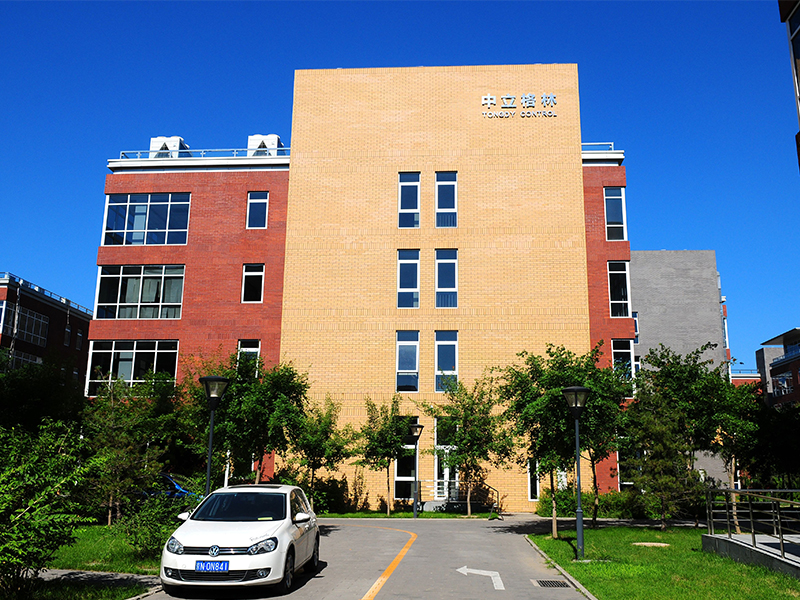
Tongdy Sensing Technology Corporation
Help you build and maintain a healthy indoor environment
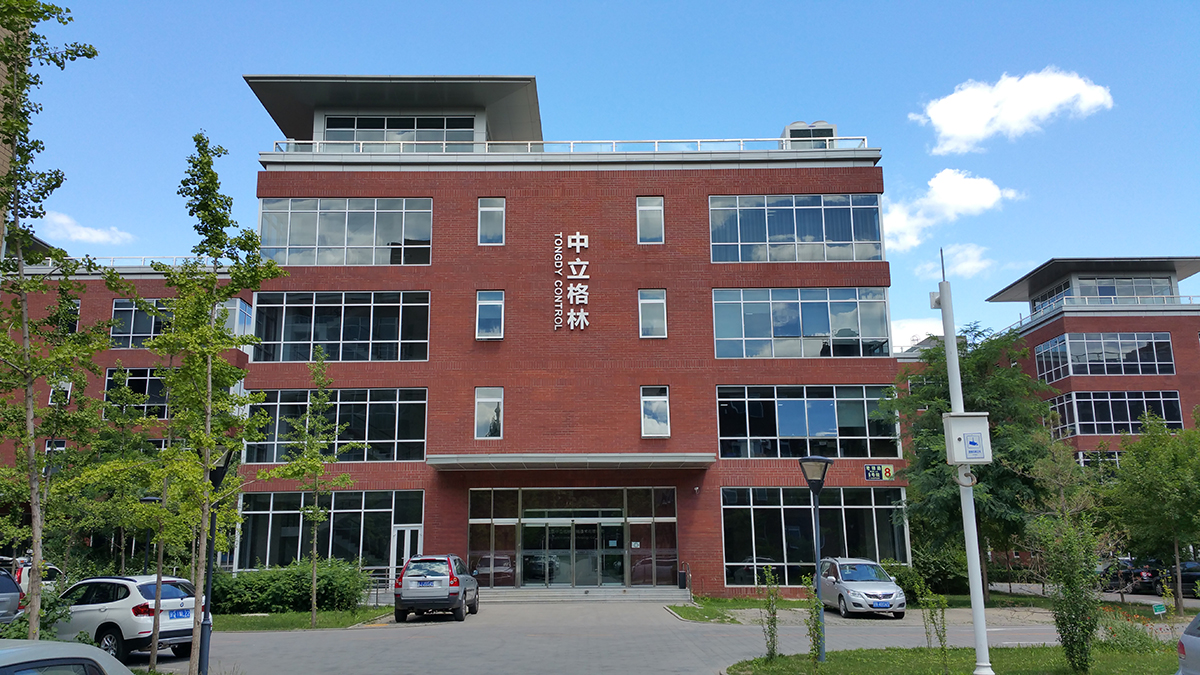
Our work makes a difference in helping you make the healthy indoor air quality. As one of the earliest companies in China engaged in air quality monitoring products, Tongdy has been always focusing on its strong technology development and design capabilities on the indoor air quality monitors.
About Tongdy
Focus on air quality detection and control over 15 years
Our Purpose
We foster research and development on obtaining accurate air quality data, help you well understand and improve the air you breathe by quantitative assessment and data analysis.
For pursuing our ultimate purpose of creating healthy indoor air quality, we’re committed to obtain real and accurate data and cultivating the next generation of innovators in technology and engineering.
Social Responsibility
Tongdy actively develops air quality monitors and is devoted in healthy indoor air quality, and strive to become an excellent enterprise model. As a corporate citizen, Tongdy has contributed to public welfare undertakings such as cooperate with public benefit corporation, like WELL- the world’s leading organization focused on deploying people first places to advance a global culture of health, especially exploring the impact of indoor air quality to people’s health based on The WELL Building Standard™ .

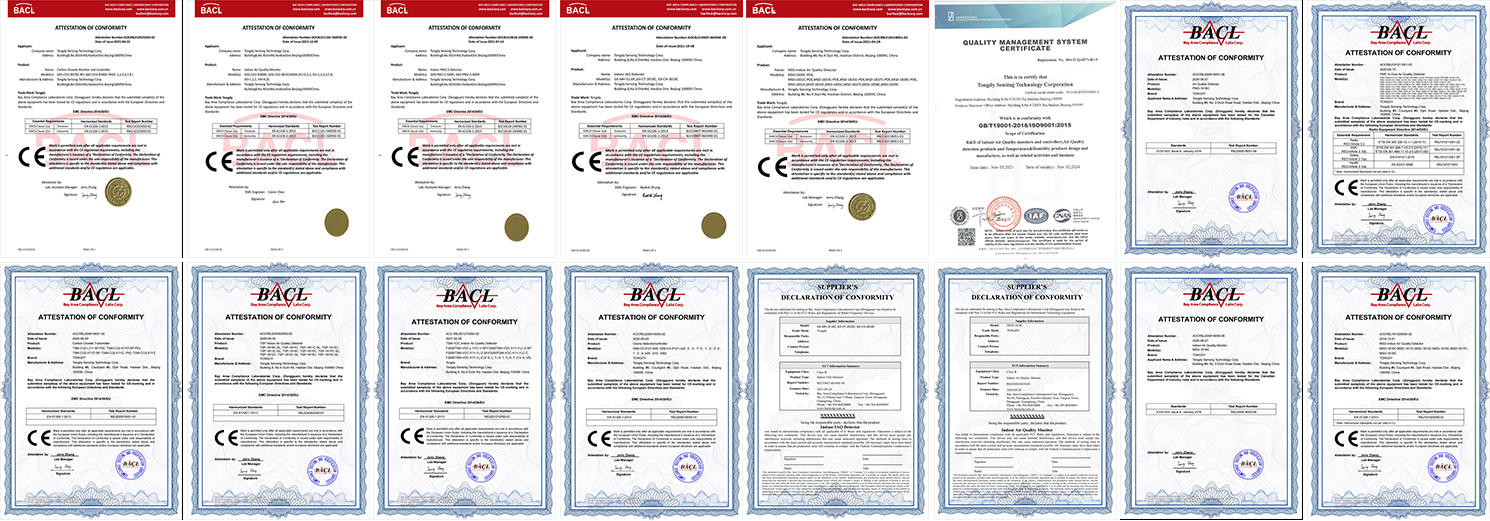
Certificates and Honor
Our Values
Exclusive innovative calibration algorithm
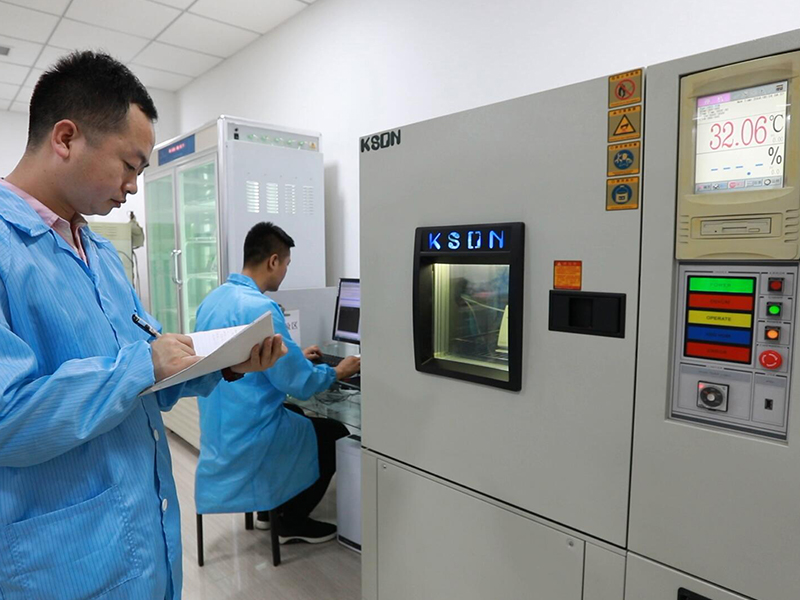
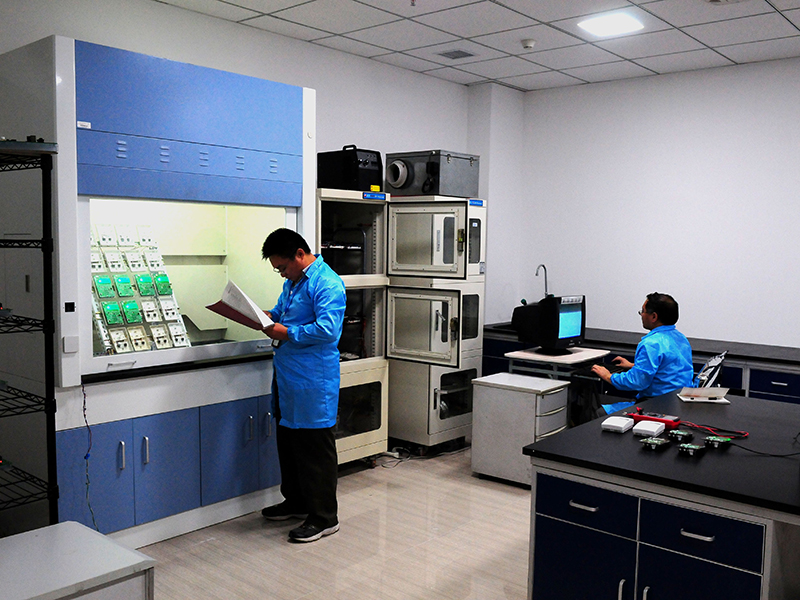
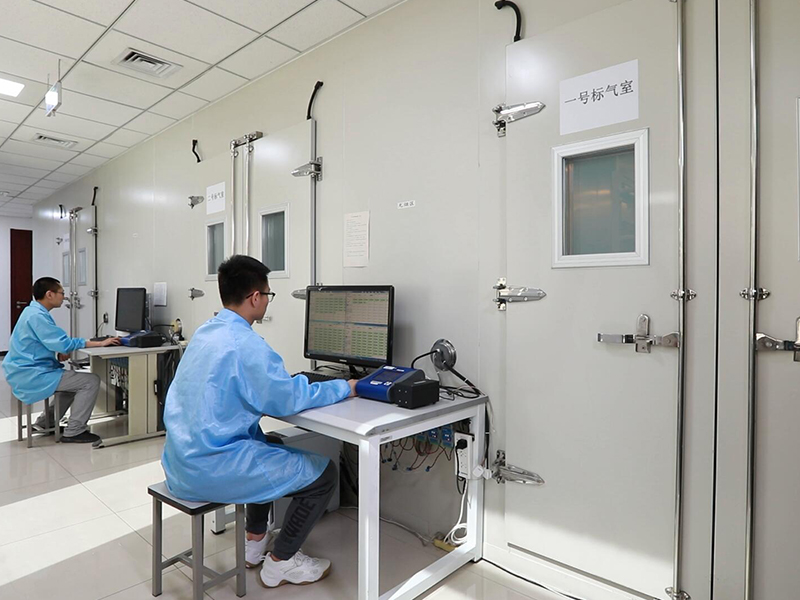
Proprietary technology, the effective calibration method to support higher data accuracy in different environment
Unique professional multi-sensor module
Special multi-sensor module with the sealed cast aluminum structure and up to six sensors inside
Continuous R&D investment and product quality control
Tongdy-owned, and huge investment in research and development to ensure the product reliability and innovation
Real-time data monitoring and historical data analyzing improve and optimize your indoor air quality
“MyTongdy” Platform will help you reading and analyzing data of your air quality on PC or mobile APP
The expert of indoor air quality data
Over 15 years experience for indoor air quality , Tongdy provides commercial accurate data and help you to make data-driven decisions that foster health-centered indoor environments
Why Tongdy
20+ Years of Expertise in IAQ & HVAC Solutions
Trusted by clients for high-quality products and professional service, fully compliant with Green Building standards.
100+ Monitoring and Control Products
Over 100 commercial-grade monitors and controllers, including CO2, single-gas, and multi-sensor solutions for HVAC, BMS, and green building applications.
Reliable and Accurate Data
Providing smart building managers with actionable, real-time data to make informed decisions.
Tailored to Your Specific Needs
Flexible hardware, professional expertise and fast delivery enable cost-effective, customized gas detection and control solutions.
Complete Parking Lot Gas Monitoring & Sensing Solutions
Explore our full suite of professional IAQ detectors, duct transmitters, IoT data platforms, and sensor modules tailored for commercial smart buildings and enclosed facilities.