

Featured In-Duct & Public Space IAQ Monitors
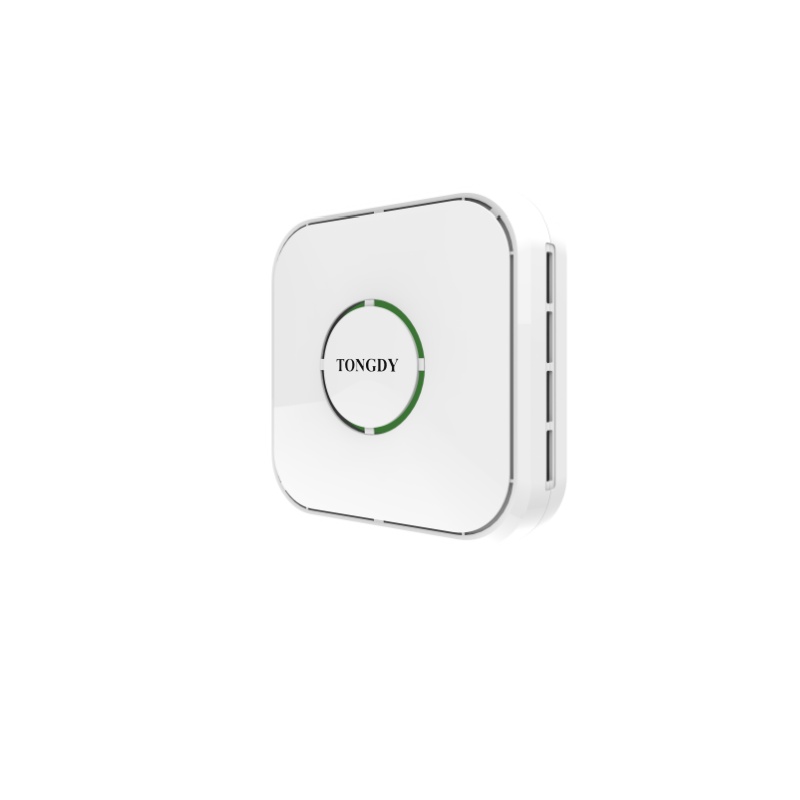
Duct Multi-Gas Air Quality Monitor
Flexible combination of up to 6 internal sensors for real-time duct air testing in public spaces.
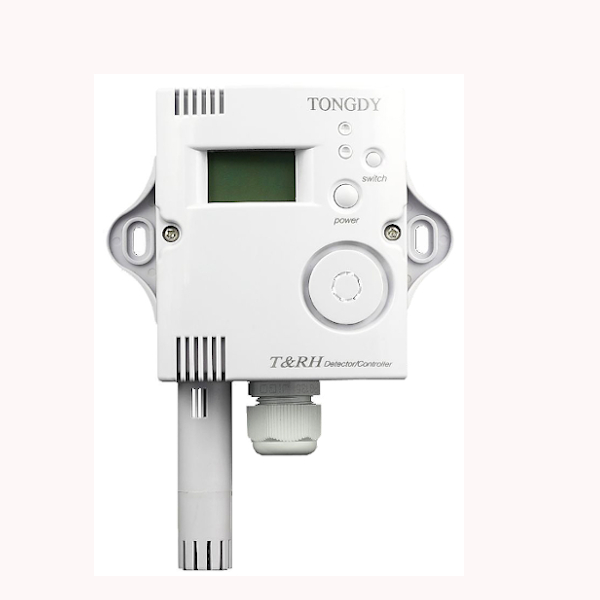
Duct Temp & Humidity Controller
High-stability thermal sensor probe designed for ventilation duct air testing & HVAC control.
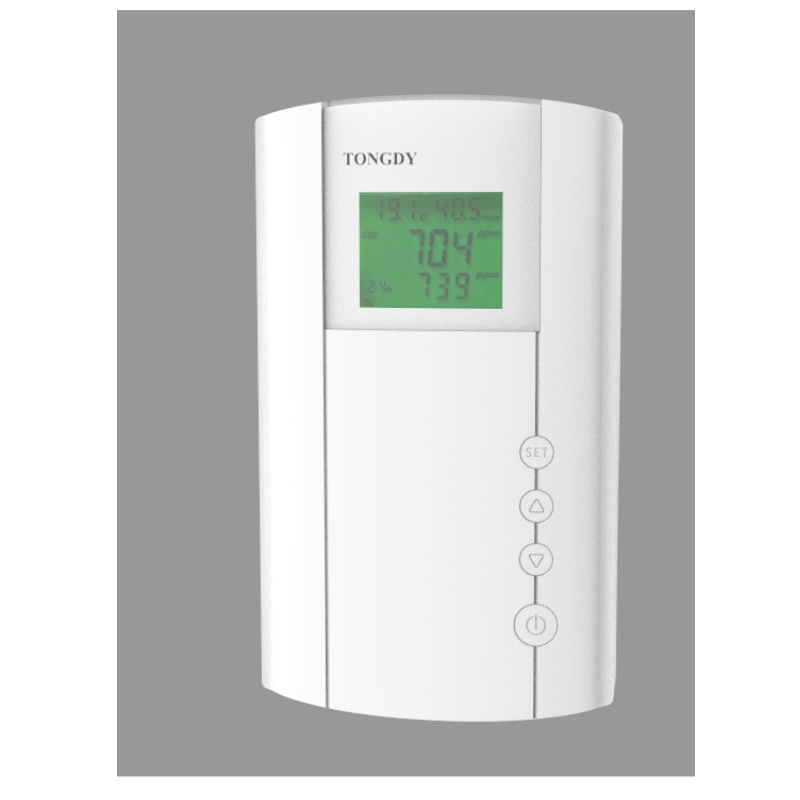
Duct CO2/VOC Monitor & Controller
Integrated NDIR CO2 and TVOC transmitter optimized for demand-controlled ventilation (DCV).
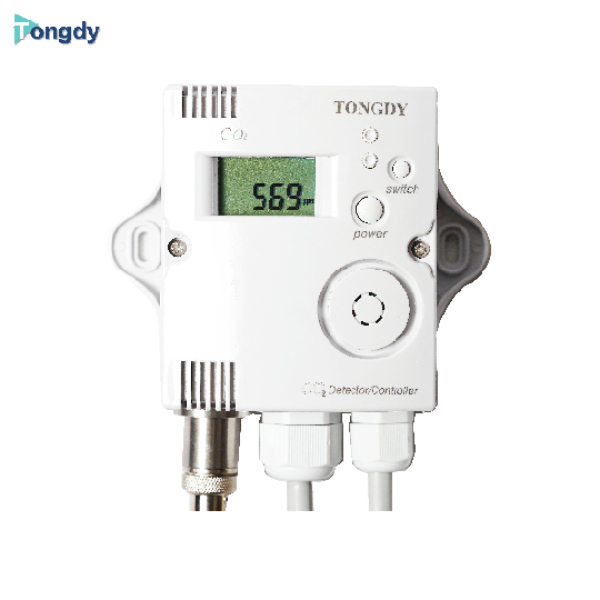
High-Flow CO2 Duct Controller
Plug and play carbon dioxide monitoring controller for public space ventilation & green facilities.
The Critical Role of Duct Air Quality Monitors in Public Space Testing
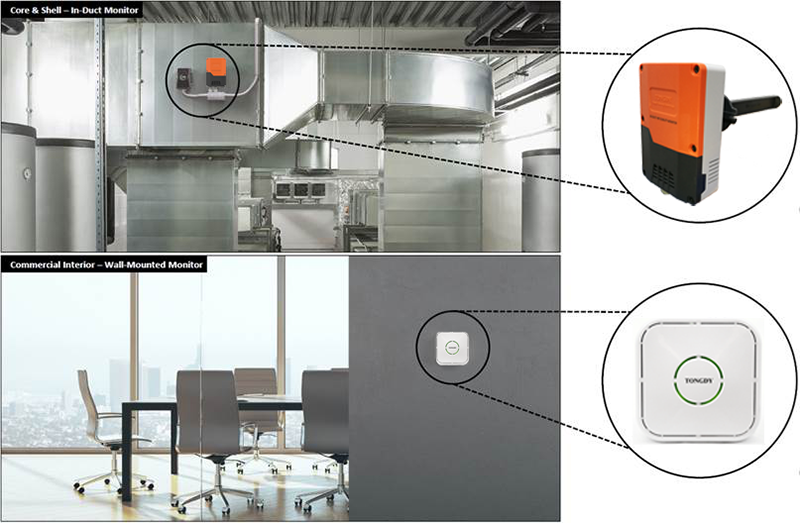
In modern urban infrastructure, public spaces such as international airport terminals, subway stations, shopping malls, convention centers, and high-density commercial towers experience massive human traffic. Ensuring clean, pathogen-free, and well-oxygenated indoor air has transitioned from a basic facility luxury to a mandatory public safety requirement. A Duct Air Quality Monitor For Public Space Air Testing plays a central role in this transformation by continuously evaluating air streams within Heating, Ventilation, and Air Conditioning (HVAC) ductwork before air is recirculated or distributed into occupied zones.
Unlike localized wall-mounted room sensors that only capture ambient air in immediate proximity, duct-mounted air quality monitors sample high-volume air streams directly from return air plenum or fresh air intake ducts. This delivers a comprehensive, spatially averaged representation of the air quality across entire building zones. By tracking parameters including Carbon Dioxide (CO2), Total Volatile Organic Compounds (TVOCs), Particulate Matter (PM2.5 / PM10), Carbon Monoxide (CO), and Ozone (O3), facility engineers can automate fresh air intake, optimize filtration performance, and drastically reduce airborne contagion risks.
Key Industry Takeaway: In-duct sensing provides the truest representation of overall indoor air dynamics in large public spaces. Real-time data streams integrated into Building Management Systems (BMS) enable Demand-Controlled Ventilation (DCV), yielding energy savings up to 35% while maintaining strict indoor air quality (IAQ) compliance.
- Continuous Air Stream Sampling: Detects airborne pollutants before they circulate across public corridors.
- Tamper-Proof Operation: Installed inside ventilation ducts to prevent physical damage or public tampering.
- BMS & IoT Synchronization: Native Modbus RS485 and BACnet interfaces for real-time HVAC automation.
- Green Building Standard Compliance: Directly supports LEED v4.1, WELL Building Standard™, and RESET Air requirements.
Commercial & Industrial Application Scenarios for Duct IAQ Testing
Transit Hubs & Airport Terminals
Airports and mass transit stations suffer from rapid occupancy spikes and external pollution ingress (jet fuel exhaust, particulate matter from urban traffic). Duct-mounted monitors installed in supply and return air channels track CO2 build-up during peak boarding hours and trigger high-efficiency particulate air (HEPA) or electrostatic precipitator filtration when PM2.5 levels rise.
Commercial Complexes & Malls
Large retail centers contain diverse micro-environments, from food courts emitting high TVOCs and odors to retail stores requiring optimal thermal comfort. Duct air testing allows smart dampers to dynamically balance fresh air delivery to high-occupancy zones, significantly lowering fan electricity consumption without compromising air purity.
Educational & Municipal Buildings
High CO2 concentrations in public lecture halls, municipal auditoriums, and school corridors lead to drowsiness and diminished cognitive performance. Duct IAQ monitoring provides continuous baseline logging, ensuring ventilation units maintain CO2 levels strictly below 800 ppm as recommended by international health guidelines.
Technological Architecture & Evolving Industry Trends
Pitot Tube & Flow-Sampling Probe Design
In-duct air monitoring presents unique physical challenges, including turbulent high-velocity airflow, pressure differentials, and dust accumulation inside ductwork. Modern duct air monitors utilize aerodynamic Pitot sampling probes that collect cross-sectional air samples smoothly across duct diameters. This prevents pressure drop anomalies and ensures steady air delivery across internal optical sensors.
Multi-Sensor Integration & Sealed Cast Aluminum Modules
Industrial-grade duct monitors incorporate sealed cast aluminum chambers housing multiple modular sensor cartridges. NDIR (Non-Dispersive Infrared) sensors deliver non-drifting CO2 measurement, while laser scattering particle counters assess PM2.5/PM10 fractions. Electrochemical cells monitor harmful gases like Ozone (O3) and Carbon Monoxide (CO), ensuring whole-spectrum indoor environment oversight.
ESG, ASHRAE 241 & Green Building Certification
The global HVAC sector is undergoing a massive shift driven by ESG (Environmental, Social, and Governance) targets and new air safety standards such as ASHRAE Standard 241 for Control of Infectious Aerosols. Building owners seeking certifications under WELL v2 or LEED v4.1 must provide verifiable, continuous indoor air quality data logs.
Smart Building Integration: By communicating directly via BACnet MS/TP or Modbus RTU protocols, duct sensors empower modern smart buildings to autonomously regulate air handling units (AHUs), variable air volume (VAV) boxes, and air purification equipment in real time.
Tongdy Sensing Technology Corporation
Help You Build and Maintain a Healthy Indoor Environment
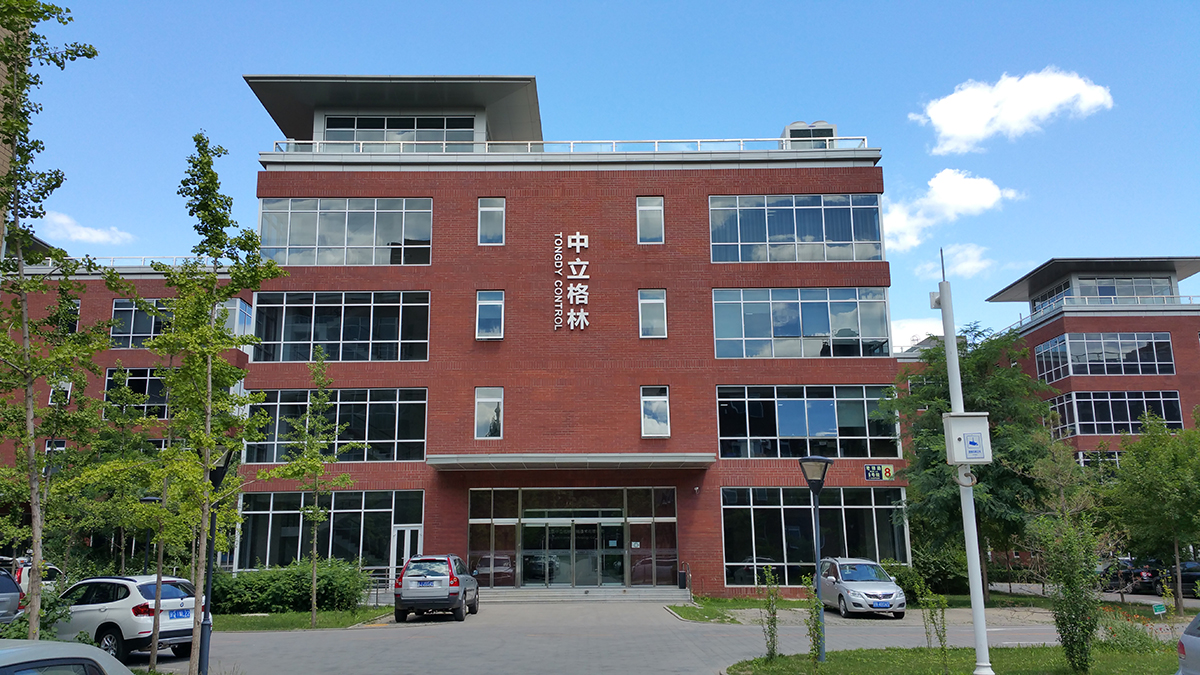
Our work makes a difference in helping you make healthy indoor air quality. As one of the earliest companies in China engaged in air quality monitoring products, Tongdy has been always focusing on its strong technology development and design capabilities on indoor air quality monitors.
Focus on Air Quality Detection and Control over 15 Years
We foster research and development on obtaining accurate air quality data, help you well understand and improve the air you breathe by quantitative assessment and data analysis. For pursuing our ultimate purpose of creating healthy indoor air quality, we’re committed to obtaining real and accurate data and cultivating the next generation of innovators in technology and engineering.
Social Responsibility
Tongdy actively develops air quality monitors and is devoted to healthy indoor air quality, striving to become an excellent enterprise model. As a corporate citizen, Tongdy has contributed to public welfare undertakings such as cooperating with public benefit corporations like WELL—the world’s leading organization focused on deploying people-first places to advance a global culture of health, especially exploring the impact of indoor air quality to people’s health based on The WELL Building Standard™.
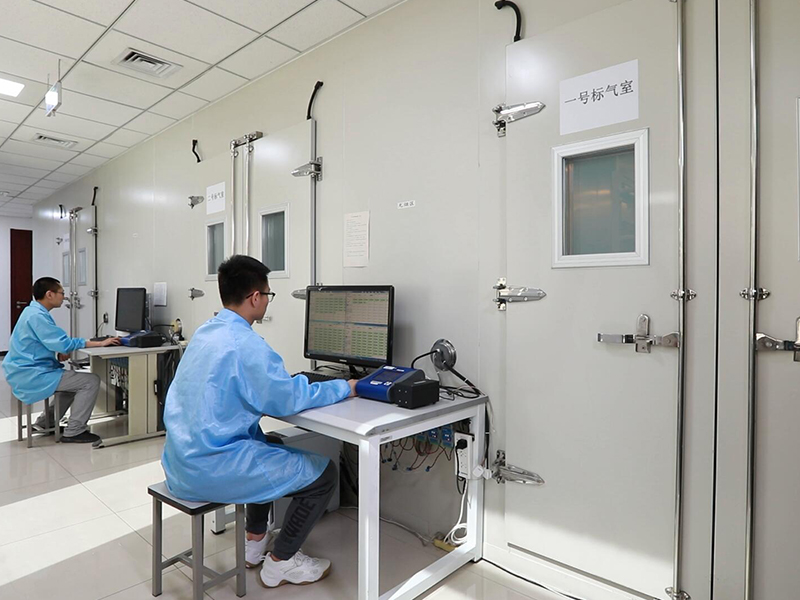

Our Values & Why Choose Tongdy
Exclusive Innovative Calibration Algorithm
Proprietary technology and effective calibration methods to support higher data accuracy in different operational environments.
Unique Professional Multi-Sensor Module
Special multi-sensor module with sealed cast aluminum structure housing up to six internal high-precision sensors.
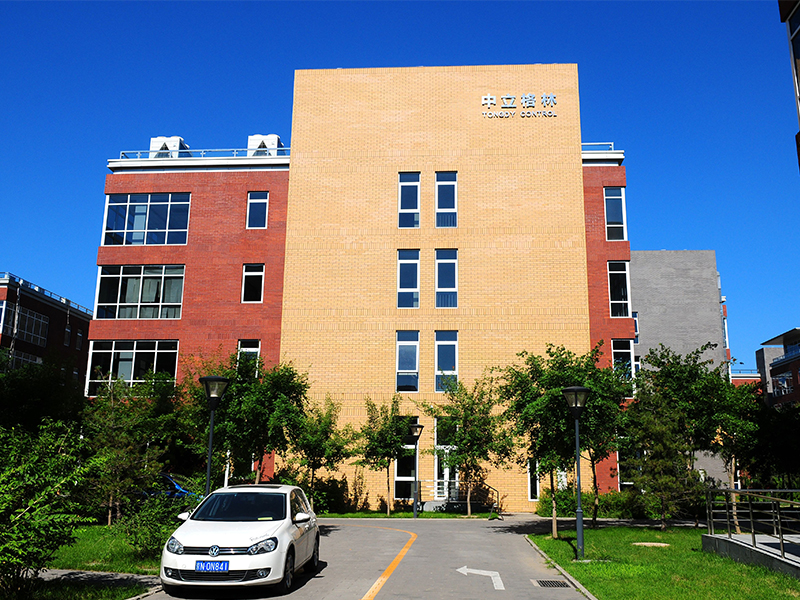
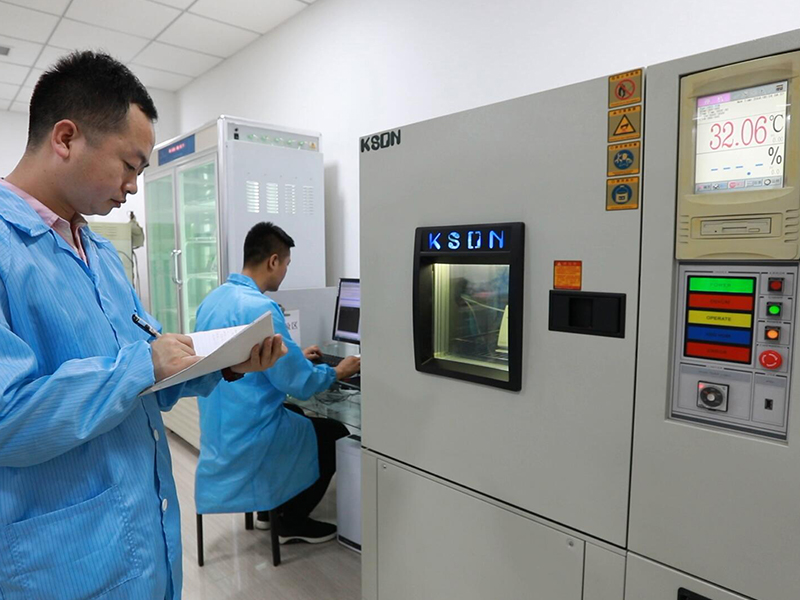
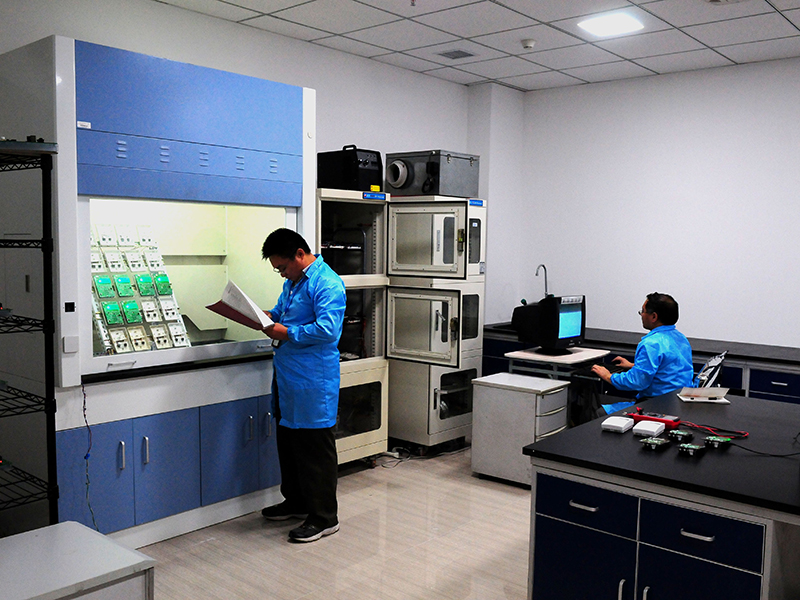
Continuous R&D Investment & Quality Control
Tongdy-owned massive investment in research and development ensuring supreme product reliability, longevity, and innovation.
Real-Time Monitoring & Historical Data Analysis
The "MyTongdy" platform helps you analyze air quality data seamlessly on PC or mobile applications to optimize IAQ.
The Expert of Indoor Air Quality Data
Over 15 years of continuous experience in IAQ data collection, helping commercial clients make data-driven health decisions.
Why Tongdy Solutions?
20+ Years of Expertise in IAQ & HVAC Solutions:
Trusted by global clients for high-quality products and professional engineering services, fully compliant with international Green Building standards.
100+ Monitoring and Control Products:
Over 100 commercial-grade monitors and controllers, including CO2, single-gas, and multi-sensor solutions for HVAC, BMS, and green building applications.
Reliable and Accurate Data:
Providing smart building managers with actionable, real-time data to make informed, automated air handling decisions.
Tailored to Your Specific Needs:
Flexible hardware architecture, professional engineering support, and fast delivery enable cost-effective, customized gas detection and ventilation control solutions.
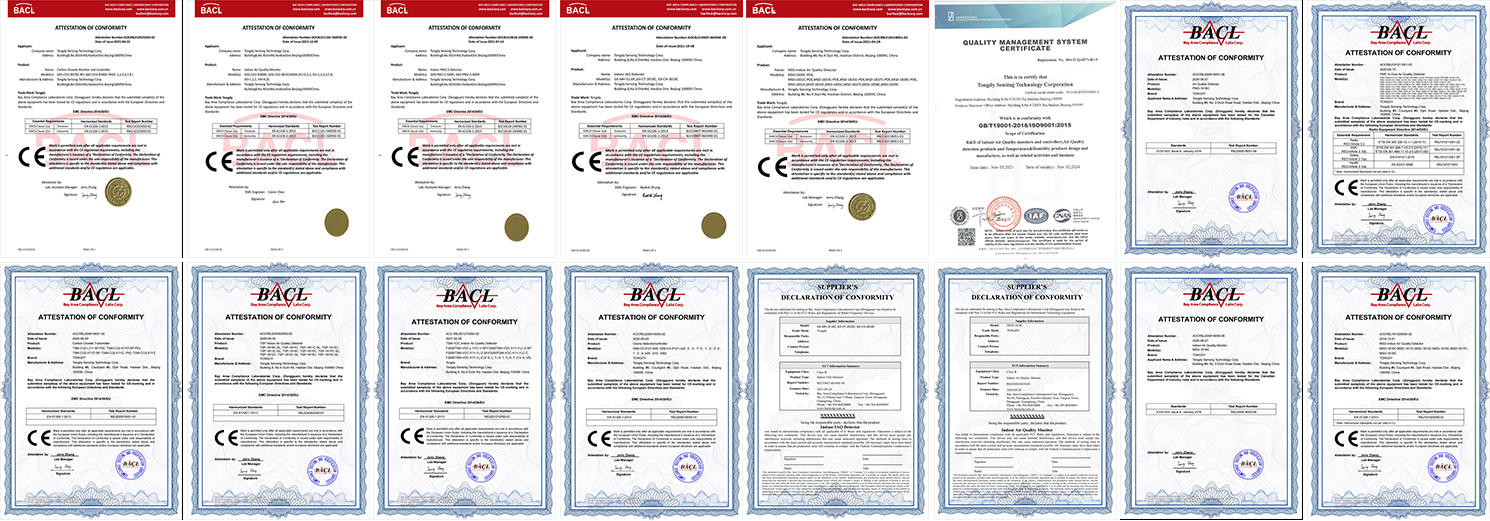
Certificates and Honor
Explore Our Full Range of Duct & IAQ Monitoring Solutions
Indoor Air Gases Monitor
Multi-sensor flexible combination monitor for public space gases and particulate matter.
Temperature & Humidity Monitor Controller
Industrial precision micro-climate monitor designed for ventilation duct air testing.
CO2 Monitor and Controller (Temp/RH/VOC)
Multi-parameter controller for HVAC duct integration and smart fresh air optimization.
Greenhouse CO2 Controller Plug & Play
Heavy-duty CO2 controller for rapid deployment in high-volume air duct testing systems.
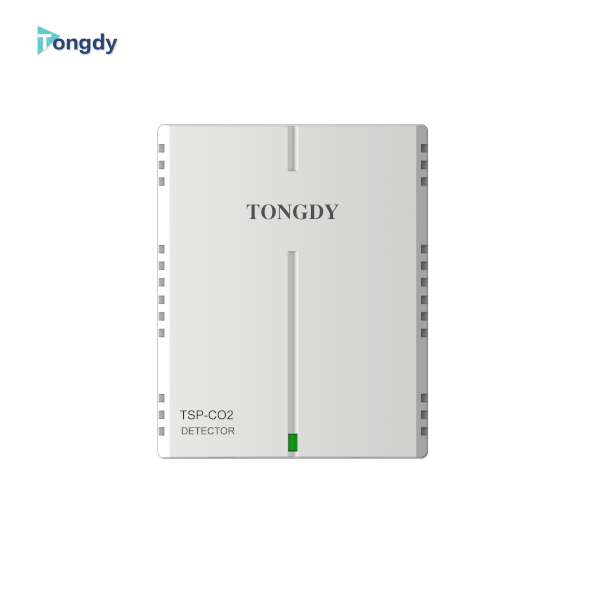
Carbon Dioxide Meter with PID Output
In-duct transmitter featuring direct PID control loop signals for automated fan dampers.
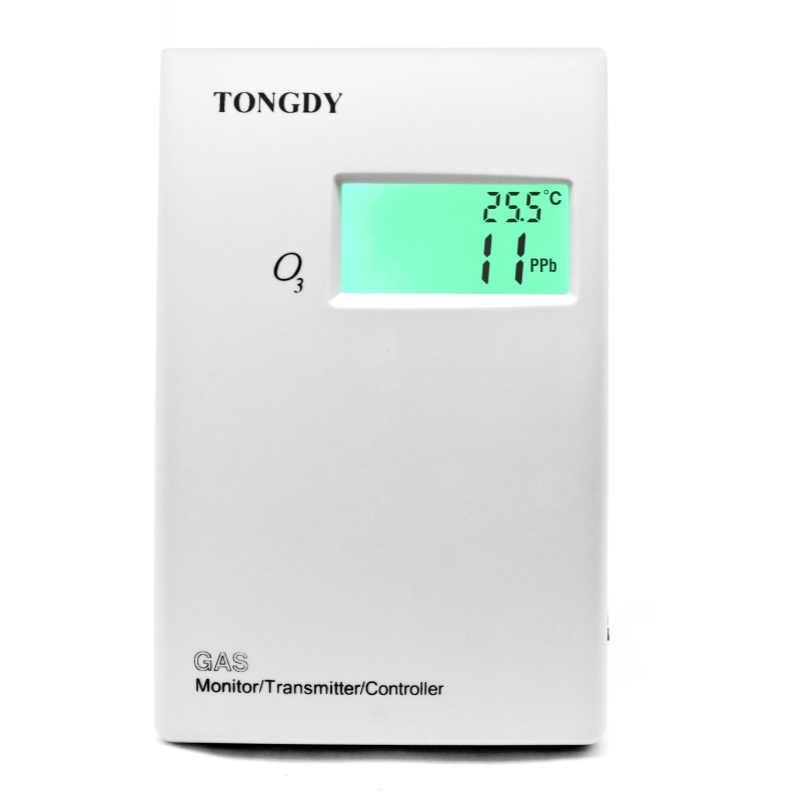
Ozone Gas Monitor Controller with Alarm
High-sensitivity O3 detector for duct disinfection validation and safety alarming.
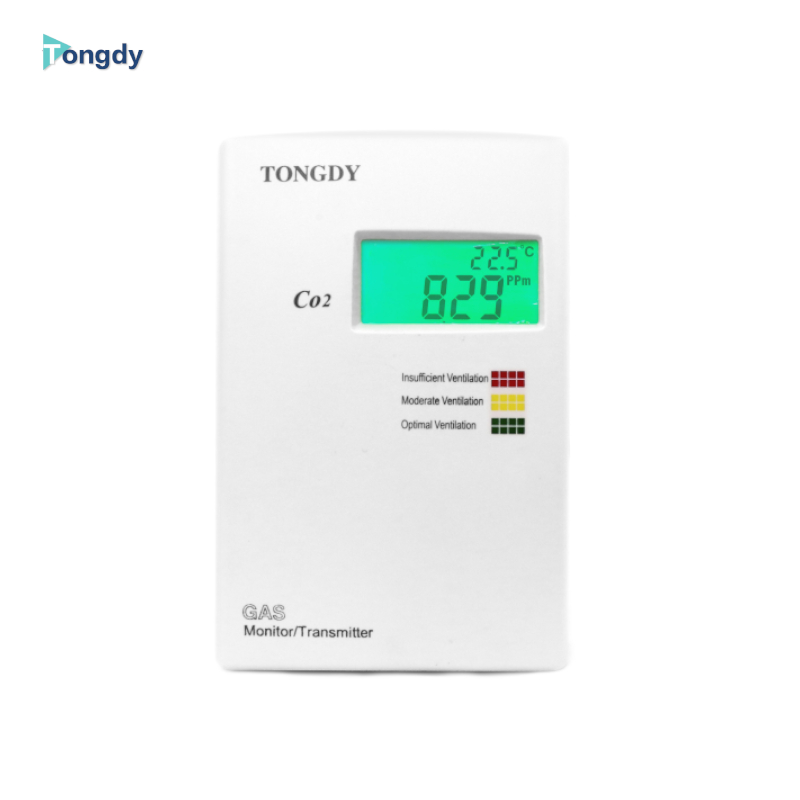
CO2 Sensor with Temp & Humidity Option
Compact duct-mount sensor unit delivering reliable CO2, RH, and temperature data.
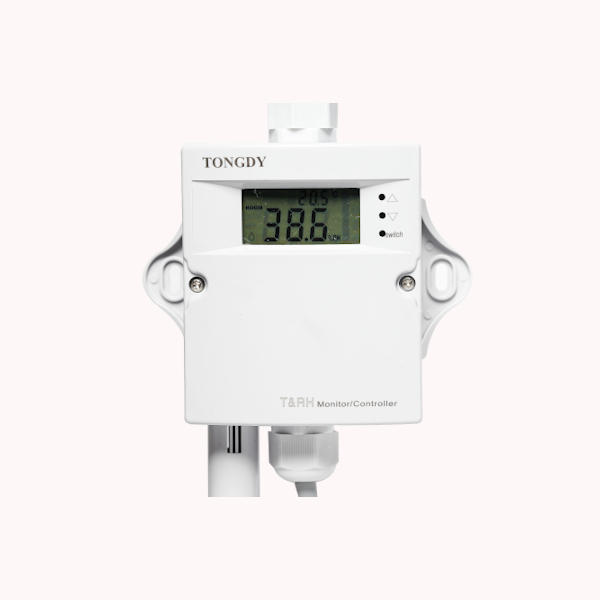
Dew-proof Humidity Controller Plug & Play
Specialized anti-condensation moisture transmitter for commercial ductwork environments.