

Featured CO2 & IAQ Sensor Transmitters
Explore our top-grade inline transmitters and OEM modules designed for direct HVAC integration and intelligent duct monitoring.
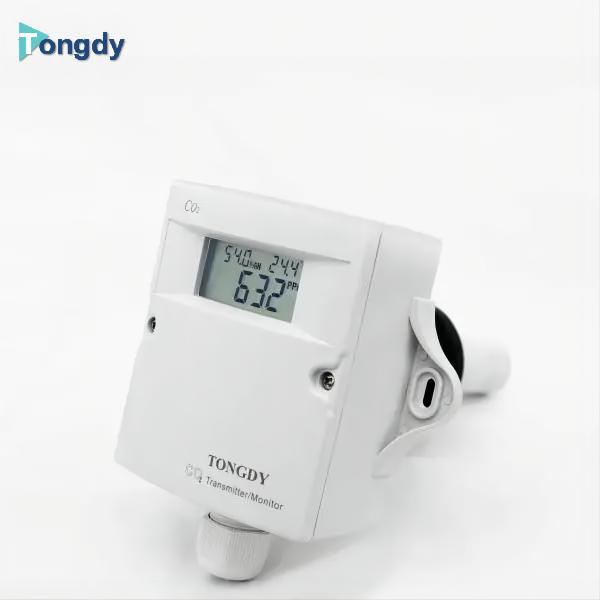
Duct Air Quality CO2 TVOC Transmitter
View Product Details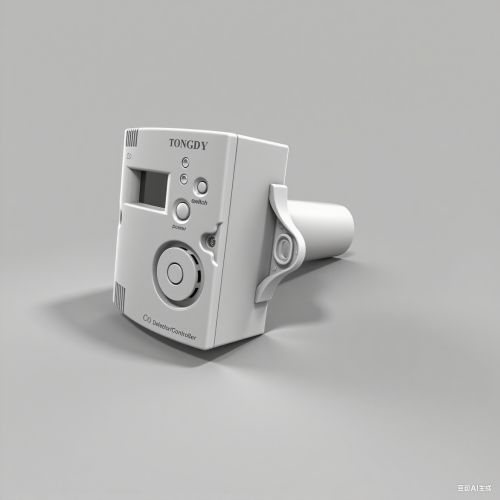
In-Duct Multi-Gas Sensing and Transmitter
View Product Details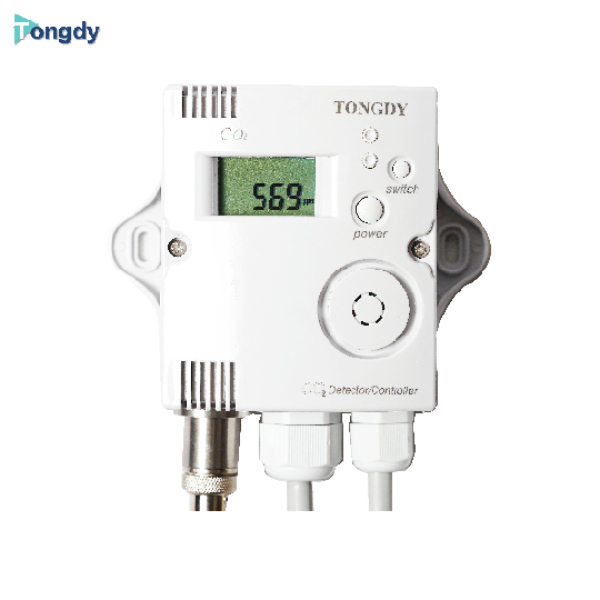
Greenhouse CO2 Controller Plug and Play
View Product Details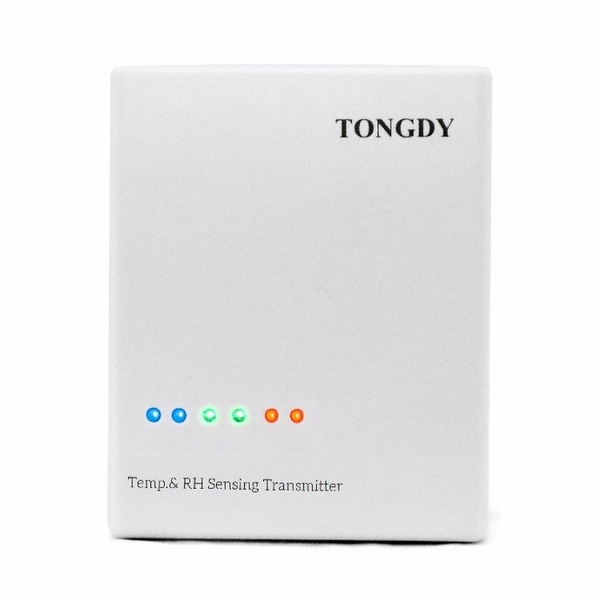
Temperature & Humidity Sensing Data Logger (RS485/WiFi)
View Product DetailsThe Growing Demand for Advanced CO2 Sensor Modules in Tokyo’s Market
As one of the world's most densely populated global business hubs, Greater Tokyo presents a unique urban infrastructure characterized by high-rise commercial towers, complex underground transit systems, expansive manufacturing facilities, and stringent indoor environmental regulations. Tokyo's smart building market is undergoing a structural transition toward energy-efficient HVAC (Heating, Ventilation, and Air Conditioning) management and enhanced Indoor Air Quality (IAQ) monitoring.
Under the Japanese Act on Maintenance of Sanitation in Buildings (Building Sanitation Law), commercial and public indoor environments are mandated to maintain carbon dioxide (CO2) concentrations below 1,000 ppm. Furthermore, with the Tokyo Metropolitan Government's aggressive decarbonization targets aiming for a 50% reduction in greenhouse gas emissions by 2030, commercial property developers in business districts like Marunouchi, Roppongi, Toranomon, and Shinagawa are retrofitting existing structures and developing new smart towers outfitted with dynamic Demand-Controlled Ventilation (DCV) systems powered by high-precision OEM carbon dioxide sensor modules.
Key Drivers of CO2 Sensing Technology Adoption in Japan
Sensing precision and stability are critical factors for Tokyo-based HVAC manufacturers, system integrators, and industrial engineers. The demand for reliable CO2 sensor modules is propelled by several key trends across the Kanto regional market:
Demand-Controlled Ventilation (DCV)
Integrating realtime CO2 sensors into fresh air dampers enables smart HVAC systems to adjust fan speeds dynamically based on actual room occupancy, drastically reducing fan energy consumption without compromising ventilation safety.
Smart Green Buildings & Certifications
Properties aiming for CASBEE (Comprehensive Assessment System for Built Environment Efficiency), LEED, or WELL Building Standard certification require accredited continuous indoor air monitoring arrays to track CO2, TVOC, and PM2.5.
Precision High-Tech Manufacturing
Industrial centers surrounding the Tokyo Metropolitan Area—including Kanagawa, Saitama, and Chiba—depend on cleanroom-grade gas sensors for semiconductor, biological, and electronic fabrication lines.
Modern CO2 sensor modules rely on advanced single-beam or dual-beam NDIR (Non-Dispersive Infrared) optical technology. Dual-wavelength NDIR sensors utilize a reference optical channel to compensate for light source aging, temperature drift, and dust accumulation, ensuring baseline stability over 10 to 15 years of uninterrupted operation in commercial HVAC systems.
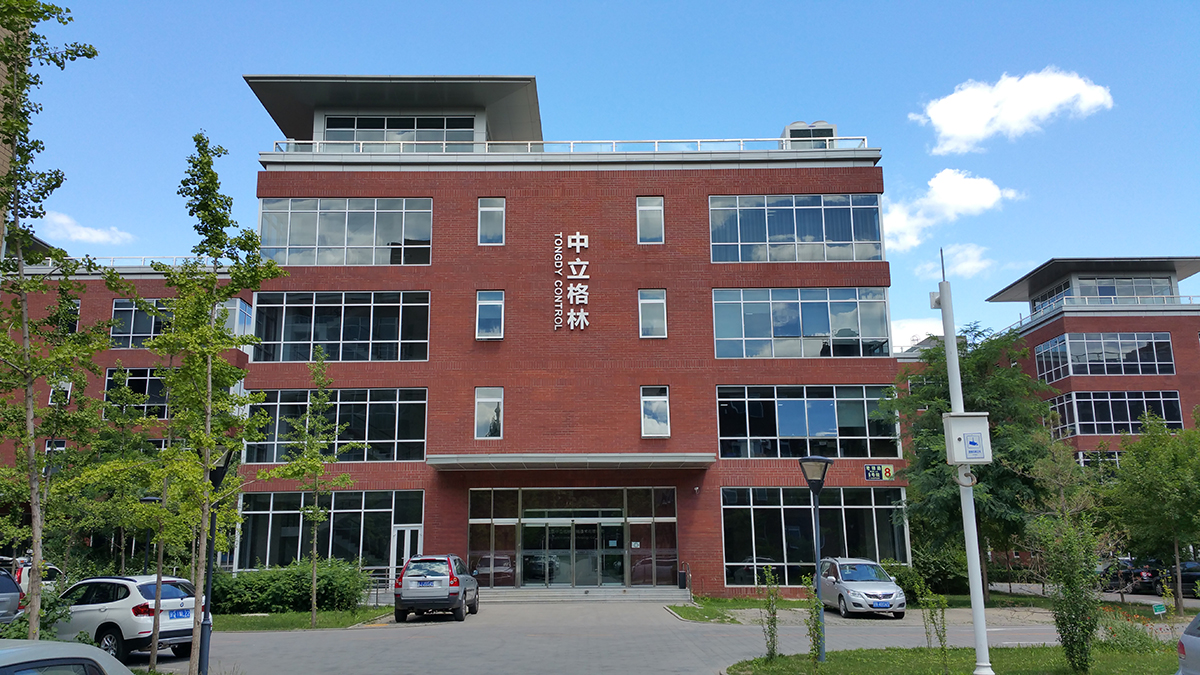
Tongdy Sensing Technology Corporation
Help You Build and Maintain a Healthy Indoor Environment
Our work makes a difference in helping you make the healthy indoor air quality. As one of the earliest companies in China engaged in air quality monitoring products, Tongdy has been always focusing on its strong technology development and design capabilities on the indoor air quality monitors.
Focusing on air quality detection and control for over 15 years, Tongdy fosters research and development on obtaining accurate air quality data, helping engineers and facility managers well understand and improve the air you breathe by quantitative assessment and quantitative data analysis.
For pursuing our ultimate purpose of creating healthy indoor air quality, we're committed to obtaining real and accurate data and cultivating the next generation of innovators in technology and engineering.
Our Engineering & Technological Values
Discover why equipment manufacturers and automation integrators in Tokyo trust our sensing solutions for critical applications.
Exclusive Innovative Calibration Algorithm
Proprietary technology providing an effective self-calibration baseline to support higher data accuracy across diverse climatic and operational environments in commercial facilities.
Unique Multi-Sensor OEM Modules
Specialized multi-sensor module housing sealed cast aluminum structures capable of integrating up to six sensors (CO2, TVOC, PM2.5, Temperature, Humidity, Carbon Monoxide) into a single compact housing.
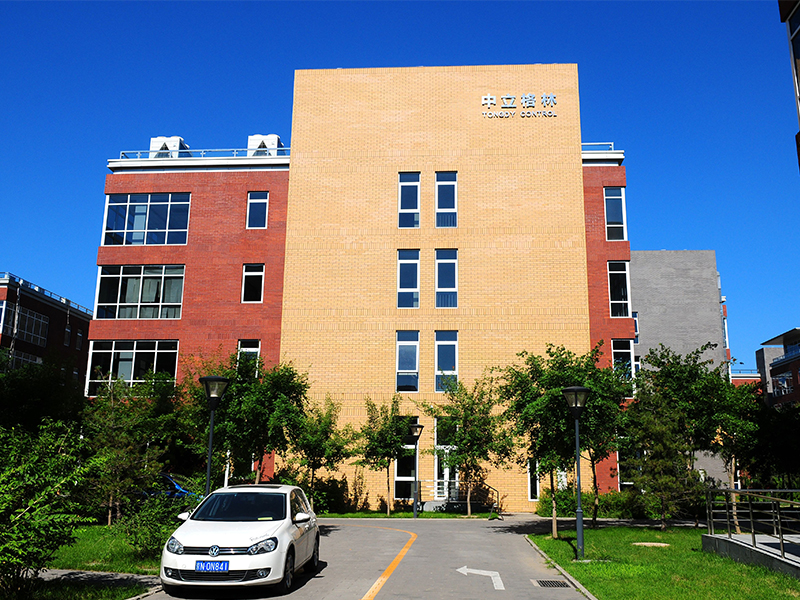
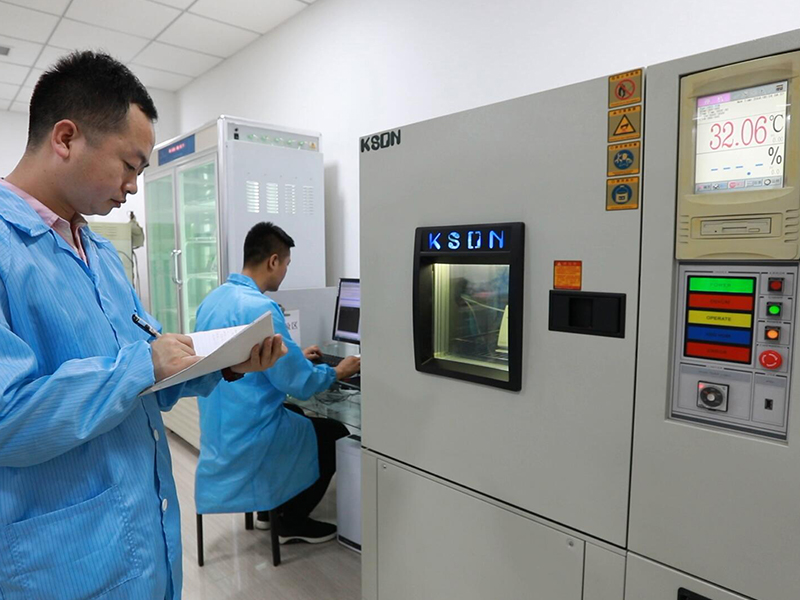
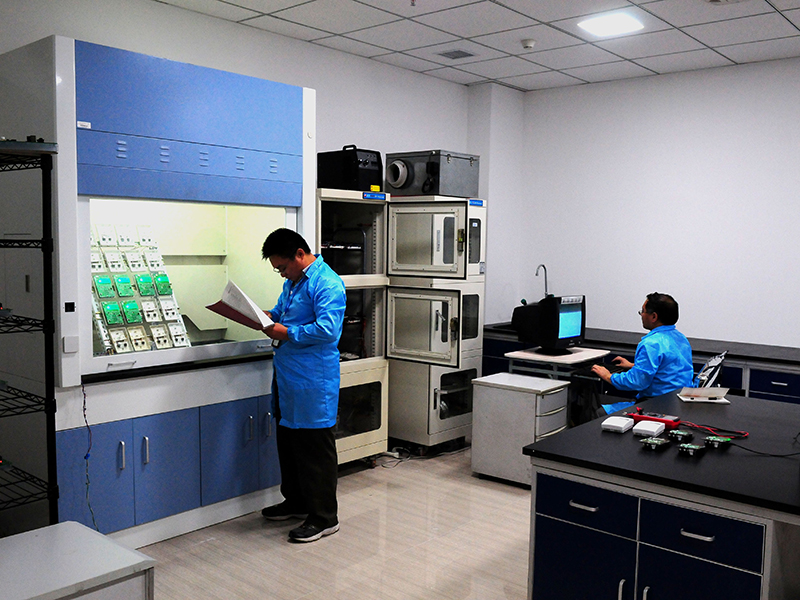
Continuous R&D & Strict QC
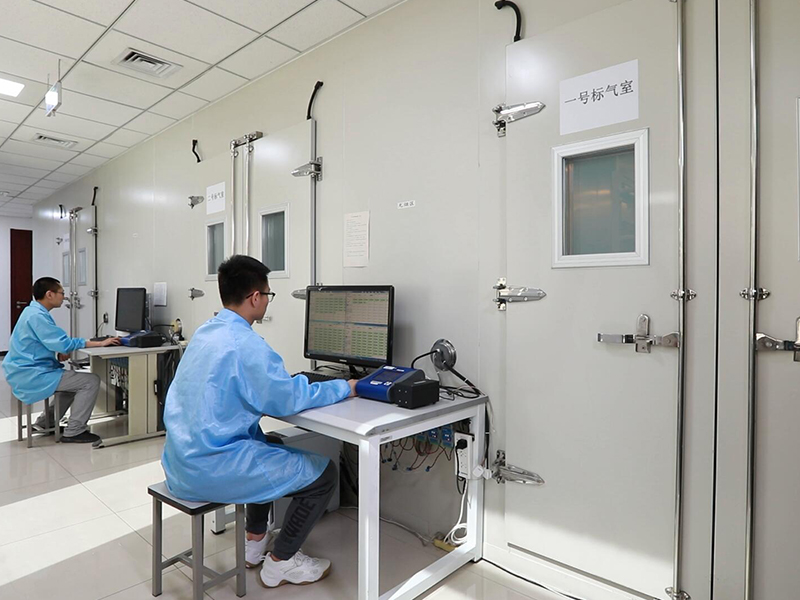
Substantial annual reinvestment into hardware design, firmware optimization, and environmental test chambers guarantees product reliability, high signal clarity, and rapid response times.
Real-Time Monitoring Platform
The "MyTongdy" platform empowers building managers to visualize, log, and analyze real-time air quality metrics via cloud PC portals or mobile applications with Modbus/BACnet integration options.
The Expert of IAQ Data
With over 15 to 20 years of dedicated experience in indoor air quality technology, Tongdy provides commercial-grade accurate data that drives health-centered building operational decisions.
Tailored OEM & Customization
Flexible hardware form factors, customized output communications (UART, I2C, 0-10V, 4-20mA, RS485), and customizable enclosure designs optimized for OEM partners in Tokyo.
Localized Application Scenarios for CO2 Sensors Across Greater Tokyo
CO2 sensor modules and integrated transmitters play a foundational role in modern Japanese urban infrastructure. Understanding how these sensors fit into regional systems illustrates why precision sensing hardware is crucial for local system integrators:
1. High-Density Office Towers & Smart HVAC Systems (BMS)
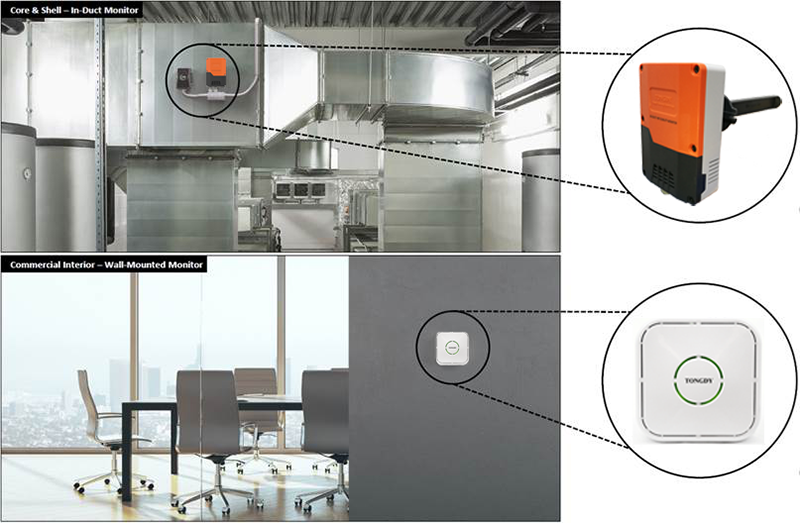
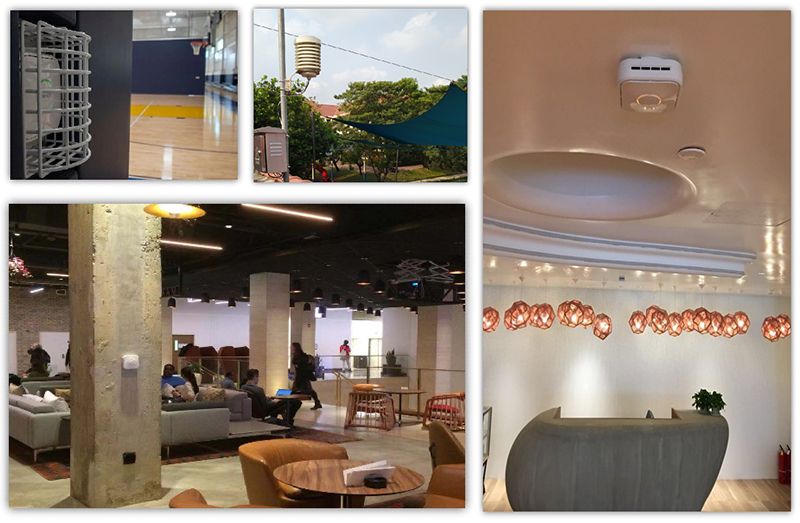
In Tokyo's commercial districts, such as Otemachi and Shinjuku, modern office buildings utilize automated Building Management Systems (BMS). CO2 sensor modules installed in return-air ducts or wall-mounted wall plates constantly feed ambient carbon dioxide data into the central control units. When occupancy spikes in conference rooms or public halls, CO2 levels rise. Transmitters automatically signal fresh air dampers to open, preventing drowsiness, headaches, and impaired cognitive function among building occupants.
2. Educational Institutions & Municipal Public Facilities
Tokyo's Metropolitan Board of Education has introduced enhanced ventilation guidelines across schools and public libraries. Compact CO2 monitors with visual status displays or network-connected sensors allow administrators to audit classroom air turnover rates continuously. Maintaining CO2 levels under 1,000 ppm fosters optimal learning environments while fulfilling post-pandemic health protocols.
3. Smart Greenhouses & Hydroponic Agriculture in Kanto Region
In the agricultural belts surrounding Greater Tokyo (Chiba, Ibaraki, and Tochigi), indoor farming, vertical plant factories, and smart greenhouses rely heavily on controlled CO2 enrichment. Plant photosynthesis consumes carbon dioxide rapidly; supplementing CO2 levels to between 800 ppm and 1,200 ppm significantly boosts crop yield and accelerates plant growth. Robust controllers like the Greenhouse CO2 Controller Plug and Play ensure stable concentration maintenance without over-dosing expensive gas feeds.
4. Cleanrooms, Laboratories & Healthcare Infrastructure
Tokyo’s pharmaceutical laboratories, biotechnology research centers, and hospital wards require cleanroom ambient monitoring. Transmitters measuring multi-gas parameters—such as CO2, Total Volatile Organic Compounds (TVOC), and fine particulate matter (PM2.5)—ensure compliance with healthcare safety standards and airborne contamination control.
Social Responsibility & Global Collaboration
Advancing human-centric building standards in collaboration with leading international healthy building organizations.
Tongdy actively develops air quality monitors and is devoted to healthy indoor air quality, striving to become an excellent enterprise model. As a corporate citizen, Tongdy has contributed to public welfare undertakings by collaborating with public benefit organizations like WELL—the world's leading organization focused on deploying people-first places to advance a global culture of health, exploring the impact of indoor air quality on human wellness based on The WELL Building Standard™.

Certificates and International Honors
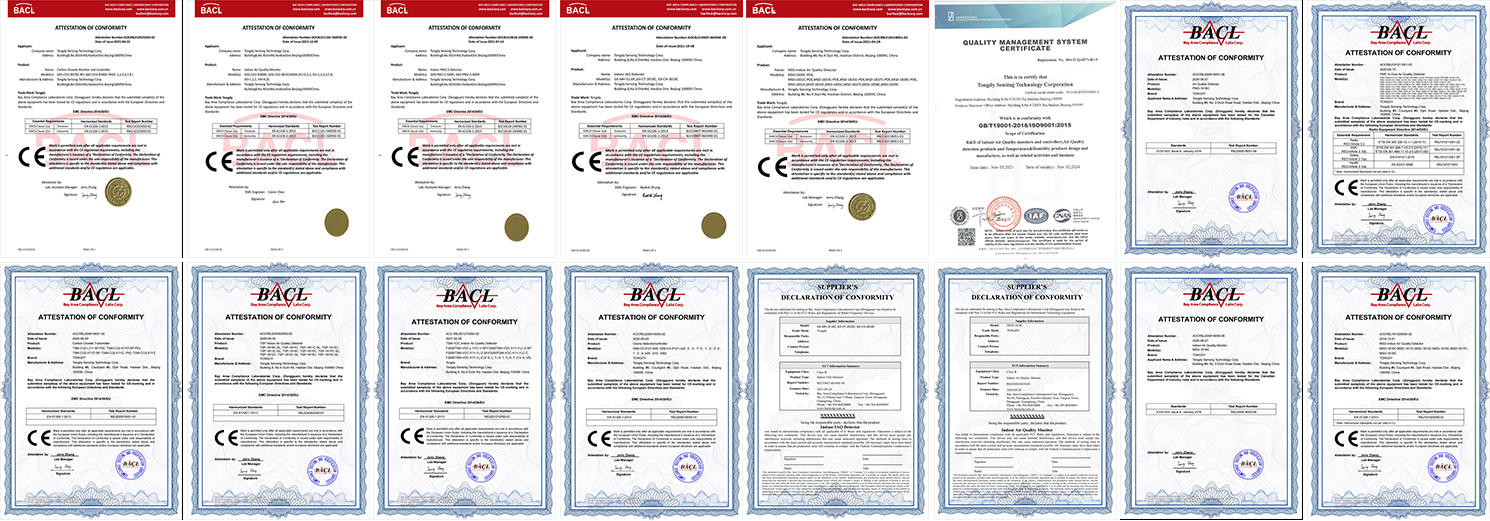
Rigorous quality standards certified by global testing bodies for high accuracy and long-term operating stability.
Complete CO2 Sensor & IAQ Transmitter Product Line
Browse our comprehensive selection of commercial gas detectors, OEM optical CO2 modules, and indoor air monitors.
Duct Air Quality CO2 TVOC Transmitter
View Details
In-Duct Multi-Gas Sensing and Transmitter
View Details
Greenhouse CO2 Controller Plug and Play
View Details
Temperature & Humidity Sensing Data Logger
View Details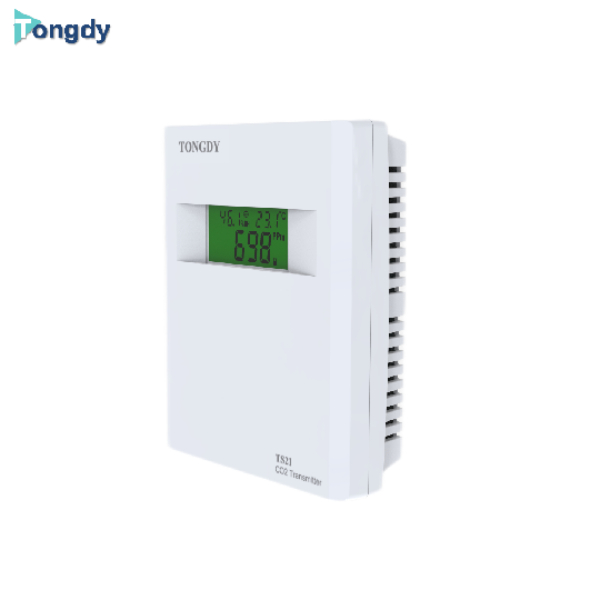
CO2 Transmitter in Temp & Humidity Option
View Details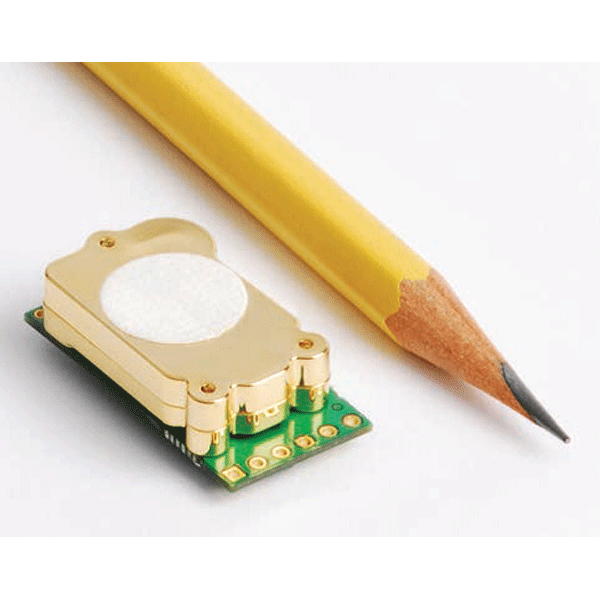
OEM Small CO2 Sensor Module (High Accuracy)
View Details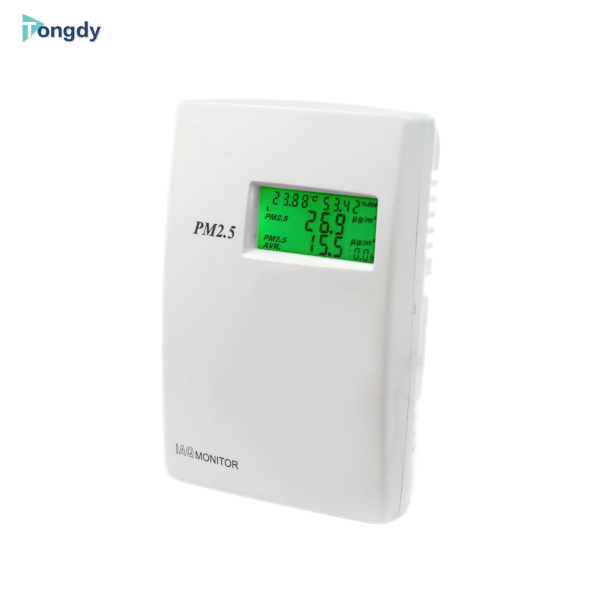
Air Particulate PM2.5 / PM10 Meter
View Details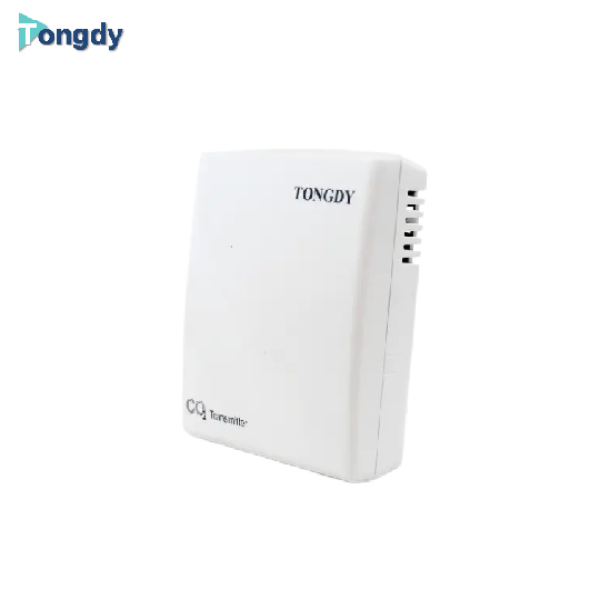
Basic OEM CO2 Gas Sensor Module
View DetailsPartnering with Tokyo Engineers & OEM System Manufacturers
Whether you are designing next-generation smart HVAC controllers, retrofitting high-rise office towers in Tokyo, or developing precise environmental monitoring instruments, Tongdy provides over 100 commercial-grade monitoring products and custom OEM sensing options. Contact our engineering team today to integrate high-precision, long-term stable CO2 sensor modules into your systems.