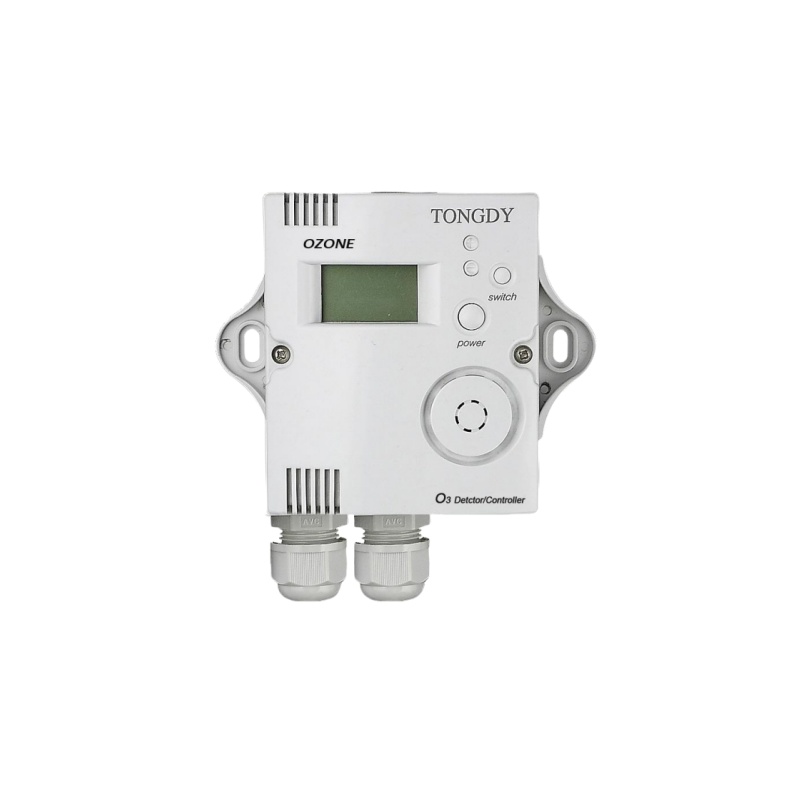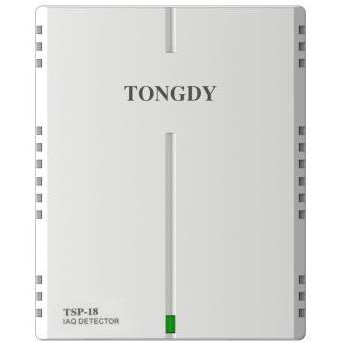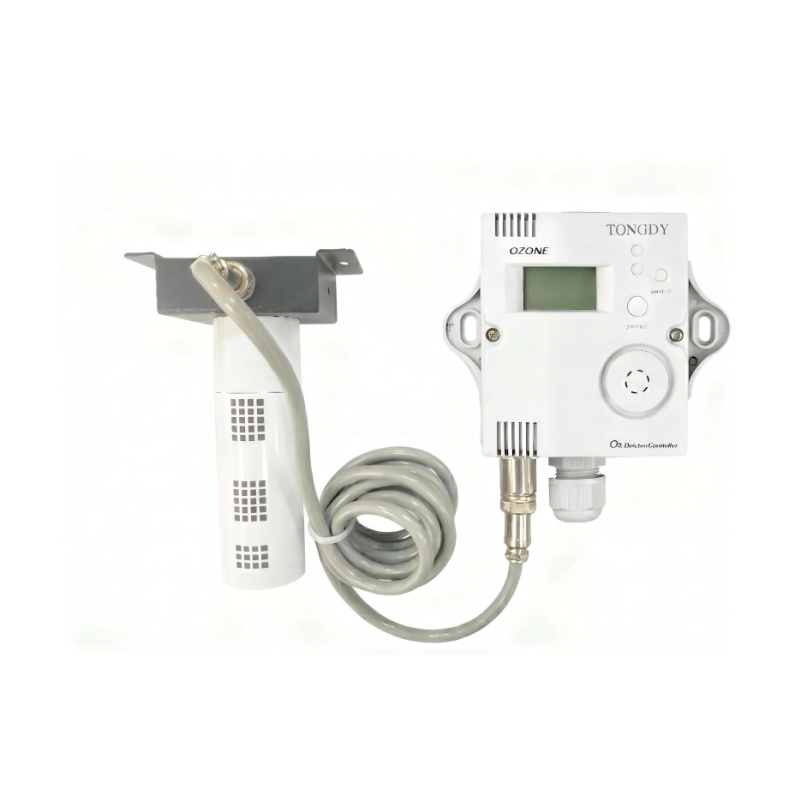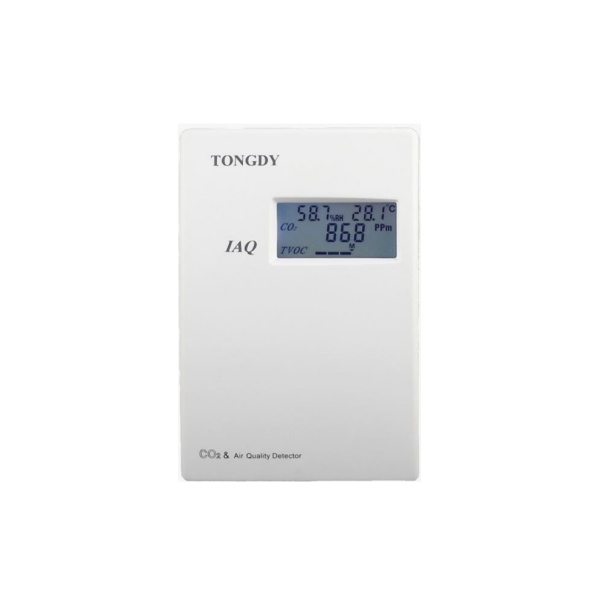

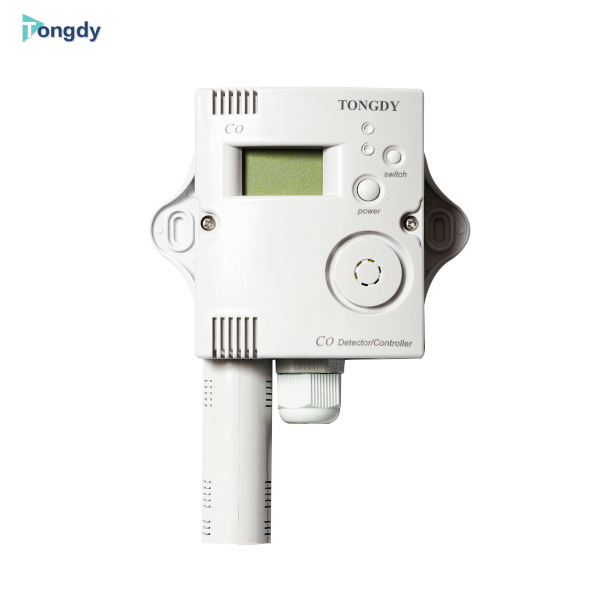
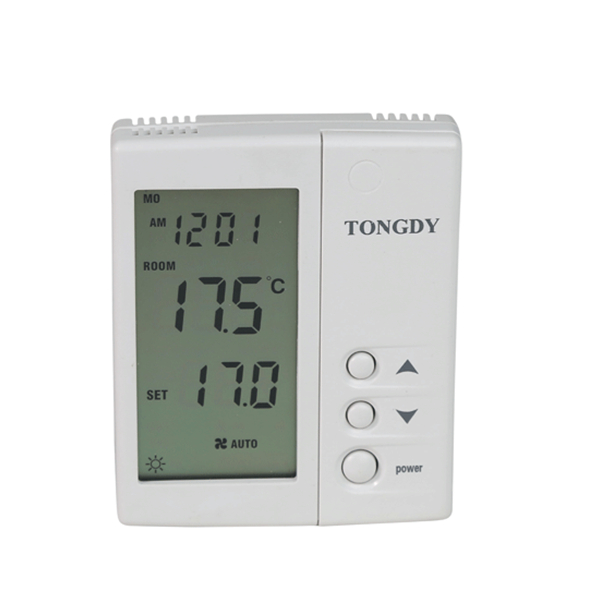
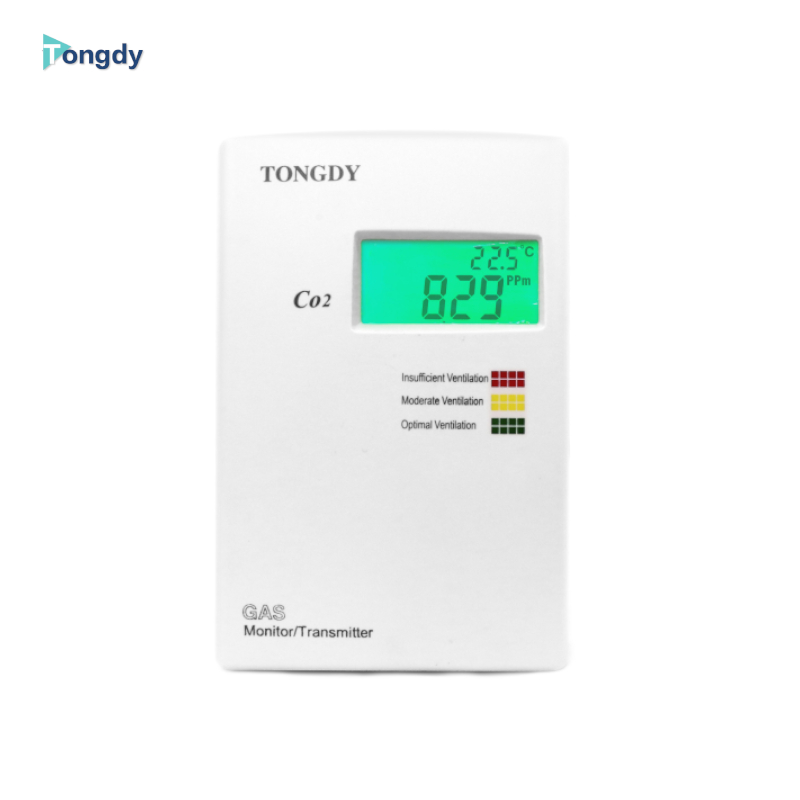
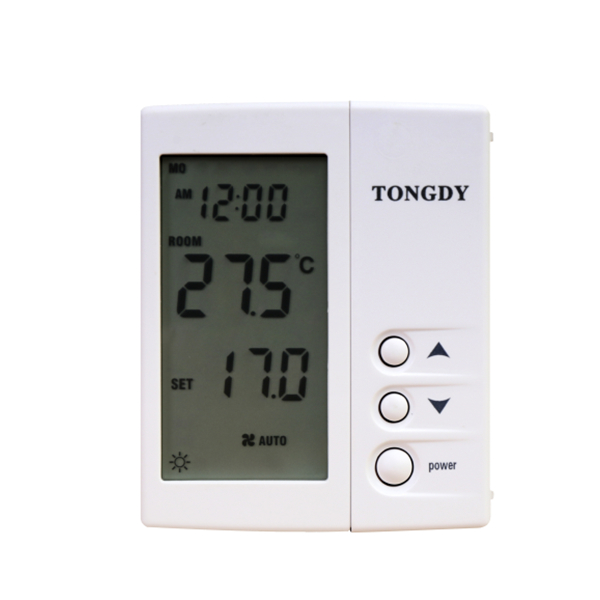
Featured Indoor Air Quality & Carbon Dioxide Transmitters
Explore our high-precision sensing instruments engineered for smart building management and pollutant detection.
1. The Imperative of Carbon Dioxide Transmitters in Modern Indoor Pollutant Detection
In contemporary architectural design and modern facility management, indoor air quality (IAQ) has ascended from a secondary comfort consideration to a fundamental metric of occupant health, cognitive performance, and energy sustainability. Among the complex spectrum of indoor airborne compounds, carbon dioxide (CO2) serves both as a direct metabolic pollutant and as the most reliable proxy indicator for overall indoor air stagnation and bio-effluent buildup. Integrating a high-precision Carbon Dioxide Transmitter For Indoor Pollutant Detection into modern Heating, Ventilation, and Air Conditioning (HVAC) systems is no longer optional—it is the baseline architecture of intelligent, human-centric buildings.
⚡ Key Insight: Why CO2 Monitoring Drives Building Health
High concentrations of indoor CO2—frequently exceeding 1,000 to 1,500 ppm in under-ventilated offices, classrooms, and commercial venues—lead directly to cognitive impairment, headache onset, drowsiness, and reduced decision-making efficacy. More critically, elevated CO2 levels strongly correlate with inadequate outdoor air exchange rates, dramatically increasing the residence time and transmission risk of respiratory aerosols, Total Volatile Organic Compounds (TVOCs), and particulate matter (PM2.5/PM10).
A professional-grade carbon dioxide transmitter operates as the digital nerve ending of dynamic building automation systems (BAS). By continuously capturing ambient CO2 concentrations and transmitting real-time telemetry over standard industrial protocols such as BACnet RS485, Modbus RTU, or wireless IoT networks, these devices enable Demand-Controlled Ventilation (DCV). Rather than operating ventilation fans at fixed, energy-wasteful maximum speeds, DCV modulates fresh air intake precisely according to actual occupancy loads, cutting facility HVAC energy expenditure by up to 45% while preserving optimal environmental hygiene.
2. Technological Architecture & Core Sensor Innovations
Not all gas sensing technologies are created equal. In demanding indoor environmental detection applications, long-term stability, baseline calibration retention, and resistance to environmental cross-sensitivity are essential prerequisites.
Dual-Beam NDIR Sensing
Non-Dispersive Infrared (NDIR) optical sensors represent the gold standard for CO2 telemetry. Utilizing specific light absorption bands at 4.26 µm, NDIR sensors deliver linear, highly accurate gas measurements unaffected by humidity fluctuations or secondary gas cross-interference.
Self-Calibration Algorithms
Equipped with proprietary Automatic Baseline Calibration (ABC) algorithms, modern transmitters continuously adjust their baseline against the lowest periodic indoor concentrations, eliminating long-term optical drift and guaranteeing multi-year maintenance-free operation.
Multi-Sensor Fusion Architecture
Modern carbon dioxide transmitters frequently incorporate unified multi-sensor modules, combining CO2 detection with TVOC, particulate matter (PM2.5/PM10), relative humidity, and temperature into a single, compact aesthetic enclosure.
3. Deep Application Scene Analysis across Industries
The commercial and industrial deployment of carbon dioxide transmitters extends across diverse environments, each presenting unique operational demands and regulatory standards.
🏢 Corporate Headquarters & Smart Commercial Offices
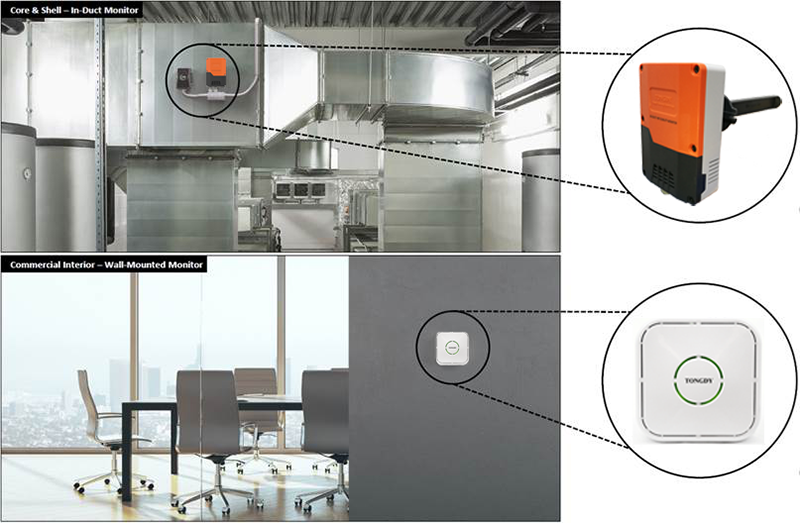
In modern open-plan corporate spaces and multi-tenant high-rises, occupancy levels fluctuate dynamically throughout the business day. Carbon dioxide transmitters positioned in return air ducts and occupied wall zones trigger variable air volume (VAV) dampers to supply fresh air precisely when meeting rooms or open floors reach capacity. This targeted approach prevents post-lunch productivity drops and fulfills strict requirements for WELL Building Standard v2 and LEED v4.1 certification credits.
🎓 Educational Institutions & University Auditoriums
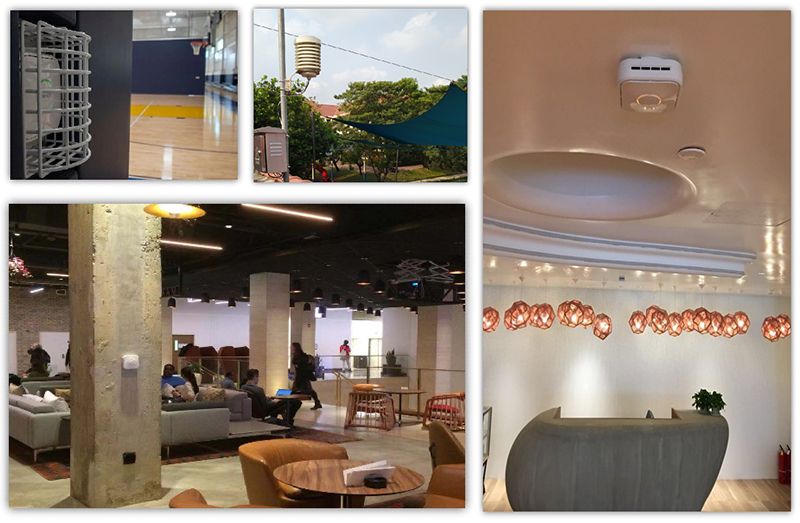
High student density in classrooms accelerates CO2 accumulation rapidly, often rising from ambient 420 ppm to over 2,000 ppm within a single lecture period. Extensive academic studies confirm that CO2 levels above 1,000 ppm impair complex problem-solving and information retention by over 15%. Wall-mounted CO2 monitors with visual 3-color LCD status indicators empower educators and automated ventilation controls to maintain target air change rates under 800 ppm.
🏥 Healthcare Facilities, Cleanrooms & Laboratories
In medical clinics, care wards, and isolation zones, ambient CO2 monitoring serves as an critical indicator of ventilation efficacy required to dilute airborne pathogens. Integrated multi-gas transmitters ensure continuous compliance with ASHRAE Standard 170 for healthcare ventilation, safeguarding immunologically vulnerable patients and medical staff.
🏭 Industrial Plants, Greenhouses & Cold Chain Storage
Beyond human comfort, CO2 transmitters play vital roles in industrial safety and commercial agriculture. In agricultural greenhouses, precise carbon dioxide enrichment monitoring accelerates crop photosynthesis rates. In cold storage facilities using sub-critical CO2 refrigeration loops, high-range CO2 safety transmitters trigger automated emergency exhaust fans and audible alarms in the event of refrigerant leaks.
4. Industry Trends & AI-Driven Predictive Air Quality
The indoor air quality market is undergoing a rapid evolution driven by IoT connectivity, cloud analytics, and artificial intelligence. The transition from reactive air monitoring to predictive environmental management defines the next generation of smart building infrastructure.
1. Integration with Digital Twins & AI Heatmaps: Enterprise facilities are integrating spatial real-time CO2 transmitter data directly into 3D BIM (Building Information Modeling) Digital Twins. AI algorithms process continuous data streams to predict airflow stagnation zones and auto-balance ventilation fan speeds before room meetings begin.
2. Cloud Telemetry & Remote Optimization: Wireless IoT carbon dioxide transmitters utilizing MQTT and LoRaWAN enable multi-site corporate real estate managers to evaluate IAQ compliance across global office portfolios via centralized cloud dashboards.
About Us — Tongdy Sensing Technology Corporation
Help you build and maintain a healthy indoor environment
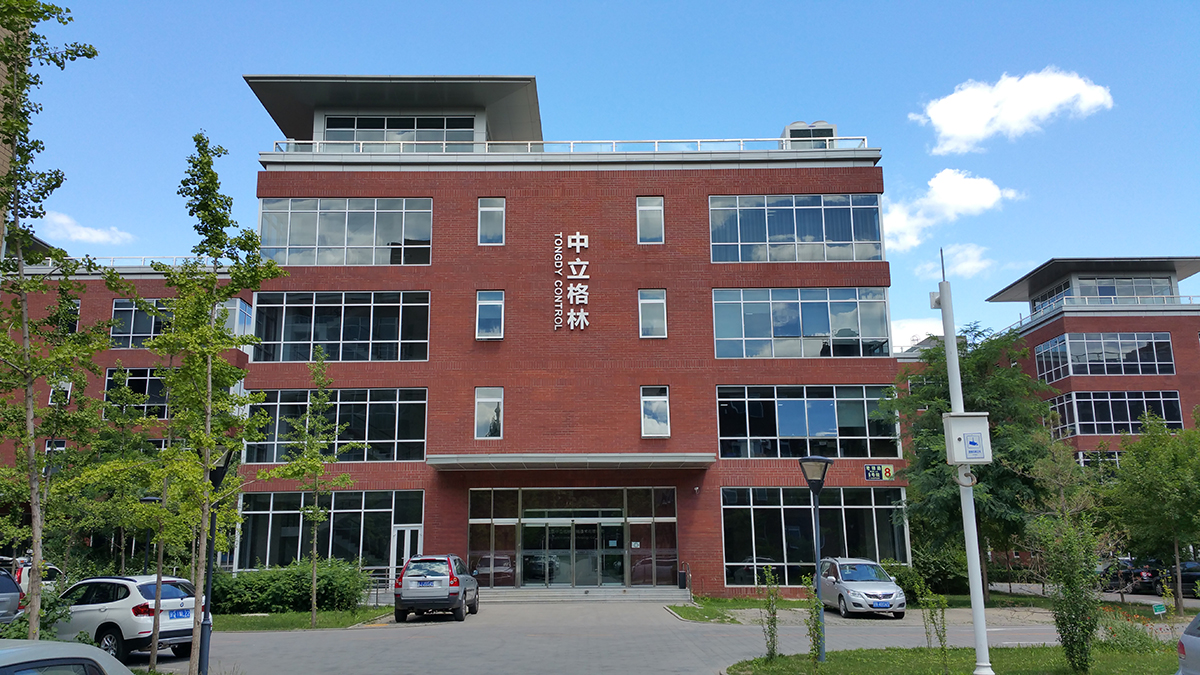
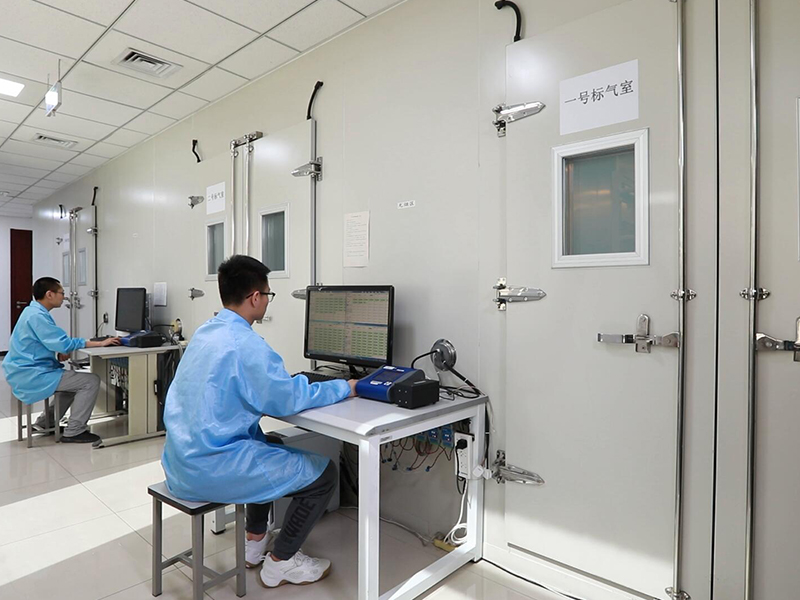
Our work makes a difference in helping you make healthy indoor air quality. As one of the earliest companies in China engaged in air quality monitoring products, Tongdy has been always focusing on its strong technology development and design capabilities on indoor air quality monitors.
Focus on air quality detection and control over 15 years
Our Purpose: We foster research and development on obtaining accurate air quality data, helping you well understand and improve the air you breathe by quantitative assessment and data analysis. For pursuing our ultimate purpose of creating healthy indoor air quality, we’re committed to obtaining real and accurate data and cultivating the next generation of innovators in technology and engineering.
Social Responsibility
Tongdy actively develops air quality monitors and is devoted to healthy indoor air quality, striving to become an excellent enterprise model. As a corporate citizen, Tongdy has contributed to public welfare undertakings such as cooperating with public benefit corporations like WELL—the world’s leading organization focused on deploying people-first places to advance a global culture of health, especially exploring the impact of indoor air quality on people’s health based on The WELL Building Standard™.

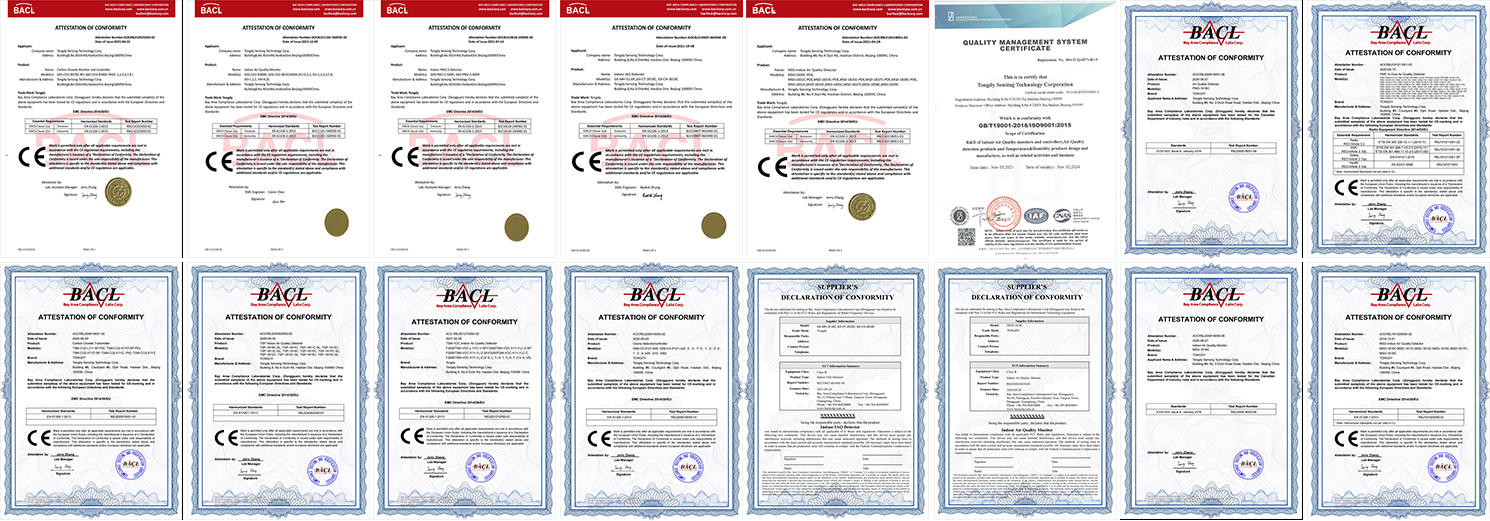
Certificates and Honor
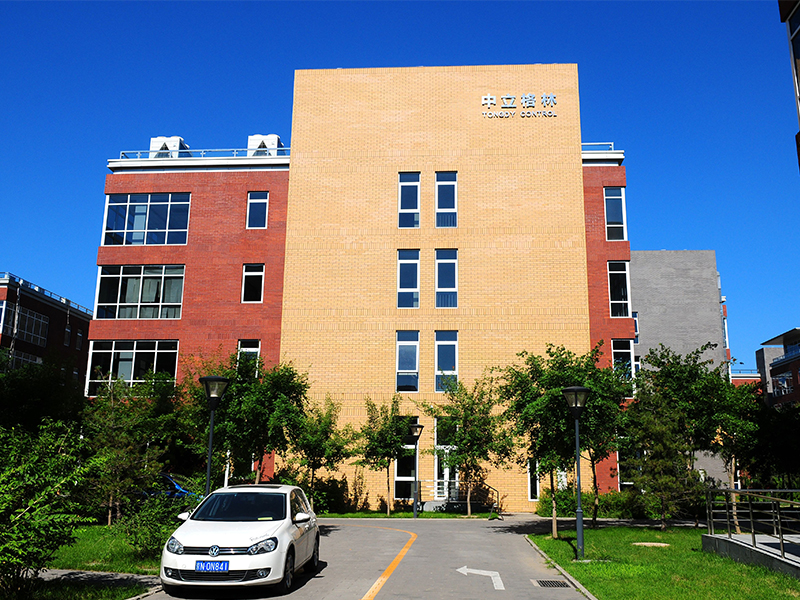
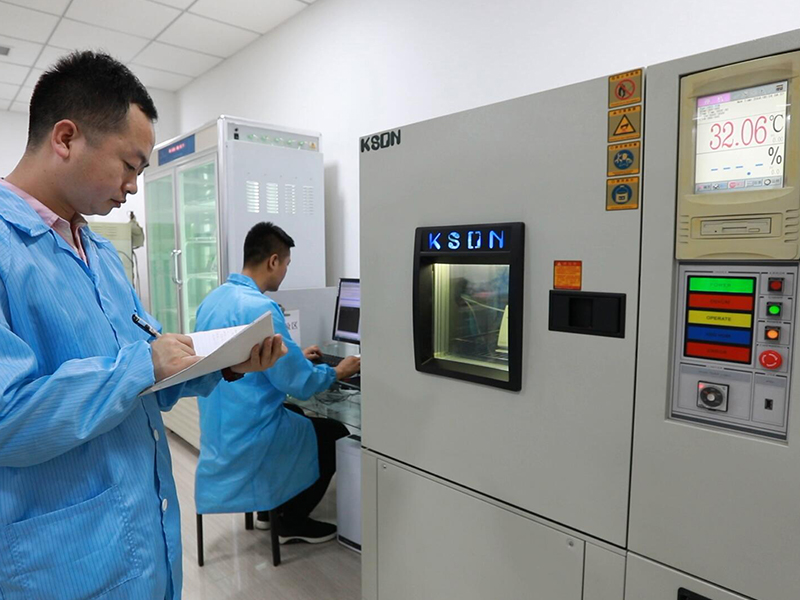
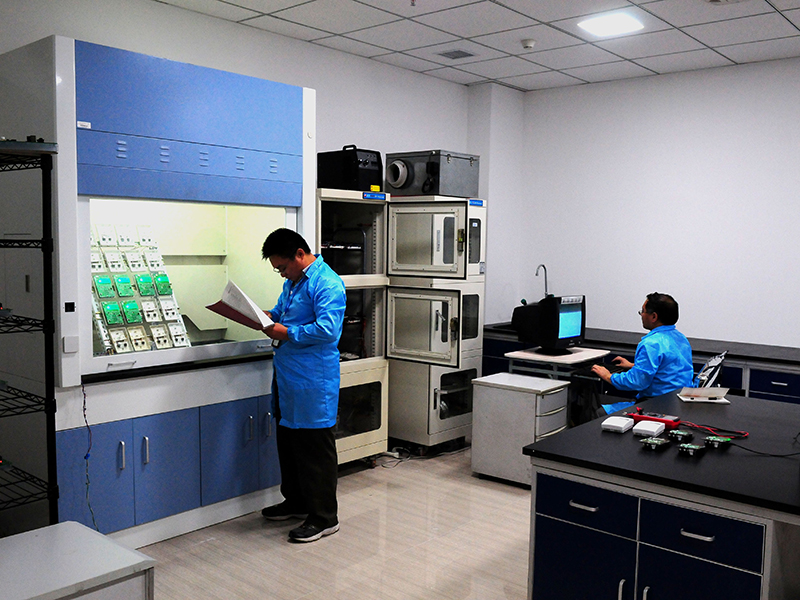
Our commitment to precision, quality manufacturing, and global standards compliance is recognized worldwide.
Our Values & Technical Advantages
Exclusive Innovative Calibration Algorithm
Proprietary technology delivers effective calibration methods to support higher data accuracy across varying environmental conditions and thermal ranges.
Unique Professional Multi-Sensor Module
Specialized multi-sensor modules engineered with sealed cast aluminum structures housing up to six high-precision sensors inside.
Continuous R&D & Strict Quality Control
Tongdy-owned facilities with substantial ongoing investment in research and development guarantee long-term product reliability, continuous innovation, and low failure rates.
Real-Time Telemetry & "MyTongdy" Platform
Real-time data monitoring and historical analytics optimize indoor air quality. The "MyTongdy" platform provides seamless data access on PC and mobile devices.
The Expert in Indoor Air Quality Data
With over 15 to 20+ years of indoor air quality expertise, Tongdy delivers commercial-grade accurate data, enabling client decisions that foster health-centered spaces.
Why Choose Tongdy
20+ Years of Expertise in IAQ & HVAC Solutions
Trusted globally for robust, high-precision products and professional technical support, fully compliant with international Green Building standards.
100+ Monitoring and Control Products
Comprehensive range of commercial-grade monitors and controllers, including CO2, single-gas, and multi-sensor solutions for HVAC, BMS, and green building projects.
Reliable and Accurate Data Telemetry
Providing smart building managers, facility engineers, and system integrators with actionable, real-time data to make informed environmental decisions.
Tailored to Your Specific Application Needs
Flexible hardware architecture, deep engineering expertise, and fast delivery enable cost-effective, customized gas detection and control solutions.
Complete Portfolio: Carbon Dioxide & Environmental Controllers
Browse our complete line of CO2 monitors, multi-gas sensors, split controllers, and thermostats.