

Featured Carbon Dioxide Surveillance Solutions
Explore our top-tier commercial carbon dioxide transmitters and multi-gas monitors optimized for Green Building Surveillance and automated HVAC demand control.
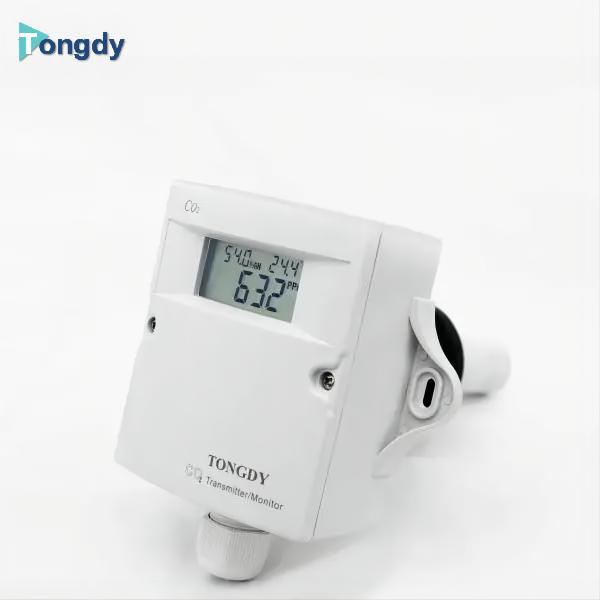
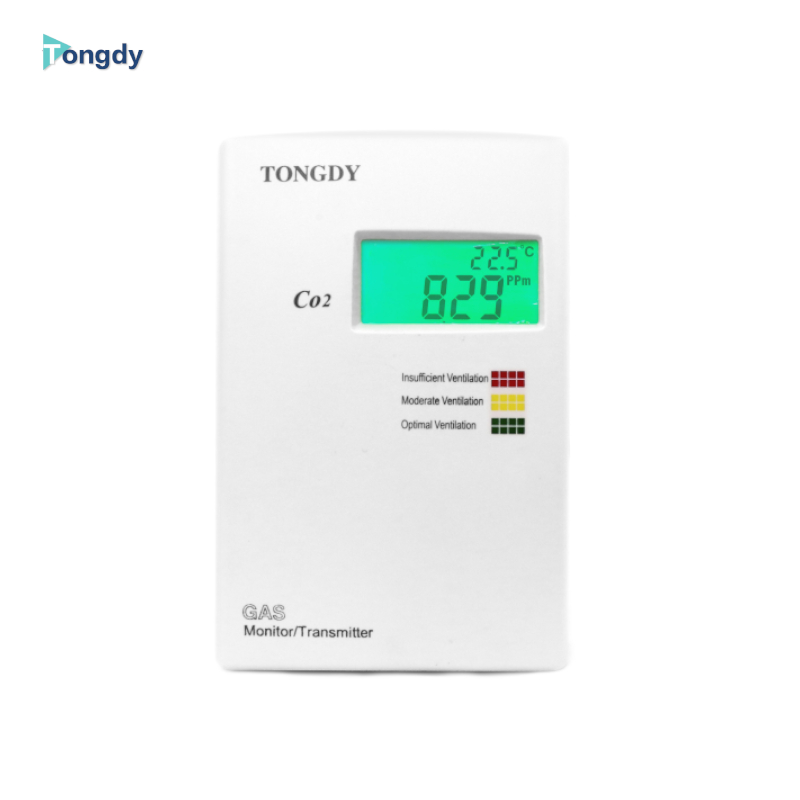
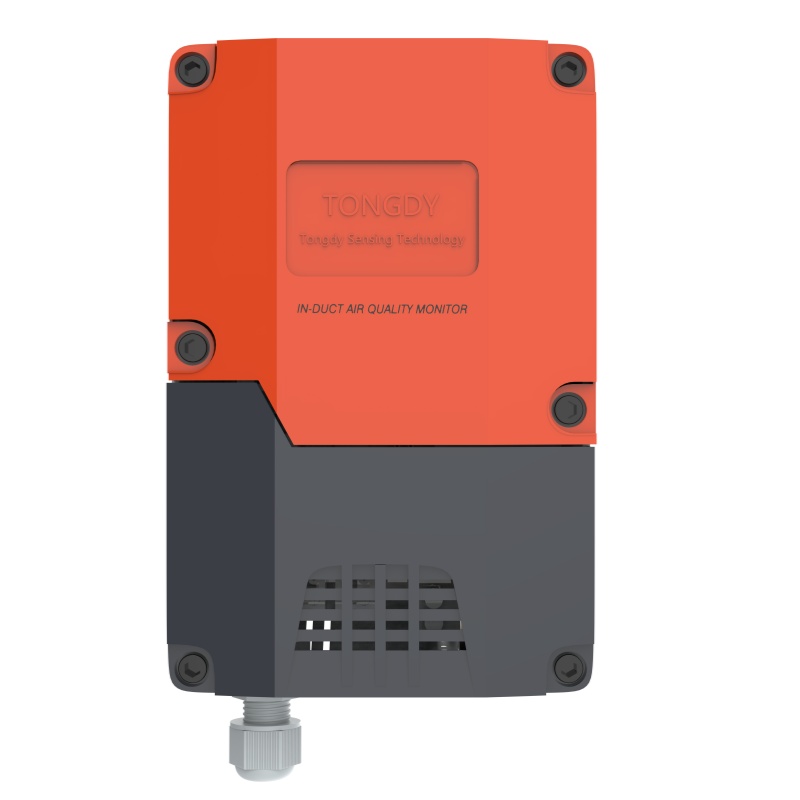
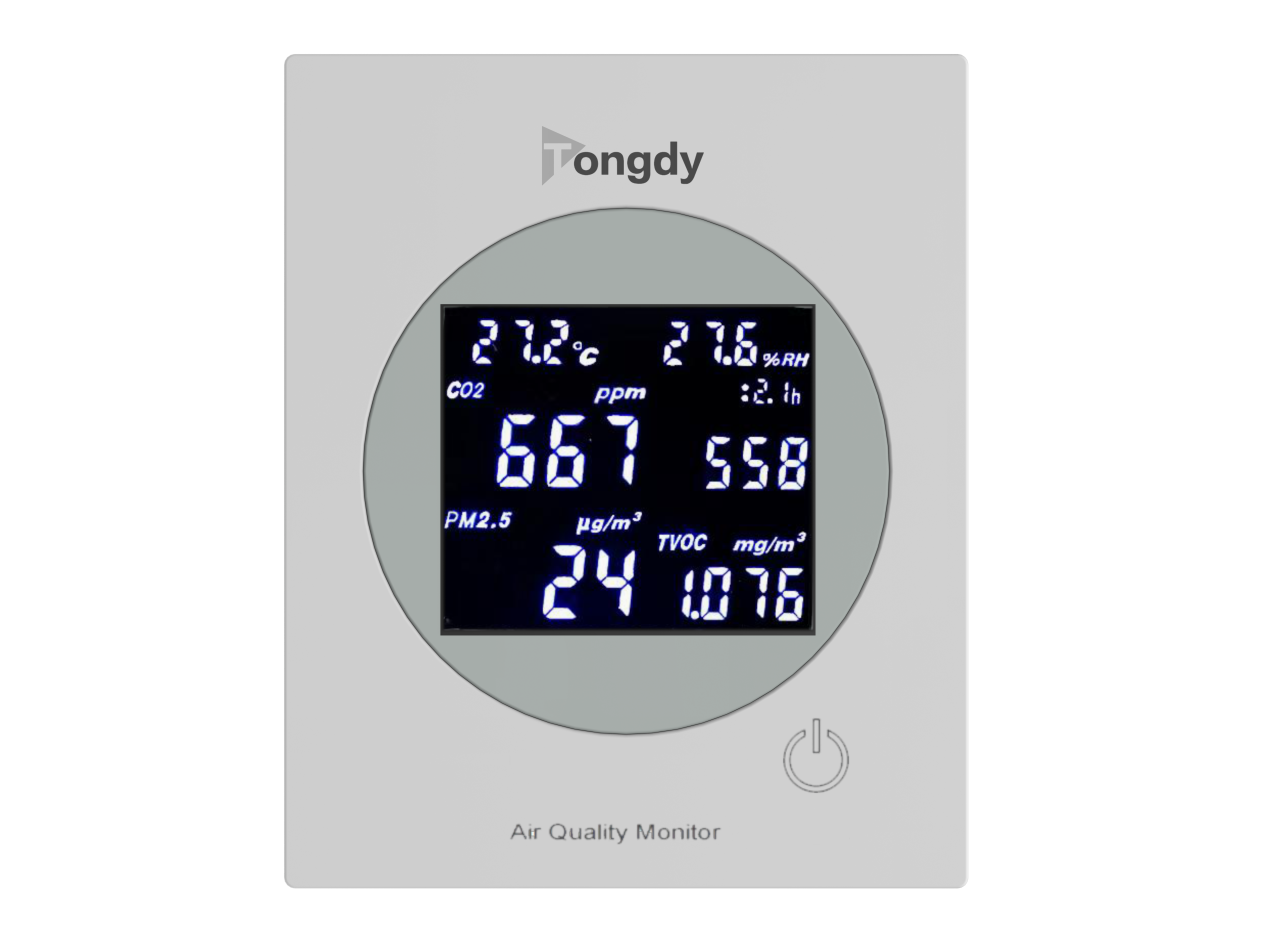
The Pivotal Role of Carbon Dioxide Transmitters in Modern Green Building Surveillance
In contemporary architectural design and facility management, a high-performance Carbon Dioxide Transmitter For Green Building Surveillance serves as the cornerstone of sustainable environmental engineering. As urbanization accelerates and commercial properties strive for net-zero carbon footprints, indoor air quality (IAQ) monitoring has transitioned from a passive wellness amenity into a critical, data-driven operational mandate. Carbon dioxide (CO2) is a primary bio-effluent marker emitted by human respiration. When indoor spaces suffer from inadequate air exchange, CO2 levels rise rapidly, leading to occupant fatigue, diminished cognitive performance, and elevated health risks.
Modern green building standards—such as LEED v4.1 (Leadership in Energy and Environmental Design), WELL Building Standard v2, RESET IAQ, and BREEAM—explicitly require continuous, real-time CO2 telemetry. Integrating precision NDIR (Non-Dispersive Infrared) carbon dioxide transmitters into Building Management Systems (BMS) enables facilities to balance occupant health with aggressive energy efficiency targets. Rather than operating fresh air fans continuously at maximum power, intelligent surveillance allows HVAC systems to dynamically scale ventilation based on exact spatial occupancy.
Commercial & Industrial Landscape of CO2 Sensing
The commercial real estate sector is undergoing a profound paradigm shift towards intelligent decarbonization. In high-density commercial towers, educational complexes, and healthcare infrastructure, ventilation accounts for up to 40% of a building's overall energy consumption. Operating ventilation systems on fixed timer schedules often results in massive energy waste during low-occupancy periods, or severe air quality degradation during peak gatherings.
By deploying a dedicated Carbon Dioxide Transmitter For Green Building Surveillance system across air handling units (AHUs), supply ducts, and occupied wall spaces, facility managers gain full visibility over building metabolism. Industrial environments, research laboratories, and pharmaceutical cleanrooms also rely on high-precision gas sensors to comply with environmental health and safety (EHS) codes, preventing toxic gas accumulation and maintaining strict atmospheric stability.
- Energy Conservation: Reduces HVAC electricity consumption by up to 30% via automated variable air volume (VAV) control.
- Smart IoT Connectivity: Seamless communication with BMS via RS485 Modbus, BACnet MS/TP, 0-10V, or 4-20mA standard outputs.
- Extended Maintenance Cycles: Self-calibrating NDIR technology eliminates sensor drift and minimizes manual recalibration costs.
Deep Application Scenarios in Green Buildings
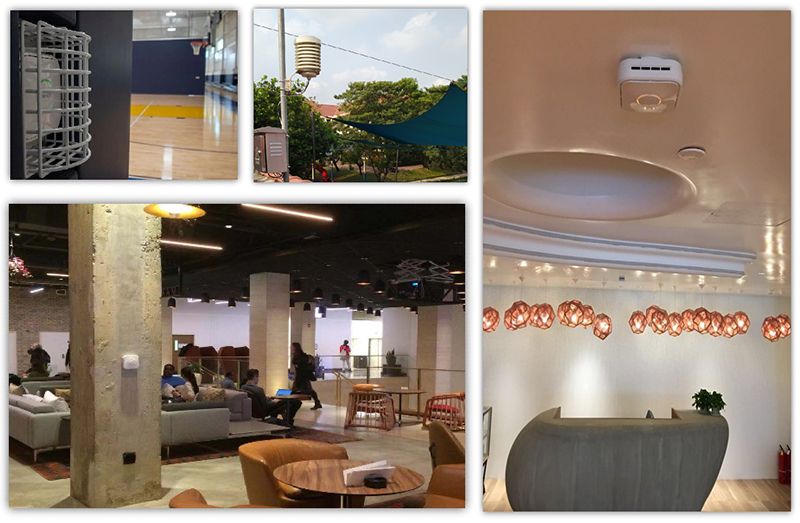
From ductwork integration to embedded wall sensors, explore how specialized CO2 transmitters serve diverse building topologies.
Commercial Office Headquarters
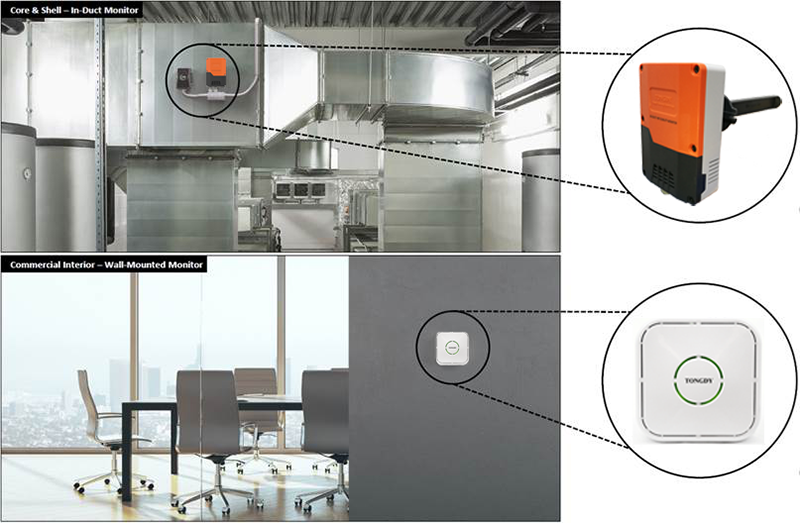
In open-plan offices and executive conference rooms, CO2 levels fluctuate dramatically based on meeting schedules. Wall-mounted CO2 transmitters provide localized real-time data to dynamic VAV boxes, ensuring fresh air is delivered precisely where employees congregate without over-ventilating vacant zones.
Educational Institutions & K-12 Schools
High classroom density leads to rapid CO2 accumulation, exceeding 1,500 ppm within minutes if ventilation is insufficient. Studies prove high CO2 levels impair student focus and test performance. Embedded CO2 monitors alert HVAC systems or teachers when fresh air purging is required.
HVAC Duct Air Quality Surveillance
In-duct CO2 and multi-parameter transmitters installed in return air ducts capture the average atmospheric conditions of an entire building zone. This centralized data stream allows central Air Handling Units (AHUs) to adjust fresh outdoor intake dampers with precision accuracy.
Technical Paradigm: Traditional Ventilation vs. DCV Smart Surveillance
Compare how automated carbon dioxide sensing optimizes indoor air surveillance compared to legacy HVAC control strategies.
| Performance Indicator | Legacy Fixed Ventilation | Carbon Dioxide Transmitter DCV System | Green Building Impact |
|---|---|---|---|
| HVAC Energy Efficiency | Low (Constant fan speed regardless of occupancy) | Optimal (Dynamic variable fan speed based on CO2 ppm) | Saves 20% - 35% on total heating/cooling costs |
| Indoor Air Quality Consistency | Unpredictable (Prone to under/over ventilation) | Continuous real-time optimization ( | Guarantees WELL & LEED IAQ compliance |
| Maintenance & Calibration | High manual effort & periodic visual checks | Self-calibrating NDIR technology with digital diagnostics | Lowers total cost of ownership (TCO) |
| BMS Integration & Telemetry | Basic binary ON/OFF controls | RS485, BACnet, Wi-Fi, 0-10V, 4-20mA & Cloud API | Enables continuous digital twin tracking |

Tongdy Sensing Technology Corporation
Help you build and maintain a healthy indoor environment
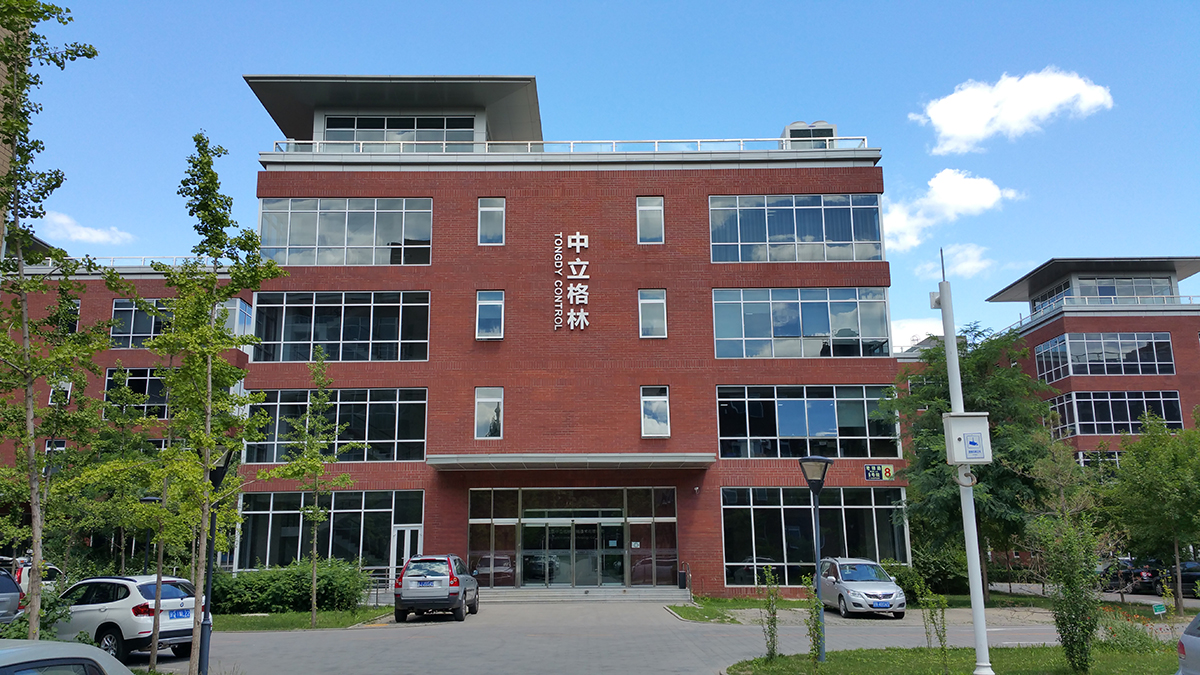
Our work makes a difference in helping you make the healthy indoor air quality. As one of the earliest companies in China engaged in air quality monitoring products, Tongdy has been always focusing on its strong technology development and design capabilities on the indoor air quality monitors.
About Tongdy & Our Purpose
Focus on air quality detection and control over 15 years
We foster research and development on obtaining accurate air quality data, help you well understand and improve the air you breathe by quantitative assessment and data analysis. For pursuing our ultimate purpose of creating healthy indoor air quality, we’re committed to obtain real and accurate data and cultivating the next generation of innovators in technology and engineering.
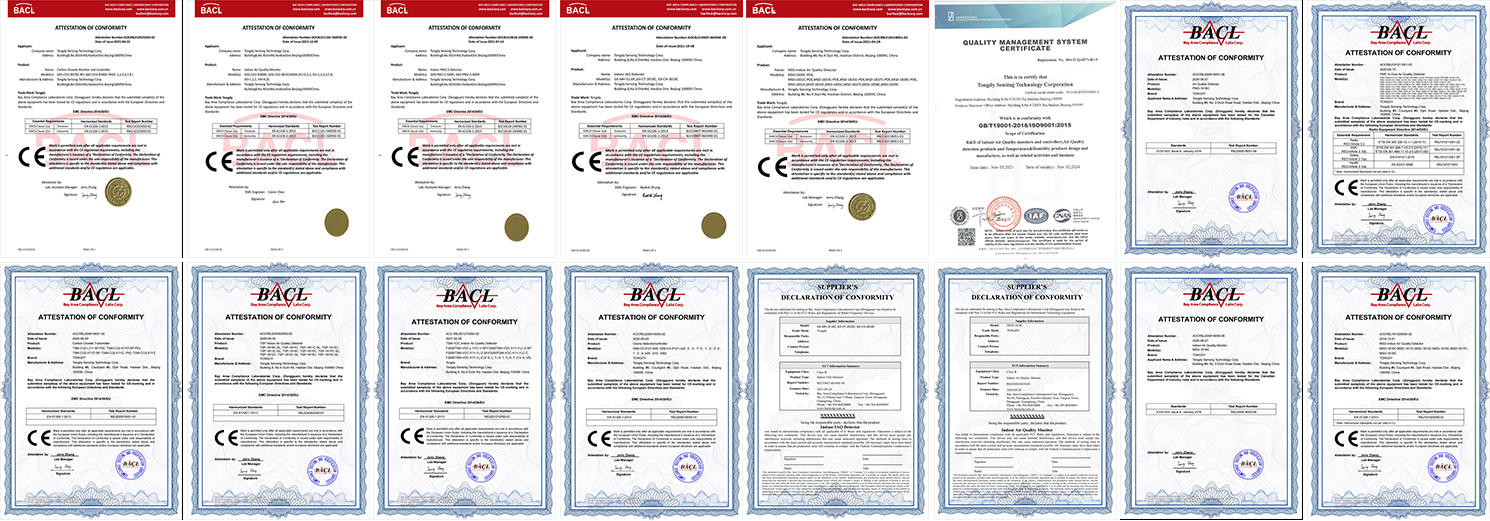
Certificates and Honor
Rigorous quality control and international certification compliance back all Tongdy products.
Our Core Values & Technological Superiority
Discover why leading HVAC integrators and green building consultants specify Tongdy transmitters worldwide.
Why Tongdy for Green Building Surveillance?
20+ Years of Expertise in IAQ & HVAC Solutions: Trusted by global clients for robust products and professional engineering support, fully compliant with international green building standards.
100+ Monitoring and Control Products: Extensive catalog of commercial-grade monitors, controllers, single-gas, and multi-sensor solutions for HVAC, BMS, and green infrastructure.
Reliable and Accurate Data: Empowering smart building managers with actionable real-time telemetry to optimize energy consumption and maintain occupant health.
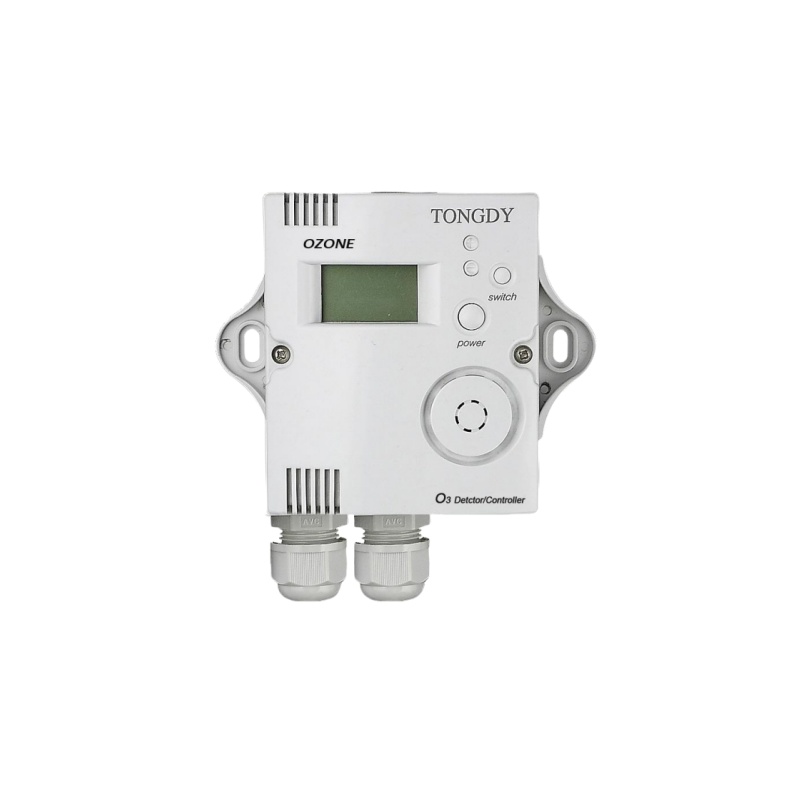
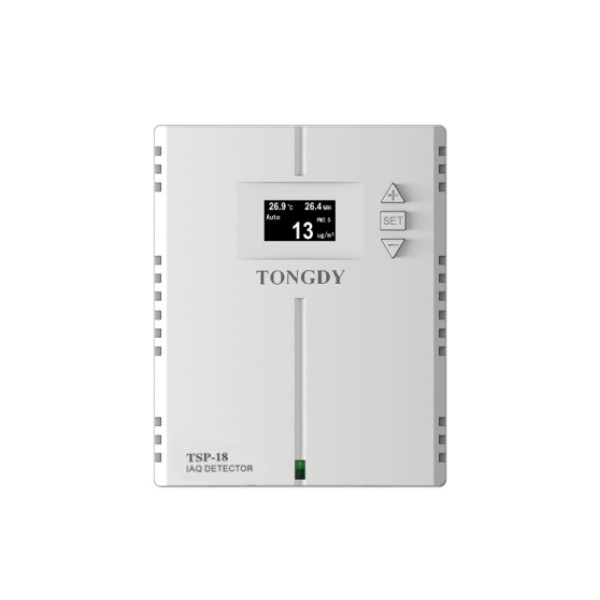
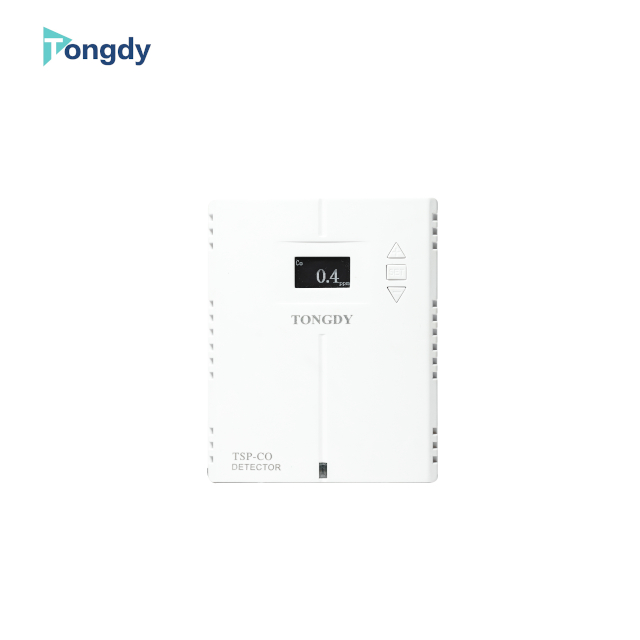
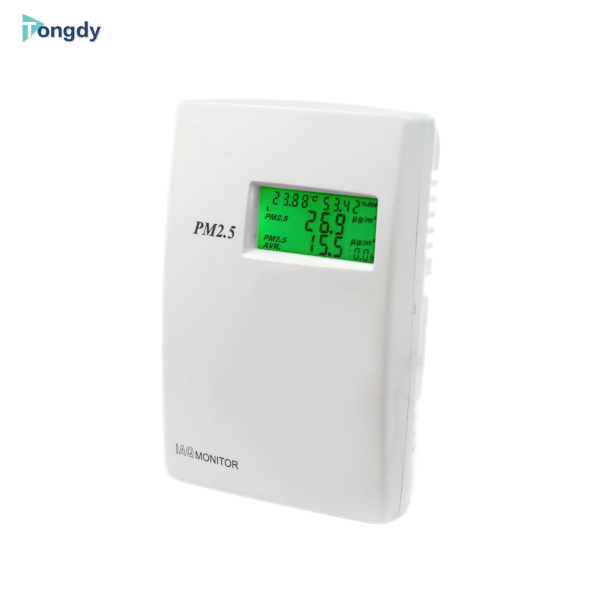
Complete Green Building Sensing & Control Lineup
Explore our full portfolio of carbon dioxide transmitters, air quality monitors, and gas controllers designed for smart infrastructure integration.
Social Responsibility
Tongdy actively develops air quality monitors and is devoted in healthy indoor air quality, and strive to become an excellent enterprise model. As a corporate citizen, Tongdy has contributed to public welfare undertakings such as cooperate with public benefit corporation, like WELL- the world’s leading organization focused on deploying people first places to advance a global culture of health, especially exploring the impact of indoor air quality to people’s health based on The WELL Building Standard™.