

Featured Carbon Dioxide & Air Quality Monitors
High-performance sensors tailored for smart HVAC systems, industrial safety, and green building projects.
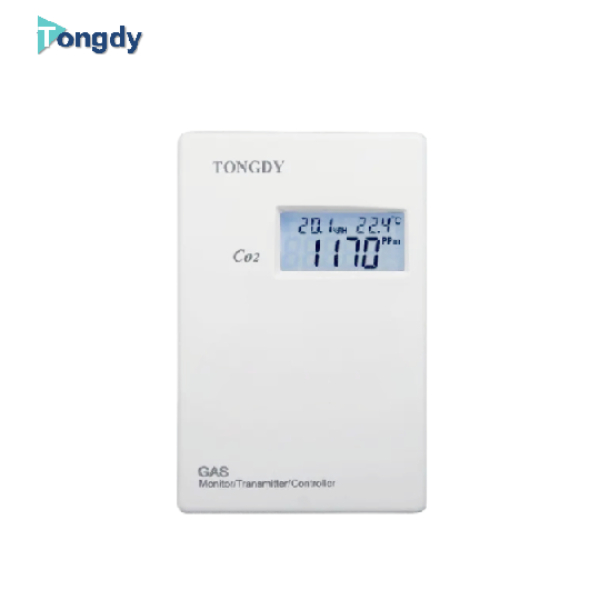
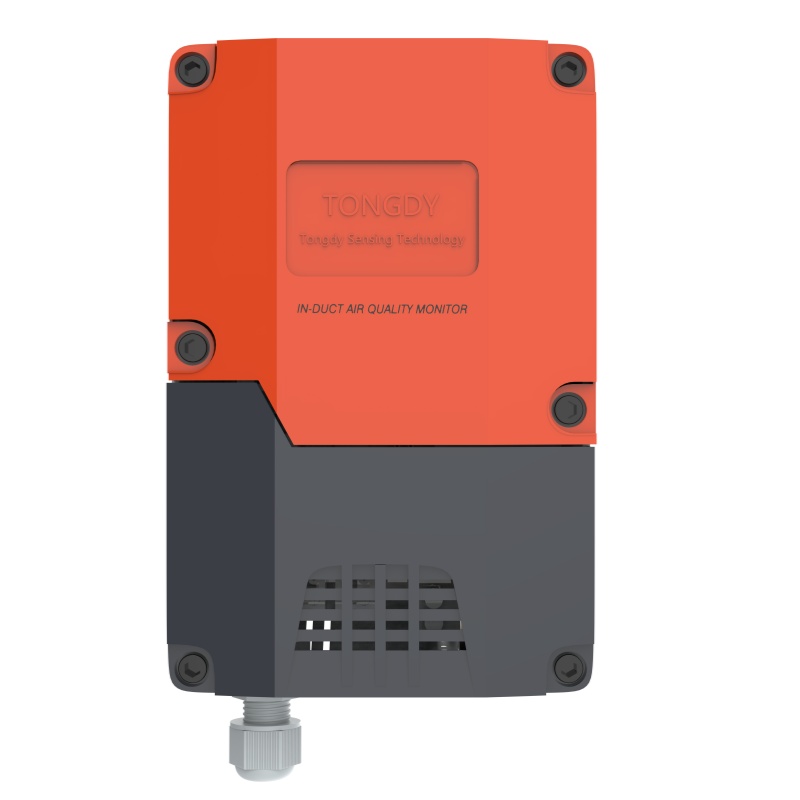
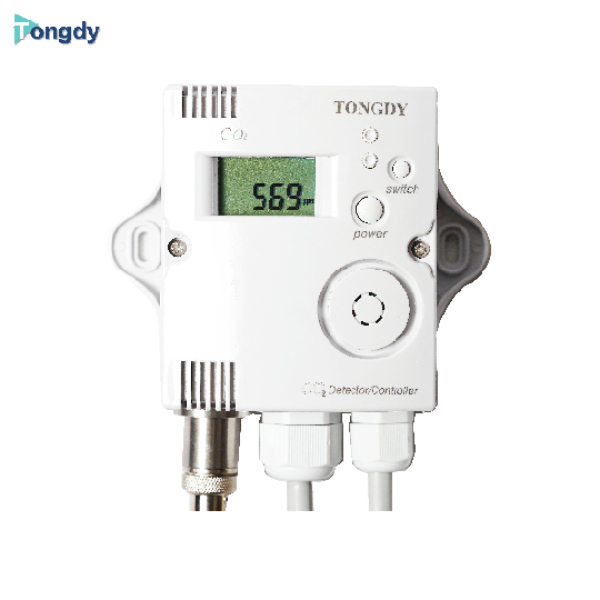
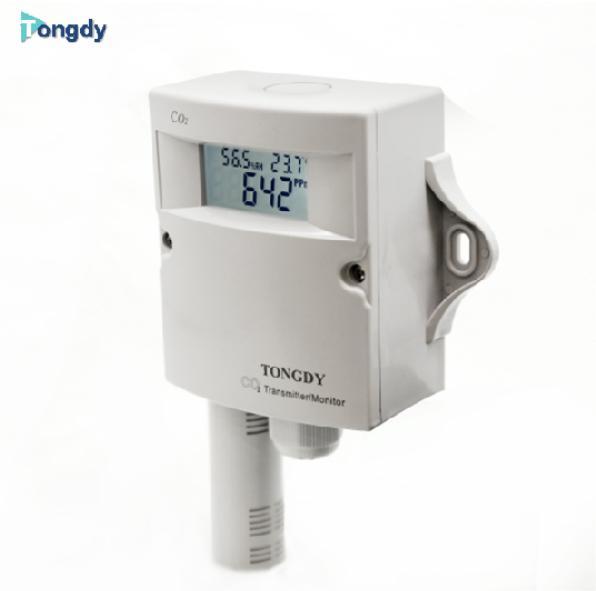
Industrial Growth & Carbon Dioxide Monitoring Demands in Ghana
Ghana is undergoing a rapid economic expansion across West Africa, propelled by industrialization initiatives such as the "One District, One Factory" (1D1F) policy, expansive commercial development in Greater Accra, and modernizing agricultural frameworks. As facilities upgrade to international operational standards, the demand for precise gas sensing technology—specifically Carbon Dioxide (CO₂) Transmitters—has reached an all-time high.
Whether in commercial real estate, food processing, cold storage logistics, or industrial processing plants in Tema and Kumasi, monitoring indoor ambient air and inline process gases is vital. Reliable carbon dioxide transmitters enable Ghanaian enterprises to maintain optimal indoor air quality (IAQ), ensure workplace safety, optimize HVAC energy efficiency, and fulfill international environmental certifications like RESET and WELL Building Standards.
Localized Application Scenarios across Ghana
Tailored gas sensing and control systems built to withstand West African tropical climates and severe industrial environments.
1. Commercial Buildings & HVAC in Accra
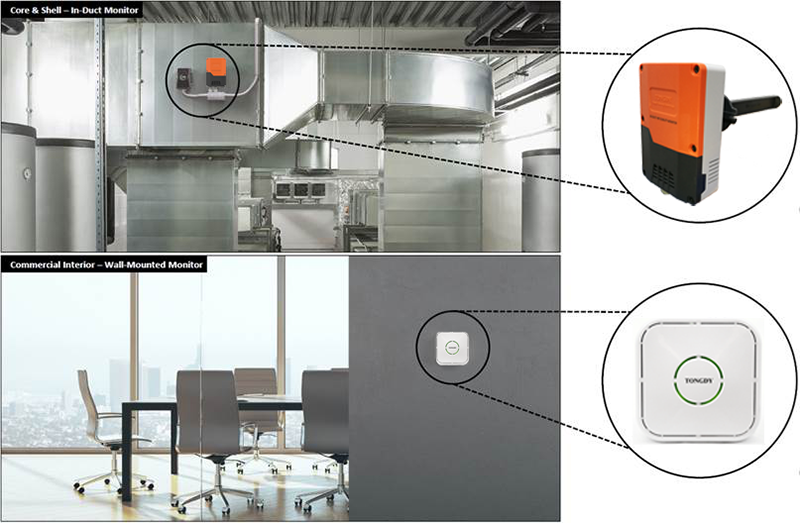
Modern high-rise office complexes, financial headquarters, and shopping centers in Accra rely on Demand Controlled Ventilation (DCV). Integrating Tongdy NDIR CO₂ transmitters with BACnet/Modbus protocols allows BMS systems to adjust fresh air intake automatically, saving up to 30% on air-conditioning power usage while preventing Sick Building Syndrome.
2. Smart Agriculture & Greenhouse Farming
In regions such as Ashanti, Volta, and Brong-Ahafo, greenhouse farming and controlled-environment horticulture are expanding rapidly. Maintaining target CO₂ enrichment levels (800–1200 ppm) dramatically boosts crop yields for fruits and vegetables. Plug-and-play CO₂ controllers enable local growers to automate gas regulation effortlessly.
3. Industrial Safety & Mining Operations
Ghana's robust mining sector (Obuasi, Tarkwa) and chemical processing plants require stringent gas safety protocols. High concentrations of CO₂ in confined spaces or processing pits pose severe health hazards. Industrial-grade transmitters offer reliable alarm relays, real-time telemetry, and rugged enclosures engineered for continuous safety monitoring.
4. Healthcare Facilities & Cleanrooms
Hospitals, pharmaceutical production labs, and isolation wards across Ghana demand strict air exchange monitoring. In-duct and wall-mounted carbon dioxide transmitters work continuously to track ventilation rates, ensuring clean, fresh air delivery and protecting vulnerable patients and medical staff.
5. Outdoor Air Monitoring & Solar Integration
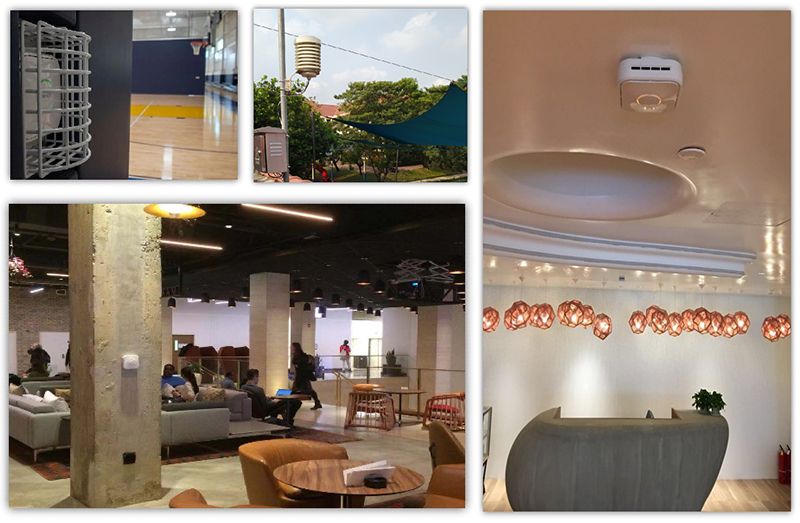
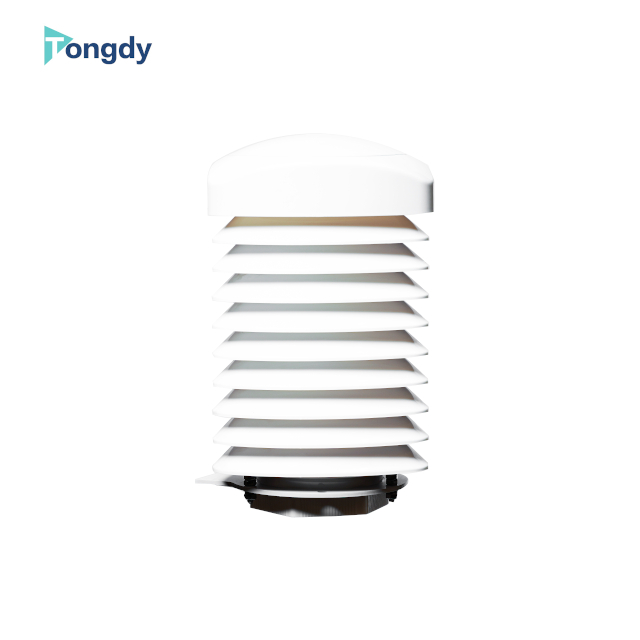
For remote industrial hubs or microclimate research, outdoor air quality monitors equipped with solar power capability deliver zero-downtime environmental data transmission without relying on grid power infrastructure.
6. MyTongdy Cloud Platform Integration
Facility engineers in Ghana can monitor real-time gas measurements remotely via computer or mobile apps, analyzing historical trends to optimize HVAC systems and generate compliance reports seamlessly.
Tongdy Sensing Technology Corporation
Help you build and maintain a healthy indoor environment
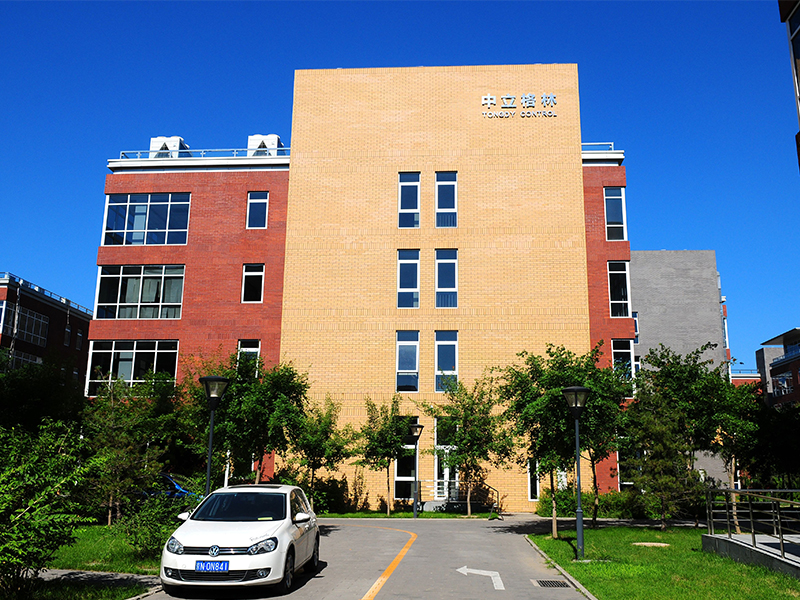
Our work makes a difference in helping you make the healthy indoor air quality. As one of the earliest companies in China engaged in air quality monitoring products, Tongdy has been always focusing on its strong technology development and design capabilities on the indoor air quality monitors.
About Tongdy: Focus on air quality detection and control over 15 years
Our Purpose: We foster research and development on obtaining accurate air quality data, help you well understand and improve the air you breathe by quantitative assessment and data analysis.
For pursuing our ultimate purpose of creating healthy indoor air quality, we’re committed to obtain real and accurate data and cultivating the next generation of innovators in technology and engineering.

Social Responsibility
Tongdy actively develops air quality monitors and is devoted in healthy indoor air quality, and strive to become an excellent enterprise model. As a corporate citizen, Tongdy has contributed to public welfare undertakings such as cooperate with public benefit corporation, like WELL- the world’s leading organization focused on deploying people first places to advance a global culture of health, especially exploring the impact of indoor air quality to people’s health based on The WELL Building Standard™.
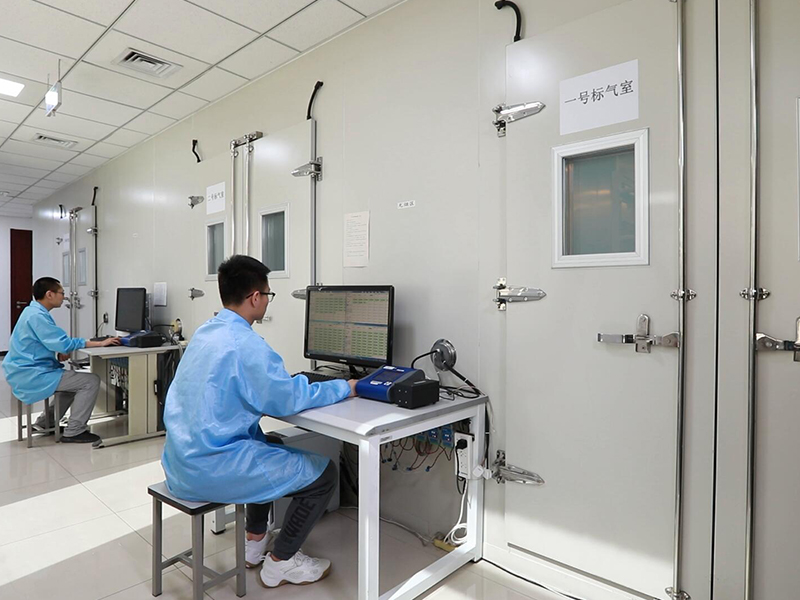
Our Core Values & Technical Advantages
Exclusive Innovative Calibration Algorithm
Proprietary technology, the effective calibration method to support higher data accuracy in different environment.
Unique Professional Multi-Sensor Module
Special multi-sensor module with the sealed cast aluminum structure and up to six sensors inside.
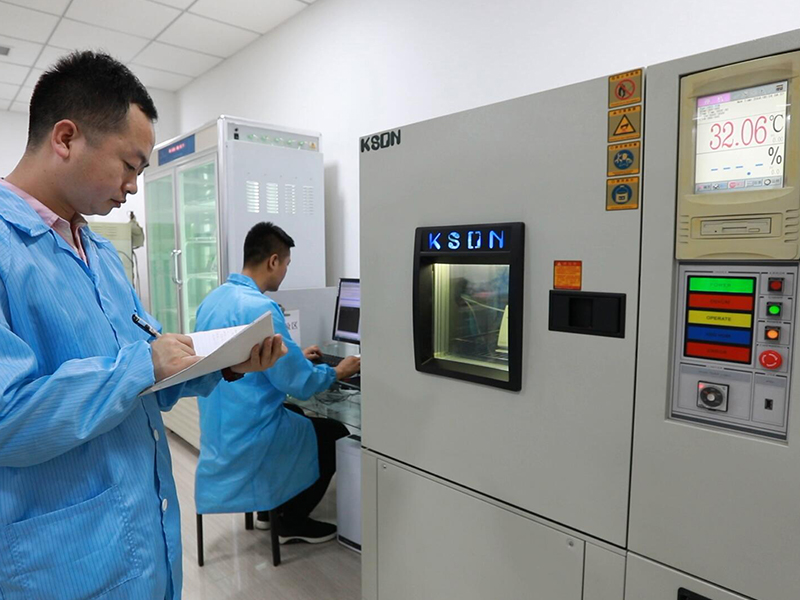
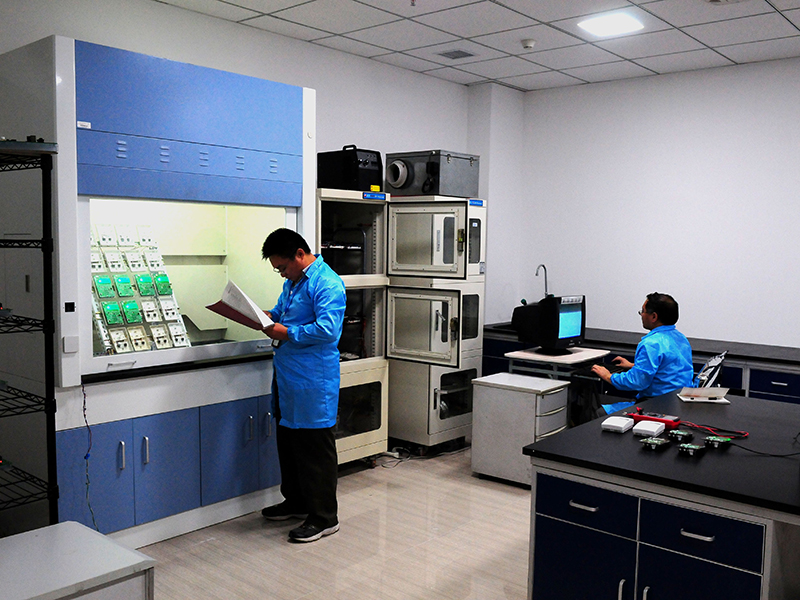
Continuous R&D Investment & QA
Tongdy-owned, and huge investment in research and development to ensure the product reliability and innovation.
Real-Time Data Analytics
“MyTongdy” Platform will help you reading and analyzing data of your air quality on PC or mobile APP.
The Expert of IAQ Data
Over 15 years experience for indoor air quality, Tongdy provides commercial accurate data and help you to make data-driven decisions that foster health-centered indoor environments.
20+ Years of Expertise
Trusted by clients for high-quality products and professional service, fully compliant with Green Building standards.
Why Choose Tongdy Sensing Technology in Ghana?
- 100+ Monitoring and Control Products: Over 100 commercial-grade monitors and controllers, including CO2, single-gas, and multi-sensor solutions for HVAC, BMS, and green building applications.
- Reliable and Accurate Data: Providing smart building managers with actionable, real-time data to make informed decisions.
- Tailored to Your Specific Needs: Flexible hardware, professional expertise and fast delivery enable cost-effective, customized gas detection and control solutions.
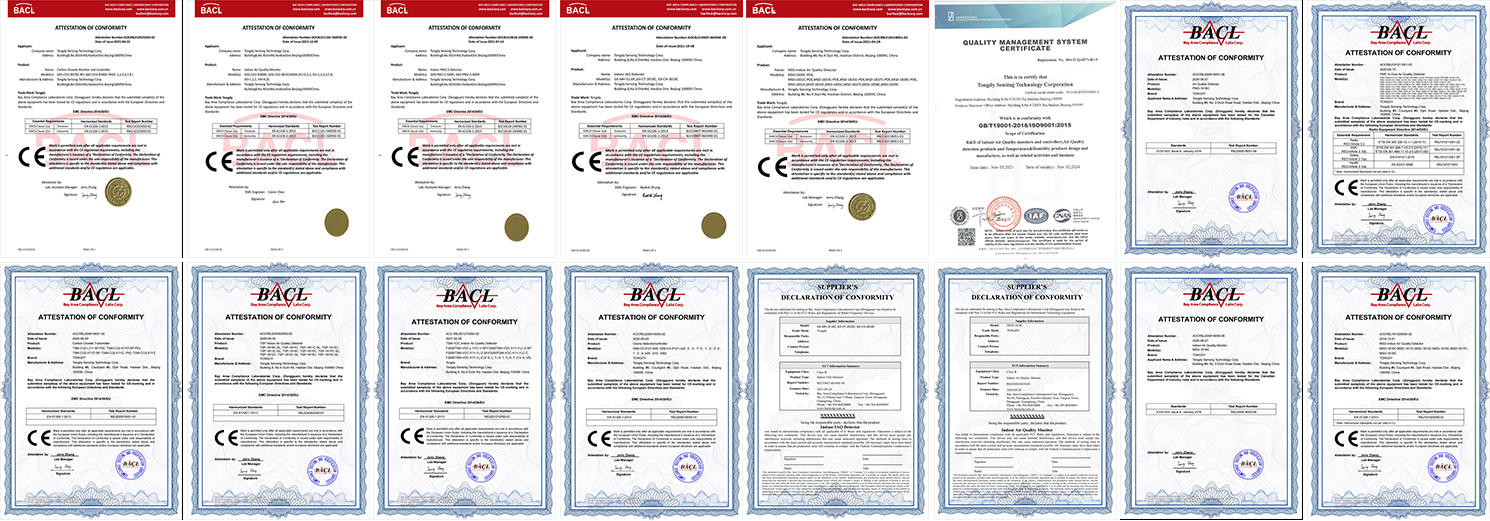
Certificates and Honor
Why NDIR Technology is Crucial for Tropical Climates like Ghana
Ghana experiences high relative humidity and elevated temperatures year-round. Standard electrochemical or semiconductor sensors are notorious for drift, false alarms, and short lifespans under tropical conditions. Tongdy's Carbon Dioxide Transmitters utilize Non-Dispersive Infrared (NDIR) optical sensing technology paired with self-calibration algorithms (ABC Logic).
Key Advantages of NDIR Sensors in West Africa:
- High Humidity Resistance: Optical wave-guides prevent condensation interference, delivering stable CO₂ measurements up to 95% RH non-condensing.
- Long Service Life: Operating lifespan of over 10–15 years without frequent optical cell replacements.
- Zero Drift Correction: Automatic Background Calibration guarantees baseline stability across seasonal changes.
- Multi-Parameter Sensing: Simultaneously monitor Carbon Dioxide, Temperature, Relative Humidity, and VOCs in a single compact housing.
BMS Protocol Integration
Our carbon dioxide transmitters support seamless network communication for modern automated buildings in Ghana:
Easily interface with major HVAC building automation systems including Honeywell, Siemens, Schneider Electric, and Johnson Controls.
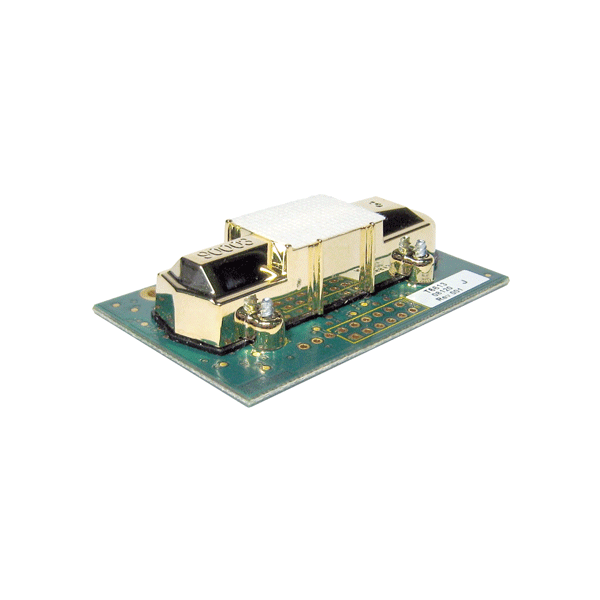
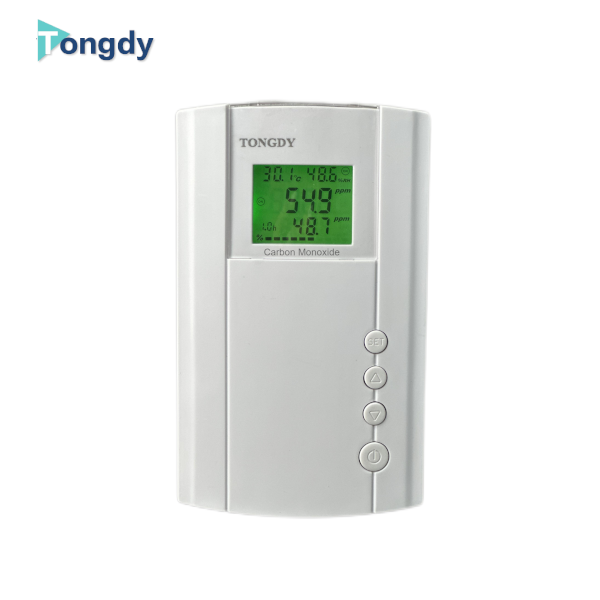
Complete Range of Carbon Dioxide Transmitters & IAQ Monitors
Explore our full line of direct factory-supplied gas sensing solutions for Ghana and West Africa.

Frequently Asked Questions for Ghanaian Clients
Q1: How can Ghanaian engineering contractors purchase direct factory CO₂ transmitters?
Tongdy provides direct OEM/ODM factory supply with fast air freight delivery directly to Accra (Kotoka International Airport) or sea freight to Tema Port. Custom calibration certificates and local voltage/output configurations are provided upon request.
Q2: What CO₂ concentration range is recommended for indoor building compliance in Ghana?
For standard indoor air quality and WELL/LEED certification in commercial buildings, a range of 0–2000 ppm is standard (maintaining indoor air below 1000 ppm). For agricultural greenhouses or industrial safety, 0–5000 ppm or 0–10,000 ppm options are available.
Q3: How often do Tongdy NDIR CO₂ transmitters require recalibration in high-humidity environments?
Thanks to Tongdy's patented Self-Calibration Algorithm and dual-beam NDIR optics, routine manual calibration is eliminated under normal ambient air monitoring conditions, saving maintenance costs for Ghanaian building operators.