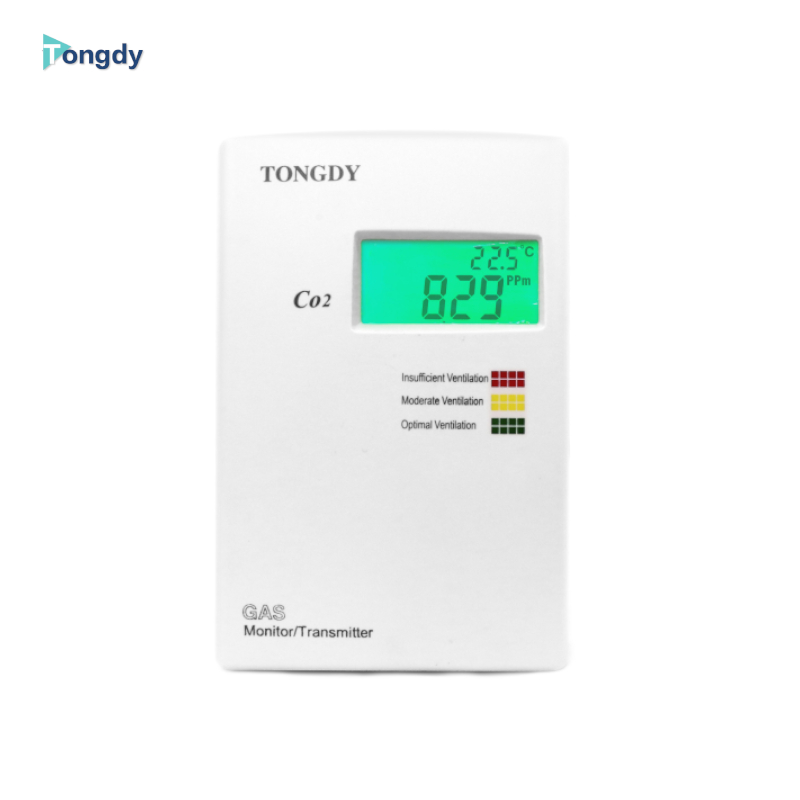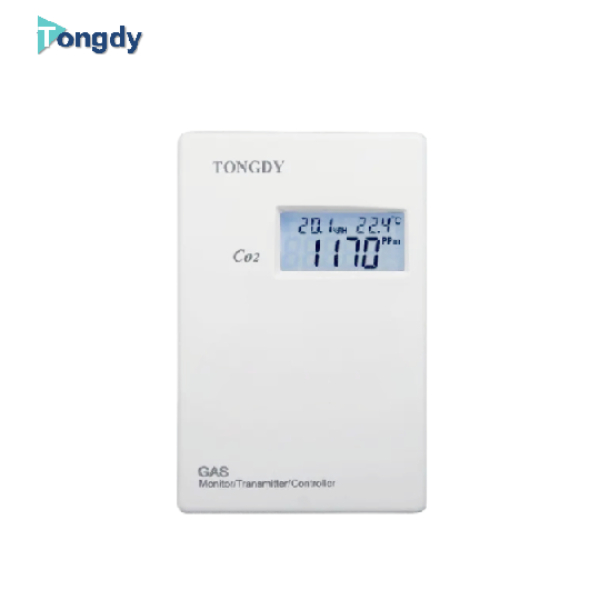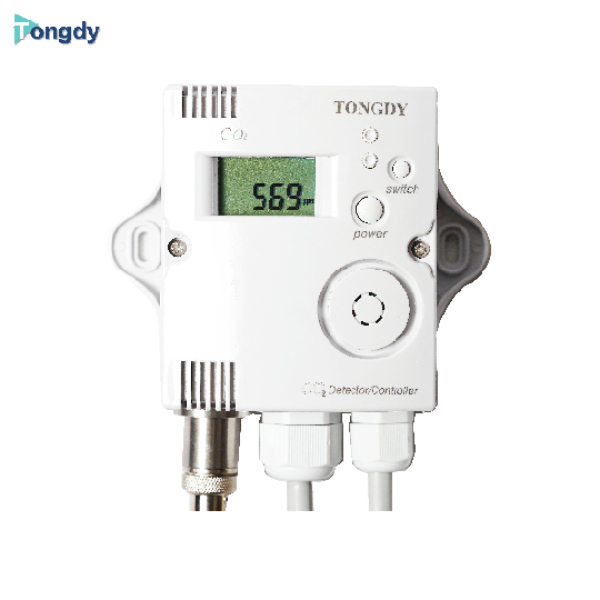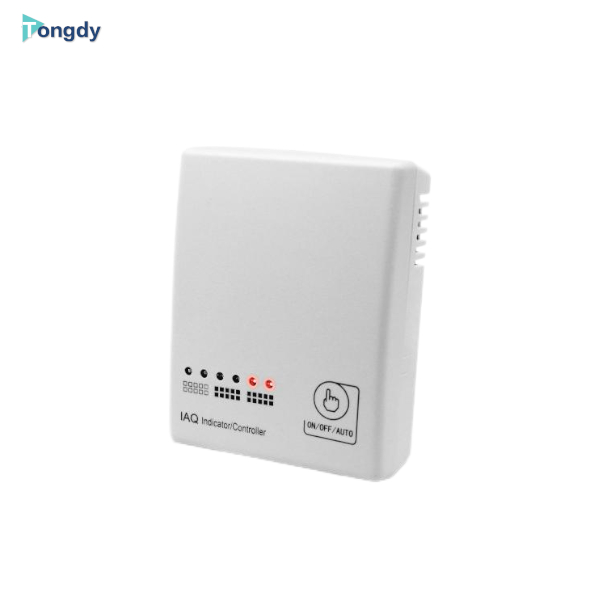

High-Precision Carbon Dioxide Sensing & Control Instruments
Engineered for continuous HVAC duct monitoring, dynamic airflow tracking, and seamless BMS automation.
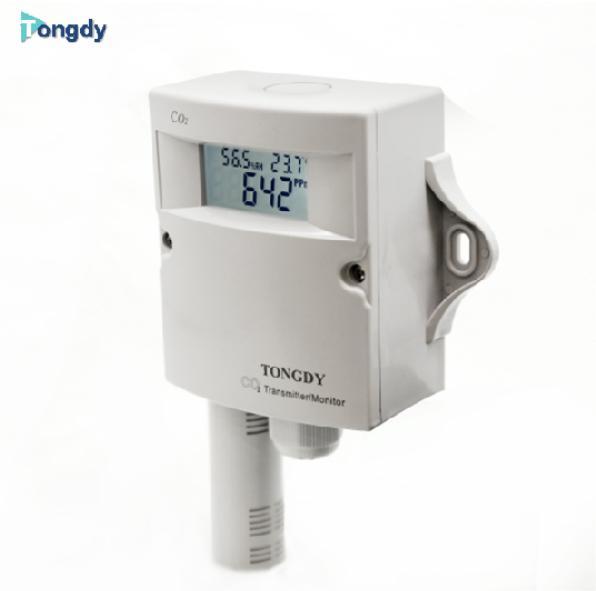
The Crucial Role of In-Duct Carbon Dioxide Sensing in Modern Architecture
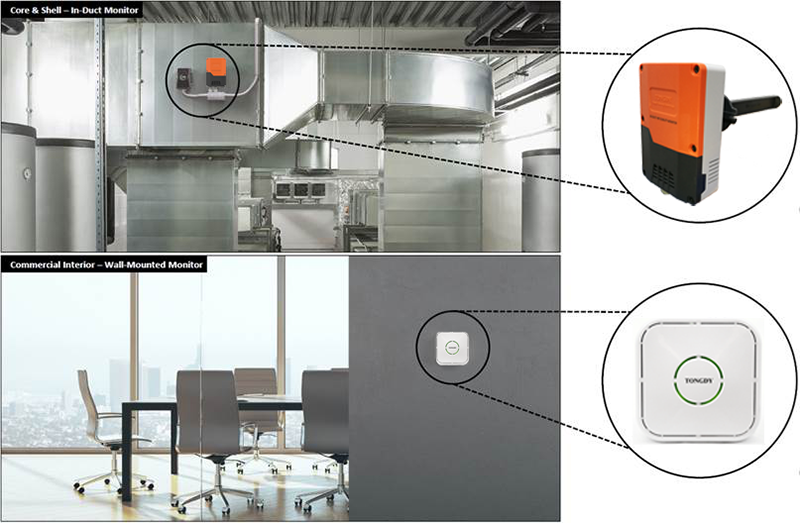
In modern high-efficiency HVAC infrastructure, the integration of a Carbon Dioxide Controller for Duct Environment Sensing represents the frontline of balanced indoor air quality (IAQ) and sustainable thermal management. Unlike localized wall-mounted units that only measure immediate microclimates, in-duct CO2 transmitters capture the aggregate biological load of return air streams within central Air Handling Units (AHU) and Variable Air Volume (VAV) loops.
Commercial facilities, educational institutions, high-density office complexes, and healthcare environments are subject to rigorous energy and environmental standards, such as ASHRAE Standard 62.1, Title 24, and EN 13779. Installing intelligent duct carbon dioxide controllers enables Demand-Controlled Ventilation (DCV), aligning real-time outdoor fresh air intake directly with human occupancy loads rather than running oversized continuous ventilation cycles.
Energy Efficiency Insight: Facilities implementing precision in-duct CO2 sensing regularly document between 25% and 45% reductions in HVAC energy consumption by eliminating over-ventilation during non-peak occupancy periods while safeguarding occupant health and mental acuity.
Equipped with advanced multi-point sampling probes, industrial-grade sealed housings, and aerodynamics optimized for high static pressures, duct-mounted CO2 controllers maintain stability against turbulent flow patterns, particulates, and relative humidity swings.
Technological Frontiers in In-Duct Gas Detection & Analysis
How proprietary optical filtration, digital communication stacks, and algorithmic drift compensation revolutionize duct airflow intelligence.
Dual-Wavelength NDIR Optics
Utilizes Non-Dispersive Infrared spectroscopy with an active reference beam. This design compensates for lamp aging, optical path contamination, and ambient duct temperature variations, ensuring zero baseline drift over continuous multi-year operational cycles in enclosed air channels.
Self-Calibrating ABC Algorithms
Proprietary Automatic Baseline Calibration (ABC) algorithms track the lowest periodic CO2 concentrations within return ducts, automatically correcting optical drift without manual field calibration, drastically reducing lifecycle maintenance overhead in industrial complexes.
Pitot Tube Flow Sampling
Precision-engineered in-duct sampling probes capture representative cross-sectional air samples using aerodynamic differential pressure principles, preventing particulate accumulation on internal sensor membranes even under elevated air velocities up to 15 m/s.
Seamless BMS Interoperability
Native integration with standard Building Automation Systems via RS485 Modbus RTU, BACnet MS/TP, 0-10V, and 4-20mA analog loops, permitting direct variable frequency drive (VFD) fan modulation, fresh air damper actuation, and centralized building telemetry.
Multi-Parameter Duct Sensing
Consolidated sensor arrays combining Carbon Dioxide (CO2), Total Volatile Organic Compounds (TVOC), Particulate Matter (PM2.5/PM10), Carbon Monoxide (CO), relative humidity, and temperature inside a single cast-aluminum or anti-static enclosure.
LEED & WELL Compliant
Supports strict compliance thresholds for green building certifications, facilitating continuous IAQ verification, data logging, and automated reporting required for WELL Building Standard v2 and LEED v4.1 Operations & Maintenance credits.
Deep-Dive Application Scenarios for Duct Environment Sensing
How specialized carbon dioxide and environmental controllers are deployed across mission-critical sectors.
Commercial Office Towers & Central Air Handling Units (AHU)
In high-density office buildings, occupant concentration varies dynamically throughout working hours. Installing CO2 controllers in return air ducts provides a true average metric of biological emissions across entire floors. The controller commands outdoor air economizers to open proportionally, minimizing chiller and heating coil loads when spaces are partially empty while preventing lethargy and cognitive decline associated with CO2 spikes above 1,000 ppm.
Hospitals, Cleanrooms & Biopharmaceutical Labs
In healthcare facilities and pharmaceutical synthesis facilities, duct CO2 and pressure sensors supervise isolation wards and positive-pressure clean zones. Precise duct sensing ensures minimum air change rates (ACH) are maintained without disturbing critical pressure cascades. Controllers detect recirculation imbalances instantly, preventing air stagnancy and cross-contamination.
Controlled Environment Agriculture (CEA) & Greenhouses
Photosynthetic enrichment requires elevated CO2 levels (typically 800-1500 ppm) within indoor vertical farms and greenhouse duct loops. Specialized duct controllers deliver closed-loop feedback to CO2 generators or liquefied dosing injectors, managing gas distribution uniformly across grow racks while purging toxic combustion byproducts like carbon monoxide.
Educational Auditoriums, Airports & Transit Hubs
Spaces with sudden, massive surges in occupant density (e.g., lecture halls, train stations, airport gates) experience rapid CO2 accumulation. Fast-response in-duct controllers trigger high-speed ventilation sequences ahead of localized wall sensors, exhausting stale air quickly and keeping indoor air well within ASHRAE comfort thresholds.
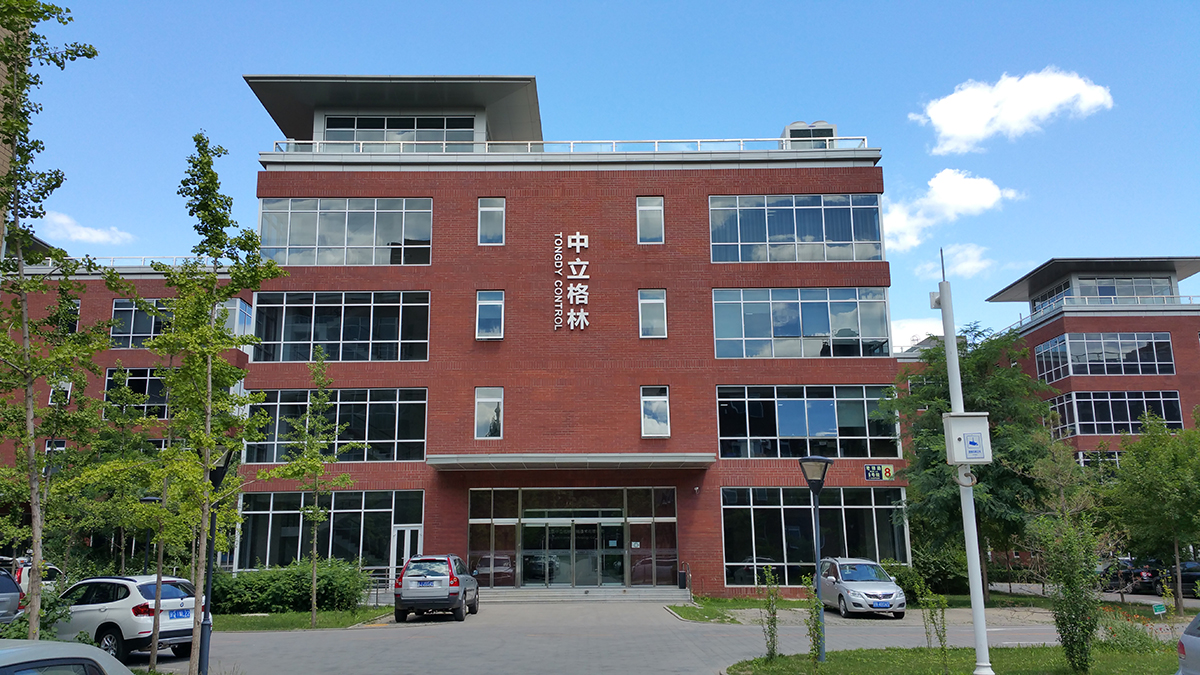
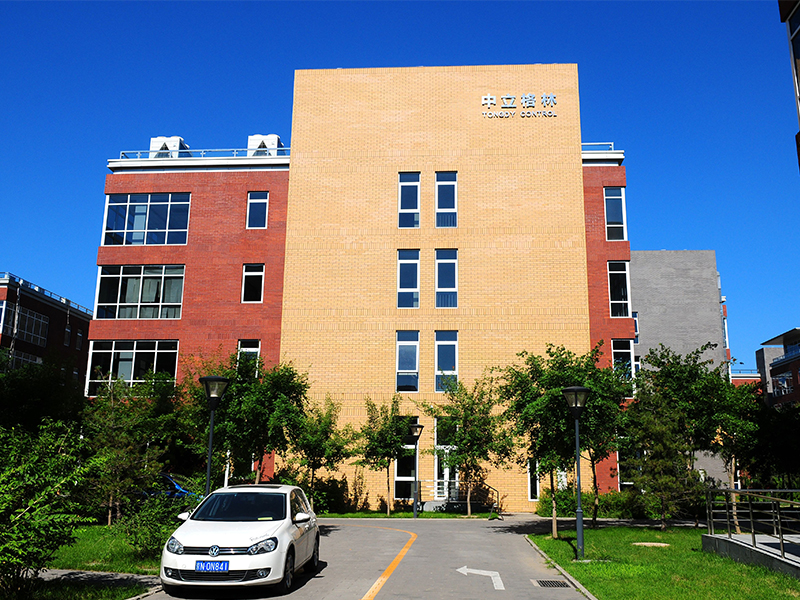
Tongdy Sensing Technology Corporation
Help you build and maintain a healthy indoor environment
Our work makes a difference in helping you make the healthy indoor air quality. As one of the earliest companies in China engaged in air quality monitoring products, Tongdy has been always focusing on its strong technology development and design capabilities on the indoor air quality monitors.
About Tongdy: Focus on air quality detection and control over 15 years
Our Purpose: We foster research and development on obtaining accurate air quality data, help you well understand and improve the air you breathe by quantitative assessment and data analysis. For pursuing our ultimate purpose of creating healthy indoor air quality, we're committed to obtain real and accurate data and cultivating the next generation of innovators in technology and engineering.
Why Tongdy:
• 20+ Years of Expertise in IAQ & HVAC Solutions: Trusted by clients for high-quality products and professional service, fully compliant with Green Building standards.
• 100+ Monitoring and Control Products: Over 100 commercial-grade monitors and controllers, including CO2, single-gas, and multi-sensor solutions for HVAC, BMS, and green building applications.
• Reliable and Accurate Data: Providing smart building managers with actionable, real-time data to make informed decisions.
• Tailored to Your Specific Needs: Flexible hardware, professional expertise and fast delivery enable cost-effective, customized gas detection and control solutions.
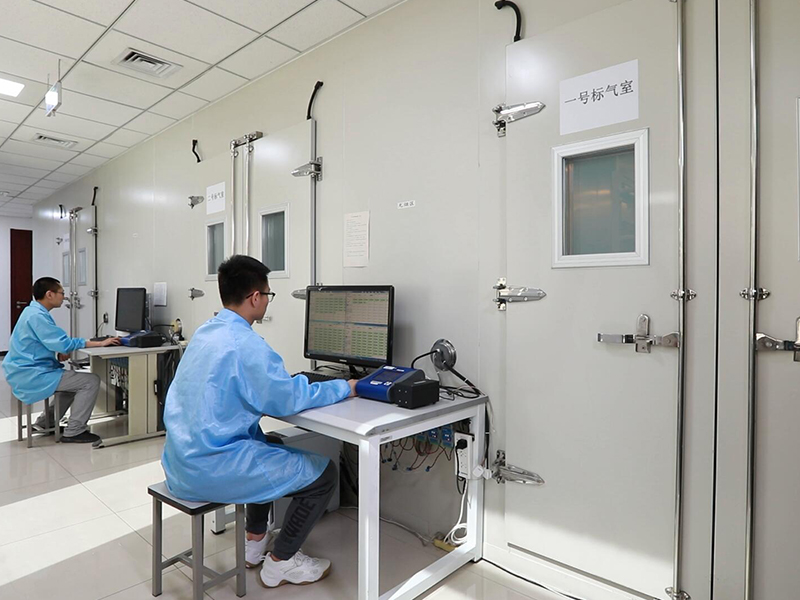

Our Values: Driven by Innovation & Data Accuracy
Continuous R&D investment, rigorous quality management, and state-of-the-art analytical platforms.
Exclusive Innovative Calibration Algorithm
Proprietary technology, the effective calibration method to support higher data accuracy in different environment and variable duct conditions.
Unique Professional Multi-Sensor Module
Special multi-sensor module with the sealed cast aluminum structure and up to six sensors inside, preventing signal interference and harsh environment degradation.
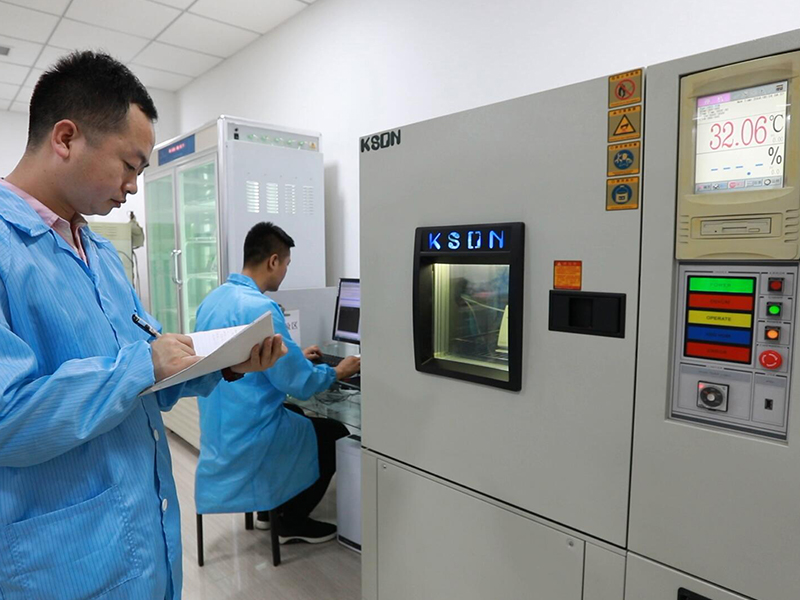
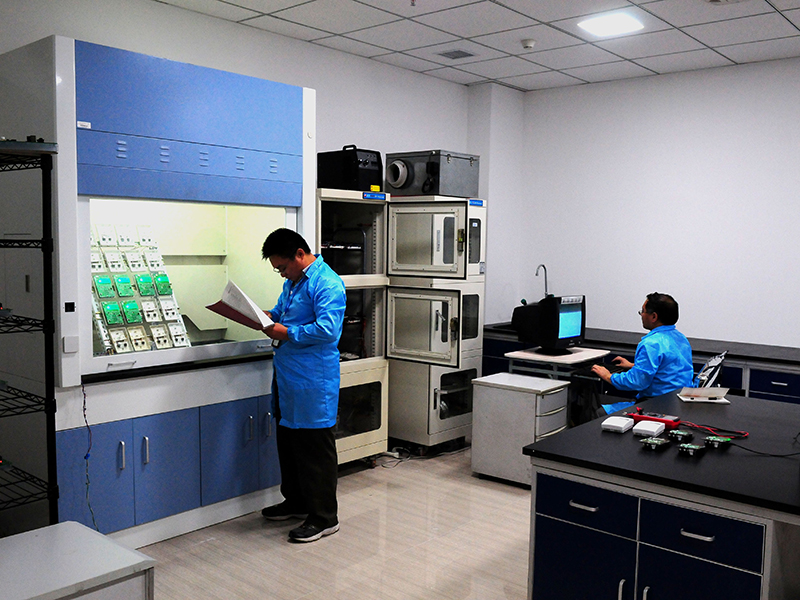
Continuous R&D Investment & Quality Control
Tongdy-owned, and huge investment in research and development to ensure the product reliability, rigorous factory testing, and sustained innovation.
Real-Time Data & "MyTongdy" Cloud Analytics
Real-time data monitoring and historical data analyzing improve and optimize your indoor air quality. "MyTongdy" Platform will help you reading and analyzing data of your air quality on PC or mobile APP.
The Expert of Indoor Air Quality Data
Over 15 years experience for indoor air quality, Tongdy provides commercial accurate data and help you to make data-driven decisions that foster health-centered indoor environments.
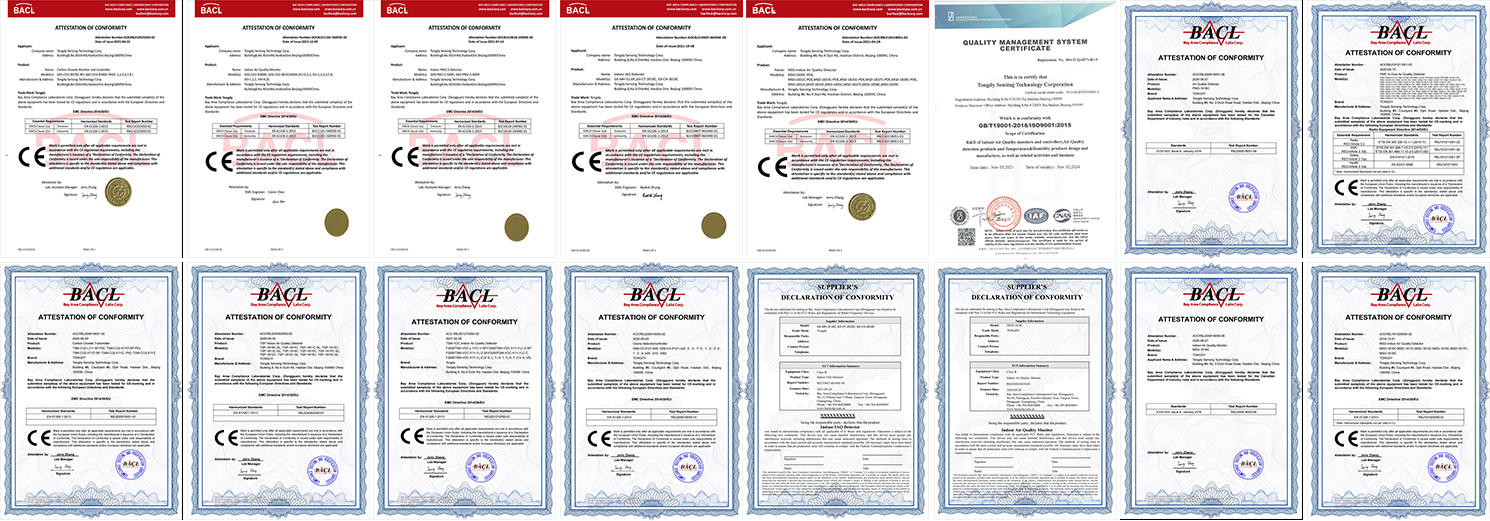
Global Standard Compliance
Full adherence to CE, RoHS, ISO9001, and compatibility with the highest international building efficiency and environmental safety guidelines.
Social Responsibility & WELL Collaboration
Tongdy actively develops air quality monitors and is devoted in healthy indoor air quality, and strive to become an excellent enterprise model. As a corporate citizen, Tongdy has contributed to public welfare undertakings such as cooperate with public benefit corporation, like WELL — the world's leading organization focused on deploying people first places to advance a global culture of health, especially exploring the impact of indoor air quality to people's health based on The WELL Building Standard™.
Through empirical field studies in high-rise duct networks and commercial HVAC loops, Tongdy's in-duct sensors provide the high-integrity environmental metrics that help design engineers validate ventilation performance and certify healthier workspaces worldwide.
Certificates and Honor
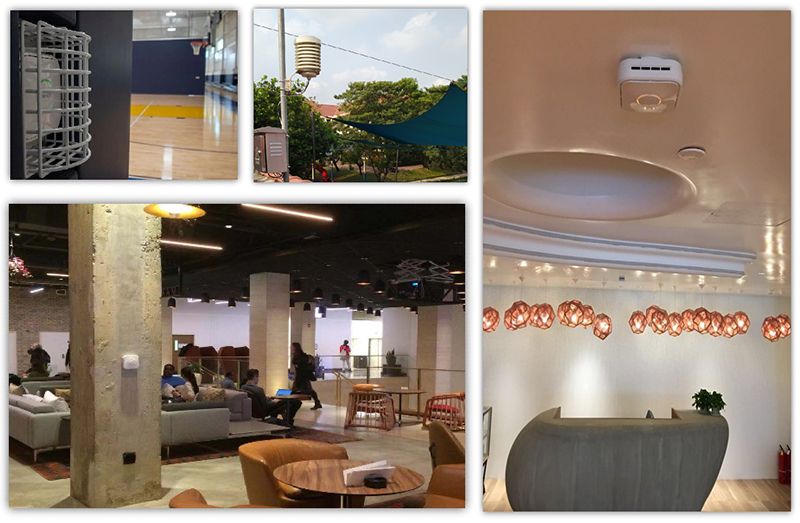
Comprehensive Duct & Indoor Gas Controllers Portfolio
Select from our complete range of certified carbon dioxide, single-gas, and multi-parameter sensing solutions.