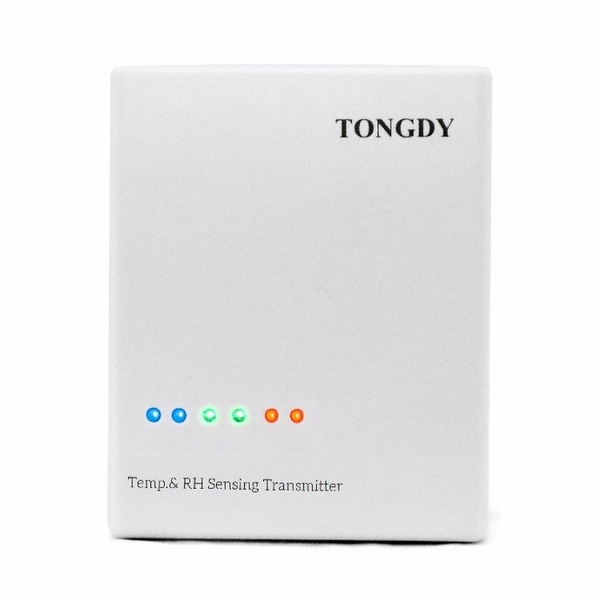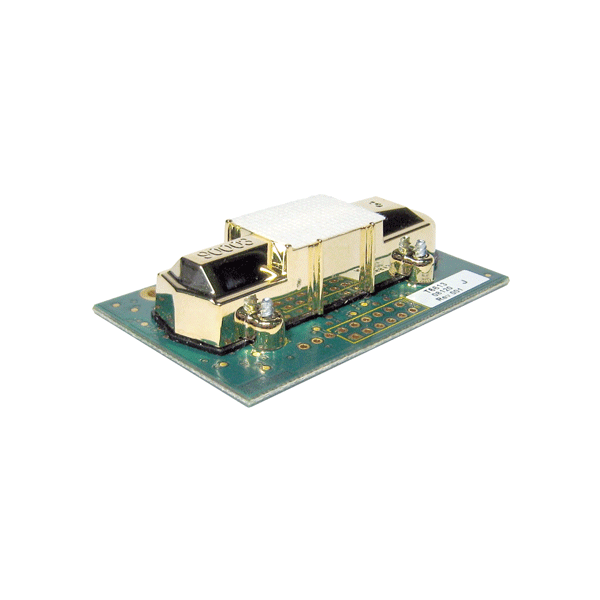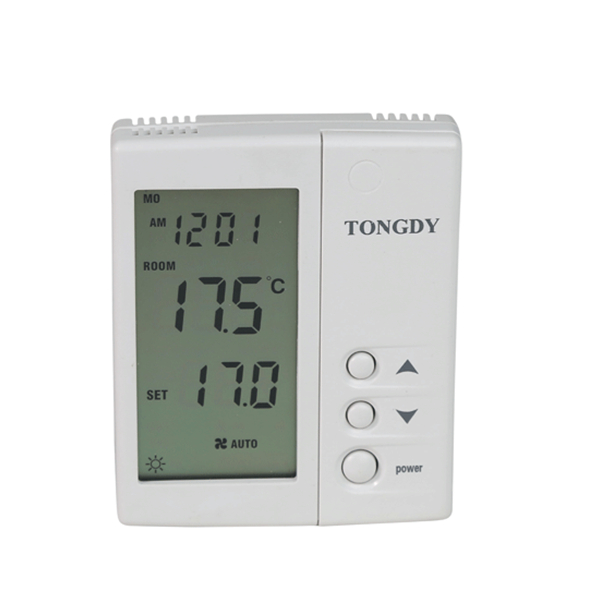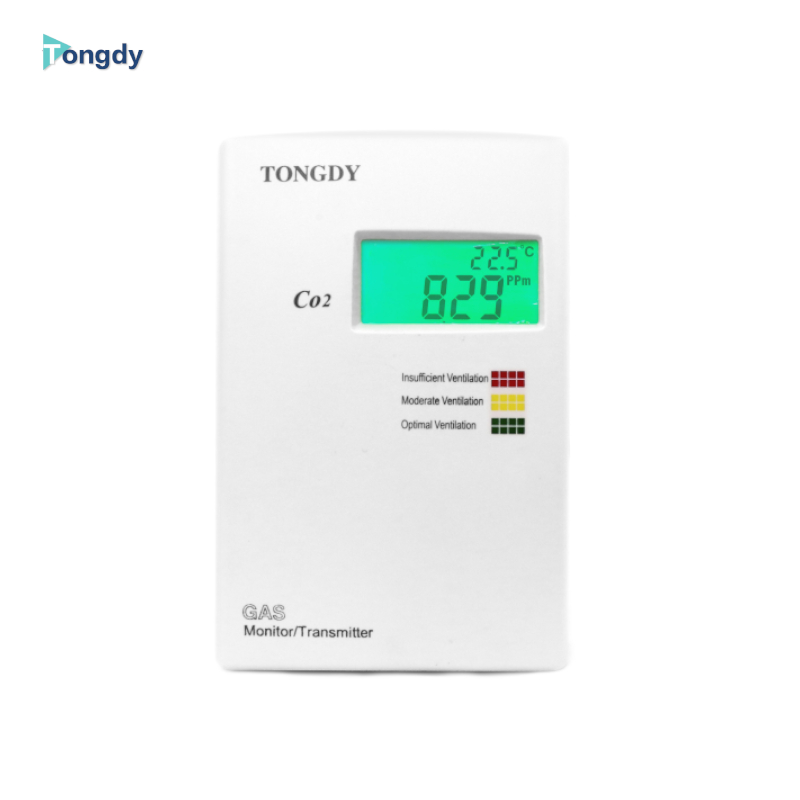

Public Space IAQ Flagship Monitoring Devices
Engineered for commercial-grade air verification, demand-controlled ventilation, and intelligent building compliance.
Commercial & Industrial Landscape of Public Space Air Quality Monitoring
In modern architectural design and smart facility management, building air quality monitoring for public space air testing has transitioned from an optional health amenity into a fundamental structural mandate. High-density commercial environments such as corporate headquarters, international transit terminals, municipal centers, shopping complexes, universities, and hospitals host volatile occupant fluctuations throughout the diurnal cycle. Inadequate ventilation in these expansive envelopes exacerbates the accumulation of airborne contaminants, including respirable particulate matter (PM2.5, PM10), gaseous chemical emissions (Total Volatile Organic Compounds - TVOCs, formaldehyde), carbon dioxide (CO2), carbon monoxide (CO), and ozone (O3).
The global industrial paradigm has pivoted dramatically in response to rigorous green building certifications and post-pandemic respiratory safety standards. Internationally recognized rating frameworks such as WELL Building Standard™, LEED (Leadership in Energy and Environmental Design), RESET Air, and BREEAM stipulate persistent, verifiable data logging rather than sporadic spot checking. Continuous real-time air diagnostics allow mechanical building operators to implement Demand-Controlled Ventilation (DCV), seamlessly balancing occupant biological safety with strict decarbonization and energy-saving targets.
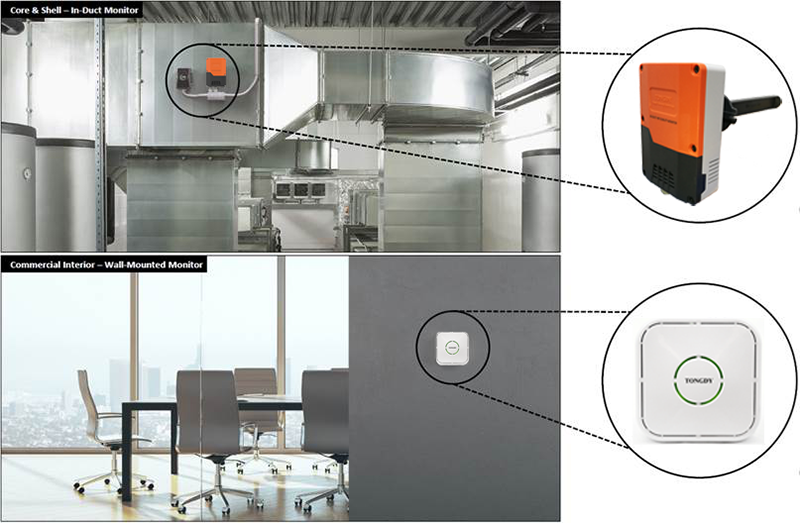
HVAC & BMS Integration
Seamless communication via BACnet, Modbus RS485, and wireless protocols (Wi-Fi, LoRaWAN) empowers building automation systems to modulate fresh air dampers dynamically based on accurate real-time contaminant loads.
Standard Compliance
Certified sensory architectures fulfill prescriptive requirements for WELL v2 Air concept credits, RESET continuous monitoring standards, and municipal airborne pathogen mitigation policies worldwide.
Industrial Robustness
Engineered with cast-aluminum multi-sensor modularity and proprietary automated baseline calibration algorithms to prevent sensory drift under non-stop, high-traffic commercial exposure.
Deep Dive: Critical Public Space Application Scenarios
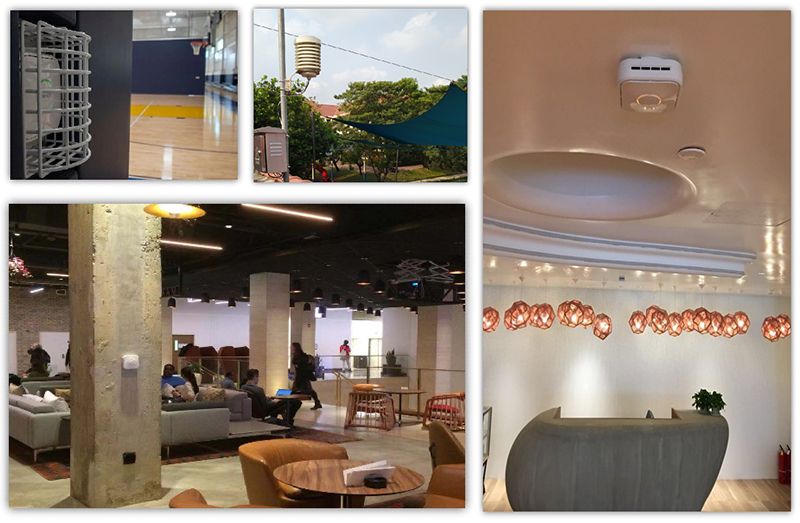
Public venues present complex fluid-dynamic microclimates requiring specialized sensor placement, multi-parameter integration, and strategic threshold automation:
1. High-Density Transit Terminals & Airports
Transit hubs experience rapid influxes of thousands of passengers alongside exhaust infiltration from airfields and bus depots. In these sprawling concourses, multi-sensor arrays monitor PM2.5 particulate penetration, CO from transport ingress, and CO2 surges during peak transit hours. Automated BMS integration activates high-capacity filtration units before contaminants diffuse across gate lounges.
2. Corporate Towers & Co-Working Hubs
Modern commercial workspaces emphasize cognitive function and thermal comfort. Elevated indoor CO2 concentrations above 1,000 ppm significantly impair decision-making and productivity. Real-time data displays reassure occupants of their physical wellbeing while cloud data analytics allow property asset owners to audit fresh air distribution floor by floor.
3. Educational Institutions, Auditoriums & Cultural Centers
Classrooms, lecture halls, and museum spaces require quiet, unobtrusive air testing hardware that monitors temperature, relative humidity, and dew point to protect physical archives while guarding students against carbon dioxide lethargy and viral transmission vectors.
4. Healthcare Facilities & Clean Public Environments
Clinical waiting zones and pharmaceutical outpatient lobbies demand ultra-precise monitoring of chemical pollutants, disinfection byproducts, and ozone concentrations from sterilization equipment, safeguarding immunocompromised visitors against secondary pulmonary stress.
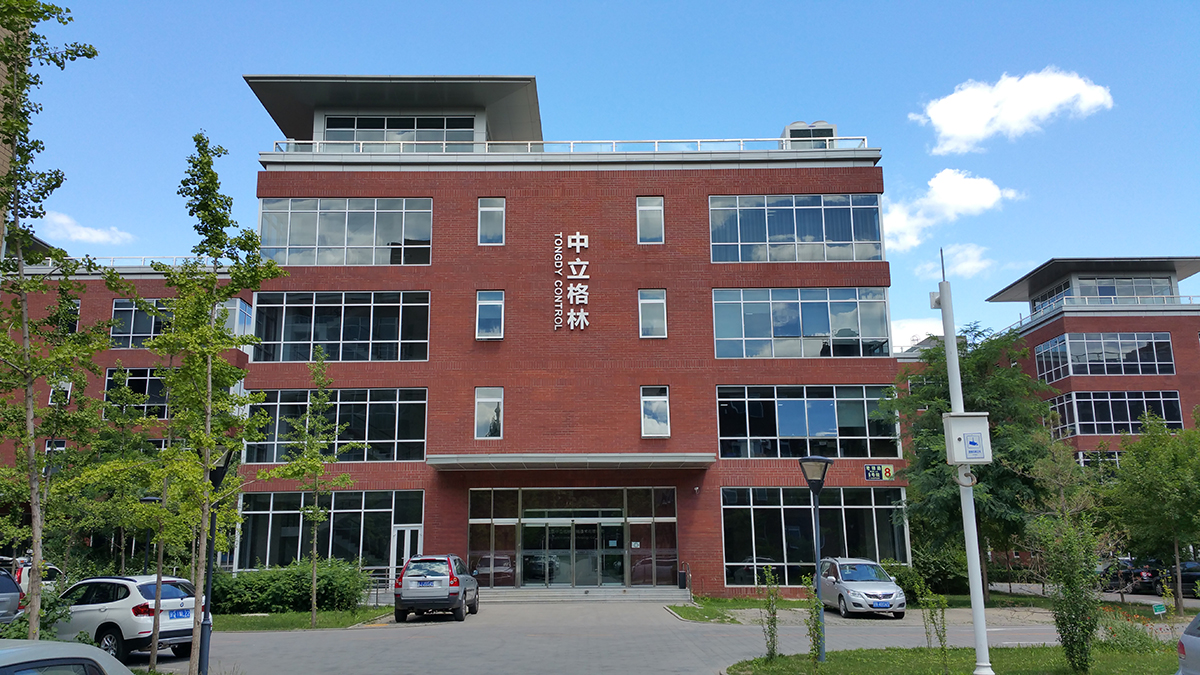
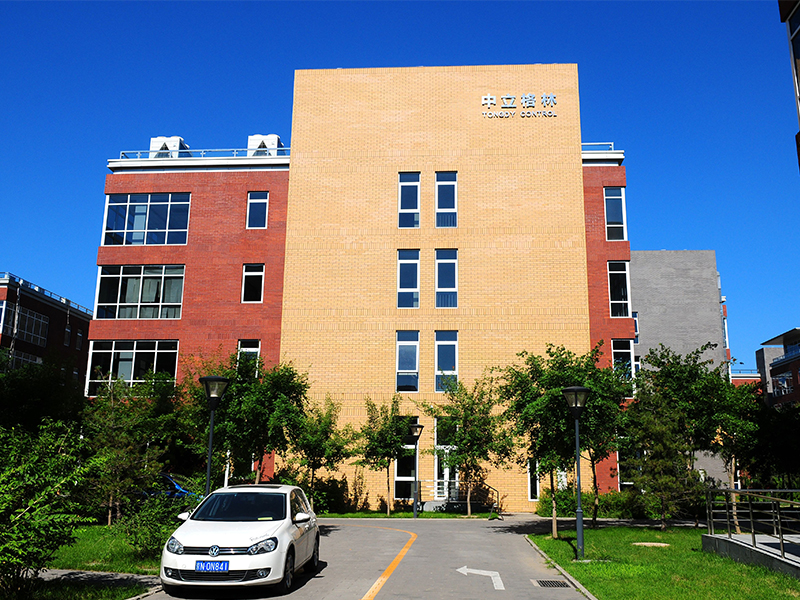
Tongdy Sensing Technology Corporation
Help you build and maintain a healthy indoor environment
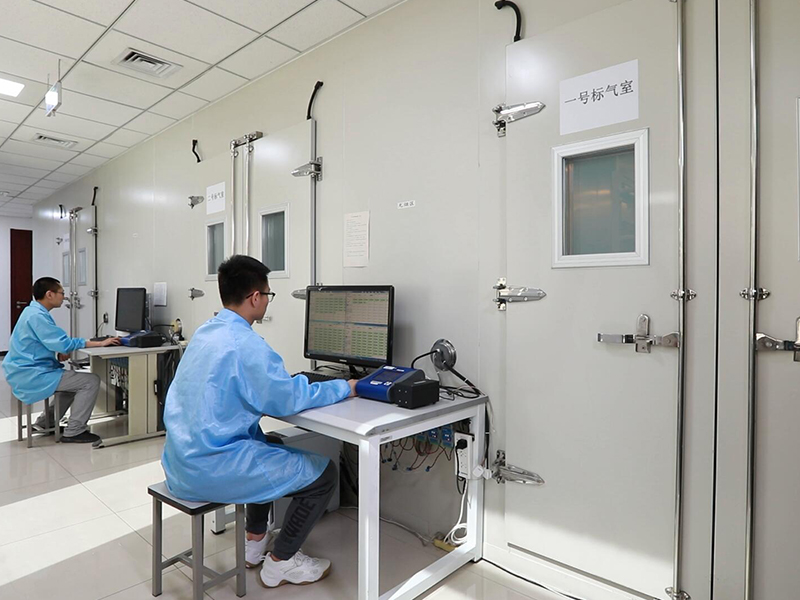
Our work makes a difference in helping you make the healthy indoor air quality. As one of the earliest companies in China engaged in air quality monitoring products, Tongdy has been always focusing on its strong technology development and design capabilities on the indoor air quality monitors.
About Tongdy: Focus on air quality detection and control over 15 years
Our Purpose
We foster research and development on obtaining accurate air quality data, help you well understand and improve the air you breathe by quantitative assessment and data analysis. For pursuing our ultimate purpose of creating healthy indoor air quality, we’re committed to obtain real and accurate data and cultivating the next generation of innovators in technology and engineering.
Social Responsibility & Global Commitments
Tongdy actively develops air quality monitors and is devoted in healthy indoor air quality, and strive to become an excellent enterprise model. As a corporate citizen, Tongdy has contributed to public welfare undertakings such as cooperate with public benefit corporation, like WELL- the world’s leading organization focused on deploying people first places to advance a global culture of health, especially exploring the impact of indoor air quality to people’s health based on The WELL Building Standard™.
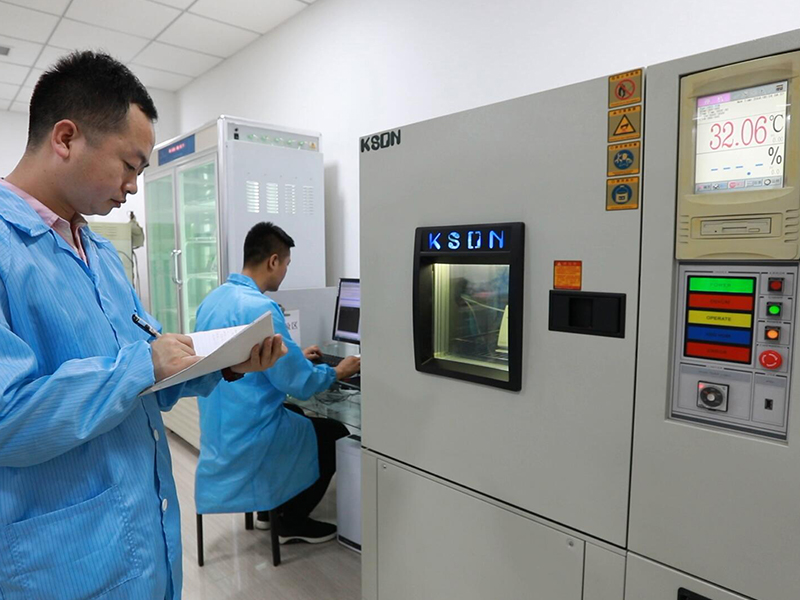
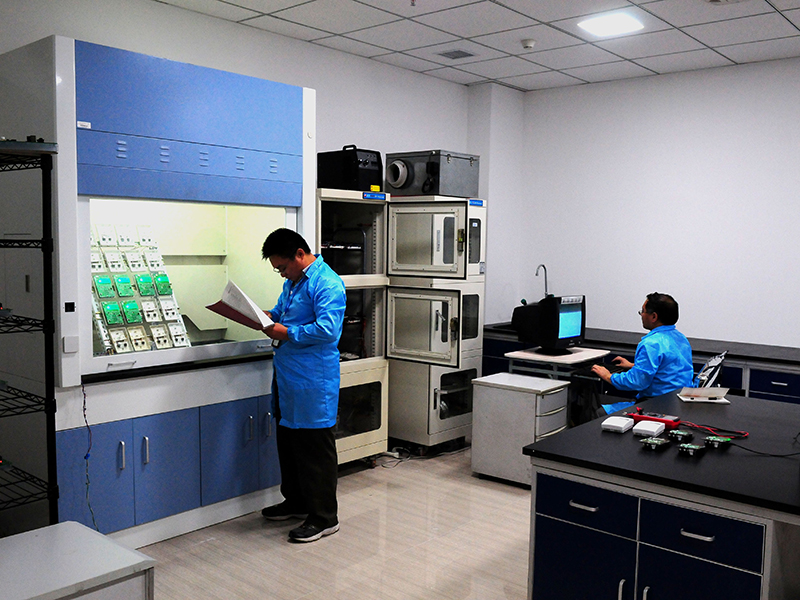

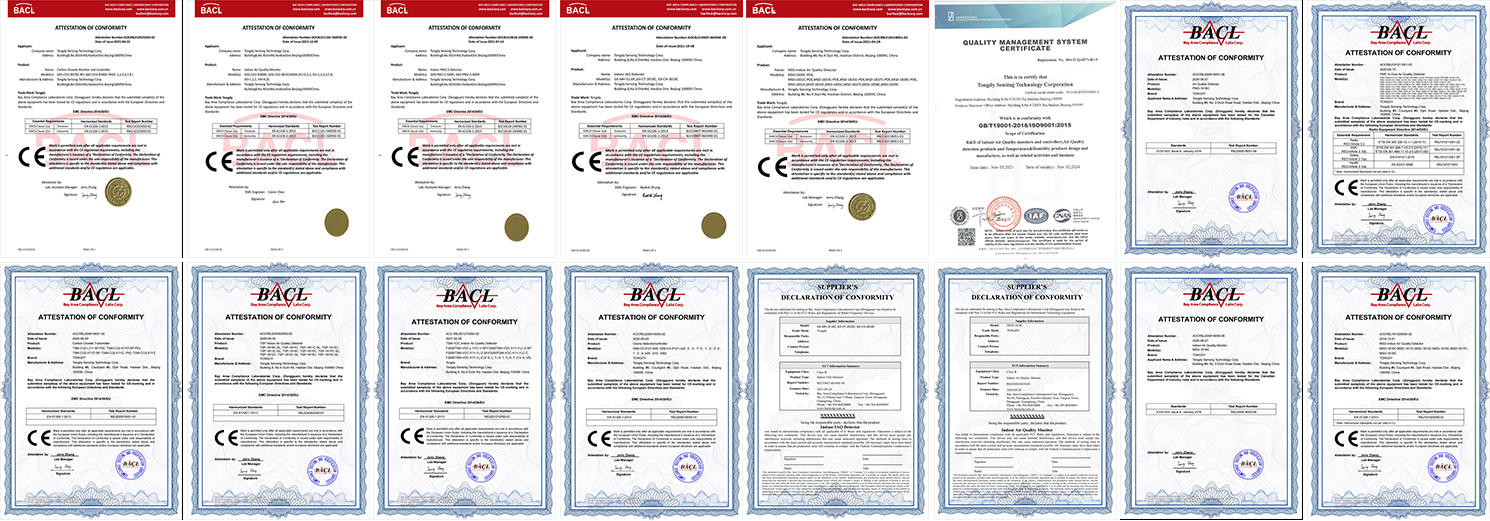
Certificates, Honor & Engineering Excellence
Demonstrating adherence to international calibration standards, electrical safety, and global green building benchmarks.
Our Values
Exclusive Innovative Calibration Algorithm
Proprietary technology, the effective calibration method to support higher data accuracy in different environment.
Unique Professional Multi-Sensor Module
Special multi-sensor module with the sealed cast aluminum structure and up to six sensors inside.
Continuous R&D Investment & Quality Control
Tongdy-owned, and huge investment in research and development to ensure the product reliability and innovation.
Real-Time Monitoring & Historical Analysis
“MyTongdy” Platform will help you reading and analyzing data of your air quality on PC or mobile APP to optimize IAQ.
The Expert of Indoor Air Quality Data
Over 15 years experience for indoor air quality, Tongdy provides commercial accurate data for health-centered indoor spaces.
Comprehensive Public Space Air Testing & Control Solutions
Explore our complete catalog of precision gas detection instruments, environmental controllers, and automated sensing devices.