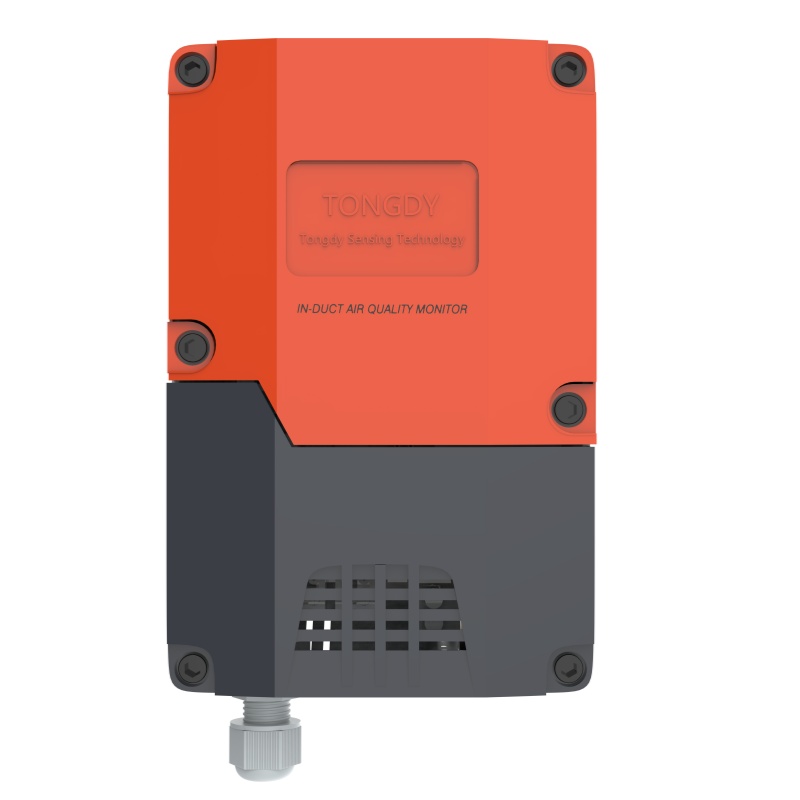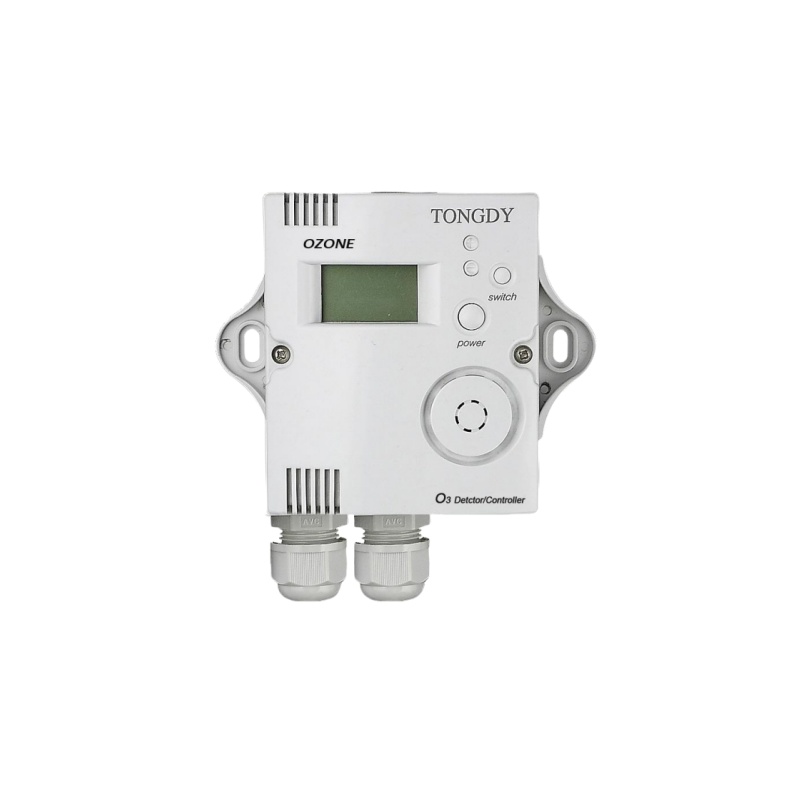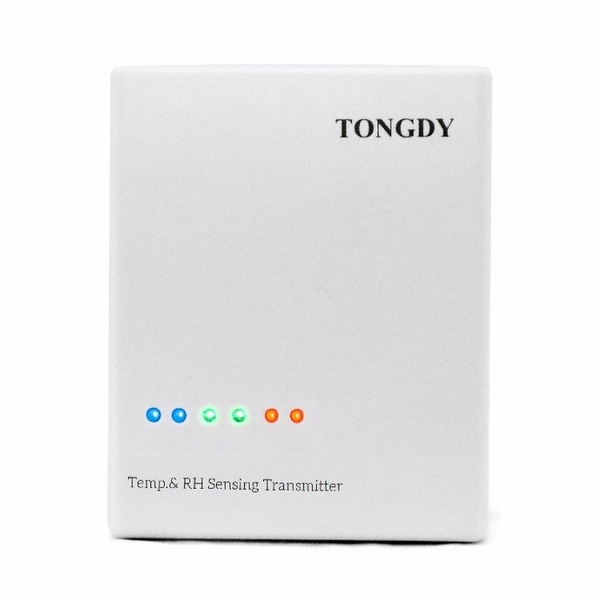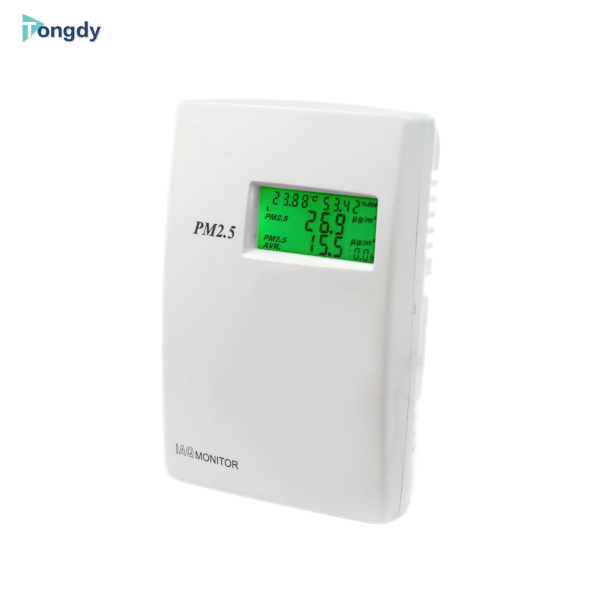

Featured Duct & Indoor Air Monitoring Solutions
High-precision environmental transmitters designed for HVAC air duct distribution systems, BMS automation, and green building compliance.
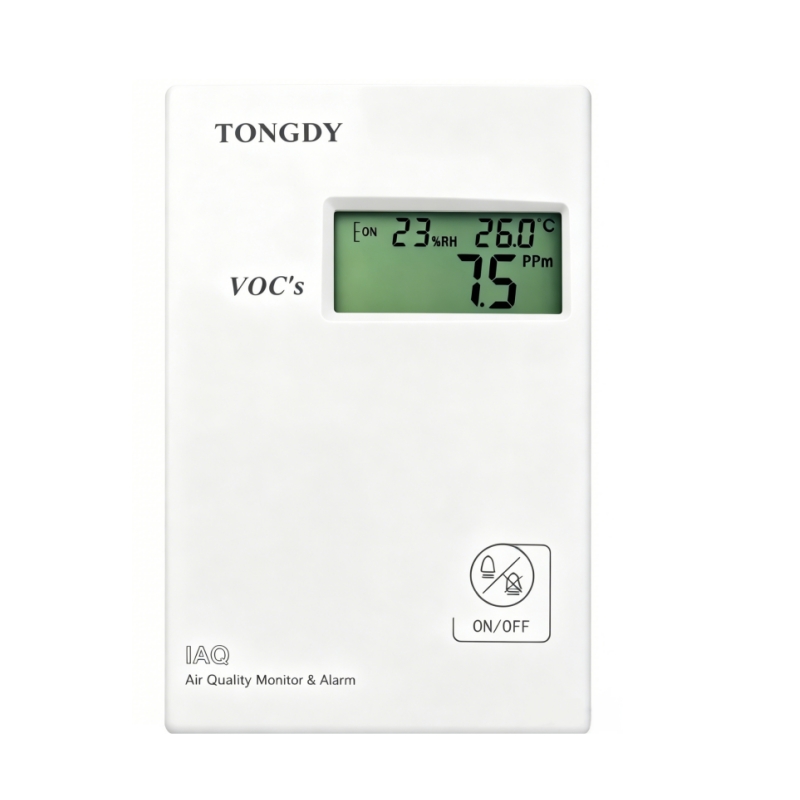
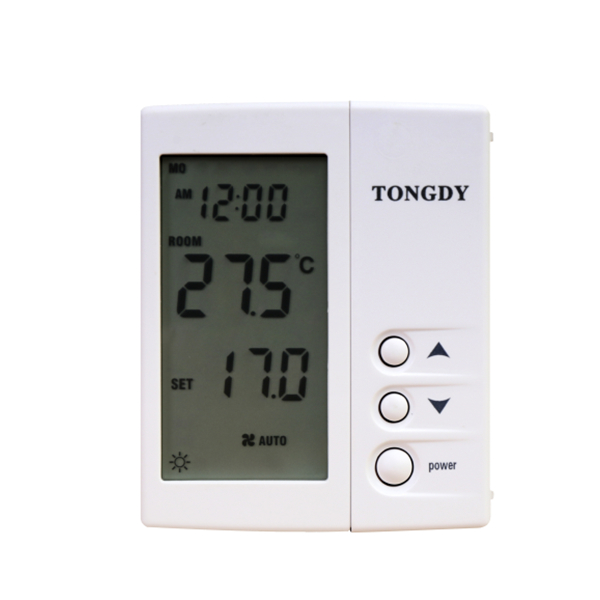
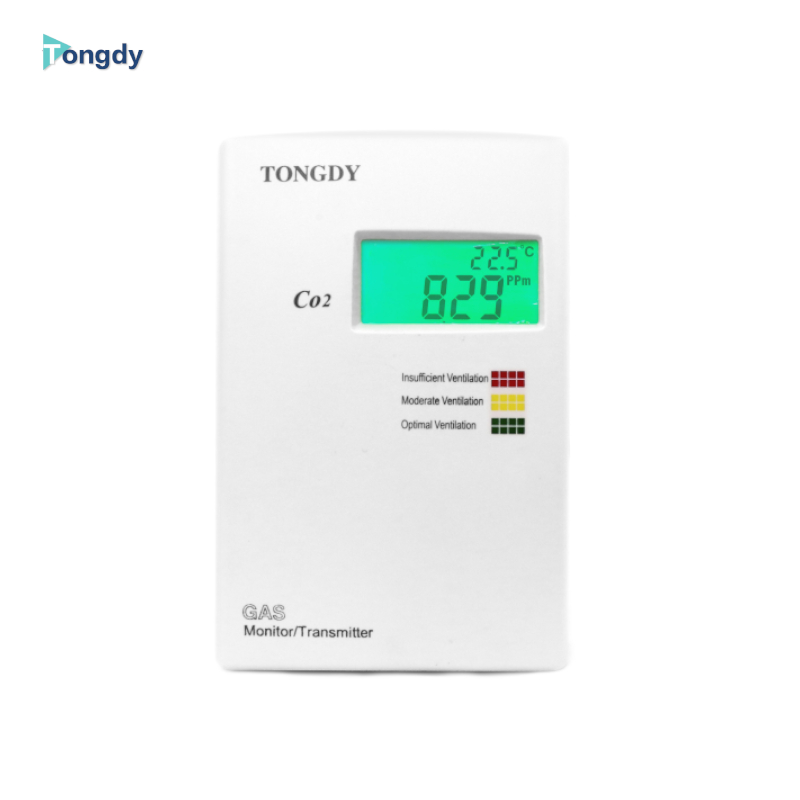
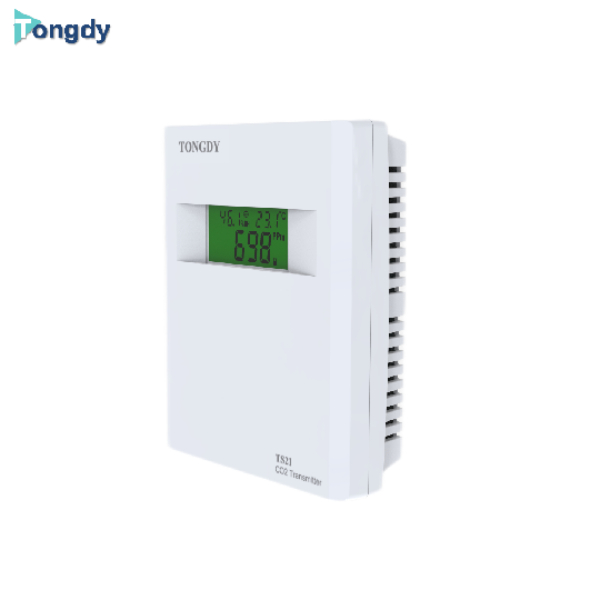
The Shift Toward In-Duct Air Quality Monitoring in Smart Buildings
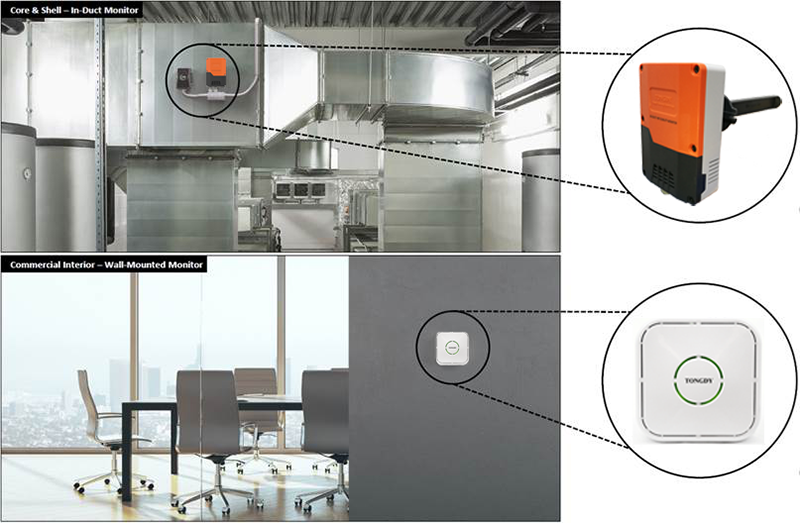
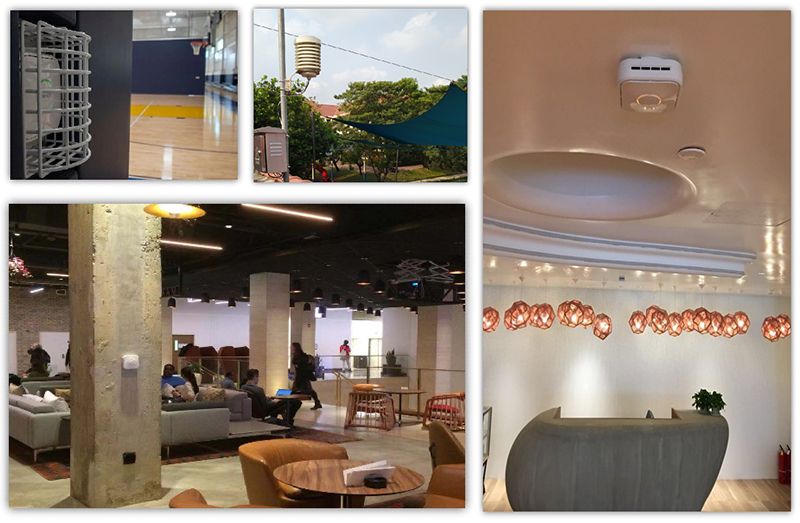
Modern commercial architecture and industrial real estate are undergoing a major evolution driven by two imperative forces: occupant health and energy efficiency. Historically, indoor air quality (IAQ) monitoring relied on wall-mounted room sensors scattered across occupied spaces. While wall sensors provide localized micro-climate data, they fail to deliver a comprehensive, real-time snapshot of the overall ventilation supply and return airflow. This is where in-duct environment sensing becomes irreplaceable.
Installing robust, multi-parameter air quality sensors directly within heating, ventilation, and air conditioning (HVAC) ductwork enables facilities engineers and Building Automation Systems (BAS) to continuously measure mixed return air, outdoor fresh intake air, and conditioned supply air. By capturing concentration gradients of Carbon Dioxide ($CO_2$), Volatile Organic Compounds (TVOCs), Fine Particulate Matter ($PM_{2.5} / PM_{10}$), Relative Humidity, and Temperature directly within the airflow stream, building managers gain actionable data that optimizes air purification, dynamic damper control, and fan speed modulation.
Industry Insights: In-duct sensing serves as the primary data node for Demand-Controlled Ventilation (DCV). By continuously monitoring return air $CO_2$ and TVOC levels, smart HVAC controllers can adjust fresh air intake in real time—slashing facility energy consumption by up to 30% while preserving pristine indoor air conditions aligned with WELL v2 and RESET Air standards.
Commercial & Industrial Market Driving Factors
The rapid global adoption of in-duct environmental sensing is fueled by stringent green building standards, regulatory mandates, and rising operational energy costs:
- ESG Compliance & Sustainability Mandates: Corporate real estate stakeholders are bound by ESG goals requiring quantitative verification of energy savings and tenant wellness initiatives. Duct-mounted sensors supply continuous, tamper-proof logs required for LEED v4.1, WELL Building Standard, and BREEAM certifications.
- Demand-Controlled Ventilation (DCV) Optimization: Operating HVAC fans and chillers at full capacity on static schedules wastes immense electrical power. In-duct $CO_2$ and particle sensing allows variable air volume (VAV) systems to dynamic throttle air volumes according to true real-time occupancy.
- Pathogen & Airborne Contaminant Mitigation: Post-pandemic ventilation protocols require elevated air exchange rates. Duct monitors track particulate counts ($PM_{2.5}$) and humidity threshold windows (40%-60% RH) to inhibit viral survival and verify MERV/HEPA filter efficiency across duct runs.
- Predictive HVAC Maintenance: Differential pressure paired with particulate monitoring in ductwork identifies clogged filter banks, duct leakage, or blower degradation long before occupants complain or system equipment suffers cataclysmic failure.
Key Environmental Parameters Measured in HVAC Ducts
Understanding the physics and sensing mechanisms required for reliable data capture in high-velocity duct conditions.
Carbon Dioxide ($CO_2$) Sensing
In duct environments, Non-Dispersive Infrared (NDIR) dual-beam sensors are essential to track return air $CO_2$. NDIR technology ensures long-term stability against drift, providing accurate ambient PPM metrics that direct fresh outdoor air dampers for optimal oxygen balance and cognitive focus.
Particulate Matter ($PM_{2.5} / PM_{10}$)
Laser scattering particle counters embedded inside air duct probes evaluate dust, pollen, and micro-droplets in motion. Monitoring duct particulate loads validates supply air filtration efficacy and alerts maintenance teams when ductwork accumulates particulate debris.
Total Volatile Organic Compounds
Metal-oxide semiconductor (MOS) TVOC sensors detect off-gassing, cleaning solvents, formaldehyde, and chemical vapors circulating through return air channels, preventing building-wide chemical recirculation and Sick Building Syndrome (SBS).
Temperature & Humidity ($T/RH$)
Precise thermal-hygrometric sensors calculate enthalpy within duct channels, allowing building automation engines to manage cooling coils, humidifiers, and economizers to eliminate mold growth risks and lower energy consumption.
Ozone ($O_3$) & Specialized Gases
Electrochemical ozone sensors verify residual ozone levels in facilities employing ozone disinfection or ionizer purification loops inside main duct lines, guaranteeing safe concentration limits before air enters human zones.
Air Velocity & Static Pressure
Duct pitot tubes and differential pressure transmitters monitor dynamic static pressure drops across filter banks and variable air volume dampers, ensuring linear airflow patterns and zero short-circuiting.
In-Depth Application Scenarios Across Commercial & Industrial Sectors
How engineered duct environment monitors deliver tailored benefits across diverse structural environments.
1. Commercial High-Rise Real Estate & Corporate Headquarters
In multi-story corporate towers, thousands of occupants create dynamic micro-zones of $CO_2$ load and metabolic heat. Installing professional in-duct air quality monitors (such as the Tongdy PMD series) in main return ducts for each zone allows the central BMS (via BACnet MS/TP or Modbus RTU) to automatically throttle Variable Air Volume (VAV) terminal units. When conference rooms empty out, fresh air supply is intelligently re-routed to denser floor spaces without wasting fan power.
2. Healthcare Institutions, Laboratories & Cleanrooms
Hospitals and pharmaceutical manufacturing plants demand absolute containment of chemical vapors, airborne microbes, and particulate contamination. In-duct sensing arrays monitor return air lines to instantly isolate spaces where chemical spills or bio-contaminants are detected. Integrated differential pressure and humidity sensing within duct probes maintain strict positive or negative pressure corridors to prevent cross-contamination.
3. Educational Campuses & Large Public Venues
Universities, auditoriums, and airport terminals experience drastic occupancy surges. Duct monitoring continuously evaluates $CO_2$ accumulation in vast recirculated air masses. By keeping $CO_2$ levels under 800 PPM through automated damper modulation, academic institutions report higher student cognitive scores while public spaces maintain fresh, odor-free environments during peak travel hours.
4. Industrial Manufacturing & Chemical Processing
Factories generating volatile organic compounds, smoke, or toxic trace gases rely on heavy-duty cast-aluminum duct monitors to continuous evaluate exhaust and makeup air ducts. High-accuracy gas sensors prevent hazardous chemical build-up inside ductwork, avoiding workplace toxicity and protecting sensitive automated machinery from corrosive airborne contaminants.
About Tongdy Sensing Technology Corporation
Help you build and maintain a healthy indoor environment through over 15 to 20+ years of dedicated R&D excellence.
Focus on Air Quality Detection and Control over 15 Years
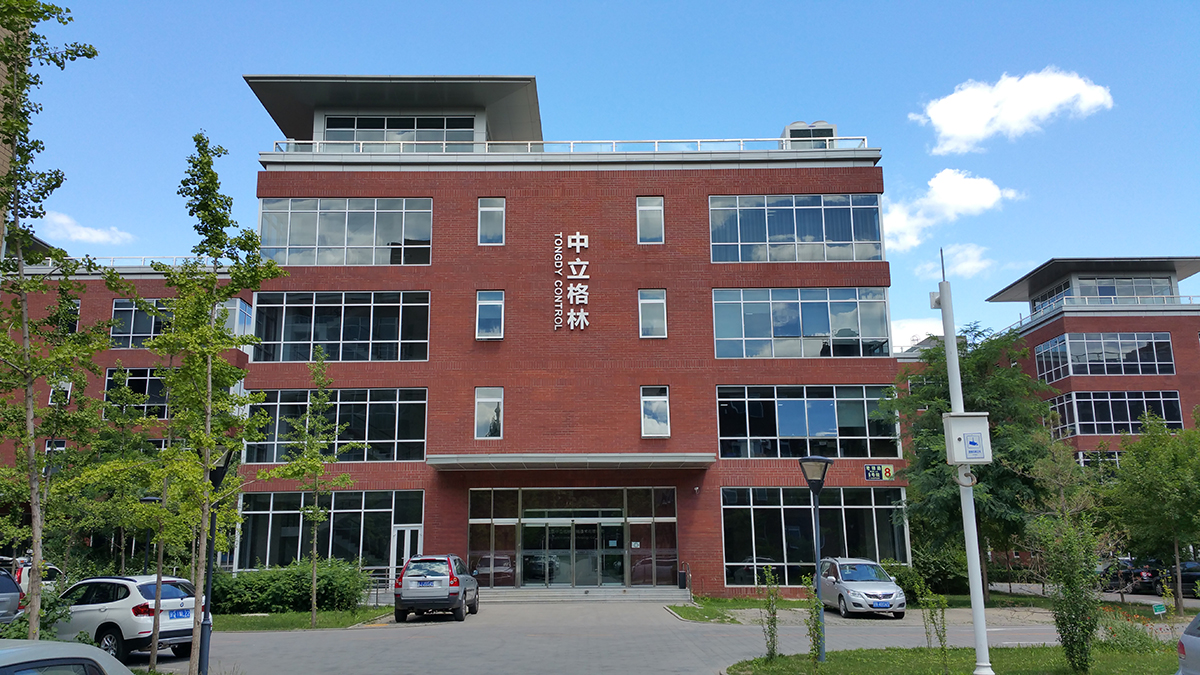
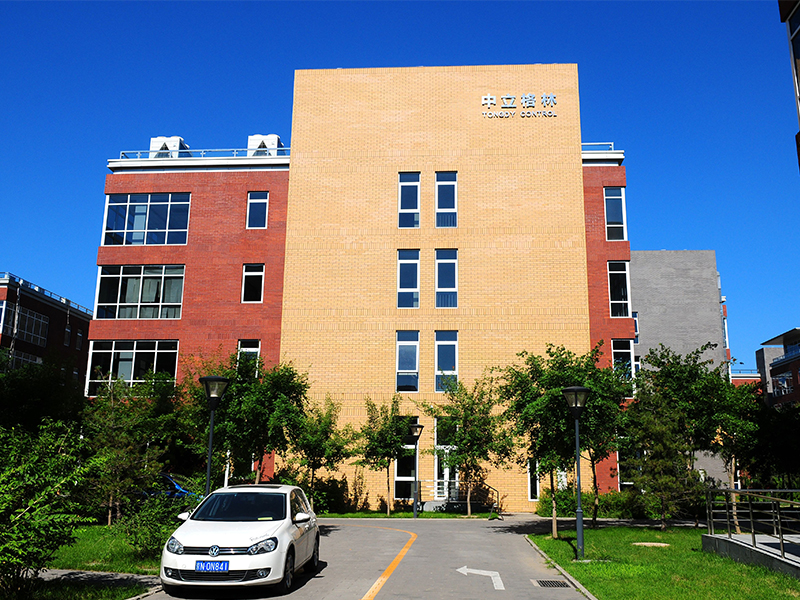
Our work makes a difference in helping you create clean, healthy indoor air quality. As one of the earliest companies in China engaged in air quality monitoring products, Tongdy has always focused its strong technology development and design capabilities on indoor and in-duct air quality monitors.
Our Purpose
We foster research and development on obtaining accurate air quality data, helping you well understand and improve the air you breathe by quantitative assessment and data analysis. For pursuing our ultimate purpose of creating healthy indoor air quality, we're committed to obtaining real and accurate data and cultivating the next generation of innovators in technology and engineering.
Social Responsibility & WELL Standard Collaboration
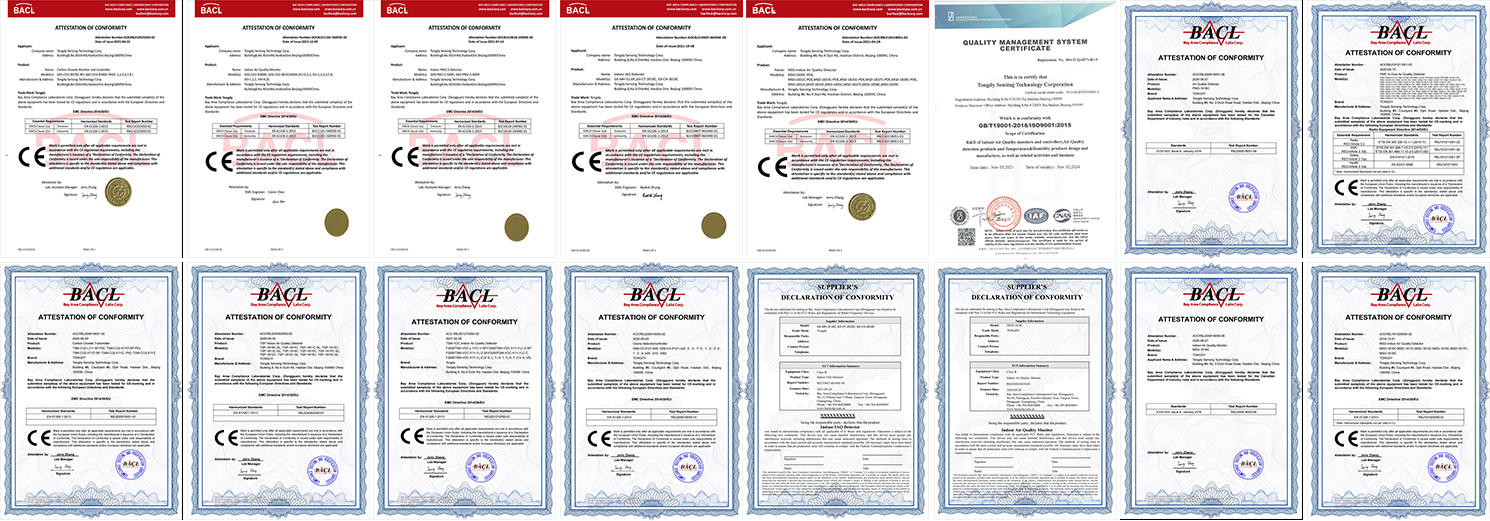
Tongdy actively develops air quality monitors and is devoted to healthy indoor air quality, striving to become an excellent enterprise model. As a corporate citizen, Tongdy has contributed to public welfare undertakings such as cooperating with public benefit organizations like WELL—the world's leading organization focused on deploying people-first places to advance a global culture of health, especially exploring the impact of indoor air quality on people's health based on The WELL Building Standard™.
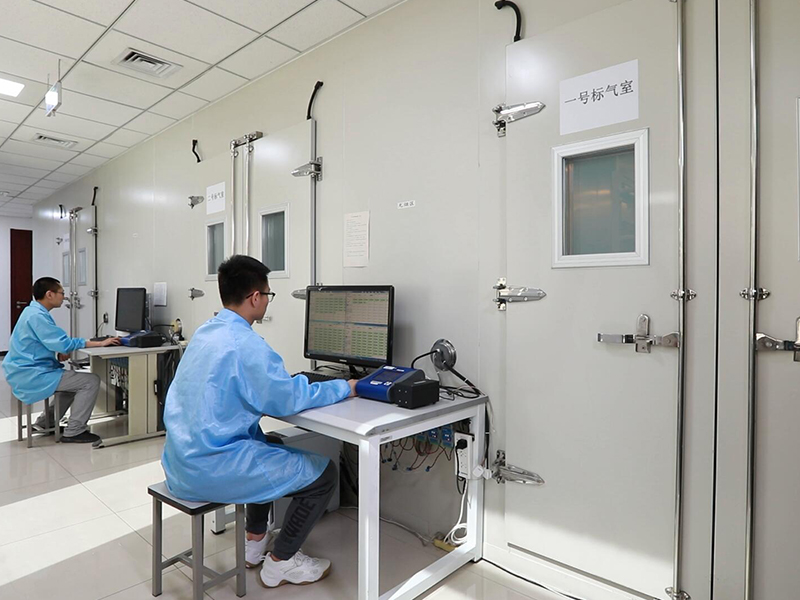

Certificates and Honor
Our Values & Technical Superiority
Exclusive Innovative Calibration Algorithm
Proprietary technology and effective self-calibration methods support higher data accuracy across fluctuating temperature, humidity, and airflow duct conditions.
Unique Professional Multi-Sensor Module
Specialized multi-sensor modules engineered with sealed cast aluminum structures that house up to six parameters within a single compact duct unit.
Continuous R&D & Quality Control
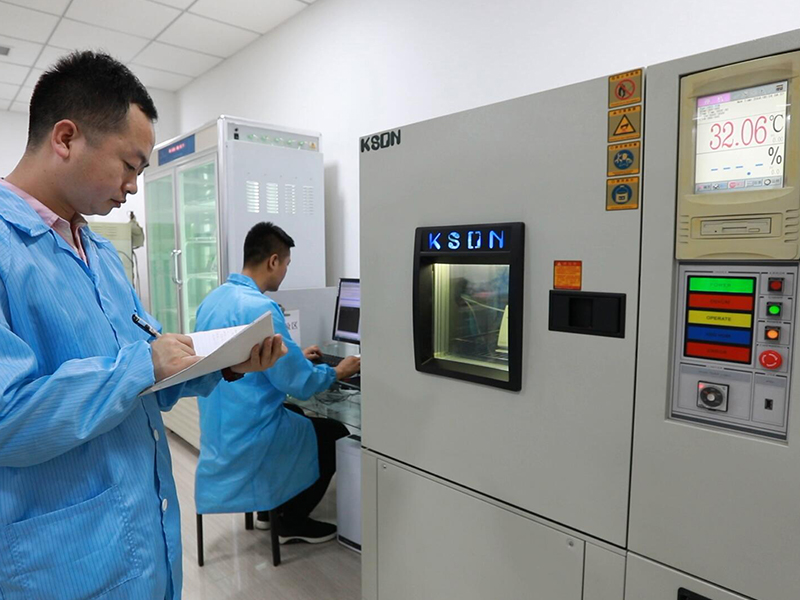
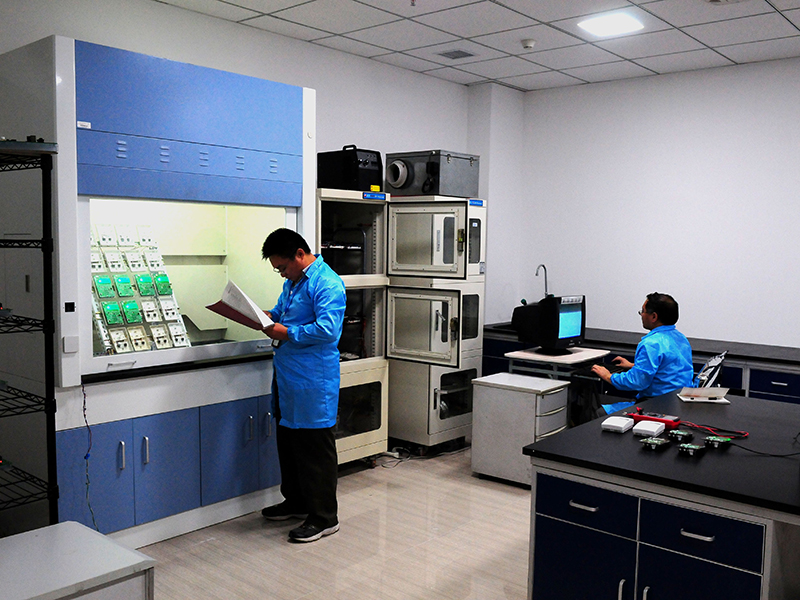
Tongdy-owned facilities with substantial ongoing investment in research and development to ensure strict product reliability, stability, and technology innovation.
Real-Time Data & Platform Analysis
The "MyTongdy" platform assists facility operators in visualizing, analyzing, and reporting ambient and duct air metrics via PC interfaces or mobile applications.
Expert of Indoor & Duct Air Quality Data
Over 15+ years of dedicated industry experience providing commercial-grade accurate data, enabling client teams to make informed, health-centered building operational decisions.
100+ Monitoring & Control Products
Over 100 commercial-grade monitors and controllers including $CO_2$, single-gas, and multi-sensor solutions tailored for HVAC, BMS, and green building certifications.
Why Choose Tongdy Sensing Technology?
- 20+ Years of Expertise in IAQ & HVAC Solutions: Trusted worldwide for premium hardware, robust firmware, and dedicated technical service fully aligned with international Green Building standards.
- Reliable & Quantitative Data Accuracy: Equipping smart building managers with actionable real-time telemetry to reduce carbon footprints and optimize air dynamics.
- Tailored to Your Specific Needs: Flexible hardware design, modular probe lengths, custom gas sensor configurations, fast delivery, and cost-effective OEM/ODM capabilities.
Complete Duct & Indoor Environment Sensing Range
Explore our full line of commercial-grade monitors, in-duct sampling probes, thermostats, and controllers engineered for intelligent building ventilation systems.