
Key Commercial Air Quality Controllers & Transmitters
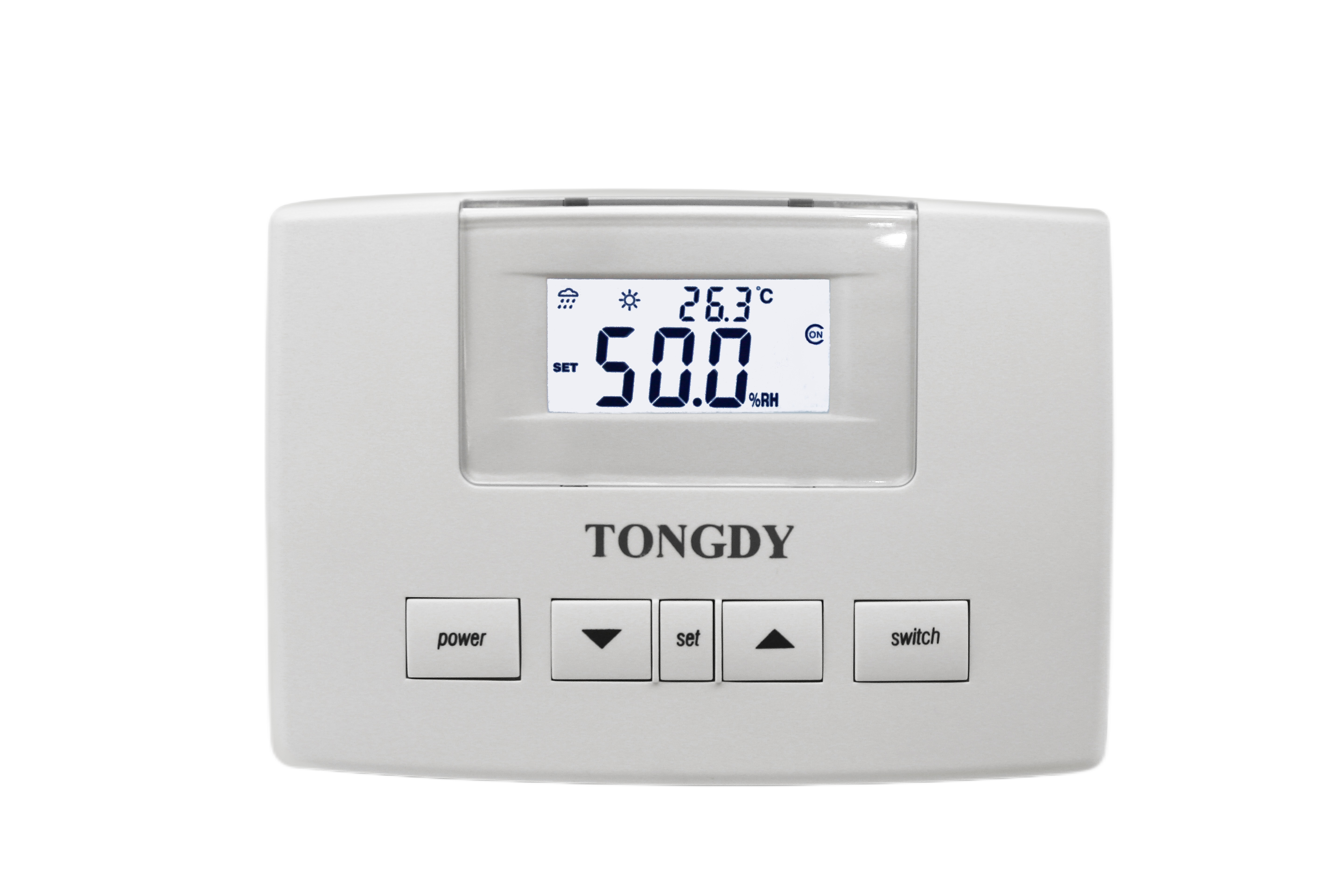
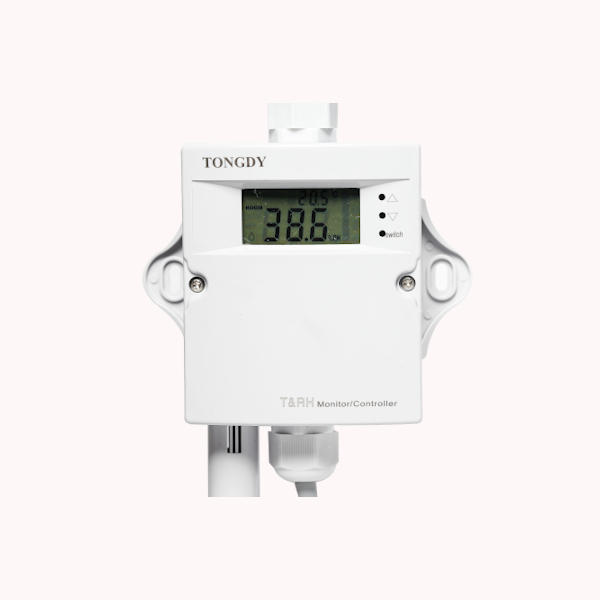
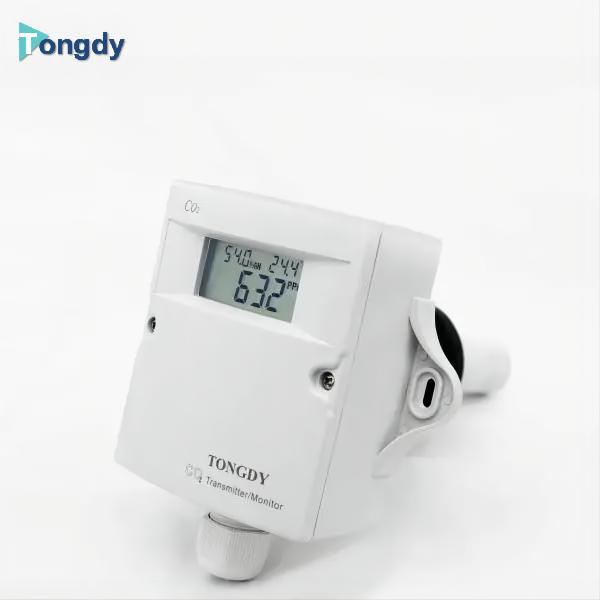
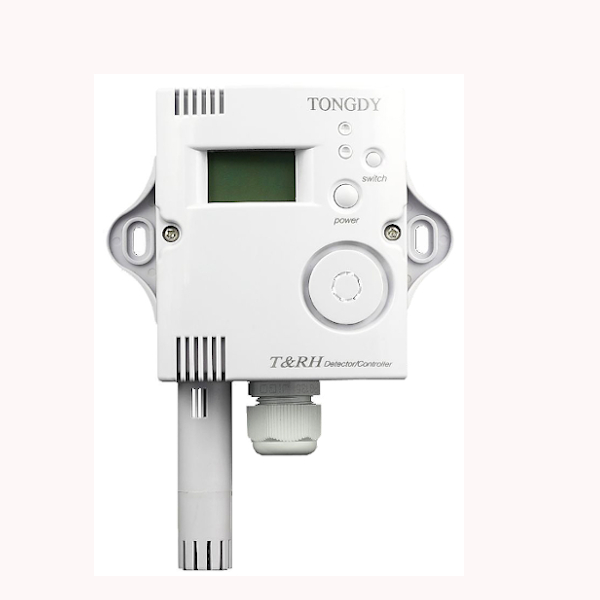
The Evolution of Commercial Indoor Air Quality Management
In modern commercial building architecture, Building Air Quality Monitoring For Commercial Building Control has transitioned from a passive compliance measure into a vital strategic asset. Traditionally, Heating, Ventilation, and Air Conditioning (HVAC) systems relied on fixed ventilation schedules or basic thermal setpoints. However, this static paradigm often leads to either massive energy waste during low occupancy or sub-optimal air quality during peak usage hours.
Today’s commercial real estate market requires high-performance smart buildings capable of real-time environmental self-regulation. By deploying intelligent indoor air quality (IAQ) sensors throughout ventilation ducts and occupied zones, commercial facilities can establish dynamic Demand-Controlled Ventilation (DCV). This automated feedback loop continuously balances fresh air delivery against real-time occupancy metrics and pollutant concentrations.
“Optimizing commercial IAQ reduces building operational energy consumption by 15% to 30% while measurably reducing employee absenteeism and enhancing cognitive performance.”
Furthermore, international green building benchmarks such as LEED v4.1, WELL Building Standard v2, and RESET Air Standard have reshaped commercial leasing standards. Corporate tenants actively seek facilities that guarantee verifiable indoor environmental health. Continuous data collection of parameters including Carbon Dioxide (CO2), Total Volatile Organic Compounds (TVOC), Fine Particulate Matter (PM2.5 / PM10), Carbon Monoxide (CO), Ozone (O3), Temperature, and Relative Humidity (RH) has become mandatory for enterprise ESG (Environmental, Social, and Governance) disclosure.
Emerging Trends in Smart Building Control Systems
AI-Driven Demand Ventilation
Integrating machine learning algorithms with real-time CO2 and occupancy sensor networks enables HVAC systems to predict ventilation load demands, eliminating lag and reducing fan power consumption during off-peak hours.
Multi-Parameter Sensor Fusion
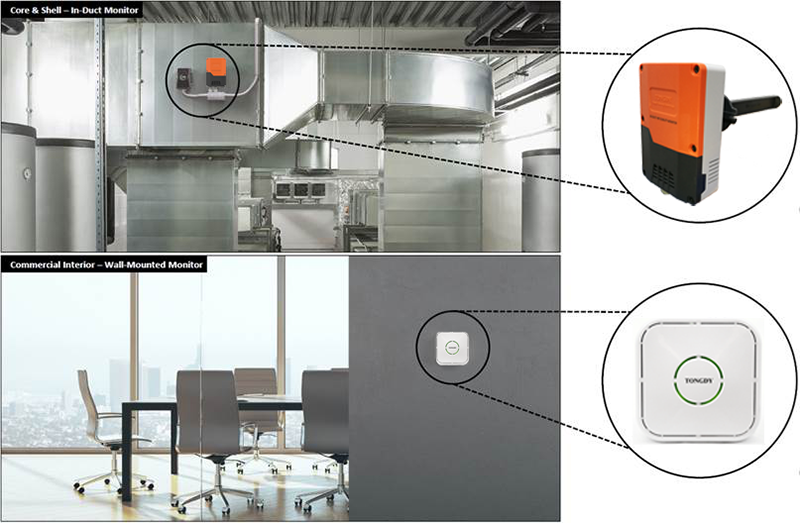
Moving away from single-parameter detection, modern commercial control utilizes compact multi-sensor modules combining NDIR CO2, laser particle counters, electrochemical gas sensors, and digital temp/RH units into single duct or wall-mount housings.
Seamless BMS Interoperability
Direct integration into Building Management Systems via industrial open protocols including BACnet IP/MS-TP, Modbus RTU, and MQTT cloud gateways ensures effortless setup and real-time enterprise-wide dashboard reporting.
Automatic Self-Calibration
Proprietary calibration software and Automatic Background Calibration (ABC) algorithms mitigate sensor drift over time, guaranteeing long-term measurement accuracy without demanding costly field maintenance trips.
Health & Wellness Compliance
Continuous cloud telemetry mapping against WELL and RESET Air standards allows facility managers to generate automated health certifications, bolstering property valuation and tenant retention rates.
Preventative Maintenance Logic
Duct sensors monitoring pressure drop and particulate levels automatically alert building engineers when filters require replacement, maintaining optimal system efficiency and extending fan service life.
Deep-Dive Application Scenarios in Modern Infrastructure
Class-A Commercial Office Towers Corporate
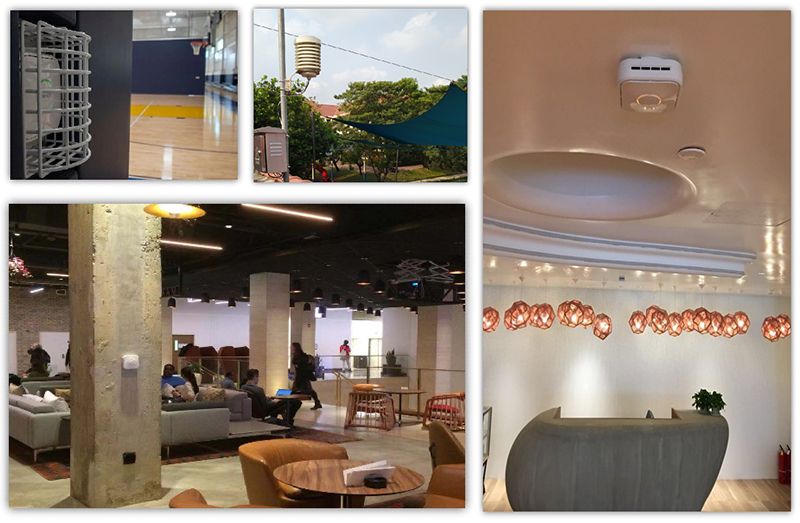
High-density office towers host variable populations throughout the workday. Meeting rooms and open-plan offices suffer from rapid CO2 accumulation during peak hours, leading to occupant fatigue and reduced decision-making ability.
- Solution: In-duct and wall-mounted CO2, Temp & RH transmitters dynamically control Variable Air Volume (VAV) boxes.
- Outcome: CO2 concentrations maintained strictly below 800 ppm, maximizing employee productivity while minimizing unnecessary outdoor air treatment costs.
Underground Parking & Commercial Depots Safety
Enclosed subterranean parking structures require robust gas monitoring to protect drivers and staff from toxic vehicle exhaust fumes, specifically Carbon Monoxide (CO) and Nitrous Dioxide (NO2).
- Solution: Heavy-duty split-type CO controllers connected directly to jet fan ventilation control loops.
- Outcome: Exhaust fans activate only when toxic thresholds are exceeded, preventing continuous full-power fan operation and cutting utility bills by over 40%.
Healthcare Facilities & Laboratories Critical
Hospitals, pharmaceutical labs, and isolation rooms demand strict pressure differentials, low VOC counts, and precise humidity monitoring to suppress airborne pathogen transmission and microbial growth.
- Solution: Ultra-precise dew-proof humidity controllers and multi-gas transmitters paired with cleanroom BMS controllers.
- Outcome: Constant relative humidity maintenance prevents bacterial propagation and condensation on sensitive diagnostic electronics.
Educational Institutions & Universities Education
Lecture halls and classrooms experience dramatic shifts in occupant density. Poor ventilation directly correlates with elevated infection rates and decreased student test scores.
- Solution: Wall-mounted compact CO2 monitors equipped with clear visual indicators and Modbus output to centralized energy management hubs.
- Outcome: Rapid automated fresh air injection during class turnovers ensures healthy cognitive environment.
Tongdy Sensing Technology Corporation
Help you build and maintain a healthy indoor environment
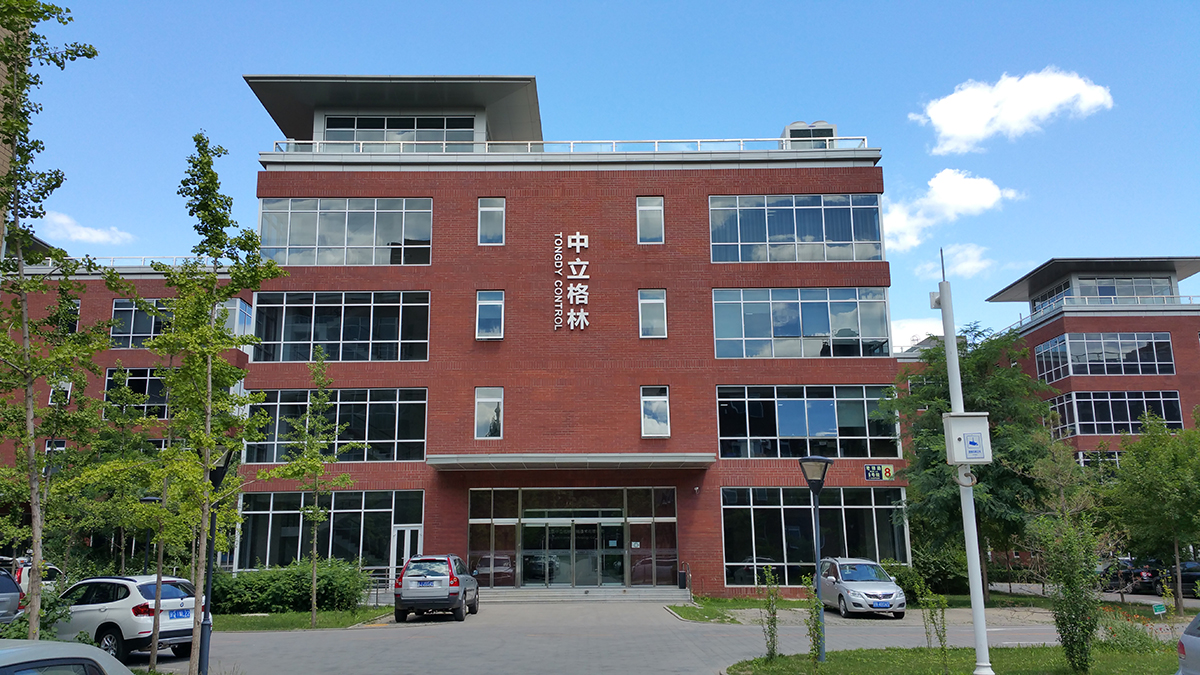
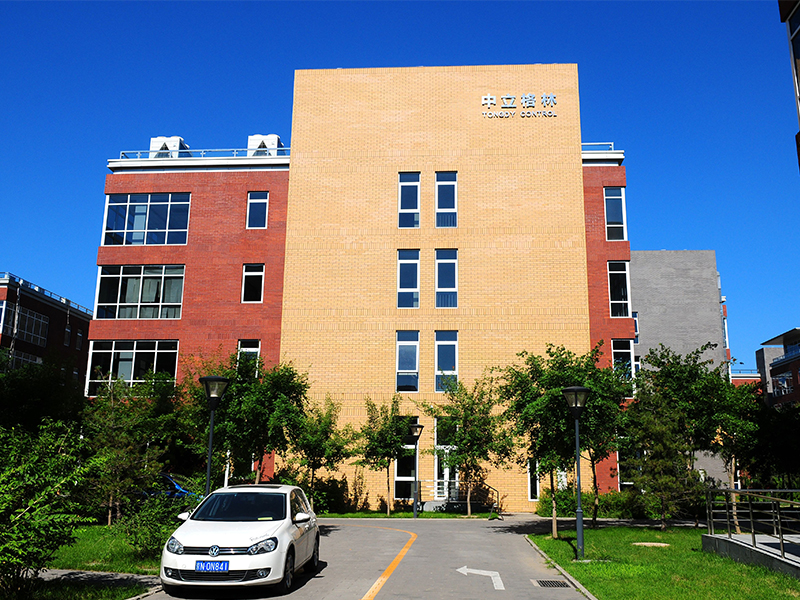
Our work makes a difference in helping you make the healthy indoor air quality. As one of the earliest companies in China engaged in air quality monitoring products, Tongdy has been always focusing on its strong technology development and design capabilities on the indoor air quality monitors.
We foster research and development on obtaining accurate air quality data, help you well understand and improve the air you breathe by quantitative assessment and data analysis.
For pursuing our ultimate purpose of creating healthy indoor air quality, we’re committed to obtain real and accurate data and cultivating the next generation of innovators in technology and engineering.

20+ Years of Expertise in IAQ & HVAC Solutions
Trusted by international clients for high-quality products and professional service, fully compliant with global Green Building standards.
100+ Monitoring and Control Products
Over 100 commercial-grade monitors and controllers, including CO2, single-gas, and multi-sensor solutions for HVAC, BMS, and green building applications.
Reliable and Accurate Data Integrity
Providing smart building managers and system integrators with actionable, real-time data to make informed automated decisions.
Tailored to Your Specific Needs
Flexible hardware architecture, OEM/ODM professional expertise, and fast global delivery enable cost-effective, customized gas detection solutions.
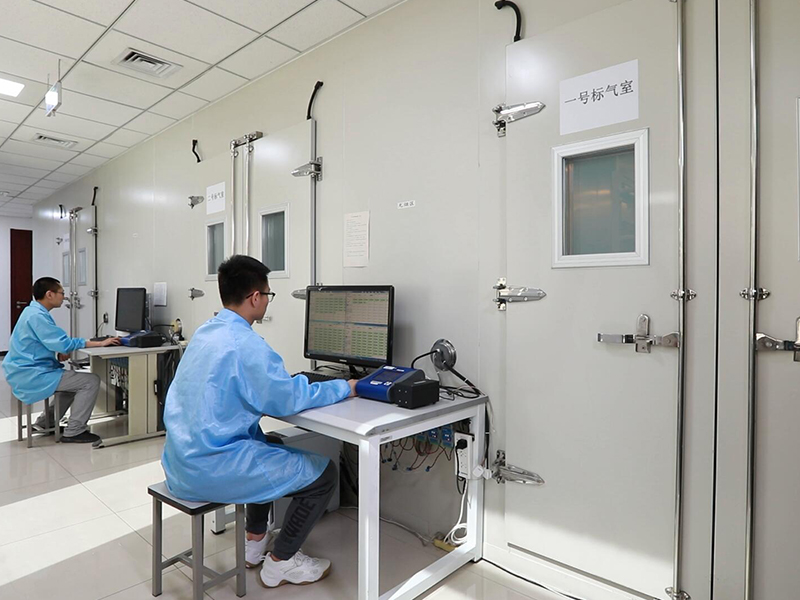
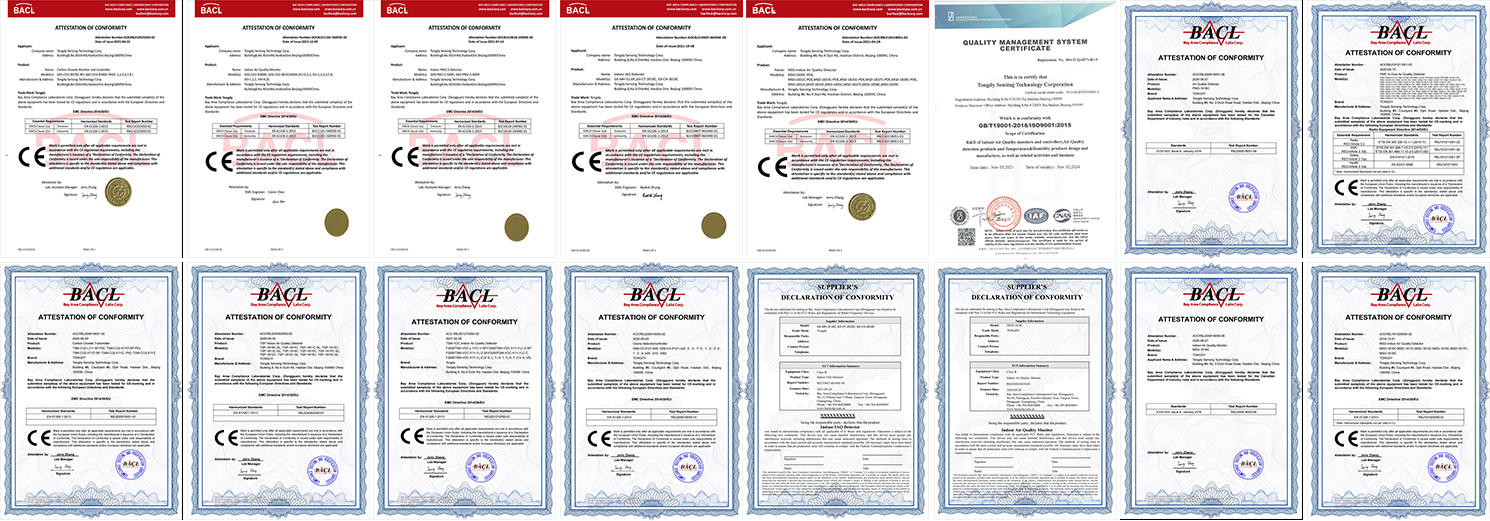
Social Responsibility & Quality Certifications
Tongdy actively develops air quality monitors and is devoted to healthy indoor air quality, striving to become an excellent enterprise model. As a corporate citizen, Tongdy has contributed to public welfare undertakings such as cooperating with public benefit corporations like WELL—the world’s leading organization focused on deploying people-first places to advance a global culture of health, especially exploring the impact of indoor air quality to people’s health based on The WELL Building Standard™.
Our Core Technology Values
Exclusive Innovative Calibration Algorithm
Proprietary technology providing effective calibration methods to support higher data accuracy across diverse operational environments.
Unique Professional Multi-Sensor Module
Specialized multi-sensor module featuring sealed cast aluminum housing containing up to six precision sensors internally.
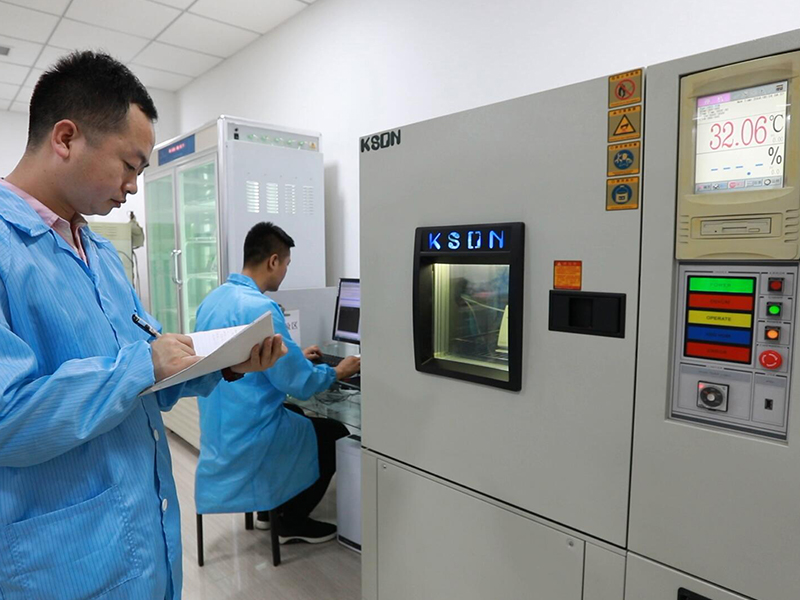
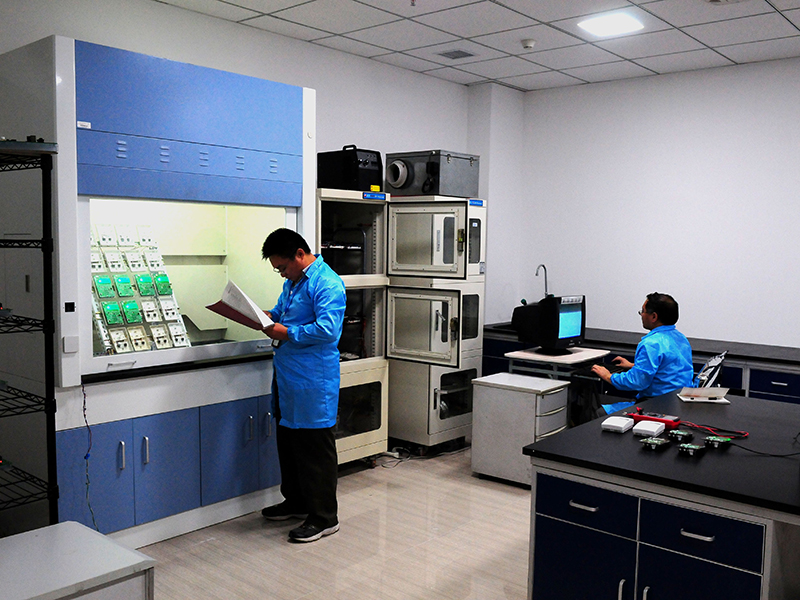
Continuous R&D & Quality Control
Tongdy-owned facilities with significant ongoing investment in R&D to ensure unparalleled product reliability and engineering innovation.
Real-Time Monitoring & Data Analytics
The "MyTongdy" platform empowers users to monitor and analyze indoor air telemetry via web browser or mobile application.
The Expert of IAQ Data Integrity
Over 15 years of focused IAQ specialization, supplying commercial-grade accurate data to drive health-centered decisions.